
How to Save American Artisan Cheese
Editor's note: When Leslie Cooperband told me she and her husband were selling their farmstead cheese farm, I was sad but not surprised. But she sees a possible remedy to the challenges facing small to mid-sized artisanal cheesemakers in America.
The case for cooperation and regionalism
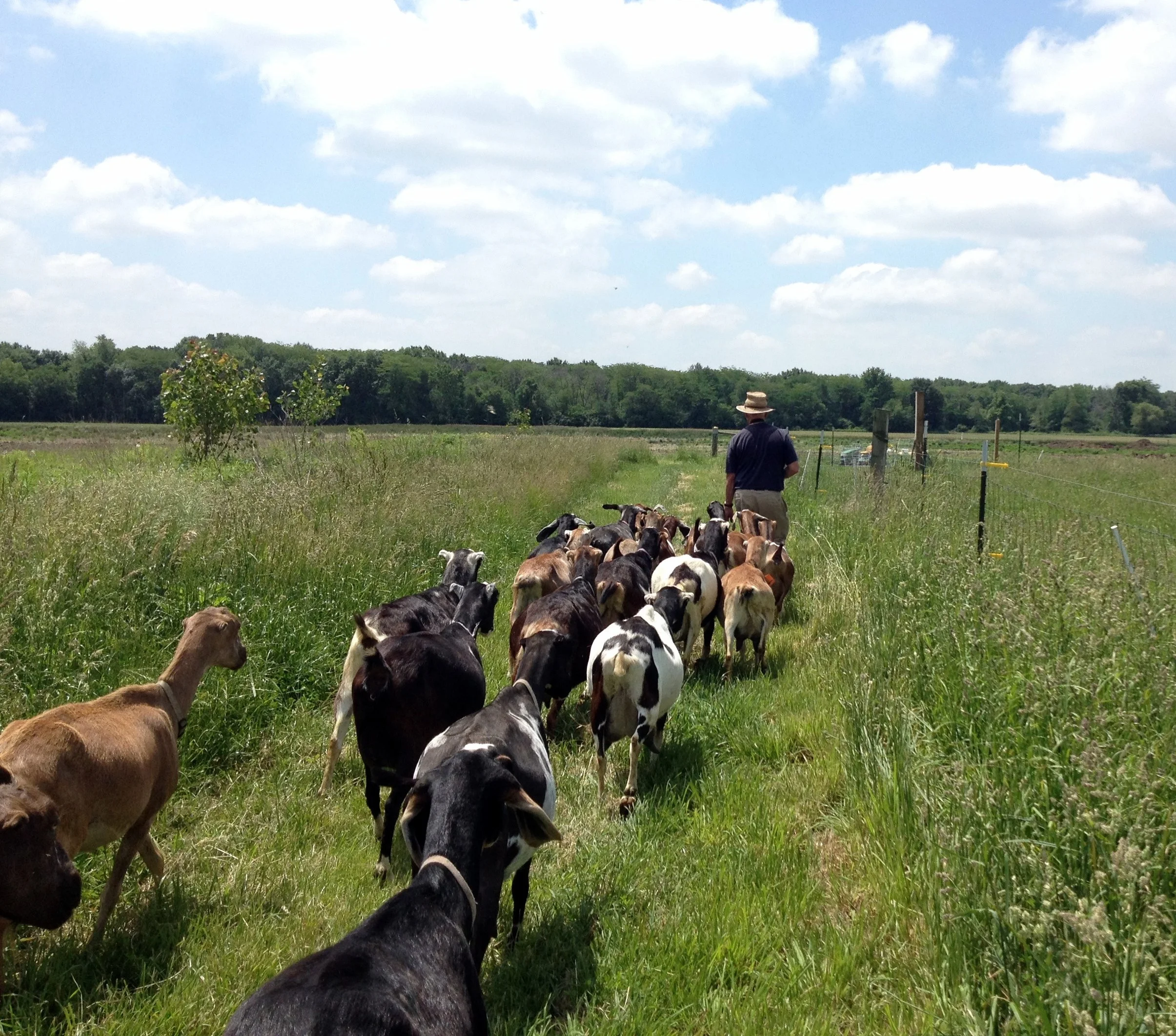
Wes Jarrell bringing the goats back home
After reconnecting with my cheese community at the American Cheese Society’s Annual Conference in Louisville, I am reinspired to take up the quixotic quest to save our country’s small to medium sized independent cheese makers and mongers. The recent Cheese Professor article by cheese maker Keith Adams spells out plainly his diagnosis for the demise of small-scale artisan cheese makers: greed. Pete Wells, food writer for the New York Times, articulates the challenges facing small-scale independent cheese shops in a recent article; a similar tale of loss in an era of consolidation and convenience food.
Farms are Dwindling
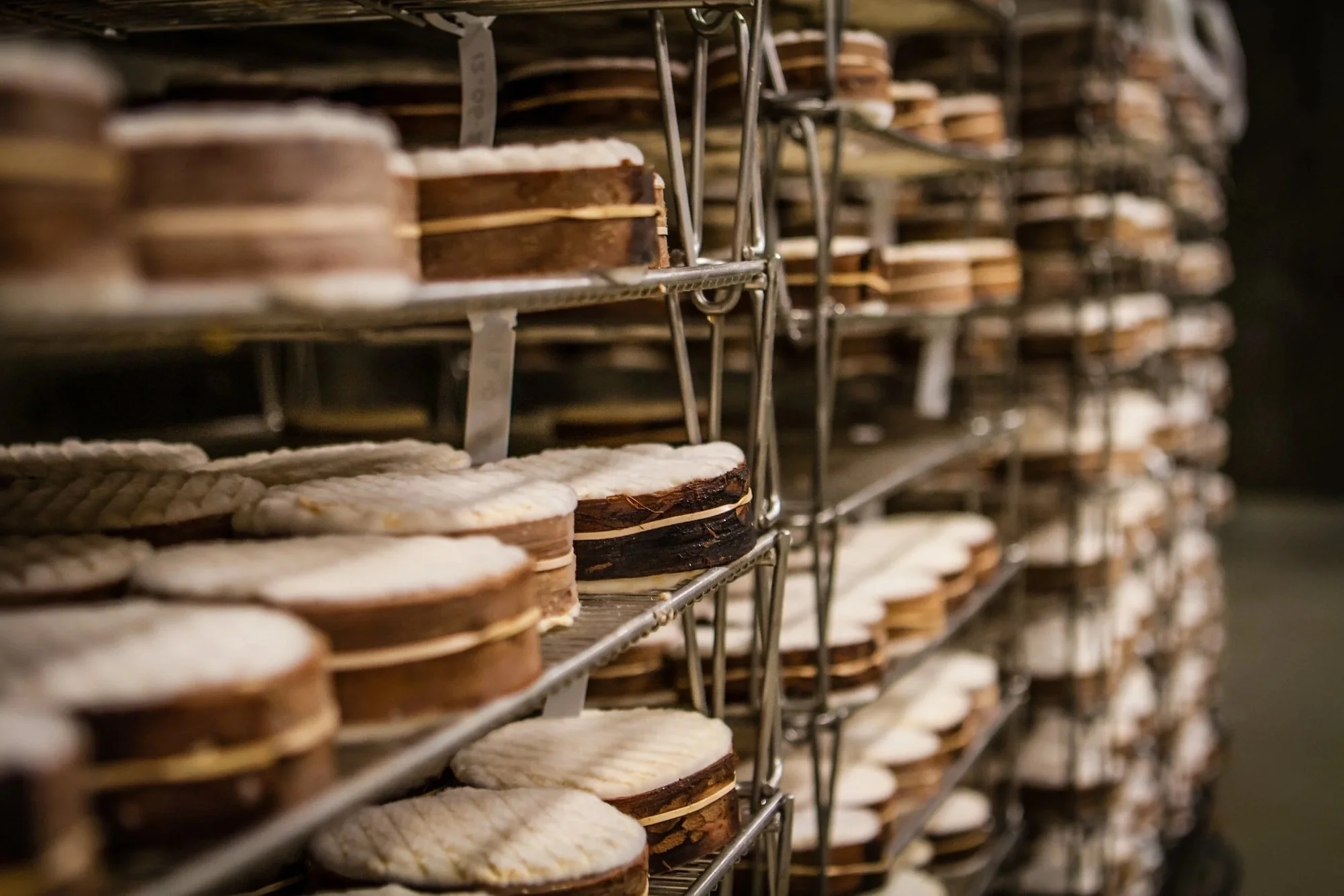
Washed-rind cheeses aging at The Cellars at Jasper Hill. Photo credit Jasper Hill
Over the past decade, the numbers of US small to medium size independent (i.e., those not owned by multi-business and multinational corporations) cheesemakers (especially farmstead) have plummeted. The American Cheese Society’s 2022 State of the U.S. Artisan/Specialty Cheese Industry Report (now four years out of date) documents a 10% decline in farmstead cheese production over only a six year period (2015-2021)! In less than four years, the number of cheese makers producing raw milk cheeses declined by nearly 20%. Overall profitability of small-scale and farmstead cheese making operations also dropped in this short time span.
Retailers are Suffering
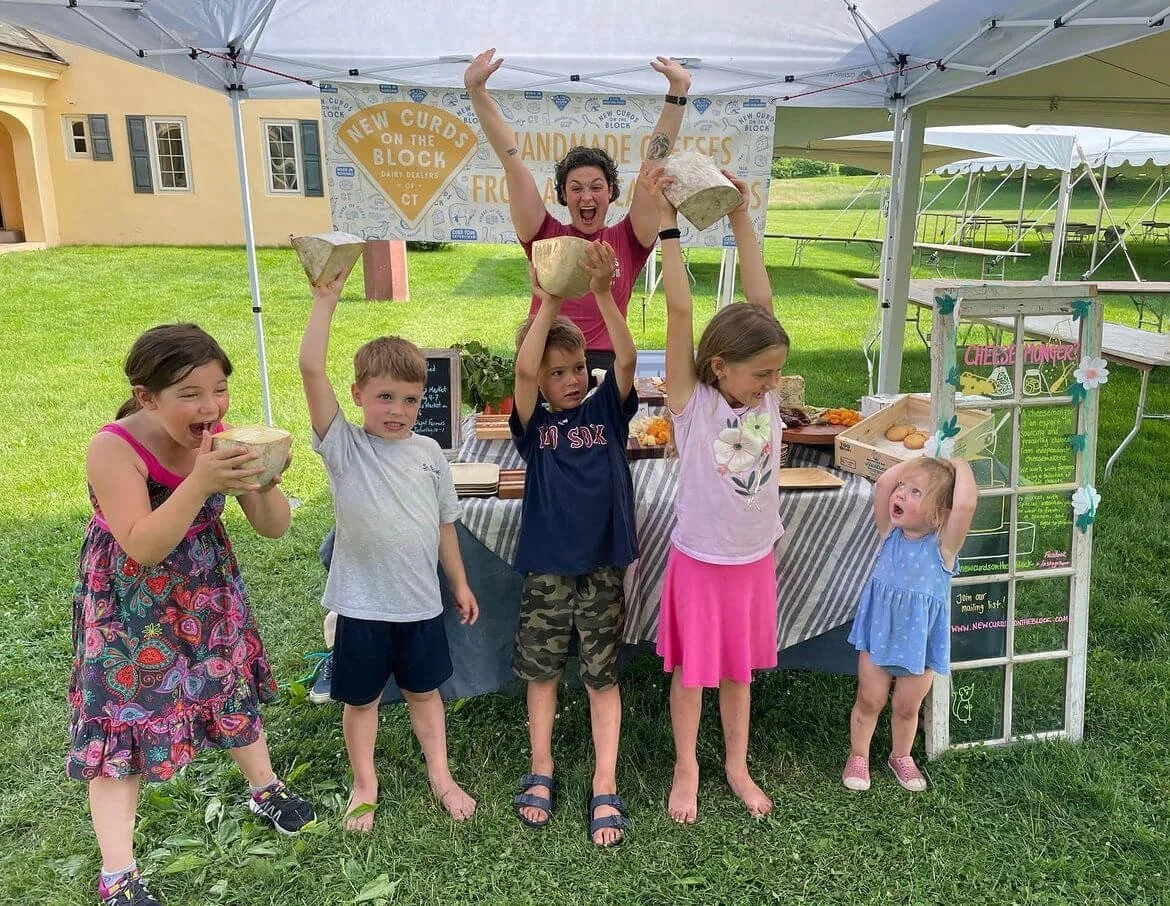
Cheesemonger Kate Turini photo courtesy New Curds on the Block
Independent retail cheese shops and those involved in affinage and small-scale cheese distribution have become endangered classes in the US as well. Many of these makers, affineurs and mongers began their businesses with strong ideals that were not always profitable. Farmstead cheese makers who care about the welfare of their animals and the stewardship of their land. Affineurs and cheese sellers who understand how to care for delicate cheeses and tell the stories of the makers to their customers. Cheese mongers who want to create cheese experiences for their customers and go beyond faceless cryovacked cheese transactions.
Where is the Profit?
The values that these makers and mongers embody do not translate to financial profitability. Many have struggled for years to keep their businesses afloat. Most successful business models of cheese cooperation/collaboration in Europe are focused around specific regional cheeses and AOC cheese standards. Moreover, many European governments subsidize pastoral agriculture and ancestral methods of making and selling cheese because they are valued societal treasures.
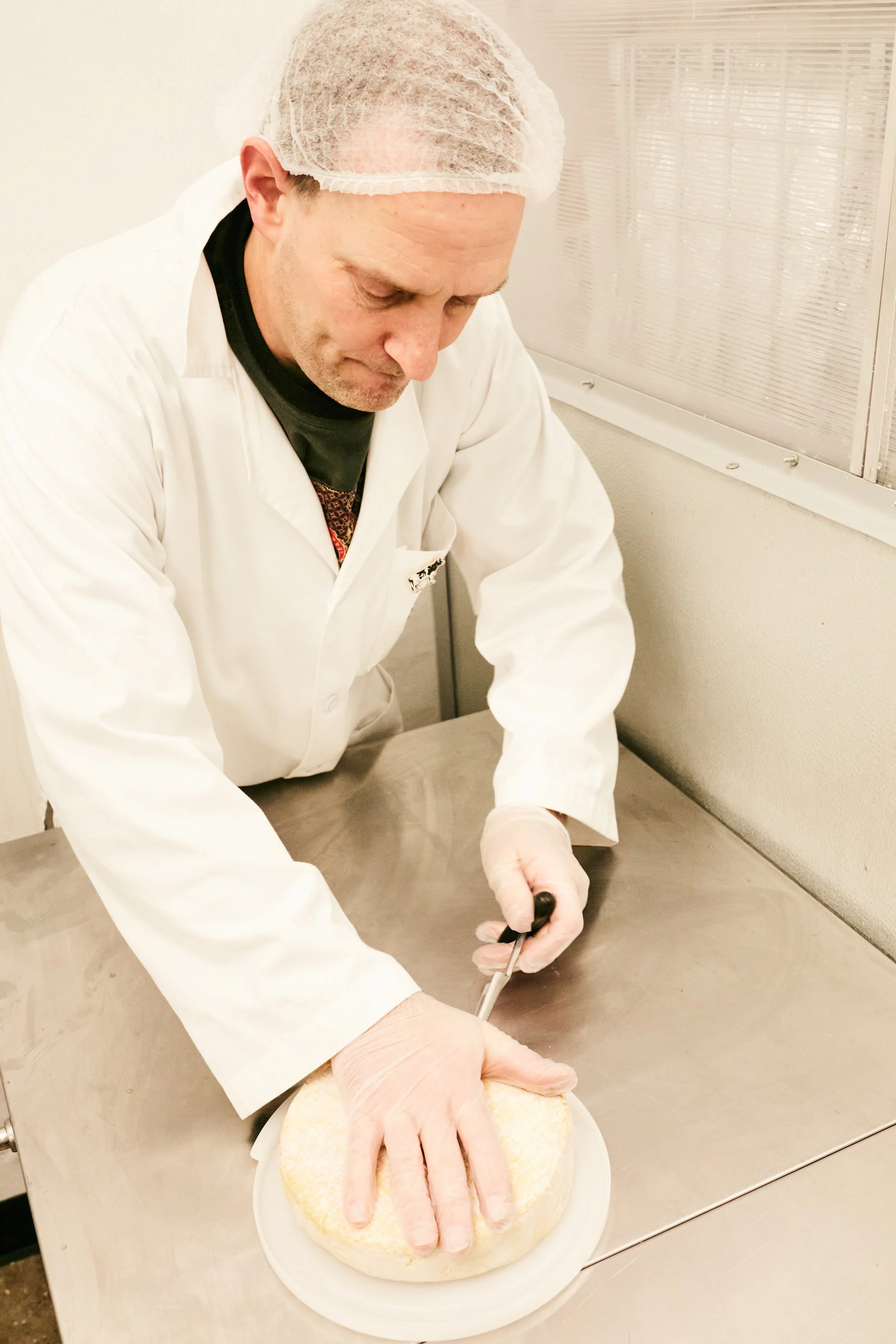
Yoav Perry making cheese
Such models would not likely be viable for US cheese makers and mongers on several fronts. There are few (if any) regional cheese making enterprises in the US a la Comté or Parmesano Reggiano. Our federal government will never subsidize artisan cheese making! Most US makers and mongers like their independence and freedom to invent, make and sell a variety of cheese styles. Except for milk cooperatives, there are few existing successful collaborative business models that encapsulate dairies, creameries, affineurs/distributors and cheese mongers.
After building and running a farmstead goat dairy-creamery for 20 years in the middle of industrial cash grain agriculture (a true dairy desert), I have come to appreciate the enormous burdens we (the food system) put on independent makers and mongers. Not only do they need to master their crafts, they need to become experts in social media, marketing and sales, personnel management and small business accounting. They often need to expand into other enterprises (agritourism, classes, workshops, farm-to-table meals) to keep the main enterprises of making and selling cheese afloat financially. Most undertake these endeavors alone, siloed and struggling in silence. Many are led to believe that the pinnacle of success is national distribution. Yet, many small-scale farmstead cheese makers cannot afford to sell their cheeses through distributors because they will lose money.
The truth is that farming with sustainability principles, making beautiful, seasonal artisan cheeses, taking the time to educate consumers about these cheeses and why they matter-all of these “internalities and externalities” do not make profitable businesses. Why? Because US consumers do not want to pay the true costs of these cheeses. Many of the comments from Pete Wells’ article about independent cheese shops criticize the high cost of American artisan cheese. Few appreciate the opportunity to learn from experienced and educated mongers; few are willing to pay for farmers and cheese makers doing right by their animals and the planet.
Regionalism
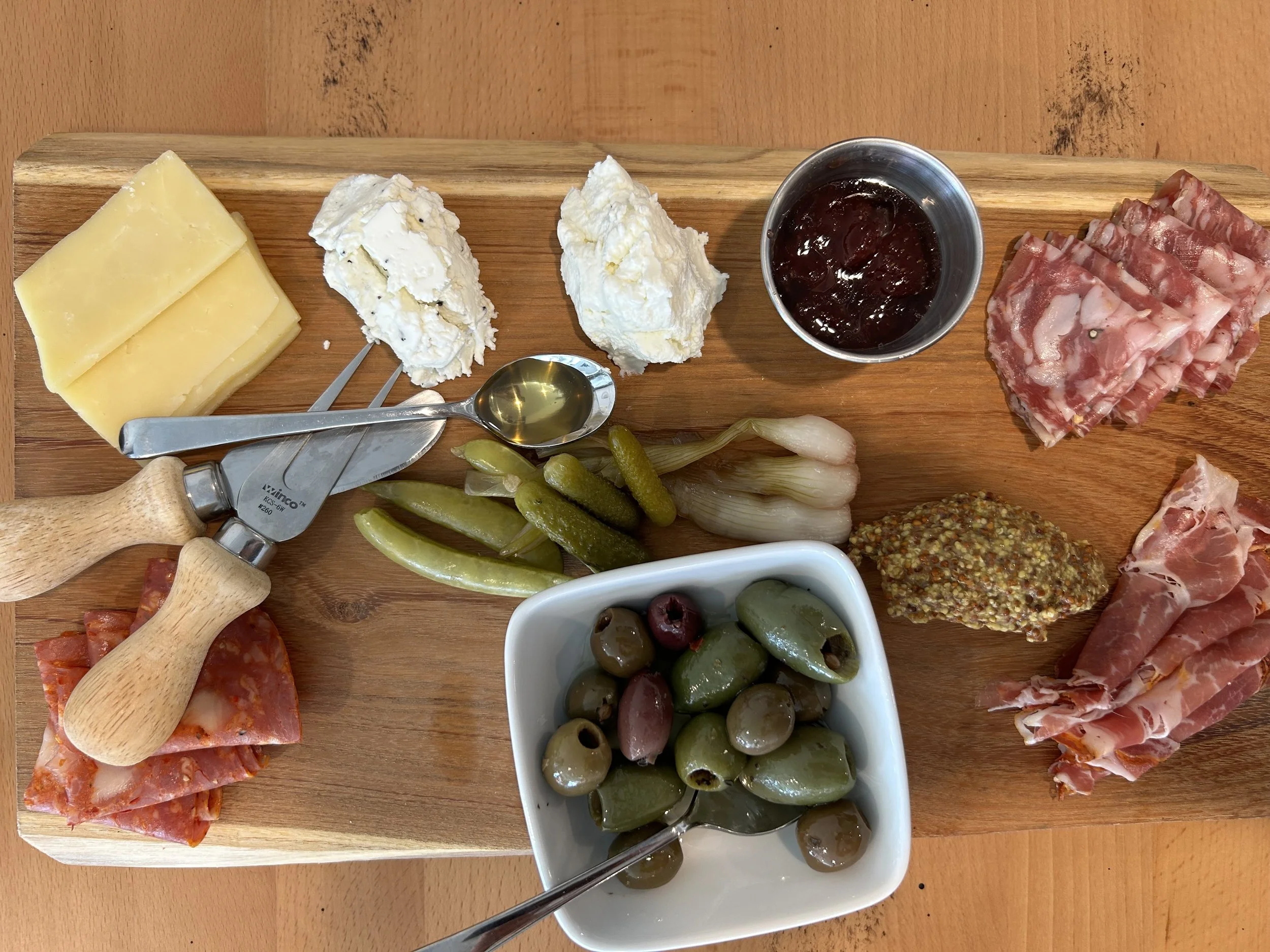
Cheese board
So, what can we do to preserve and celebrate the small, independent makers and mongers? I propose a cooperative business model focused around regionalism. The idea would be to create hubs of independent cheese shops servicing a defined geographic region of cheese makers. For example, The Cheese Shop of Des Moines (IA) would become the main cheese shop for cheese makers within a 200 mile radius (this is an arbitrary geographic area that makes sense for the Midwest; each region would define their own geography). The cheese makers would share in purchasing major inputs (dairy supplies, cheese making and packaging supplies, transportation) technical support and marketing (personnel, website, social media, advertising) expenses. Maybe they could create a revolving loan fund for major infrastructure and equipment purchases. They could establish apprenticeship programs to train the next generation of makers and mongers.
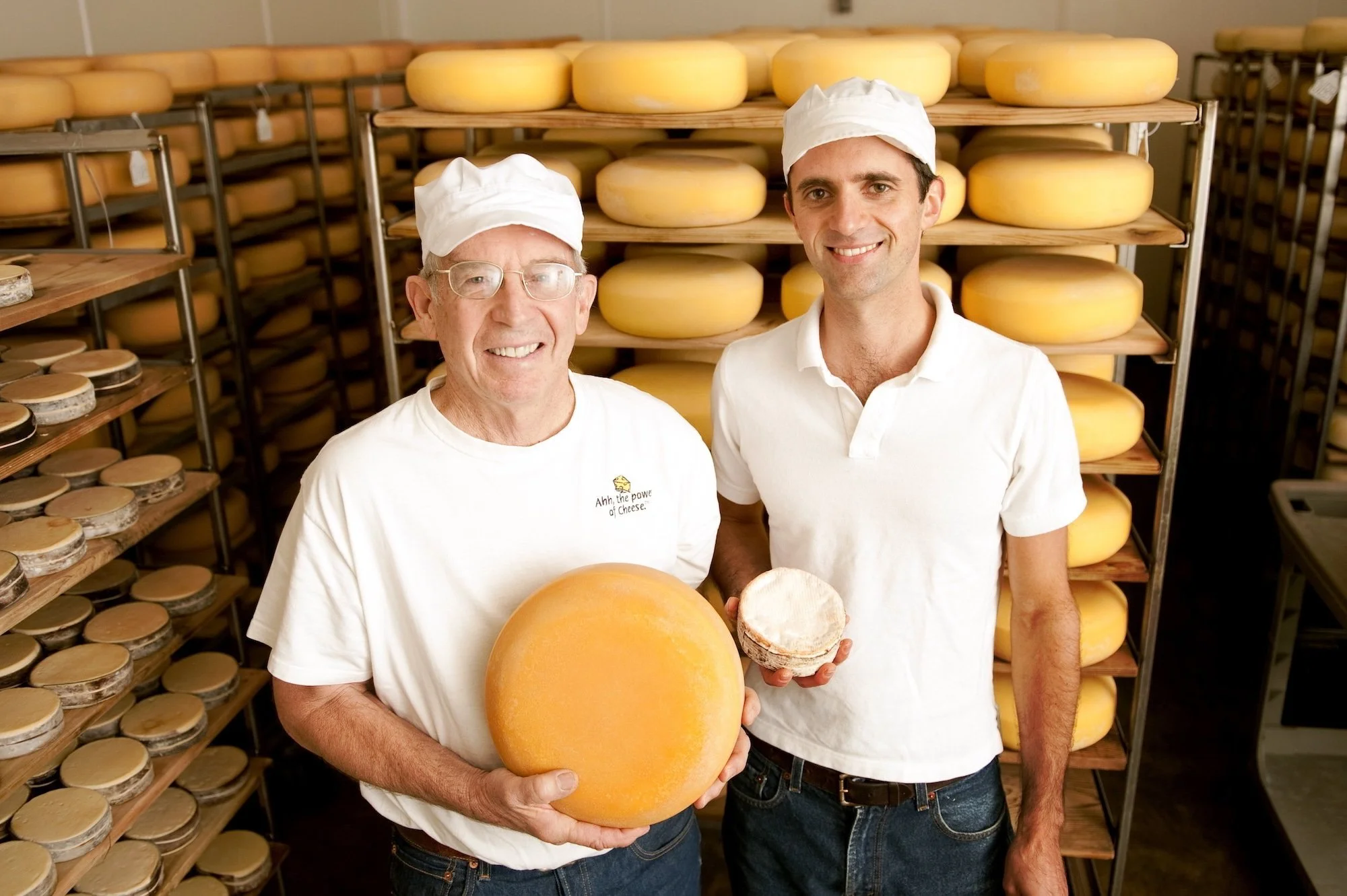
Andy Hatch and Mike Gingrich, 2010 photo credit Uplands Cheese
In turn, these cheese makers would adhere to verifiable standards related to animal welfare, pastured dairying and regenerative agriculture practices. Cooperative input and service expenses should lower production costs for these cheese makers. They could then afford to sell their cheeses to their regional cheese monger at reduced prices that would improve monger profitability. Also, regional mongers would be afforded exclusive wholesale sales channels for these cheeses. Mongers could assist with affinage if cheese makers don’t have the proper infrastructure to age their cheeses. Mongers can offer field trips to visit regional cheese makers so that customers can see the operations firsthand. Mongers could offer tasting and pairings classes to increase revenue streams.
Cooperative regionalism addresses several issues. It takes the pressure off cheese makers to do everything by themselves. It eliminates the need to sell nationally. It reduces the carbon footprints of making, transporting and selling cheese. It allows cheeses to be eaten at their prime with minimal (and biodegradable) packaging; not entombed in plastic to extend their shelf life for months on end. It builds a local customer base of cheese lovers who want to support their local cheese makers, who want to know how they raise their animals, how they make a particular style of cheese and how the mongers care for those cheeses. Despite the trends toward contactless cheese purchase of Cryovac wrapped cheap cheese in the supermarket, we could build an alternative model: a model embracing terroir, a model rewarding transparency and accountability, a legitimate climate-smart agriculture, a model celebrating deep knowledge and stewardship.