
Which Is Healthier, Skyr or Greek Yogurt?
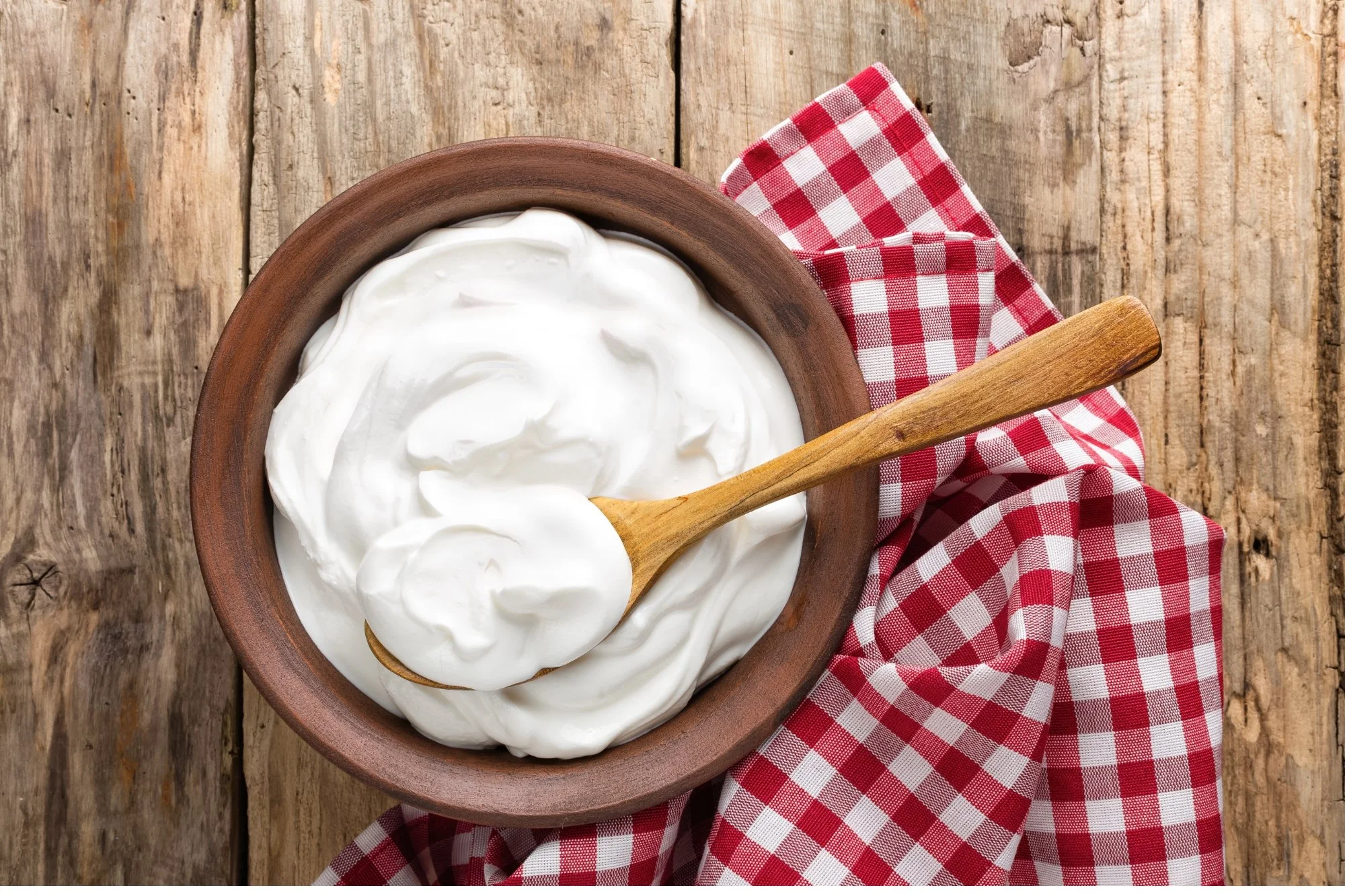
Greek yogurt
At first glance, skyr and Greek yogurt look like twins separated at the dairy case. Both are pleasantly tangy, both are thick enough to hold a spoon upright, and both have acquired the nutritional halo that comes with the words “high protein.”
But skyr—pronounced skeer—has a story all its own. It is rooted in centuries of Icelandic food culture, made with a process that lands somewhere between yogurt-making and cheesemaking, and traditionally so concentrated that an ordinary cup of yogurt can seem almost dainty by comparison. Technically skyr is "sour milk cheese" which sounds terrible, but isn't.
So, which one is healthier?
The honest, mildly annoying answer is: it depends. The word on the front of the tub matters less than the milk, cultures, fat, sugar, and other ingredients listed on the back. But skyr’s history—and its transformation from an Icelandic farmstead staple into an American grocery-store favorite—is well worth digging into.
Is Skyr Yogurt…or Is It Cheese?
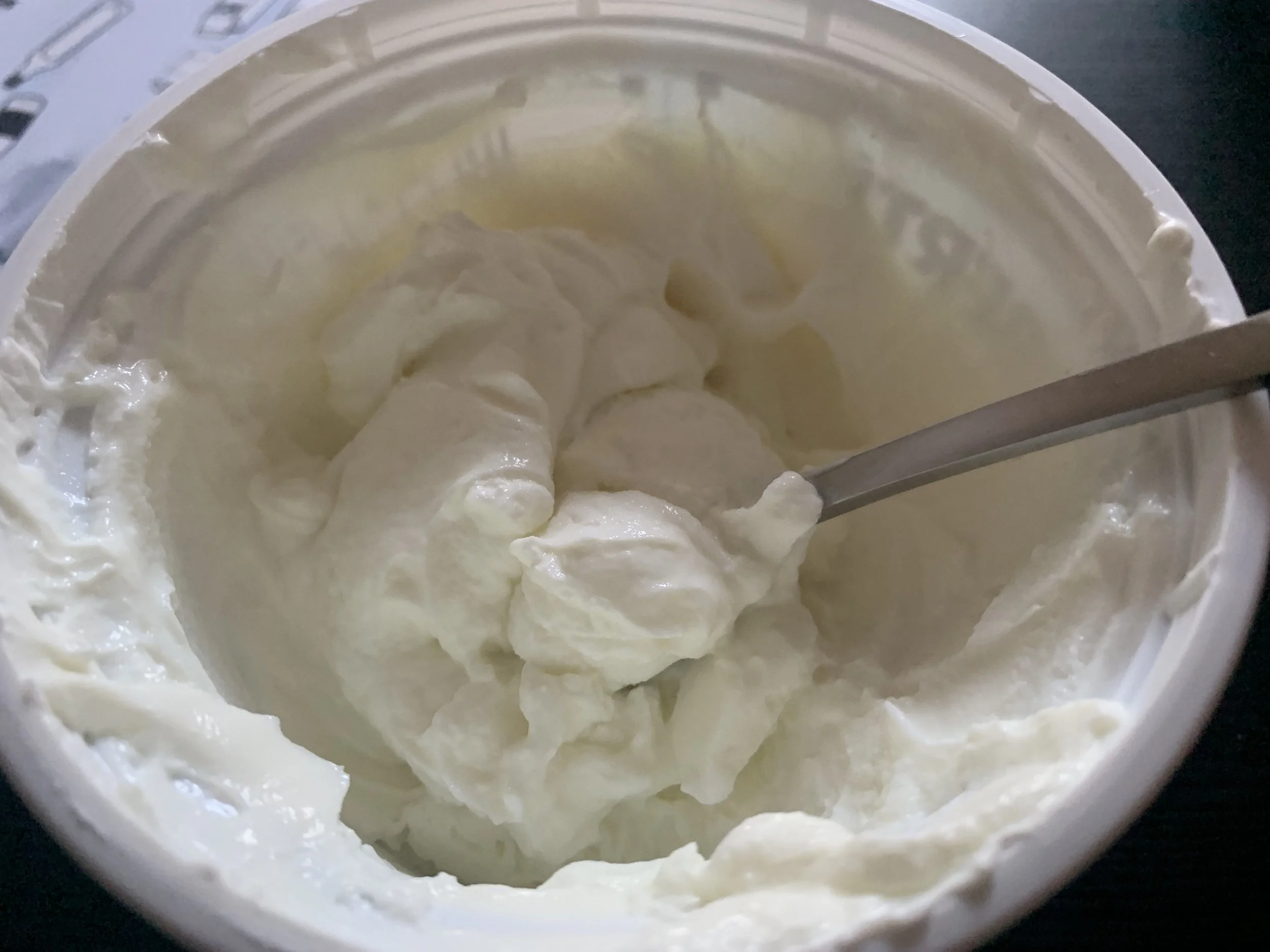
Skyr SkylerWang, CC BY-SA 4.0, via Wikimedia Commons
Americans tend to encounter skyr beside the Greek yogurt, sold in similar single-serving cups and destined for the same breakfast bowls. Technically, though, skyr is generally classified as a fresh acid-curd cheese.
Like yogurt, it begins when bacterial cultures ferment milk, producing lactic acid and causing the milk proteins to coagulate. Traditional skyr may also use a small amount of rennet, although it is optional in many modern versions. The curd is then intensely strained or mechanically separated from the whey, creating skyr’s exceptionally dense, smooth body. Greek yogurt, meanwhile, starts as yogurt and is concentrated by draining or separating out whey. The two processes are close cousins, but not quite identical.
That distinction is delightful news for cheese lovers: Your breakfast may have been cheese-adjacent all along.
Skyr is traditionally made from skim milk, yet its high concentration of milk proteins gives it a thick, creamy texture without requiring much fat. Modern producers have expanded the category, however, and today’s dairy aisle includes nonfat, low-fat, and whole-milk skyr, just as it does Greek yogurt.
A Thousand Years of Skyr
Skyr has been part of the Icelandic diet since the Viking era, likely traveling to the island with Norse settlers. Earlier forms were made with sheep’s milk; cow’s milk eventually became standard. In a place where preserving precious food was essential, transforming milk into a concentrated, fermented product made practical sense.
For centuries, skyr-making belonged largely to the realm of household knowledge. A little skyr from one batch could help culture the next, allowing families to maintain their own microbial communities from generation to generation. Those cultures, along with variations in milk and technique, meant that one household’s skyr might taste or feel quite different from another’s.
Research from Icelandic food and biotechnology organization Matís notes that industrialization and standardization made skyr more consistent and scalable, but also reduced some of the microbial diversity once found among household batches. In other words, skyr’s “culture” has always referred to more than bacteria: It encompasses a network of women, farmers, animals, landscapes, and handed-down knowledge.
Today, skyr has traveled far beyond Iceland. Its dense texture and impressive protein content happen to align perfectly with the contemporary appetite for food that feels traditional and functional at the same time.
Skyr vs. Greek Yogurt: The Nutritional Showdown
Both are low in carbohydrates
Skyr typically has more protein
Greek yogurt typically has more calories and carbohydrates
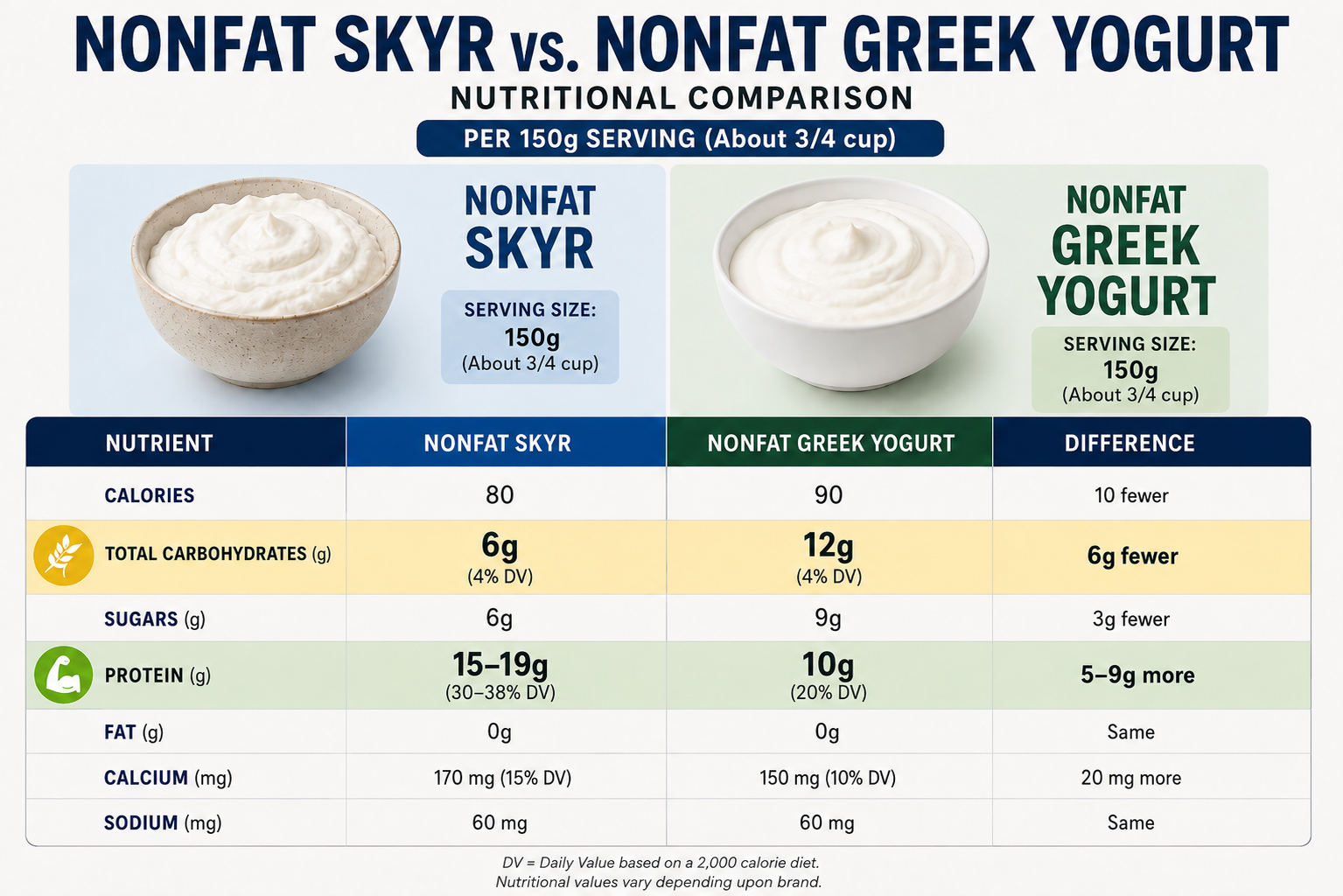
Skyr and Greek yogurt, AI image using average numbers from various brands
Both skyr and Greek yogurt generally contain more protein than conventional yogurt because they are concentrated. Both may also provide calcium and live cultures. Beyond that, the nutritional differences vary tremendously among brands.
A plain nonfat Greek yogurt may contain fewer calories and less fat than a whole-milk skyr. A whole-milk skyr, meanwhile, may offer comparable protein with a richer flavor and more satisfying texture. Other brands reverse the equation entirely.
Added sugar is often a more useful consideration than whether the label says skyr or Greek yogurt. Plain versions naturally contain lactose, while flavored cups can range from lightly sweetened to dessert-like.
The same is true of protein. Some products derive their protein primarily from concentrated milk, while others add milk protein concentrate or powders. Neither approach automatically makes a product “bad,” but checking the ingredient list reveals more than the category name does.
Skyr is not inherently lactose-free, either. Fermentation and straining may reduce lactose, but shoppers who need lactose-free dairy should look for that specific claim on the package.
In other words, there is no universal winner. The healthiest option is the one that best suits your needs.
From Iceland to Pennsylvania

The Painterland Sisters
For sisters Hayley and Stephanie Painter, co-founders and co-CEOs of Painterland Sisters, skyr offered something beyond an attractive nutritional panel. It created a way to connect their fourth-generation Pennsylvania dairy farm with another long agricultural tradition.
“We knew we didn’t want to create just another dairy product,” the sisters explained. “We wanted to honor the milk itself and the generations of family farmers who care for it every single day.” They worked with a 10th-generation Icelandic skyr maker to develop their product, bringing together Icelandic technique and organic milk from pasture-raised cows on American family farms.
The sisters describe skyr as “a bridge between two farming traditions”: one developed across the North Atlantic and another passed through four generations in the rolling hills of Tioga County, Pennsylvania. Their brand was created in part to sustain their family’s farm while strengthening the connection between consumers and the people producing their food.
Painterland’s approach also complicates the idea that skyr must be lean or austere. Its skyr is made from whole milk, giving it a plush, rich texture, while concentrating enough dairy protein to provide 16 to 21 grams per serving across the line. Its plain cup contains only cultured organic whole milk and lactase enzyme, along with live cultures including Lactobacillus bulgaricus, Streptococcus thermophilus, and Bifidobacterium.
“Because skyr uses so much milk in every serving, the quality of that milk matters even more,” Hayley and Stephanie say. “Our job isn’t to reinvent the milk; it’s simply to honor it.”
That philosophy extends to flavors including Blueberry Lemon, Passion Fruit, Vanilla Bean, and several named for Stephanie’s children: Savannah’s Peach, Meadow Berry, and Wilder Raspberry. The playfulness helps distinguish the brand from the sometimes joyless world of foods marketed primarily around protein grams.
So, Which One Should You Buy?
Because the nutritional differences are negligible, choose skyr when you want something especially dense and smooth, with a mild dairy tang and a fascinating cheese-world pedigree. Choose Greek yogurt when you prefer its brighter acidity or simply love a particular producer.
The best cultured dairy product is one that meets your needs and tastes genuinely delicious, because breakfast should offer pleasure as well as protein.
Skyr does earn one final point for versatility. Hayley and Stephanie use it in smoothies, baked goods, dips, dressings, and in place of sour cream or mayonnaise. Hayley’s favorite preparation is more unexpected: a generous spoonful of plain skyr on top of a steak.
That may not settle the skyr-versus-Greek-yogurt debate. But for dairy nerds, the prospect of eating a thousand-year-old, technically cheese-like food for breakfast—and then again at dinner—is a compelling tiebreaker.