
5 Pioneers in India’s Artisanal Cheese Movement
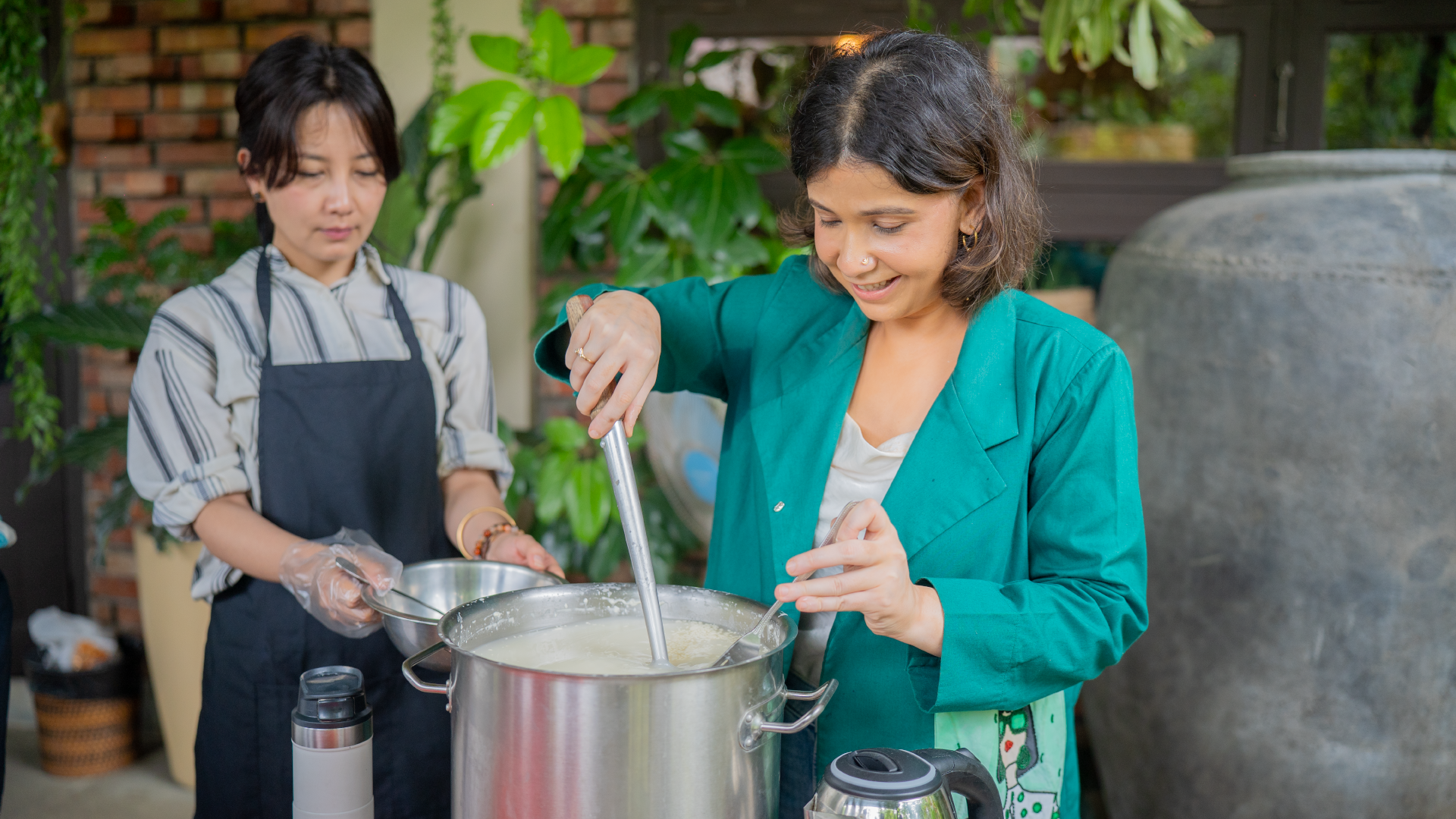
The Queso founder Abhilasha Singh, at right
For a long time, India’s cheese market was largely dominated by processed cheese in the form of cubes, slices, and spreads. Despite being a fresh cheese, paneer was rarely considered a part of the broader cheese scene.
In recent years, however, artisanal cheesemaking has emerged as a dynamic segment of India’s dairy landscape. Expanding consumer interest in premium foods, greater exposure to global cuisines, and an increasing preference for locally made, high-quality food products have accelerated demand for handcrafted, naturally aged, and small-batch cheeses.
Across India, a new generation of cheesemakers is moving beyond simply replicating European classics. Faced with climatic conditions distinct from Europe’s most well-known traditional cheesemaking regions, they are developing unique approaches to aging and production, creating cheeses that express a sense of place and regional character.
The results are remarkably diverse, ranging from creamy brie and camembert-style cheeses to tomme, fresh chèvres, and washed-rind varieties. But these cheeses are more than local versions of European classics. The cheesemakers are helping redefine what Indian artisanal cheese can be.
Casa Del Cheese, Mumbai

Casa Del Cheese founder Dhvani Desai holding a young tomme cheese wheel
For Casa Del Cheese founder Dhvani Desai, the journey began with a love of gourmet cheese and a desire to enjoy it without relying on expensive imports.
A former business journalist with nine years of experience across television, print, and digital media, Desai had always been passionate about food. Curious about the flavors and traditions behind artisanal cheese, she began learning to make it herself. What started as a personal experiment eventually grew into a cheesemaking business around 2012–13 and later, in 2021, into Casa Del Cheese Academy.
Today, through online workshops and her six-month Cheese Mastery Program, she shares the craft of traditional cheesemaking with a growing community, including home cooks, chefs, bakers, dairy owners, and aspiring entrepreneurs. Beyond teaching technique, her mission is to build awareness of real cheese in a country where processed cheese has long dominated the market and shaped consumer perceptions.
The academy has attracted more than 200 learners from across India, from teenagers to retirees with diverse professional backgrounds.
Desai believes this growing interest has been fueled by greater exposure to global cuisines through travel, television, digital platforms, and social media, which has encouraged more Indians to explore authentic cheeses and the craft behind them.
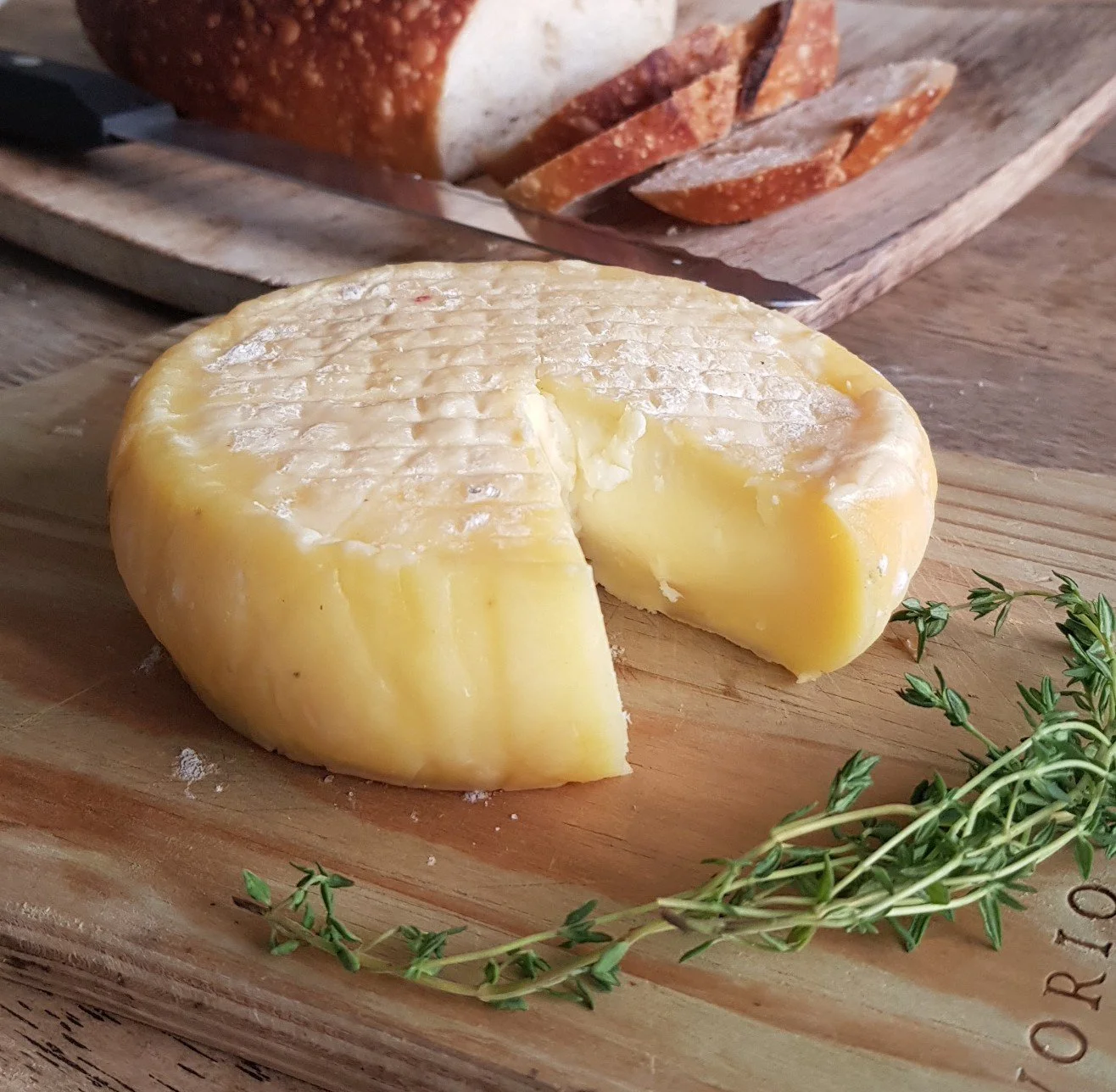
Casa Del Cheese Academy’s tomme-style cheese
The tomme-style cheese wheel is a student favorite. With its mild flavor, creamy texture, and versatility, it has become a highlight of the course.
“They feel incredibly accomplished when they make an entire wheel and hold it in their hands,” she says. “More than anything, students love the sense of pride that comes from creating a real cheese from scratch.”
Eleftheria Cheese, Mumbai
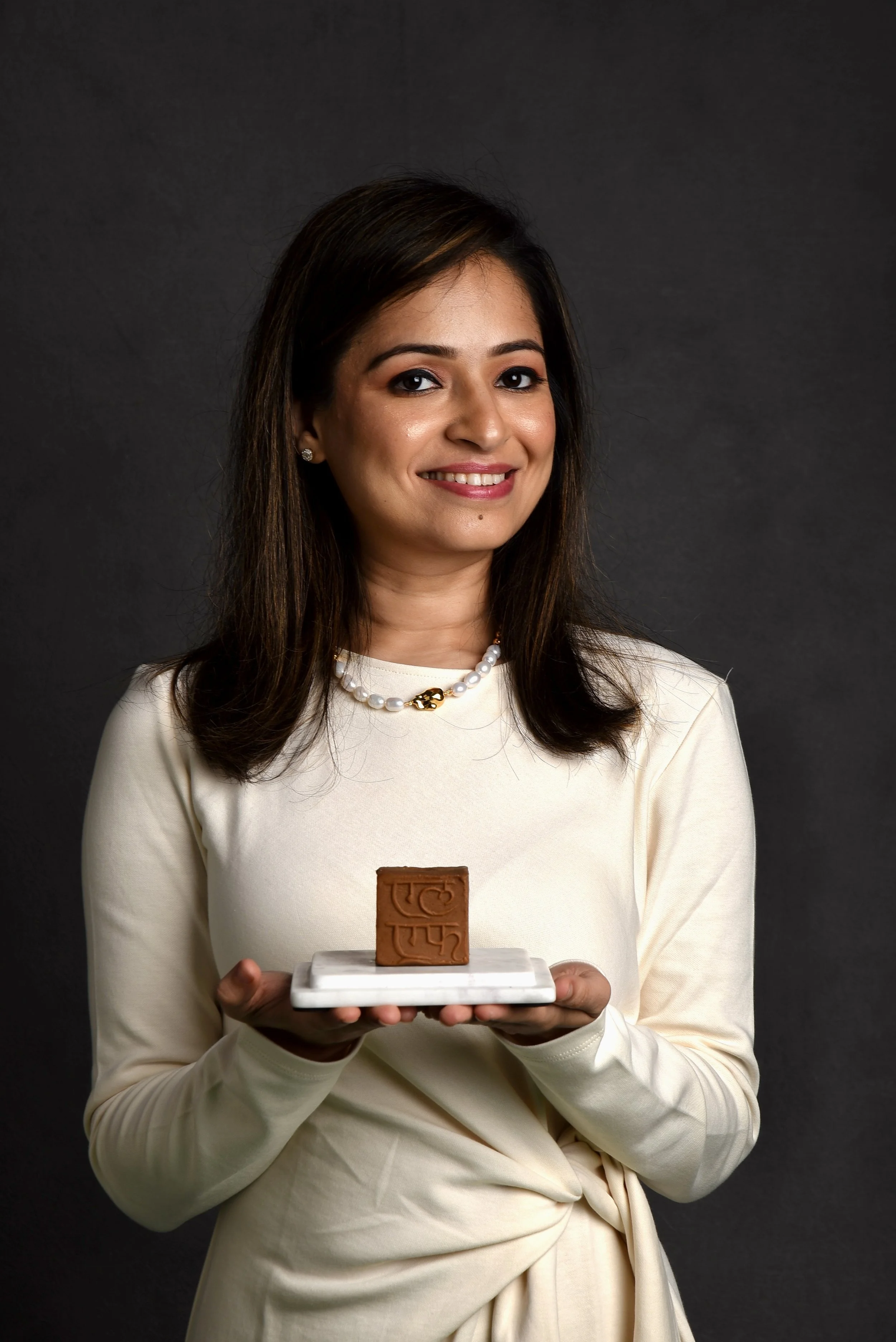
Eleftheria Cheese founder Mausam Narang with the company’s Brunost
Growing up in India, Eleftheria Cheese founder Mausam Narang knew only processed cheese. It wasn’t until she took a summer course in artisanal cheese in Germany that she was introduced to a world of flavors, textures, and traditions.
Narang continued exploring cheese while studying in the U.K. and traveling across Europe. Back in Mumbai, she taught herself cheesemaking through countless experiments after long days at her corporate job. Soon, wheels of aging cheese filled the fridge in her bedroom as a hobby became a passion.
Encouraged by friends and family, that curiosity soon became a calling, and Eleftheria Cheese was born. Today, it is recognized as one of India’s pioneering artisanal creameries, with several award-winning cheeses to its credit.
“I’m increasingly interested in crafting cheeses that reflect their Indian origins,” Narang says. Her cheeses include a clothbound cheddar called Moony and Narang’s version of Brunost, a Norwegian-style whey product.
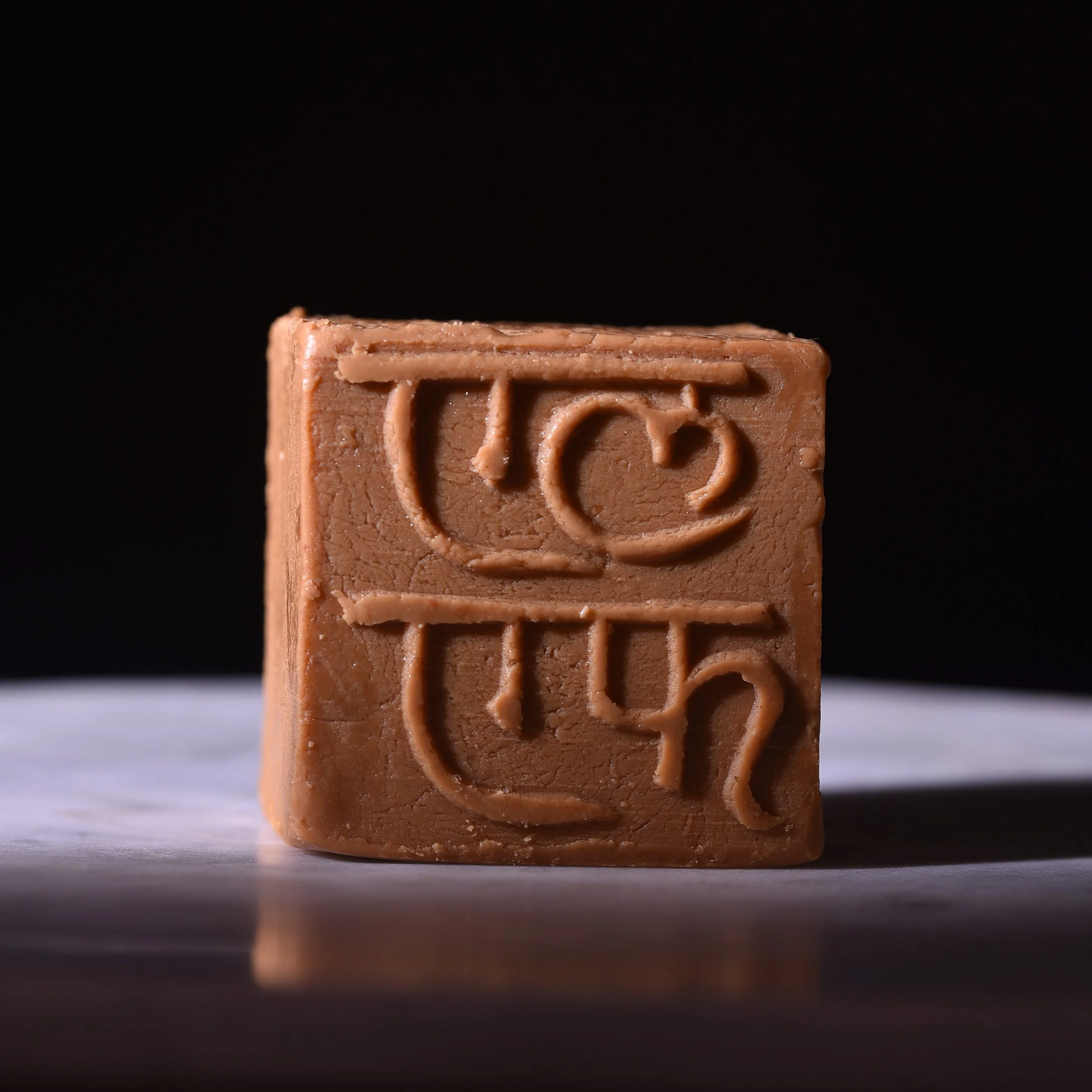
Eleftheria’s Brunost
Narang describes Brunost as “a perfect expression of Eleftheria’s philosophy.” Made by slowly caramelizing whey, it has a smooth, almost fudge-like texture with notes of caramel, browned butter, and dulce de leche. Though Norwegian in origin, many customers compare it to khoya (milk solids made by evaporating whole milk) or peda (soft Indian milk fudge). “People are intrigued when they first try it,” says Narang, “and keep coming back because it's such a unique and comforting experience.”
Moony offers something entirely different. Aged for nearly a year, this clothbound cheddar is firm yet creamy, with deep savory notes. Instead of coating the cheese in lard, Eleftheria uses ghee made from farm-fresh cream before wrapping it in muslin cloth for aging, resulting in a cheddar with remarkable depth and character.
Good milk is the foundation of everything Eleftheria produces. Through workshops and tastings, the creamery has also helped introduce more people to artisanal cheese and show that it has a place on Indian tables.
Meraki Cheese, Kolkata
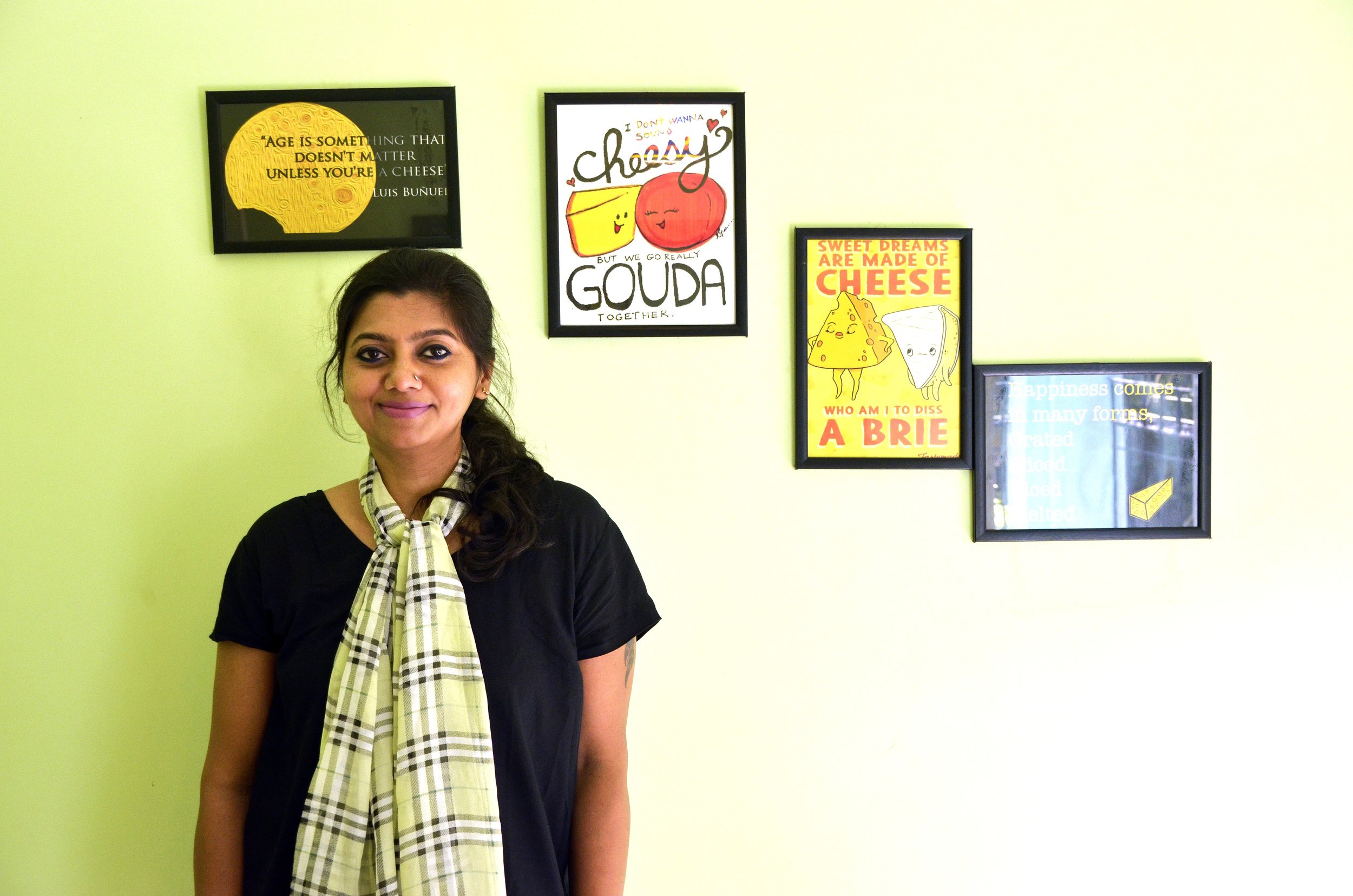
Arpita Nag of Meraki
Founded in 2018 by Kolkata native Arpita Nag, Meraki focuses on incorporating regional Indian flavors — particularly Bengali spices — into its cheeses. Its signature cheeses offer a delicious expression of Bengal’s culinary identity.
Nag’s Shorshe Kancha Lonka Fetta puts a Bengali twist on feta with black mustard and fresh green chiles. It offers the familiar tang of feta, but also earthy mustard notes, a subtle smoky warmth, and “the gorgeous kick and lingering aroma of fresh green chiles,” Nag explains.
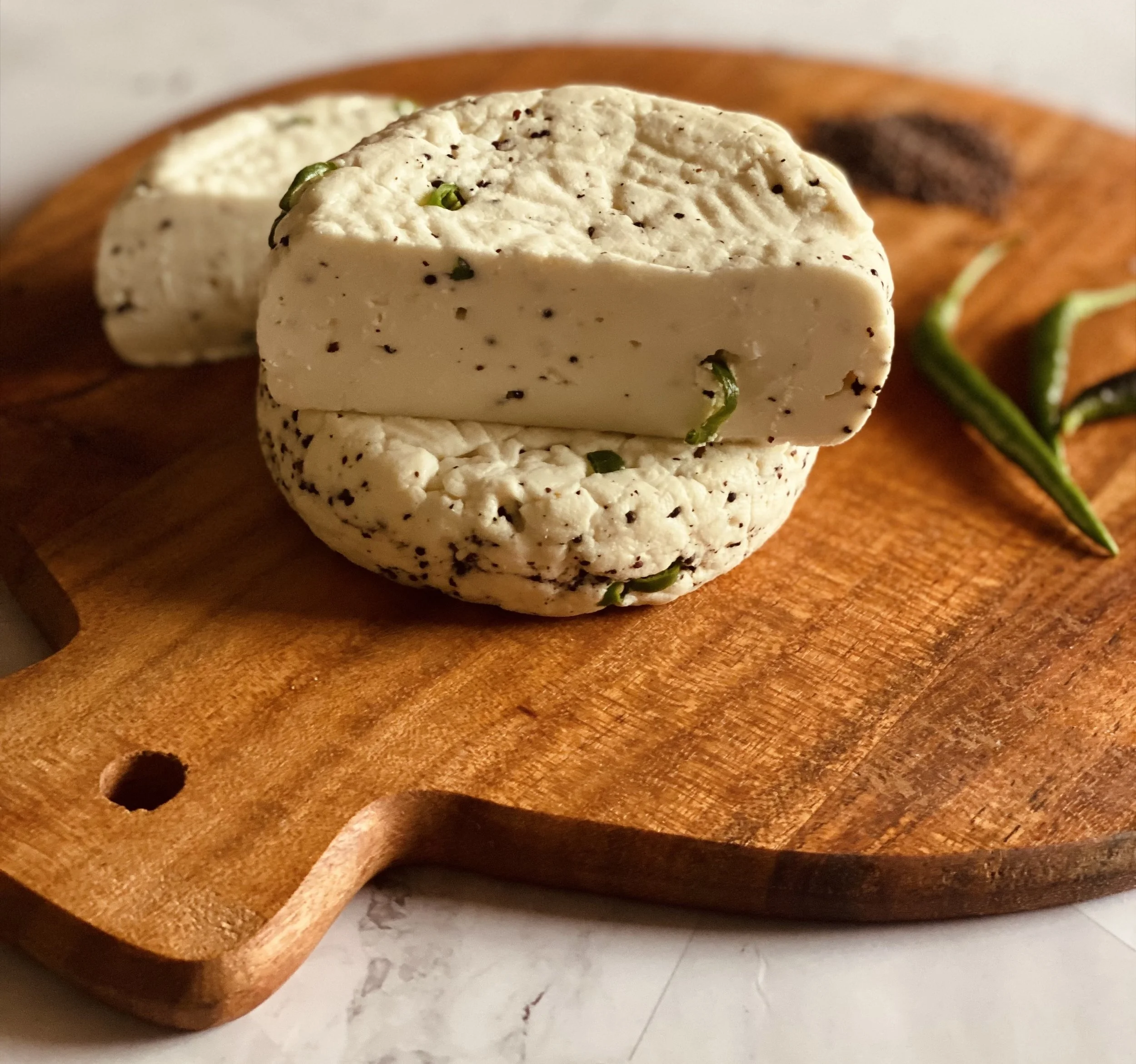
Meraki Cheese’s Shorshe Kancha Lanka Fetta
Inspired by Bengal’s iconic five-spice blend, the Panch Phoron is both familiar and unexpected. Aged for three months, it reveals its flavors in stages, with aromatic fenugreek and radhuni (wild celery seed) giving way to sweet fennel, fragrant cumin, and the gentle bite of nigella. The creamy, buttery cheese ties everything together, creating what Nag describes as “a treasure hunt inside your palate.”
As Nag notes, “the country’s hot climate and underdeveloped cold-chain logistics network remain some of the biggest hurdles for artisanal cheesemakers.”
“Experimentation is at the heart of Meraki’s creative process,” she says, describing artisanal cheesemaking in India as a process of “constant trial and error.”
Panchal Dairy, Gujarat
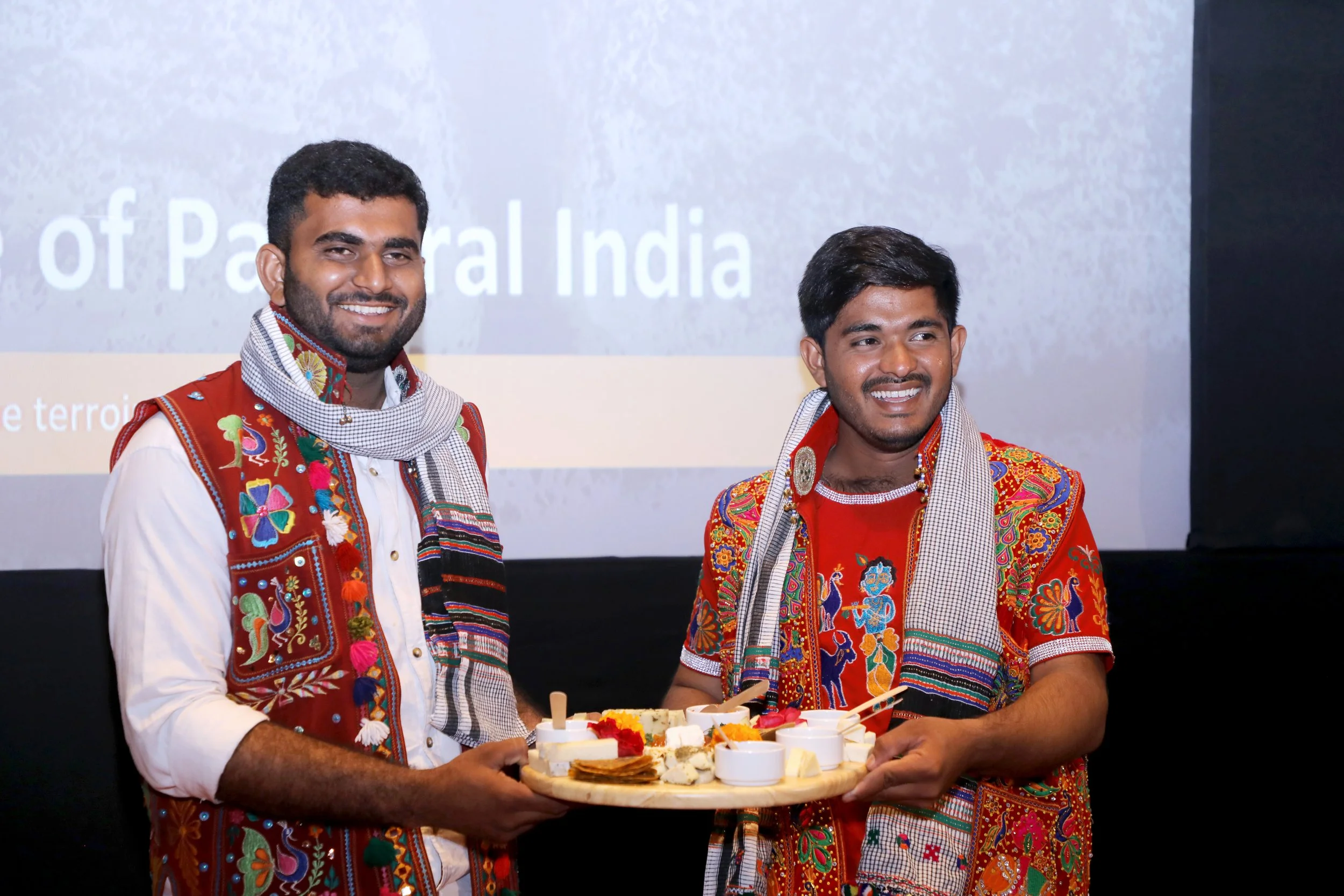
Panchal Dairy founders Arpan Kalotra and Bhimsingh Ghanghal
Founded in 2022 in Sayla village, Gujarat, Panchal Dairy draws on the Maldhari/Rabari community’s long tradition of livestock rearing and milk production. Co-founders Arpan Kalotra and Bhimsingh Ghanghal saw an opportunity to transform locally produced goat and sheep milk into artisanal cheese. With support from the conservation nonprofit Sahjeevan, which works closely with pastoral communities, and guidance from Namrata Sundaresan of Käse Cheese, their curiosity gradually grew into a thriving creamery.
Milk sourcing is central to Panchal Dairy’s work. The creamery works closely with women pastoralists, with an emphasis on animal health, feed quality, and fresh milk. “Good cheese begins with good milk,” Kalotra says.
“We wanted to show that Indian milk and environments can produce cheeses with their own distinctive character,” Kalotra says. Their goal is to showcase the qualities of local goat and sheep milk while bringing greater recognition to the communities that produce it.
While Panchal Dairy is known for its aged natural-rind cheese, Kalotra believes its goat cheese best reflects the creamery’s identity. “It captures both the character of our milk and our approach to cheesemaking,” he says.
Fresh and pleasantly tangy, the goat cheese carries delicate grassy and lactic notes. Smooth and creamy when young, it becomes firmer and more complex with age. “Good goat cheese should have character without being overpowering,” Kalotra says. The result is a cheese with bright acidity and freshness that allows the quality of the milk to take center stage.
The Queso, Assam
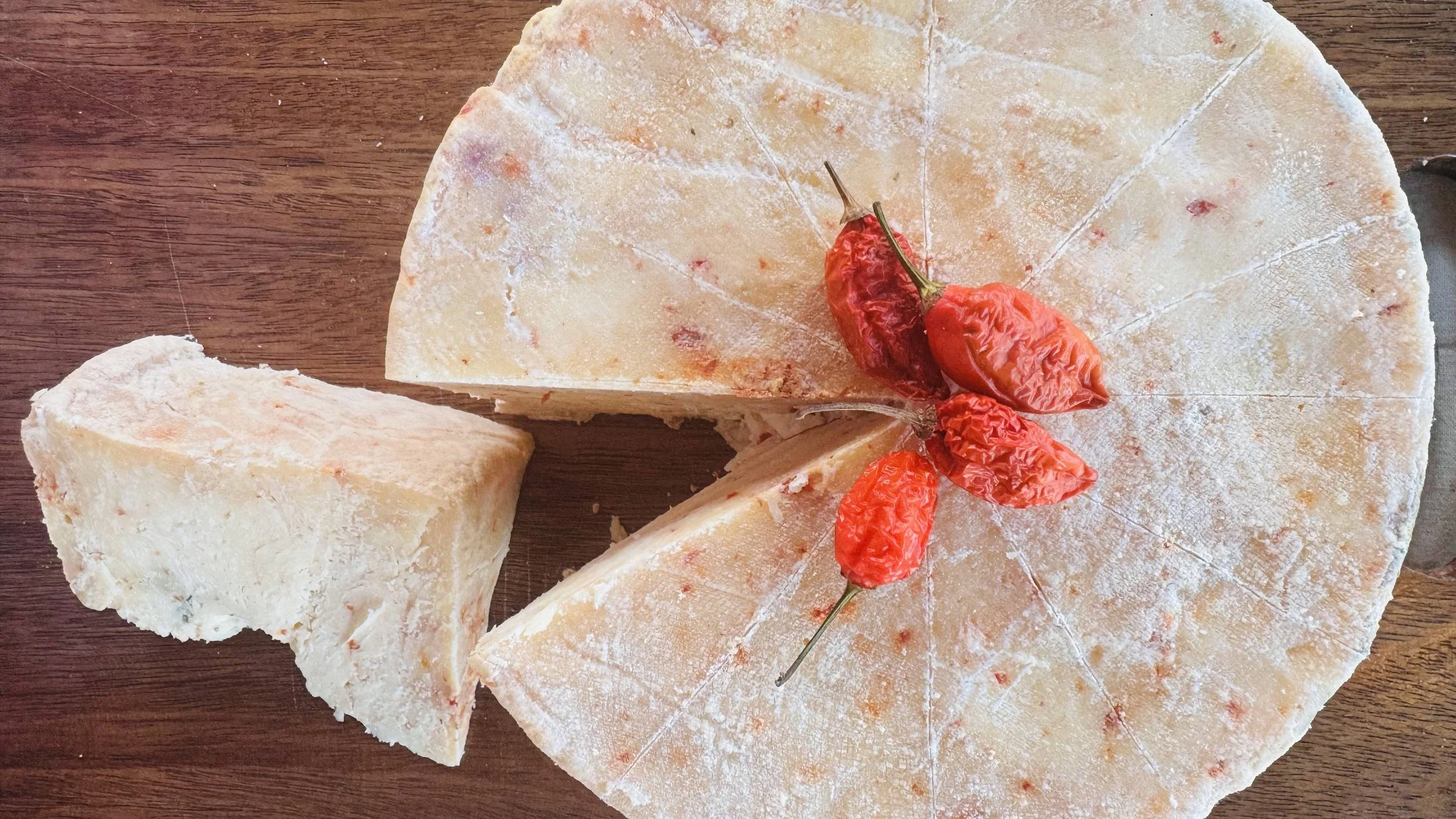
The Queso’s Bhoot Jolokia Cheddar
The Queso was founded in 2023 in Dibrugarh, Assam, by food anthropologist and café owner Abhilasha Singh, who saw an opportunity in the rich milk produced by Assam’s grass-fed cows. She began experimenting with cheesemaking, gradually developing a range of cheeses inspired by regional flavors and traditions.
The company is known for inventive cheeses that blend classical European techniques with Assamese ingredients. Singh points to her Morbier with Khar as the cheese that best captures this approach. “Our Morbier with Khar is probably the most honest reflection of something European but with an Assamese touch.”
While traditional Morbier features a layer of wood ash, The Queso replaces it with khar, an alkaline ash made from burnt banana peels and one of the most elemental ingredients in an Assamese kitchen. Used in dishes from dal to bamboo shoots, khar lends an earthy, slightly bitter mineral note. The semisoft alpine-style cheese is “milky and yielding,” with the khar adding what Singh describes as “something ancient and specific.”
Other cheeses incorporate distinctive Assamese ingredients. The Kaji Lemon Feta showcases the state’s heirloom citrus, kaji lemon, whose fragrance Singh likens to yuzu or makrut lime. “It is central to Assamese cooking in a way that goes beyond seasoning; it is identity,” she says. The Bhoot Jolokia Cheddar highlights Assam’s famous ghost pepper. While known for its heat, Singh points out that “the flavor before the heat arrives is complex and fruity, almost smoky,” with the cheddar’s sharpness providing a perfect counterpoint.
Building reliable cold-chain infrastructure in the Northeast, sourcing consistent grass-fed milk, and introducing consumers to preservative-free, small-batch cheese have all presented challenges. Singh also emphasizes education, using workshops and storytelling “to make people feel included and knowledgeable rather than lectured.”
Singh believes Northeast India’s exceptional milk quality gives the region enormous potential. She sees it becoming “an important source region for the country’s artisanal dairy movement.”
What’s Next for Indian Artisanal Cheese?
Together, these five cheesemakers illustrate how rapidly India’s artisanal cheese scene is evolving. Despite challenges posed by the country’s climate, cold-chain logistics, and distribution, they are expanding what is possible for cheesemaking in India — and shaping a distinctly Indian cheese culture rooted in quality, provenance, and the potential of local milk.