
The Top Cheese Trends of 2026
There is a point at the Summer Fancy Food Show when your palate starts to wave a tiny white flag. You have tasted cheese, dumplings, olive oil, boba tea, fancy soy sauce, chocolate, another cheese, something fermented, something spicy, something “functional,” something that may or may not have been lunch. It is very glamorous and very chaotic and very much a professional endurance sport.
And yet: some cheeses still cut through the noise.
These were the cheeses I kept thinking about later, after the show floor blur had faded. They were delicious and memorable—playful but not gimmicky, beautiful but not hollow, delicate but not boring.
Taken together, they also pointed to a few larger cheese trends: booze-soaked blues and cocktail-inspired wheels, cheeses that are almost absurdly beautiful but still serious, and snackable, everyday cheeses made with real craft and point of view.
Trend 1: The Bar Cart Meets the Cheese Board
I am generally suspicious of cheeses that sound like they were invented in a marketing meeting. But the best booze-infused cheeses I tasted at the show were balanced, thoughtful, deeply pleasurable, and certainly not novelty acts.
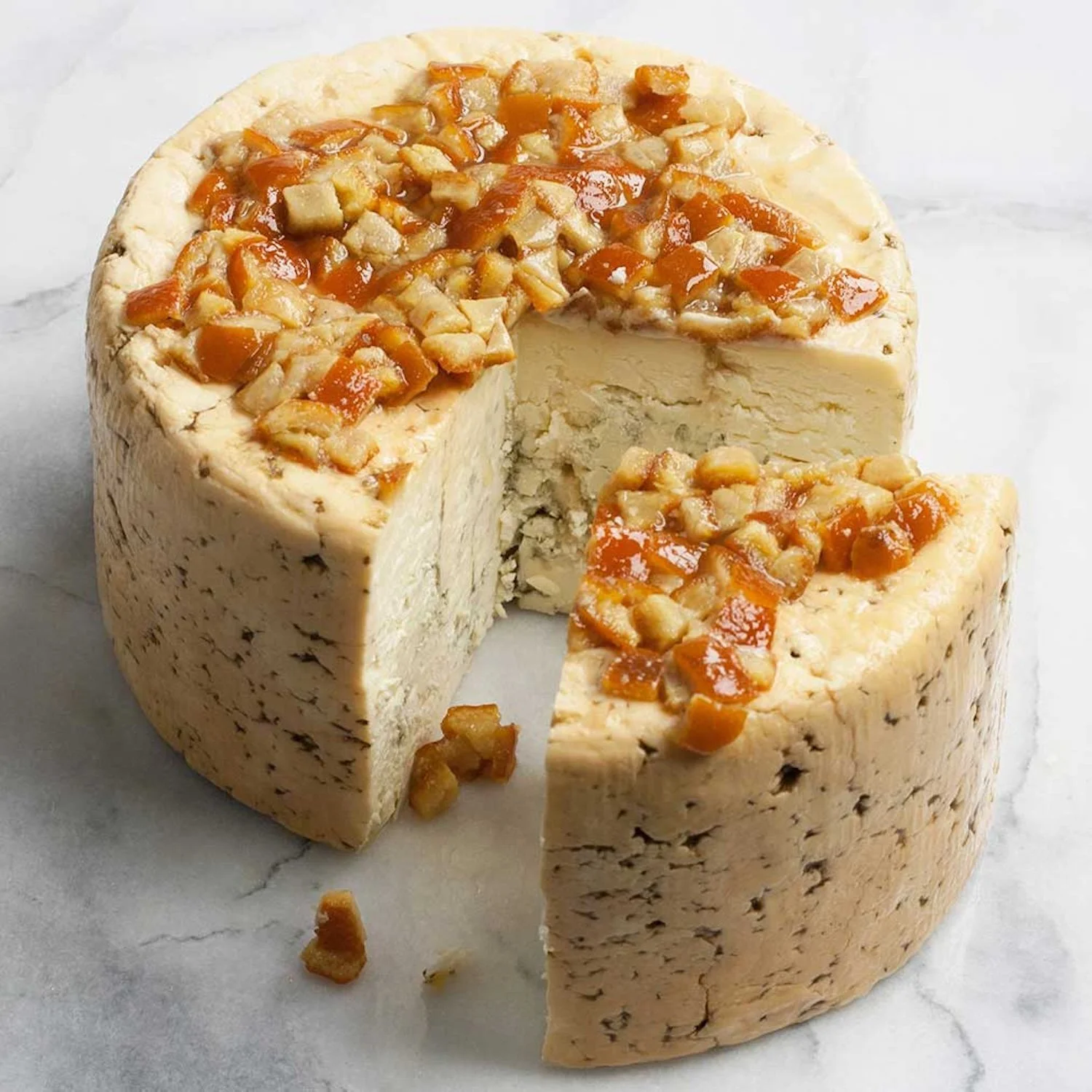
Fior d’Arancio
The standout for me was Fior d’Arancio from Sergio Moro in the Veneto. This is a blue cheese bathed in Fior d’Arancio DOCG, a sweet Moscato-based wine, and it tastes exactly as lush as that sounds: honeyed, floral, full of stone fruit and orange blossom, with the blue veining adding just enough savory bite to keep it from floating away into dessert territory.
It was creamy, perfumed, and a little wild. I wanted it with roasted pears. I wanted it with dark chocolate. I wanted it smeared on a piece of walnut bread with a glass of something cold and sparkling and zero responsibilities.
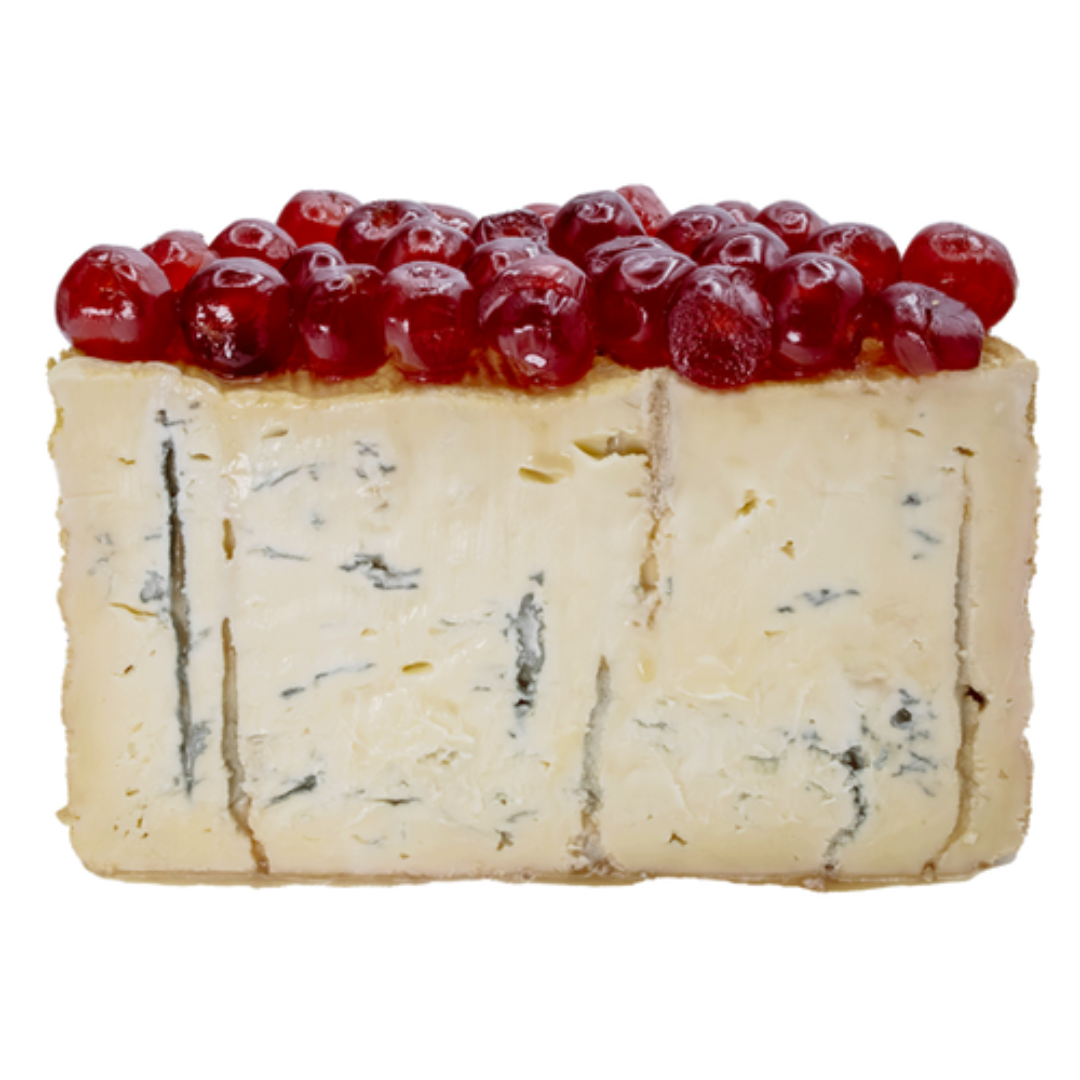
Moro’s Manhattan Blue
Moro’s Manhattan Blue was even more surprising. Inspired by the classic cocktail, it brought together the warmth and depth of whiskey and vermouth with the intensity of blue cheese in a way that should have been too much but wasn’t. Instead, it was strange and sophisticated and oddly elegant, the kind of cheese that makes you pause mid-bite because you’re still trying to figure it out. I mean that as the highest compliment.
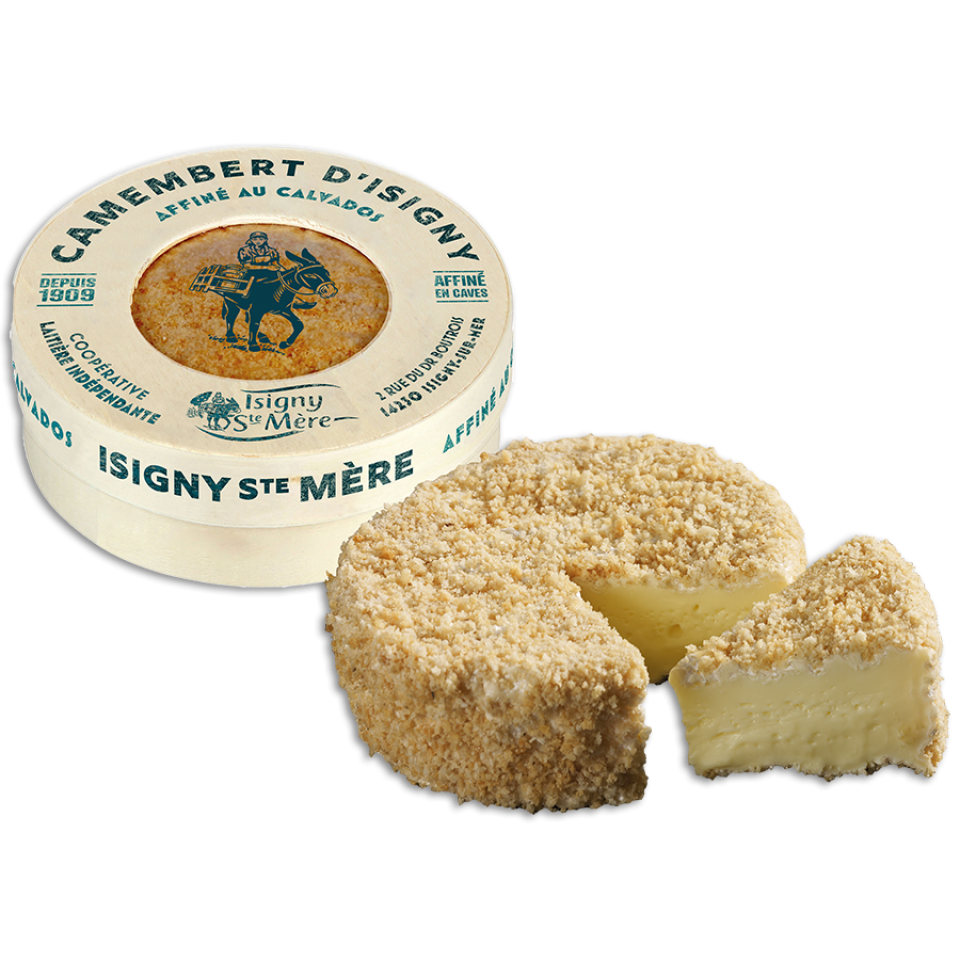
Camembert with Calvados Isigny
There was also Camembert with Calvados and breadcrumbs from Isigny Sainte-Mère, which felt like Normandy having a very good idea, but turns out is a historic method to keep Camembert fresher for longer. The Camembert is immersed in Calvados, then coated in fine breadcrumbs, giving it this wonderful interplay of cream, apple-brandy aroma, and delicate crunch. It felt like an occasion: something to warm very gently, set in the middle of the table, and attack with pieces of bread while everyone gets a little too enthusiastic.
The through line here is not “cheese plus alcohol equals fun,” though, yes, often it does. The better trend is integration. These cheeses used wine or spirits as an ingredient with its own aroma, structure, and mood.
Trend 2: Pretty Cheeses with Actual Depth
Cheese has always been visual. A snow-white bloomy rind, a golden paste, a washed rind glowing like sunset: we eat with our eyes. But some of the most exciting cheeses I tasted leaned hard into beauty without stopping there.
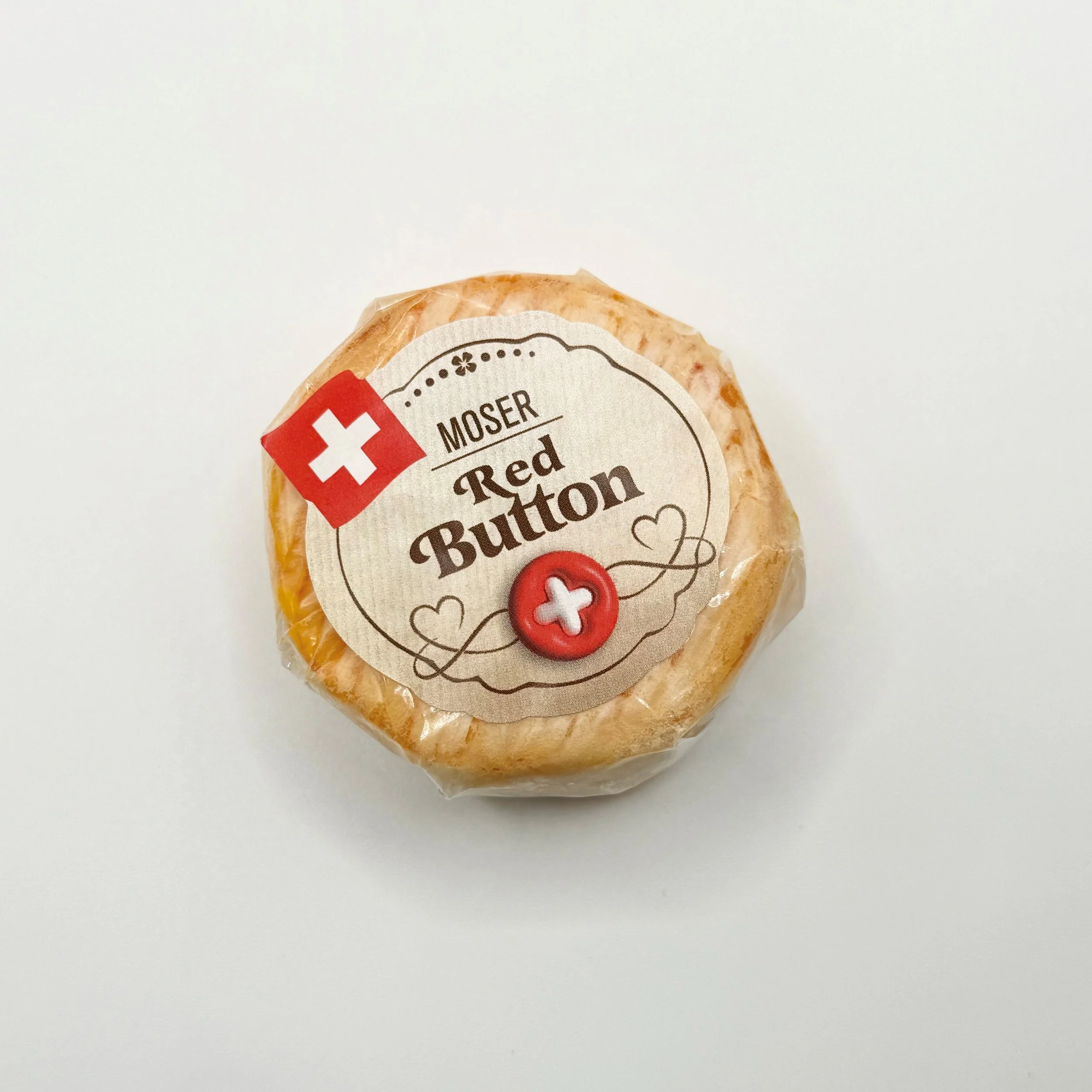
Red Button
Red Button from Moser in Switzerland, also from Forever Cheese, was almost comically charming: a tiny 35-gram soft cheese, glossy and red and adorable enough to make you briefly forget you are an adult professional person. But it wasn’t just cute. It had that full-bodied, fruity, mildly aromatic washed-rind thing going on in miniature, which made it feel both playful and practical. Tiny cheese, big personality.
Then there was Hop Blossom, a new German beauty from the maker of Alp Blossom. If Alp Blossom is the cheese equivalent of a mountain meadow in bloom, Hop Blossom felt like its more savory, grown-up cousin: still gorgeous, still eye-catching, but with a greener, more herbal edge. It had that irresistible “please put me in the center of the board” energy, and the flavor had enough structure to back up the look.
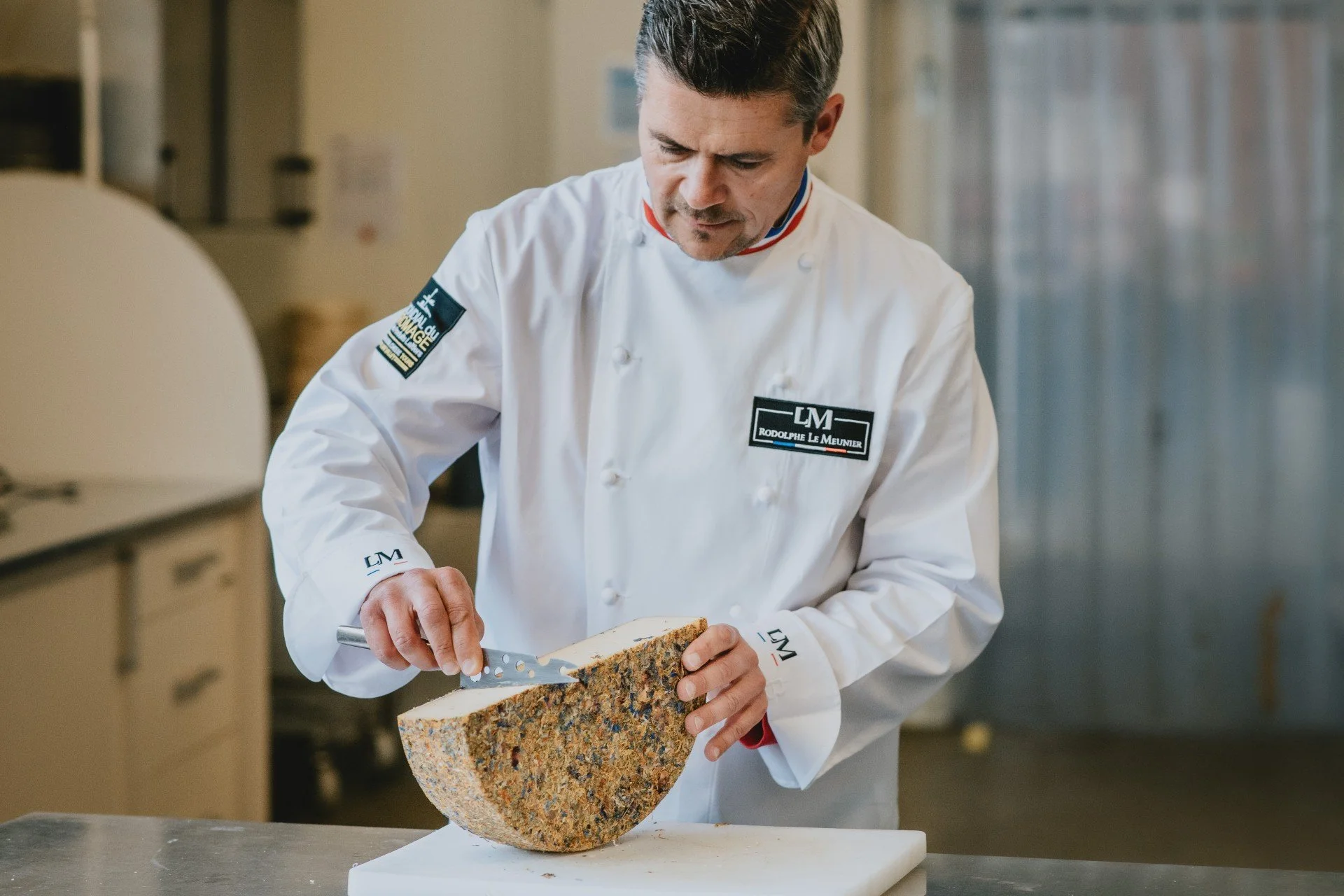
Rodolphe Le Meunier’s Tomme Aux Fleurs
The same was true of Rodolphe Le Meunier’s Tomme Aux Fleurs, which was one of the prettiest cheeses I saw all day and also one of the most layered. The rind is coated in edible flowers, but what made the cheese memorable was not just the botanical confetti effect. It was the way the floral notes lifted the buttery, nutty paste underneath. A bite started creamy, moved into hay and dried petals, then finished with this gentle brown-butter warmth.
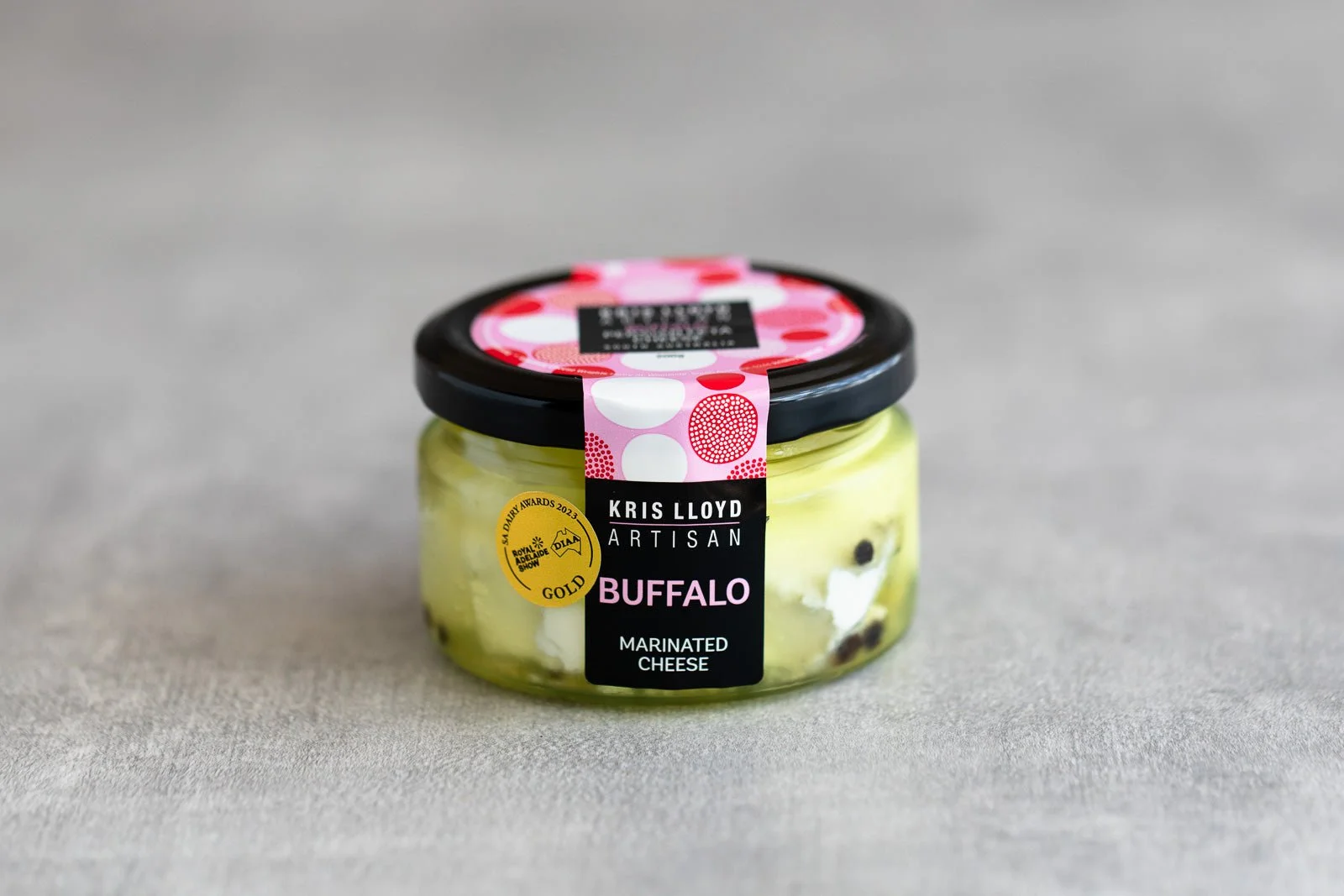
Kris Lloyd Artisan Buffalo Marinated Cheese
And from South Australia, Kris Lloyd’s marinated buffalo milk cheese from Woodside Cheese Wrights brought a different kind of visual pleasure: jars of creamy, marinated buffalo milk cheese that looked ready to become the best part of lunch. Rich, soft, and luxurious, the cheese had the kind of texture that makes you immediately start planning what to put it on: toast, tomatoes, roasted vegetables, a spoon. It felt generous and sunlit.
Trend 3: Snackable, Gentle, Yet Still Special
Not every memorable cheese needs to make a dramatic entrance. Some of the cheeses I loved most were quieter: fresh, soft, milky, and almost dangerously easy to keep eating.
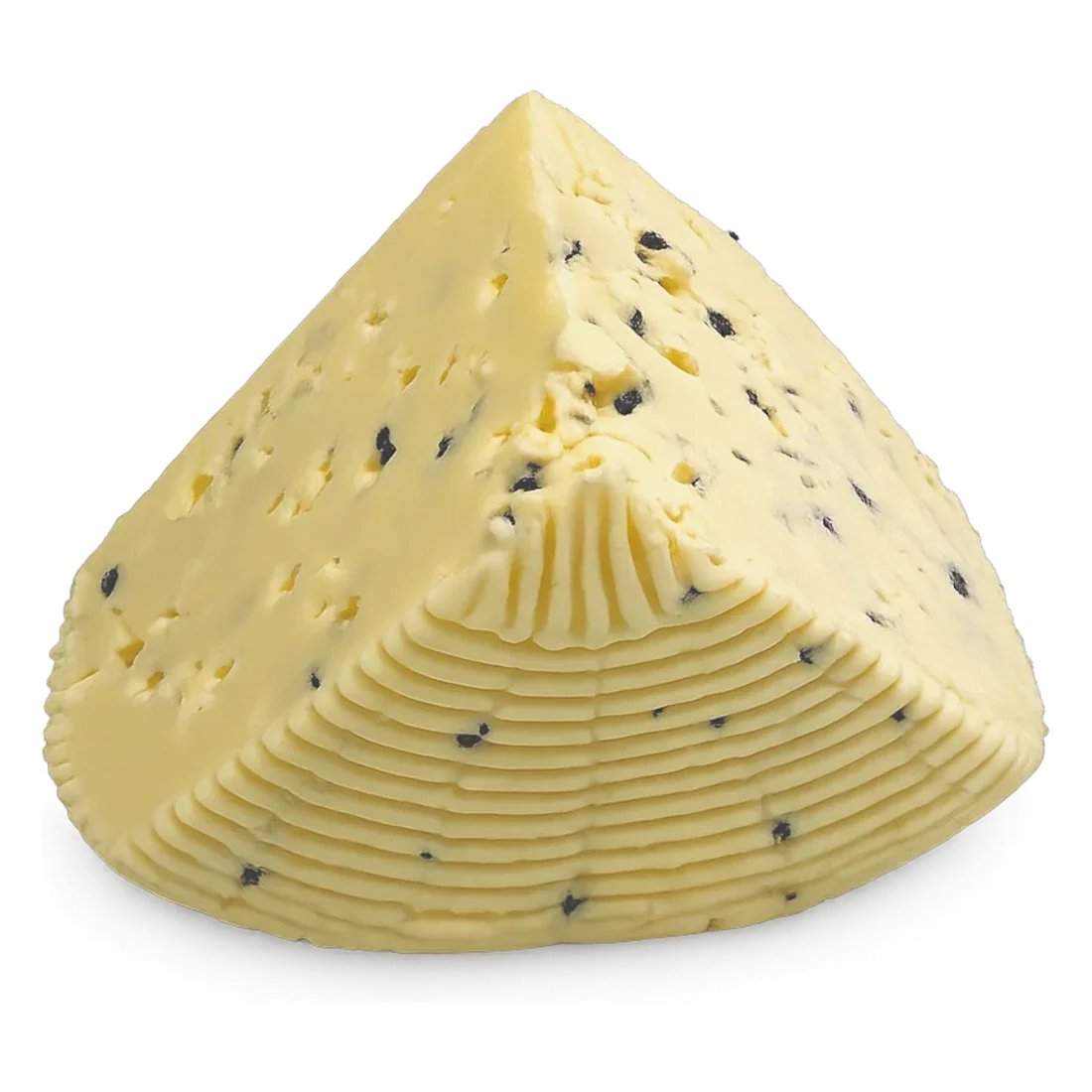
Perrystead Dairy Daybreak Black seed photo credit Perrystead Dairy
Perrystead’s new Daybreak may have been the cheese I most wanted to take home. It is a fresh basket cheese made in Philadelphia, springy and gently tangy, with light salinity that builds as you eat. I tasted it and immediately thought: breakfast cheese. Lunch cheese. Standing-at-the-counter cheese. Cheese for salads, eggs, toast, snacks, maybe a midnight forkful while pretending you are “just checking” the fridge.
It had that rare combination of being simple and completely satisfying. The plain version was lovely; the blackseed version, with nigella seeds, added crunch and savory onion-thyme notes that made the cheese feel even more snackable.
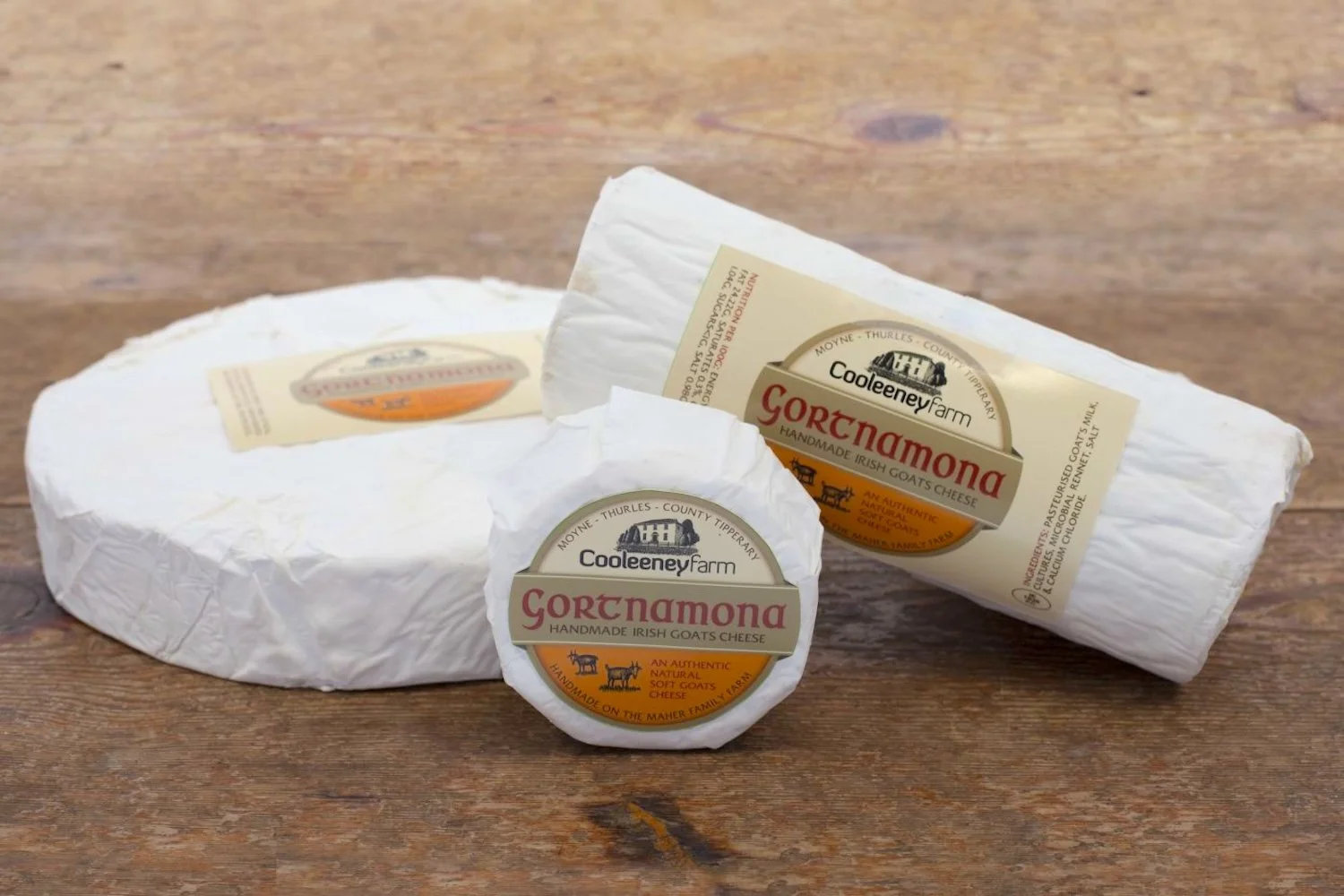
Gortnamana, a farmstead goat’s milk cheese from Cooleeney Farm
Ireland’s Gortnamana, a farmstead goat’s milk cheese from Cooleeney Farm, belonged in this gentler camp too. It was lusciously creamy and graceful, with enough brightness to feel alive but not so much tang that it dominated the palate.
And then there was the mysterious Belgian blue — the folks at World’s Best Cheese said they had no idea what it was called — that stopped me completely. It had the creamy decadence of Gorgonzola and the spicy, savory satisfaction of Stilton. It was rich and assertive but not punishing, less like a flavor and more like a mood. Soul-level satisfying. I need to confirm the producer, but I know this: I would very happily meet that cheese again.
What ties these cheeses together is not mildness, exactly. It is usefullness. They are cheeses you can imagine actually living with, not just admiring once at a tasting. They have enough charm for a cheese board and enough ease for everyday eating, which may be the sweetest spot of all.