
7 Cheeses That Are Hard to Pronounce
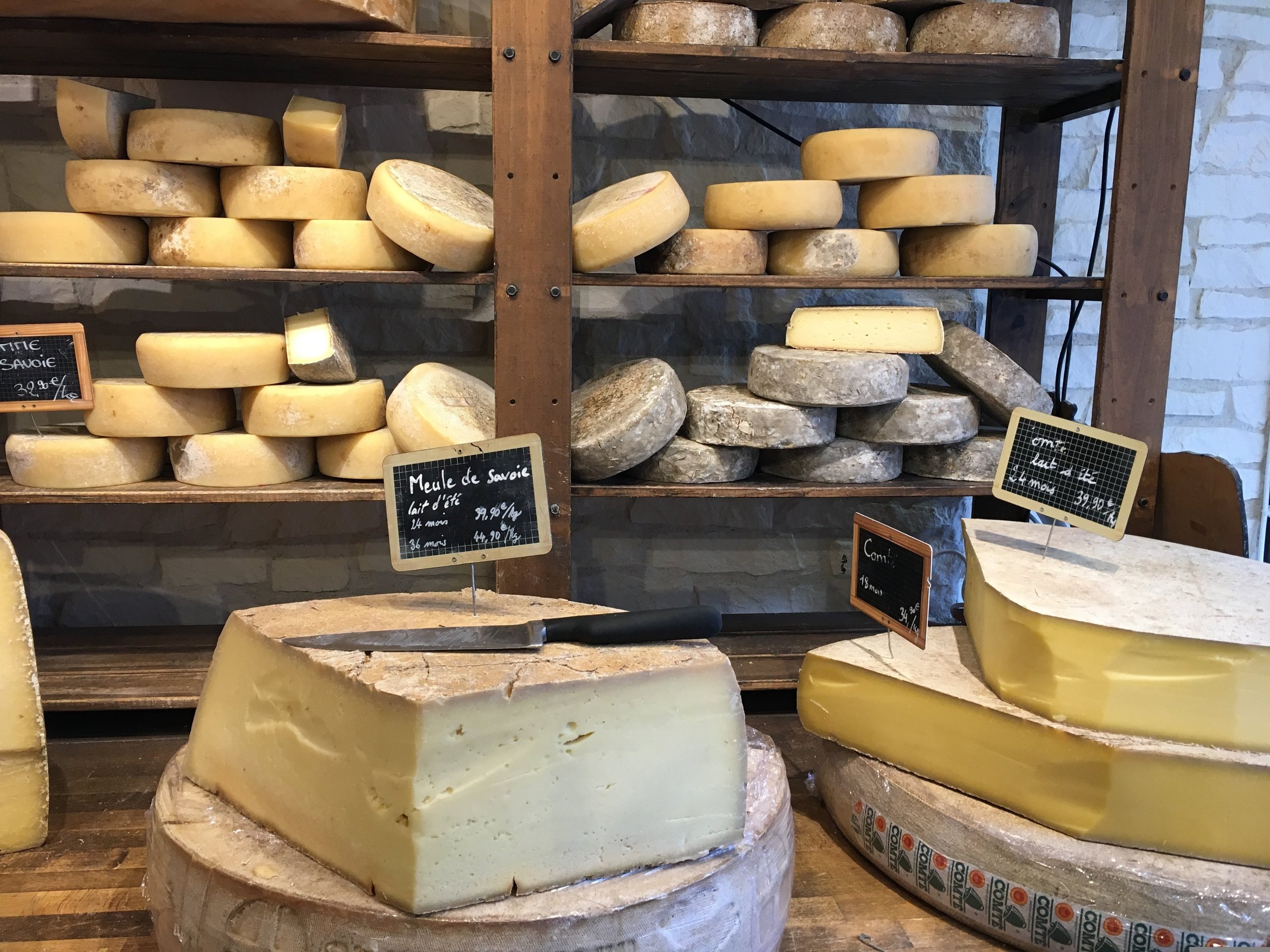
Hard to pronounce cheeses
The world’s most famous cheeses come from, well, all over the world, so it’s no wonder that sometimes their correct pronunciation comes into question, unless you have mastered at least half a dozen or more languages. The United Kingdom-based cheese retailer Cheese Hamper recently collated a list of what are ostensibly the hardest-to-pronounce cheeses, using keyword searches as a basis for determining which cheeses people are most often asking Google how to say correctly.
Cheeses That Are Often Mispronounced
That list includes mainly consumer-friendly cheeses that are easy to find such as gouda, mascarpone, and Roquefort, among others; common cheeses that can admittedly throw even savvy cheese consumers for a pronunciation loop. Most cheese people, though, are at least aware that the correct pronunciation of gouda isn’t anywhere near how we’ve normalized saying it in the U.S. and other English-speaking countries; that is, “HOW-duh,” not “GOO-duh.” Even my sincere attempts at mimicking the correct pronunciation of gouda for a native Dutch speaker still resulted in much hilarity on his behalf, however — English-speaking throats are apparently woefully untrained for the depth needed to get the correct guttural attack on that first syllable, so it’s understandable that the Dutch crowd-pleaser tops Cheese Hamper’s list of the most unpronounceable cheeses.
That cheeses such as Cheddar and Brie are also on that list, though, just goes to show that there’s a self-consciousness which often accompanies things that have an international name; even if the pronunciation seems obvious, people don’t want to get it wrong.
Pronouncing Like a Local
Whether you’re buying in the U.S. or abroad also factors into consumers’ hesitancy with correct cheese pronunciation. “Certain sounds [in other languages] do not exist in English,” says Jean-Louis Carbonnier, a communications specialist who works with the Comté Cheese Association, “so English speakers have two options, either pronouncing certain cheeses the English way, or attempting the local pronunciation, which may appear pretentious, or worse, unintelligible to others,” he says, “creating an unnecessary obstacle between the buyer and the cheese.”
Those who seek out a wide selection of cheeses also know that the hardest-to-pronounce cheeses go way beyond the ones most consumers are asking Google about. With no offense to Gruyère, camembert, and parmesan, there are many cheeses from those same countries of origin which are a much bigger mouthful to try to say correctly: either because they rely on vowel combinations or sounds not typically found in the English language, seem to be composed entirely of consonants, give a false sense of assurance that their simple spelling equates to a simple pronunciation, or just have too many dang syllables to try to muster through without giving up halfway.
Here are seven cheeses that are actually challenging to pronounce, and how to say them, using specific language pronunciation guides, etymological clues, and guidance from native speakers.
Gorwydd Caerphilly (GORE-with, care-FIH-lee)
Now here’s a cheese that actually gives even cheese people a moment of pause, unless you happen to have a practical understanding of Welsh. Caerphilly (emphases on the second syllable) is a crumbly, mild, and tangy Welsh cheese named after its place of origin, much like Cheddar, though it is now mainly produced in England after its production dropped off in Wales during the second World War.
Gorwydd Caerphilly, made near Bristol by Trethowan Brothers Dairy, is one you are most likely to find in the U.S.; Gorwydd refers to the name of the Welsh family farm where their family cheesemaking operation began.
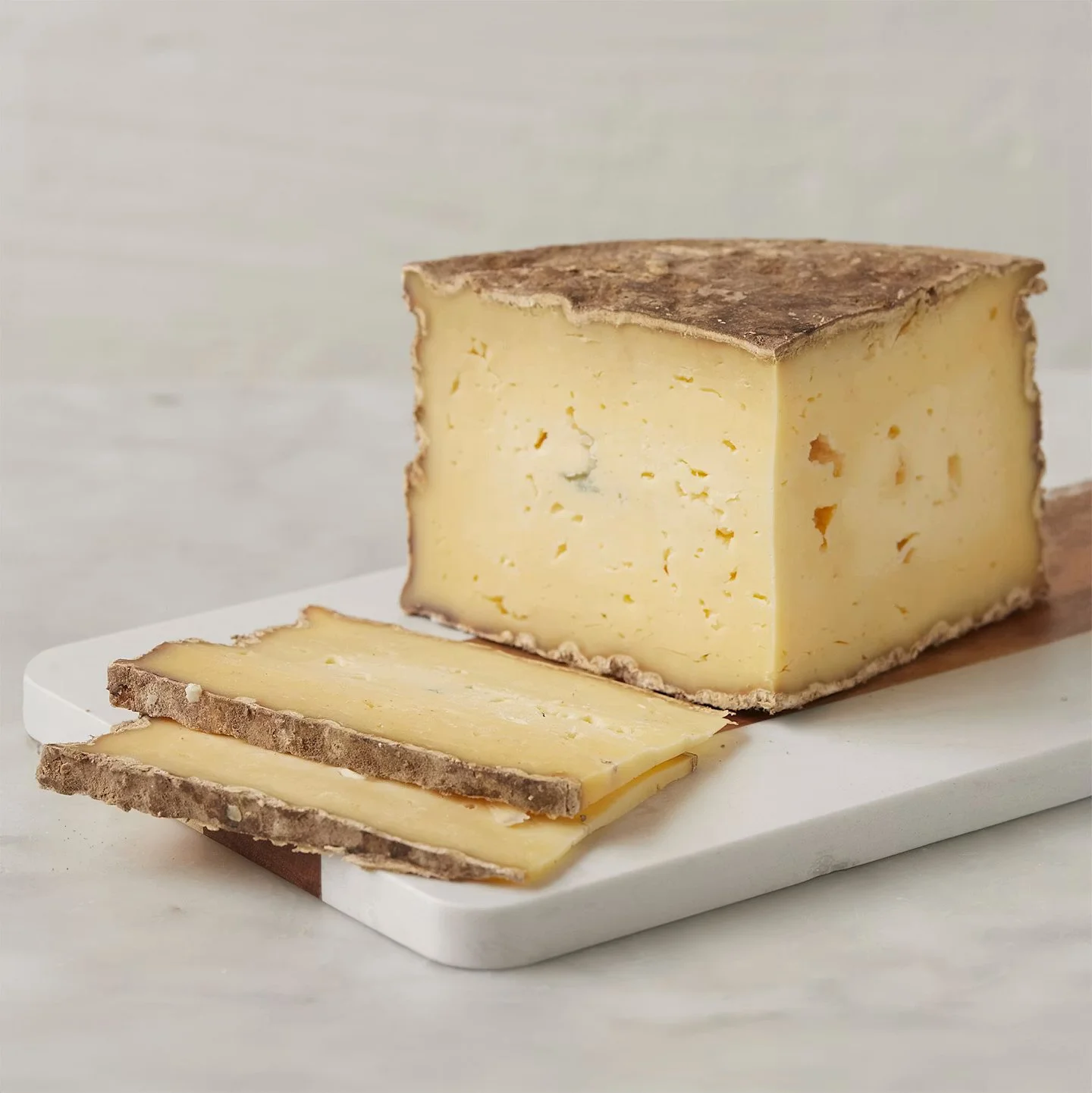
Gorwydd Caerphilly
Welsh famously has a number of consonant combinations not typically seen in many other languages, but are easy enough to say once you know their rules. “So long as you get the double-d as ‘th’, that’s the key,” says Ben Ticehurst, Dairy Manager for Trethowan Brothers. Treating the y like the vowel it sometimes is in English, “wydd” is pronounced just like “with,” suddenly making “Gorwydd” entirely digestible. Otherwise, he also cautions against turning Caerphilly into “carefully,” as the correct emphasis again belongs on the second syllable. “The Welsh have a wonderfully lyrical way of speaking it,” he says, so for bonus pronunciation points, put a little flip on the r in both words.
Hoch Ybrig (hoke EE-brikh)
Swiss mountain cheeses typically either have a French-sounding name, as in Vacherin, or a German-sounding one, as in Appenzeller, as the region around the Swiss alps is multi-lingual, with those two languages leading the pack. English is actually a Germanic language at its root, making cheeses with German pedigree a little easier to muster through, at least in theory, even if the German accent isn’t always entirely natural for native English speakers.
But then there’s Hoch Ybrig, which kind of bends the norm when it comes to letter combinations that we might inherently understand what to do with. Named after a certain mountain (in the Canton of Schwyz, which also…checks notes…has a lot of consonants) Hoch Ybrig is a variation on the Swiss mountain cheese form, produced by Swiss affineur Rolf Beeler as a smaller, younger wheel with cider in the wash for a touch of sweetness.
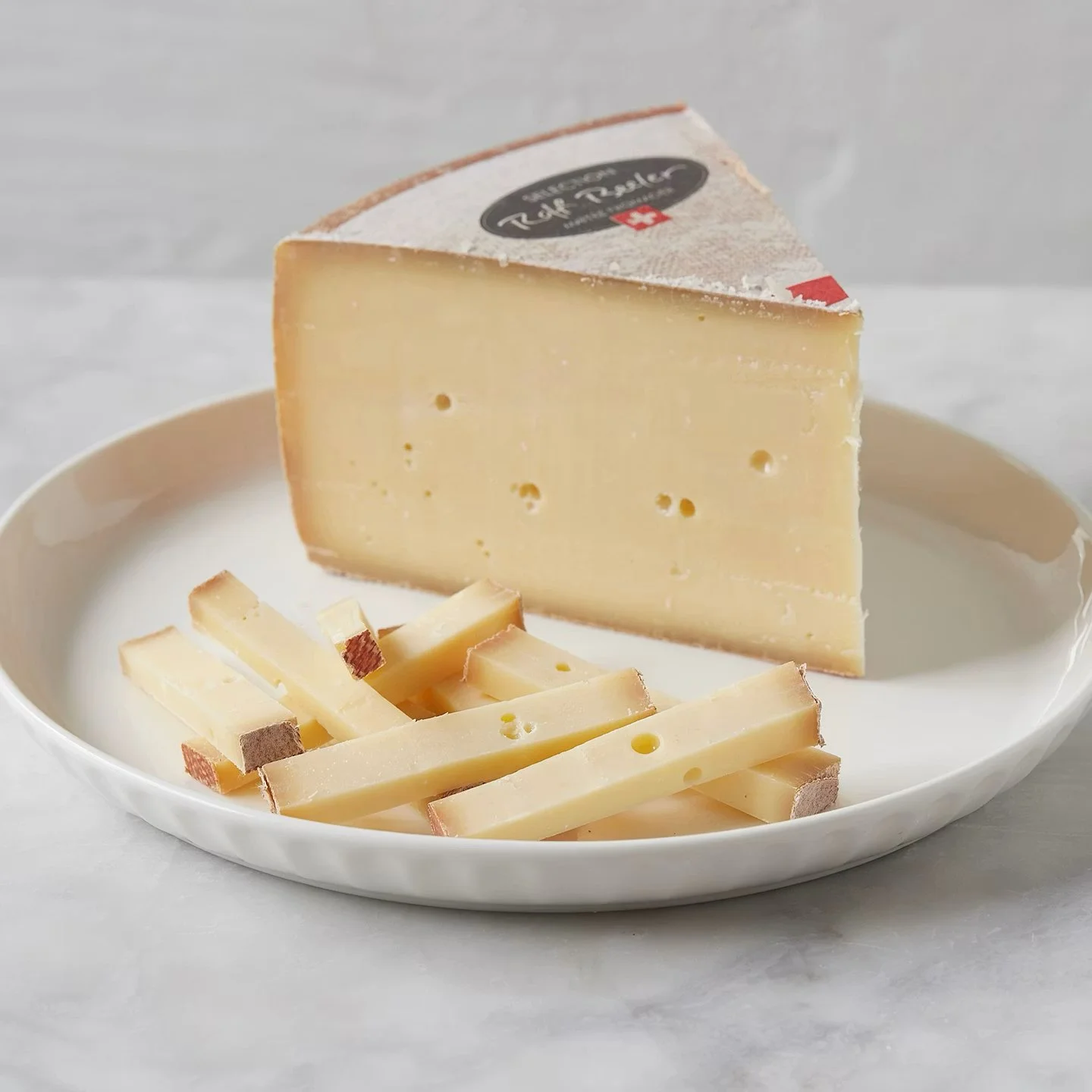
Hoch Ybrig
While the pronunciation takes a little bit of care, it is not too difficult to manage with practice. Hoch, meaning “high,” is pronounced like “hoke,” with a little aspiration on the hard k sound at the end. Ybrig refers to the region; the y becomes an “ee” sound, and “brig” is almost phonetically what you’d expect, with just a slightly harder landing on the g, almost like the “k” sound at the end of Hoch.
Comté (cohn-tay)
You might not have been expecting to see this one on the list, but French favorite Comté lures us all into a false sense of security with its mere five letters. Chances are good, though, if you think that m has any real place in the actual sound of the word, that you’ve been pronouncing it incorrectly. “The rule for nasal vowels in French is that you never pronounce the m or n that makes them nasal,” explains Emily Monaco, Paris-based cheese educator and writer behind The Realfishwives of Paris and Emily in France. “The m (or n, as the case may be) is meant to signal ‘Hey, look out! That's a nasal vowel right there!’” Other French examples involving nasal vowels include “vin” (wine) and “blanc” (white.) In Comté, the m almost becomes an n sound, but that’s only a factor of closing off the nasal vowel in the mouth before hitting the t.
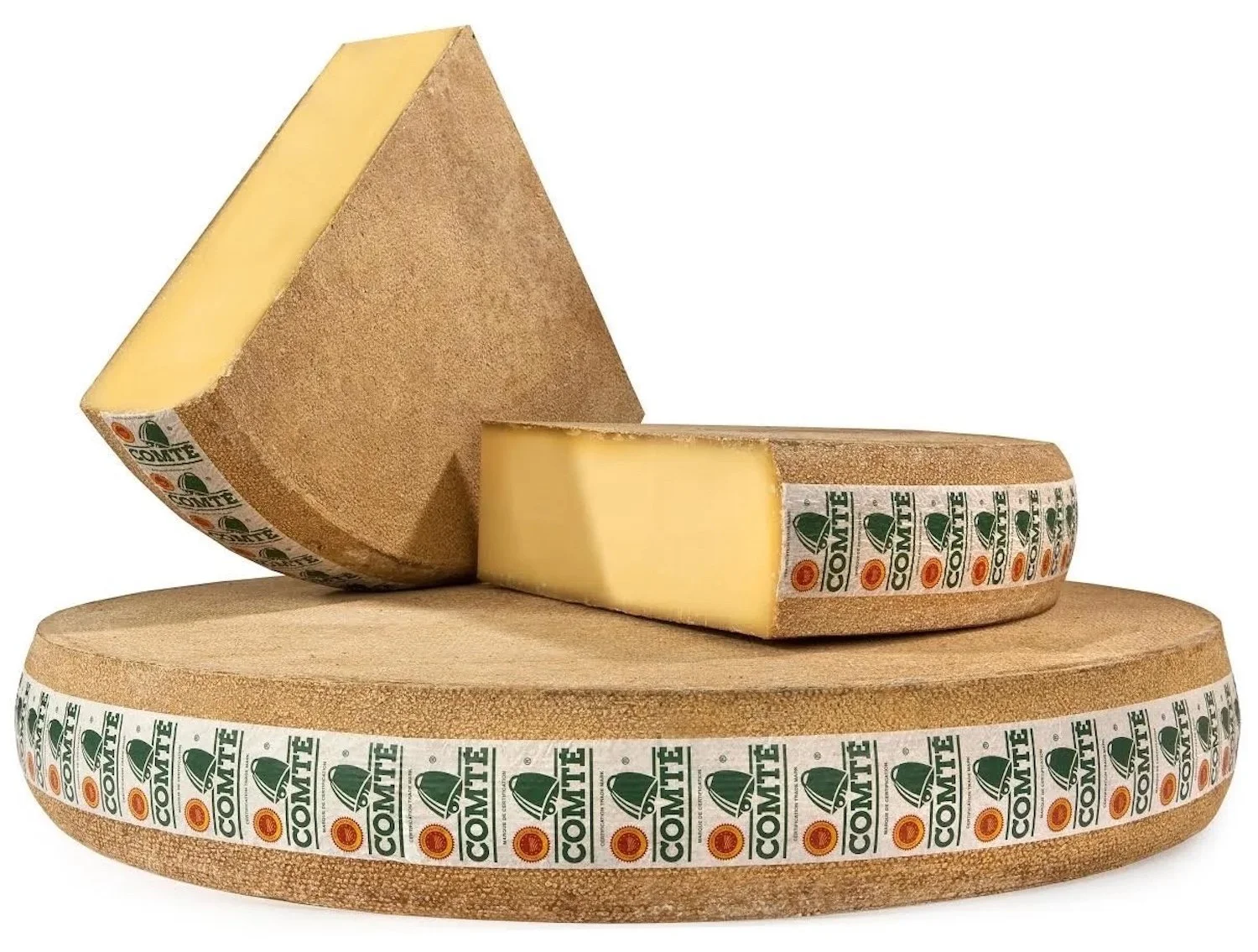
Otherwise, that accent on the e (accent aigu if you’re nerdy) specifically changes the pronunciation of the letter e to “ay,” and in doing so, gives a little extra weight to that second syllable, making both syllables of equal weight in the pronunciation.
Crémeux de Bourgogne (KHRAY-mouh douh BURE-gohn)
Right. Where Comté might just be a case of a simple mispronunciation that’s easy enough to correct, France has many other cheeses whose pronunciation does seem to require different muscle development in the mouth. Even as someone who studied foreign language diction and linguistics as a singer in college, I struggled to even spell how this might accurately be pronounced. (Without the International Phonetic Alphabet, which is a thing that people who care about pronunciation cling to.) But let’s have a go at it.
Meaning “creamy from Burgundy,” Crémeux de Bourgogne is easy at least to understand — a triple cream, bloomy rind cheese of a particular geographical origin — and has variants that are marginally easier to pronounce such as Brillat Savarin and Délice de Bourgogne.
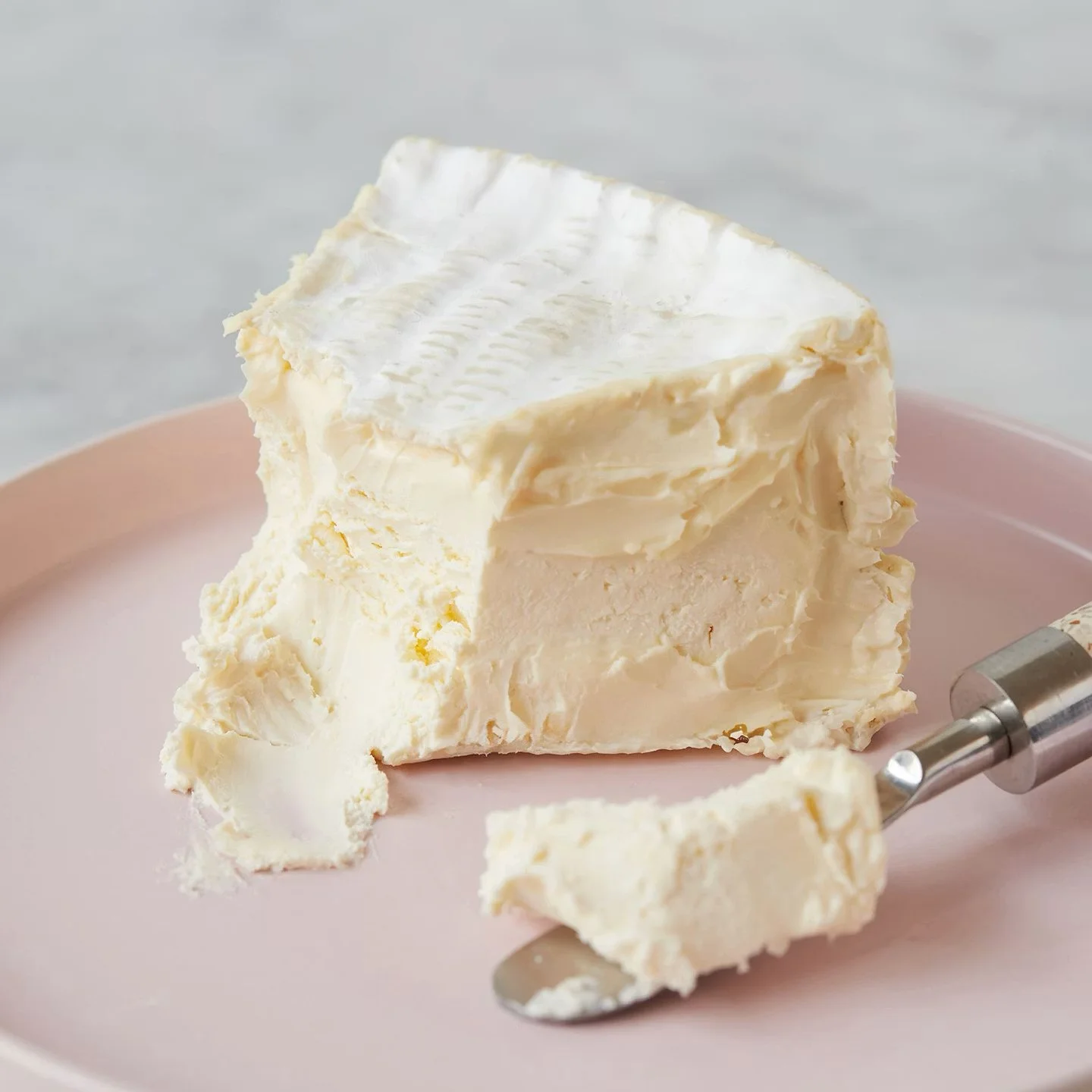
Cremeux de Bourgogne
As for its pronunciation, buckle up. The “cré” bit of Crémeux is much like the sound “cray,” as in, “you’d be cray not to love this cheese,” but if you’re feeling really French about it, you also need to give it a hard guttural attack. “Eux” in French neither equates to “uh” nor “ooh” nor “you,” but kind of a lazy hybrid of the first two: mostly an “uh” that has been haunted by an “ooh.” (“Kind of like the double-o in ‘took’ or ‘look,’” advises Monaco.) The French “de” more or less has the same vowel sound. The “bour” of “Bourgogne” rhymes with “lure,” then “gogne” rhymes with “own.” (It would be really handy to just write that out as “gown,” but that’s obviously not an equivalent rhyme in English. Phonics are fun!) And just in case you’re not exhausted by this narrative, there’s also a little bit of a hard glottal on the opening g in “gogne,” and you kind of have to breathe a little h into the word for the true French effect.
Caciocavallo (CAH-cho-cah-VAHL-lo)
Italian is a mercifully syllabic language, with not a lot of silent letters or nasal vowels tripping you up. Etymology is useful here: split into its two component words, this 12-letter, 5-syllable number becomes a lot easier to manage, with “cacio,” meaning cheese, and “cavallo,” meaning horse. It looks intimidating, but it’s not such a mouthful, especially after the mental and oral calisthenics required for Crémeux de Bourgogne, above.
This Italian “horse cheese” does not actually involve horses, of course. Similar in style to provolone, the defining characteristic of caciocavallo is that it is hung to dry in such a way as to cause it to resemble saddlebags. “Cheese on horseback” is a little more poetic and accurate in its description, even if it’s not a direct translation.
There are perhaps three things to know about Italian to be successful here. First, “ci” always results in a “ch” sound. Resist the urge to make “cacio” into three syllables, however. It’s not “CAH-chee-oh,” but simply “CAH-cho.”
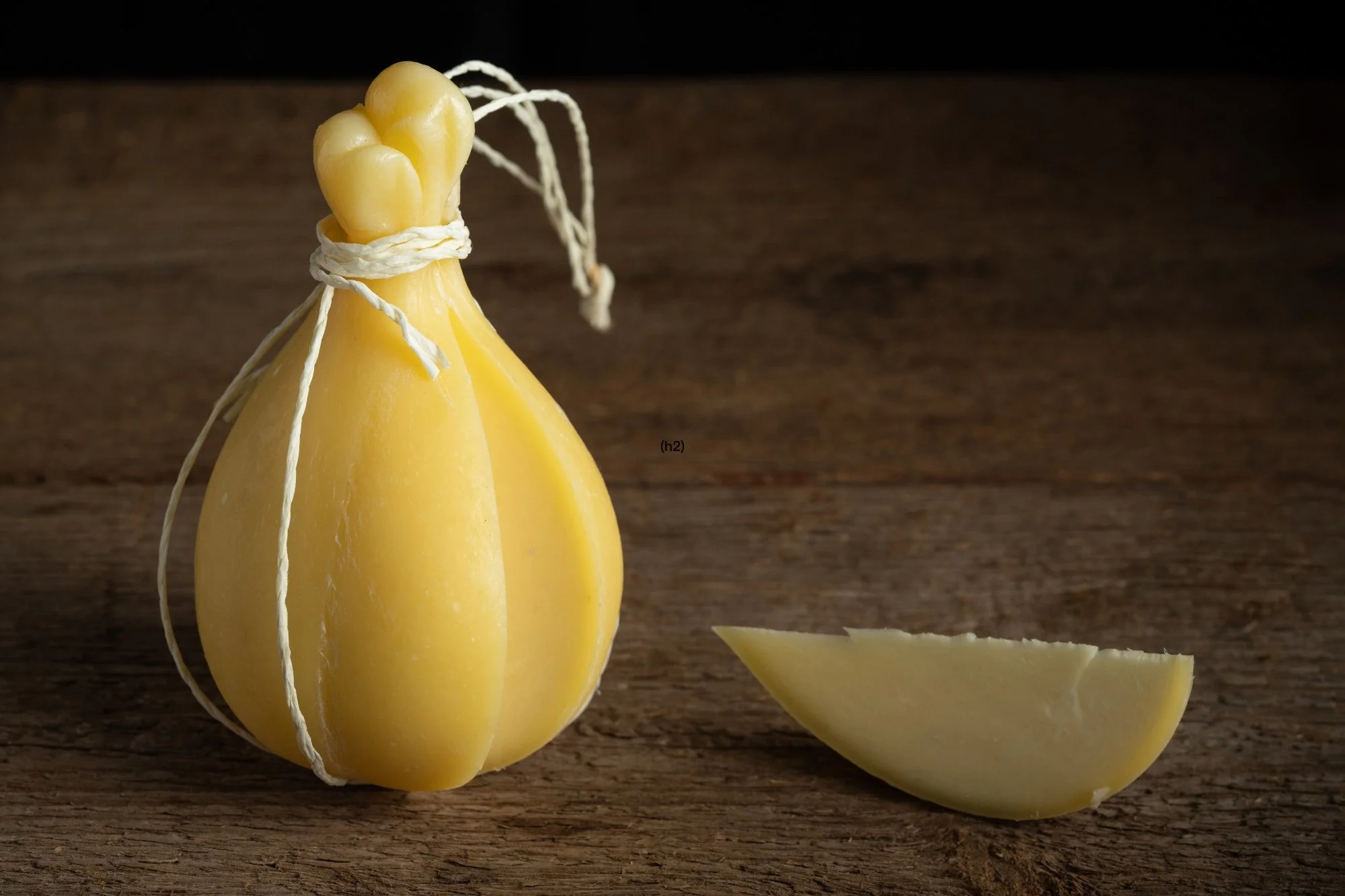
Caciocavallo
Second, an Italian double-l doesn’t function as it would in Spanish, but we know this, right? Because arguably the most famous Italian cheese also has a double-l to guide us: mozzarella. For bonus points, whenever a consonant is doubled in the Italian language, you kind of give a little stop on it. Consider another familiar Italian word: pizza. We don’t actually pronounce it as “PEEZ-uh” or “PIZZ-uh,” but “PEET-sah.” Notice how your tongue halts on the roof of your mouth at the end of the first syllable.
The sum of all these parts then, is not actually so hard to say: CAH-cho-cah-VAHL-lo.
Fontina Val d’Aosta (fawn-TEE-nuh vahl dah-OH-stuh)
Admittedly, this is a cheese whose pronunciation I personally struggle with, despite my 850+ day Italian streak on Duolingo, and even though “fontina” by itself is not likely to give anyone such a hard time. No, it’s that “Aosta” involves a remarkably challenging diphthong, which may sound salacious, but simply refers to side-by-side vowels whose pronunciation can require a little mouth gymnastics. (The word “out” is a simpler example of a diphthong: even though it’s only one syllable, the mouth glides through an “ah” and and “ooh” in order to produce an “ou.”)
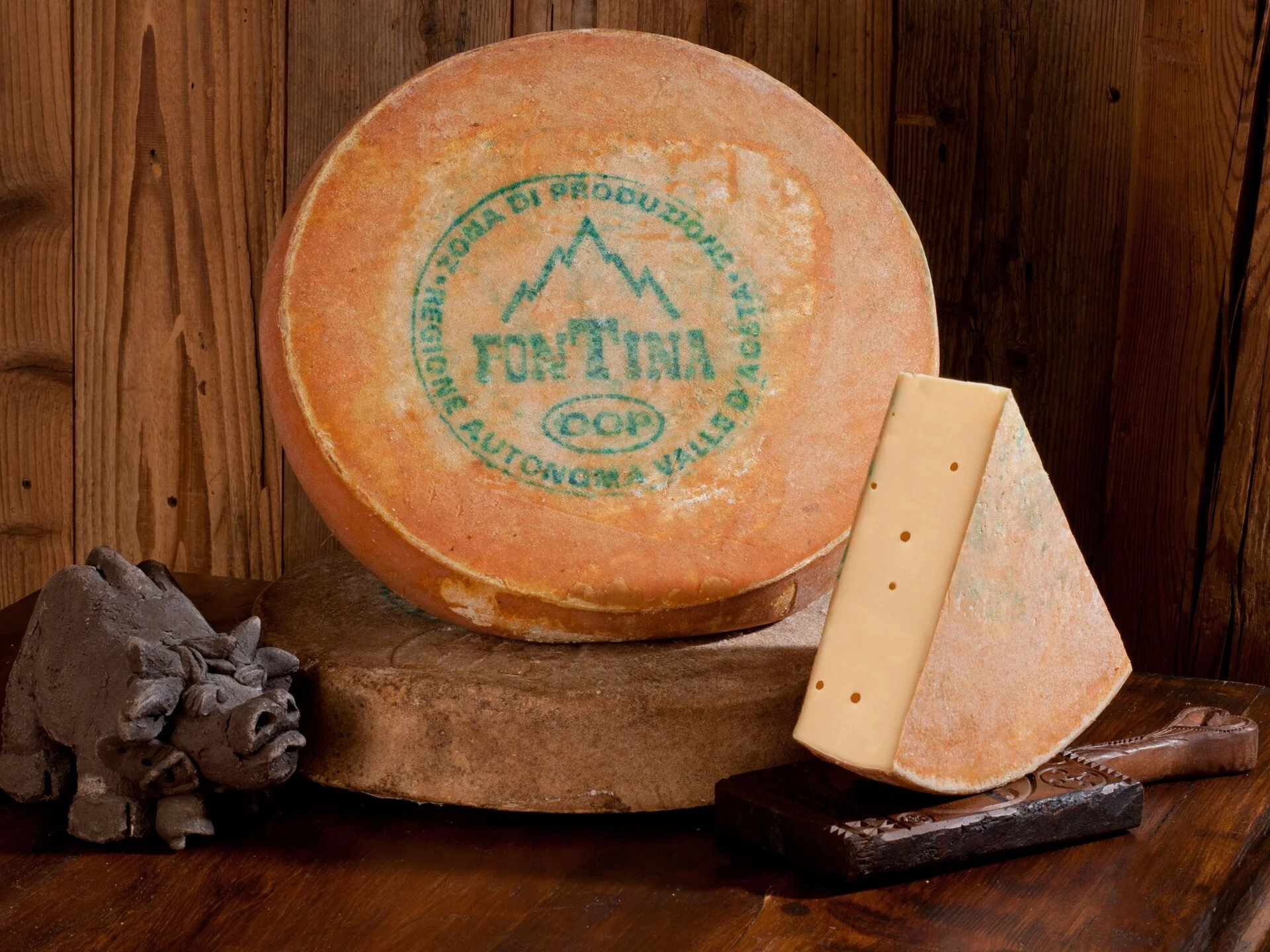
Fontina Val d’Aosta
An Italian Alp melter, the word “fontina” is a nod to its meltability, and Val d’Aosta refers to its origin, coming from the Valley of Aosta. The challenge is keeping the first vowel sound short and the second long, without a glottal attack on the “oh.” Here you must resist two common mispronunciations: neither “ay-OH-stuh” or “eye-OH-stuh” is correct, but “ah-OH-stuh.”
Idiazábal (ee-dee-ah-THAH-ball)
If you’re fluent in the Basque language then you can go ahead and skip this one. Nobody? Alright then. The cheese here may be a familiar one: a raw, sheep’s milk Basque cheese with DOP status that sometimes has a whiff of smoke. Its cousin, Ossau-Iraty, is somewhat similar in nature, and is a little easier on the eyes when you take it in and attempt to say it.
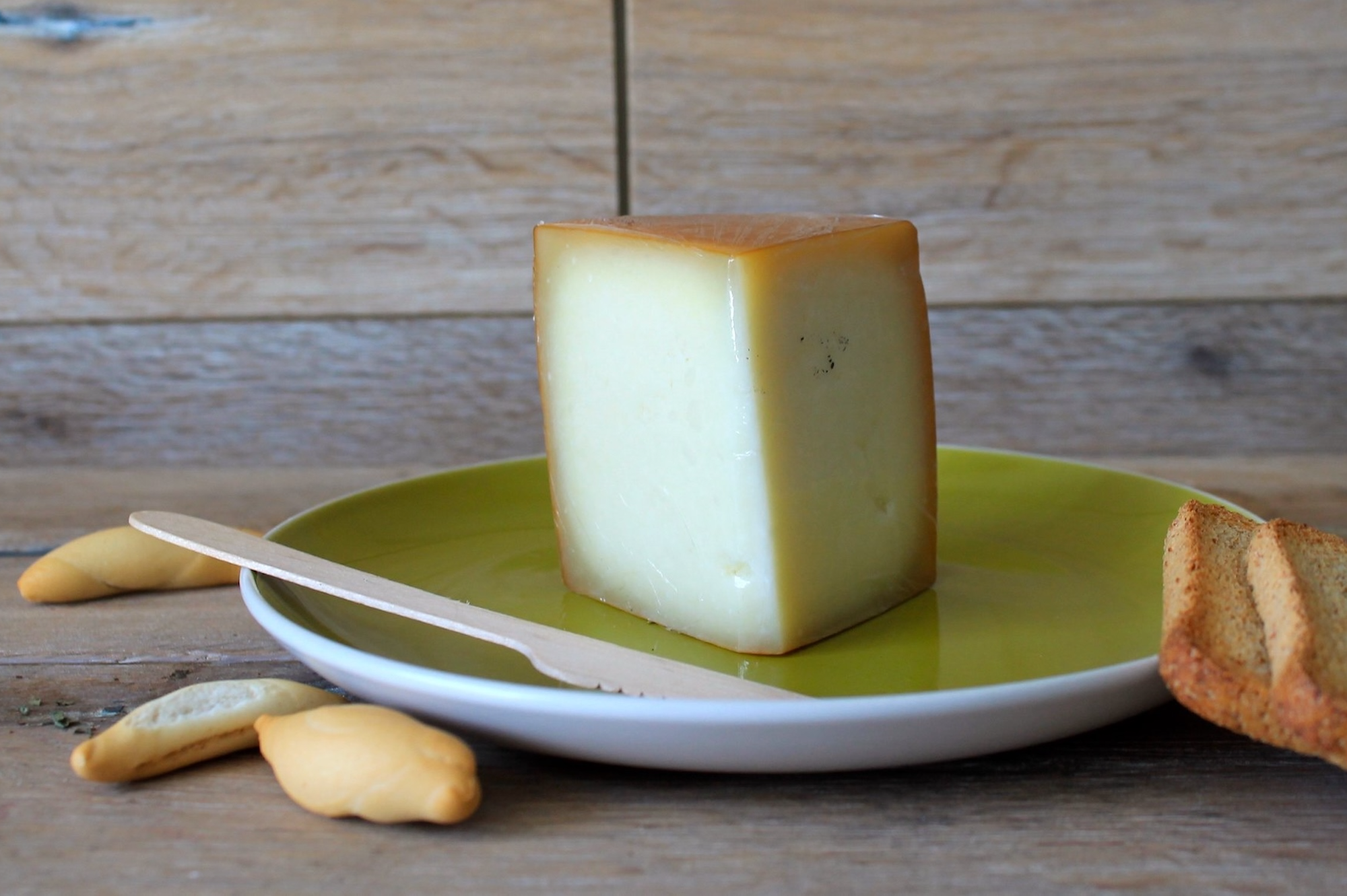
Idiazabal
While mostly syllabic in nature, the tendency here is to want to put the stress on the “ah” in the middle of the word, as in “ee-dee-AH-zah-ball,” which has a lilt that feels familiar for a word with five syllables. However the accent specifically tells us to do otherwise, putting the emphasis on the penultimate syllable. (One of its importers, Forever Cheese, gives a handy pronunciation guide on its website, which I have co-opted for this.) And while we’re there on that second-to-last syllable, the z in Basque is given a slight, lisping s treatment, for the correct degree of authenticity when you next ask for it.