
What Makes String Cheese Stringy?
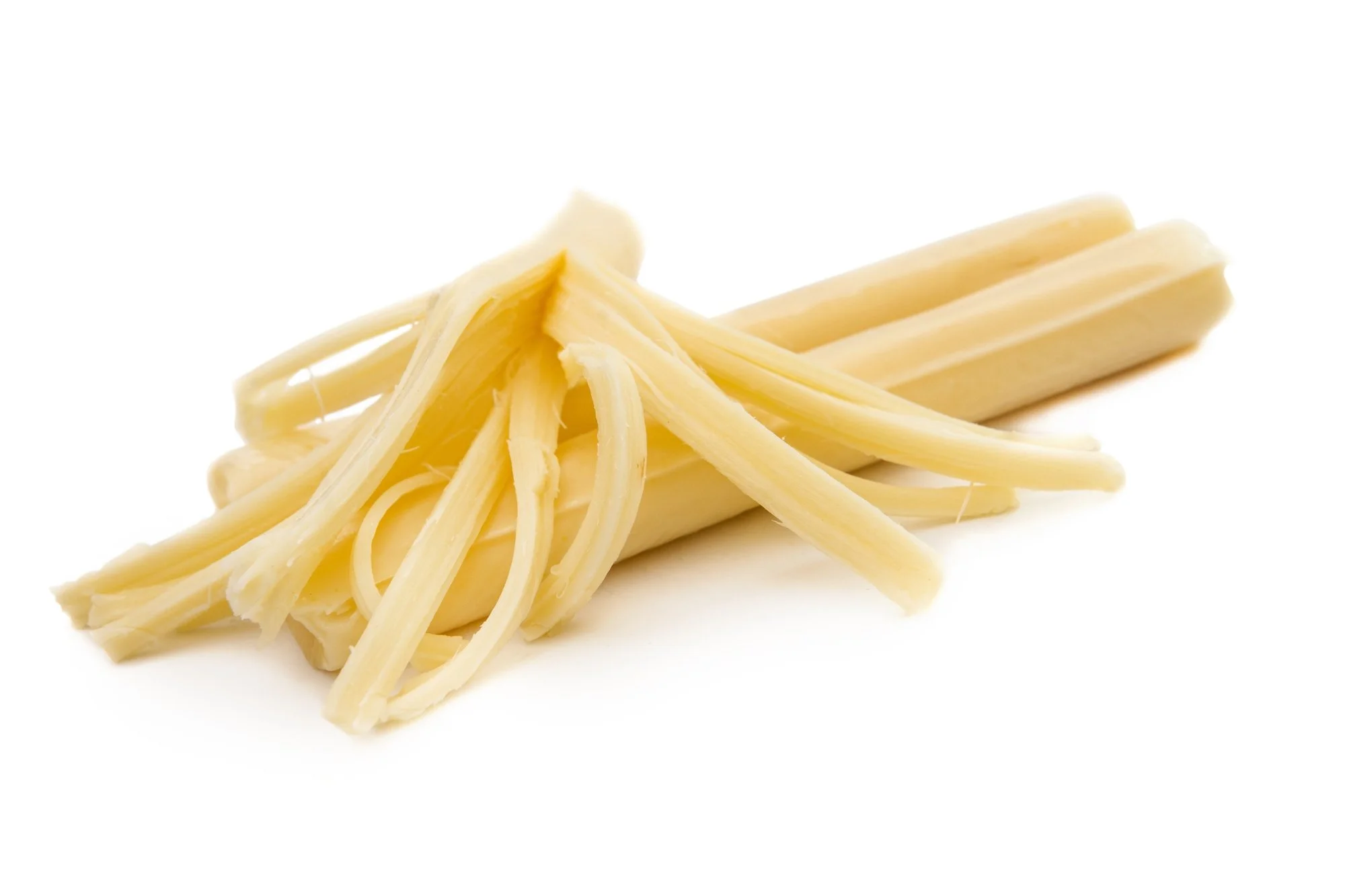
String cheese
When Crave Brothers Farmstead Cheese launched in Waterloo, Wis., string cheese was not part of the business plan, but nearly 25 years later, string cheese is now a significant part of the Crave Brothers business, along with an array of fresh mozzarella and classic and chocolate mascarpone. Crave Brothers co-founder George Crave can tell you about how it’s made, the science of why it’s stringy, and the commercial viability of cheese stick snacks. “The first time I saw string cheese I thought, ‘What a breakthrough!’” Crave says. “The kids were munching on these little white sticks. I was a dairy farmer but I hadn’t seen it before.”
Whether you are a hardcore cheese lover or a casual consumer, you have probably eaten string cheese at least once or twice. Those little sticks might be among the most ubiquitous cheeses in the US market, (a staple in about 40% of households) but there are other interesting variations of string cheese, and it has been around in other parts of the world since long before kids began peeling the sticks apart while saddled in a shopping cart. The unique texture and a creamy, fresh milk flavor are common to all string cheese.
What Makes it Stringy?

George Crave of Crave Brothers Farmstead Cheese
Technically speaking, string cheese is an eccentric member of the pasta filata family that includes fresh and aged mozzarella, scamorza and caciocavallo. Like others in the family, once curds are formed and cut, the cheese is heated, stretched and kneaded. What makes it unique is that the finished cheese can be peeled like the stringy fibers in a stalk of celery. And how is that? Well, let’s go back to George Crave for an explanation.
Under the right heat and pH level, the curds become pliable and stretchable, he says. Then the hard work begins. “It’s all about kneading and stretching the curd at the right temperature and pH,” Crave says. “As we might remember from science class, protein molecules are like little magnets, positively and negatively charged. Under the pressure of massaging and pushing the curd, those little molecule magnets line up.”
Those aligned proteins form a grain, like wood, and when the finished cheese is pulled with the grain it can be torn into stringy strands—often by toddlers saddled in a shopping cart or a car seat.
During the process, curd is stretched into ropes. This can be done by hand in small scale traditional production, or with extruding equipment in a cheese factory environment. All of this is done while the cheese remains pliable. “We like to say we can stretch it from here to downtown and it will just keep going,” Crave says. Traditionally string cheese is stretched into long ropes the diameter of a pencil or a finger and then wrapped like yarn or braided and wrapped. The 1-ounce cheese sticks involve extrusion and cutting, and in most cases, specialized packaging equipment to segregate a group into a multi-pack or even wrap individual sticks.
From Ancient to Modern
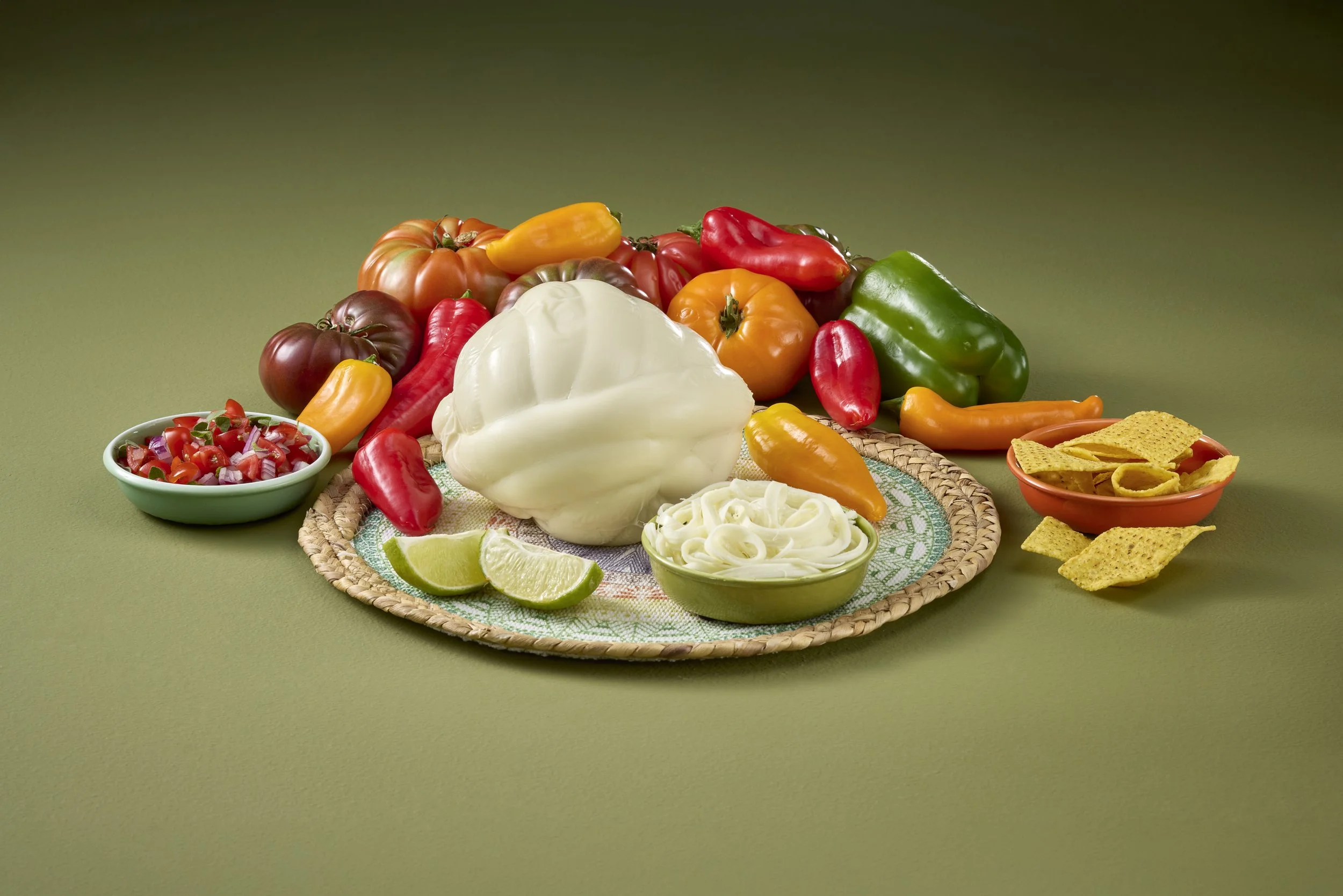
Oaxaca string cheese
Crave Brothers markets string cheese as Skinny Sticks, and a trademarked Farmer’s Rope (TM) under its own brand name. The farm-based company also makes braided Oaxaca (a Mexican string cheese) for private label customers. In fact, that business opportunity led the Craves to develop the capabilities for producing the stringy stuff. Another maker, Formaggio Cheese, of Brooklyn, New York, produces an Armenian spiced braided cheese along with smoked string cheese, and braids marinated in olive oil and herbs. Formaggio Cheese also produces a full line of mozzarella products and ready-to-eat charcuterie and cheese combinations.
While it is usually thought of as an Italian invention, the pasta filata technique is also part of Middle Eastern and Hispanic American cheese traditions. “Wherever they milked cows and were making cheese (string cheese) was probably one of the first cheeses ever made,” Crave says.
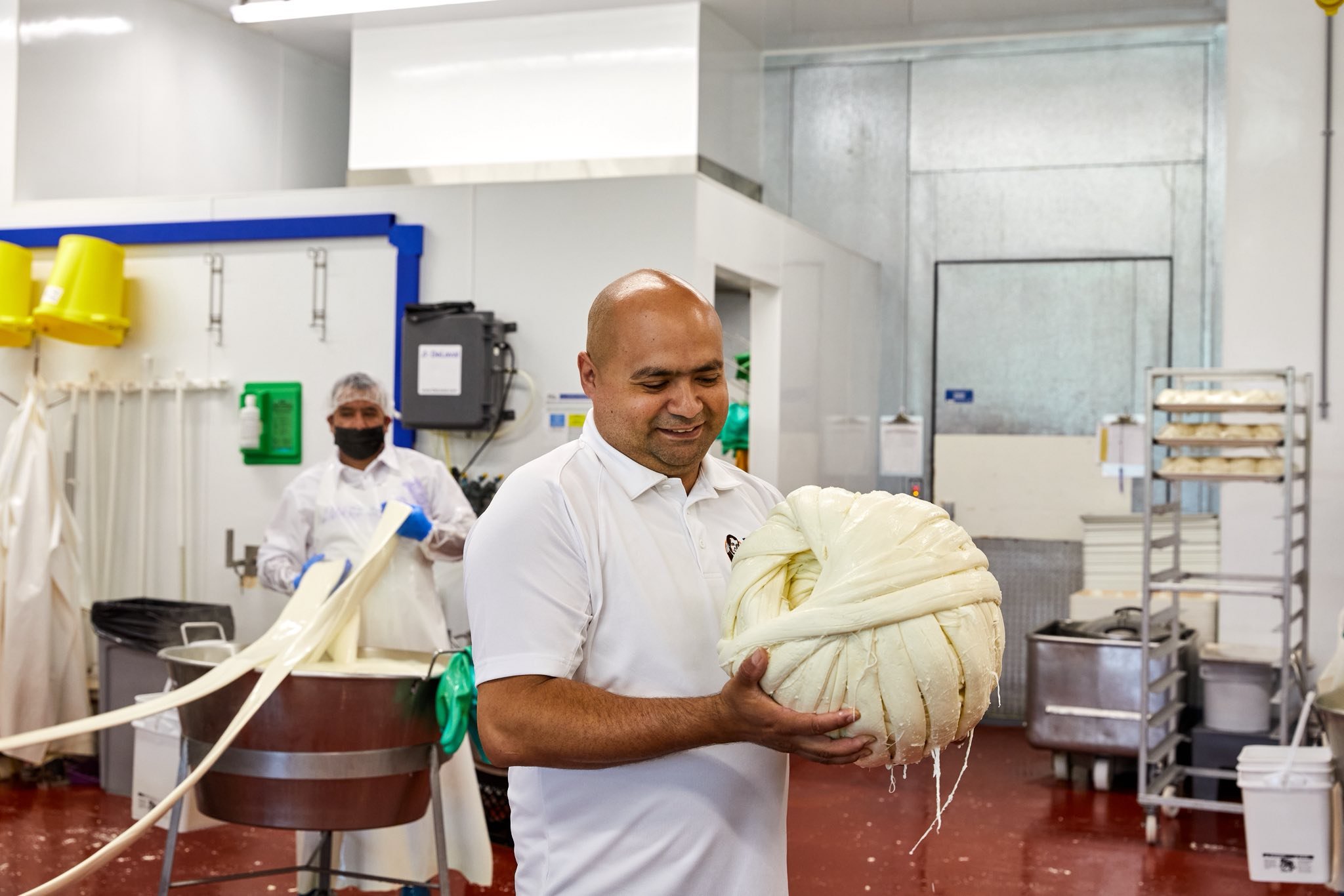
Don Froylan owner, Francisco Ochoa with string cheese ball
Oregon cheesemaker Don Froylan specializes in Mexican cheese and makes enormous balls of string cheese from Oaxaca cheese, in addition to smaller-sized balls. Their string cheese was named "Best of Class" at the 2026 World Championship Cheese Contest in Wisconsin, awarding it 99.55 points out of 100. One of their most well-known cheeses, it has also won best string cheese two years in a row from the American Cheese Society.
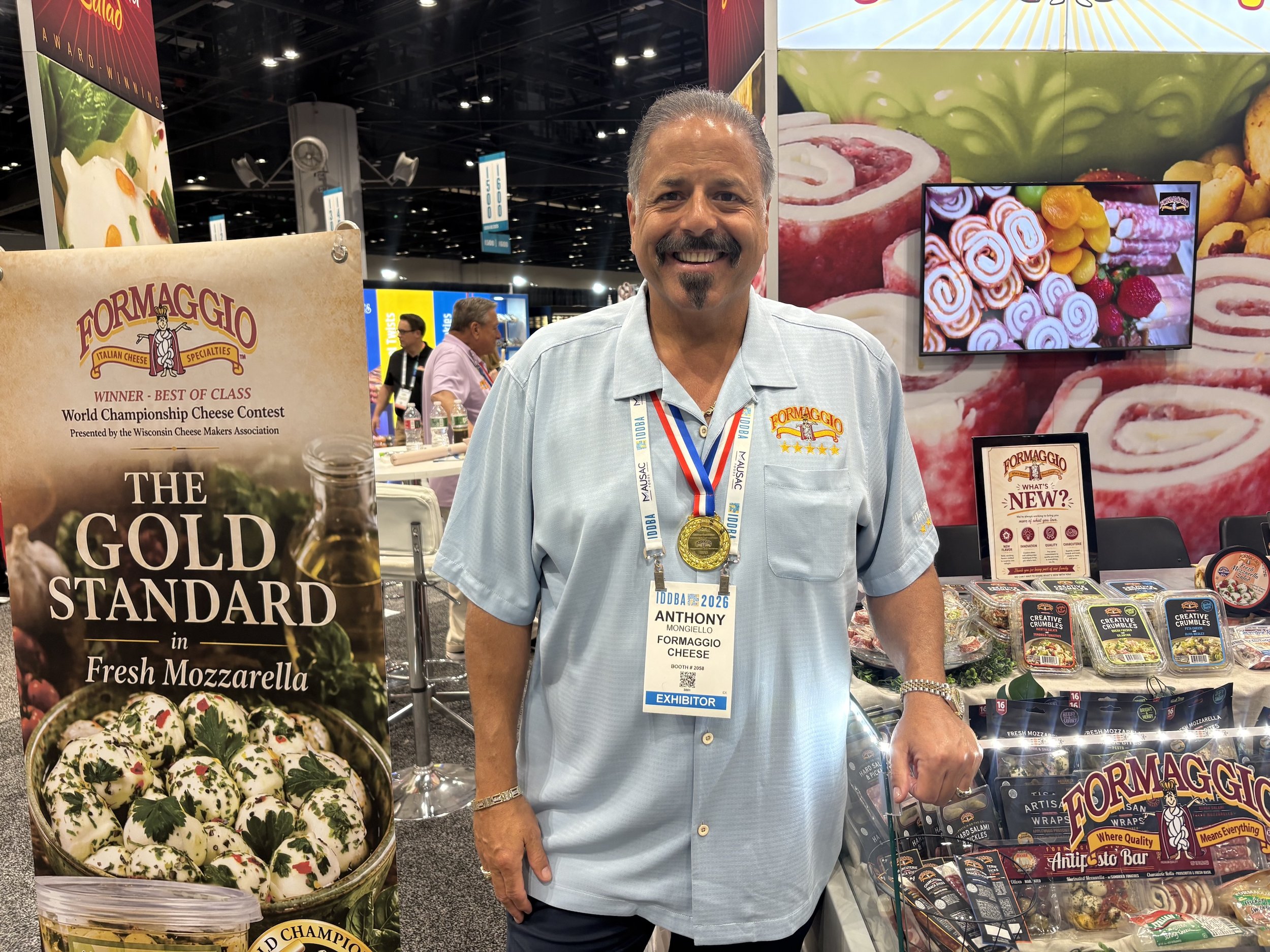
Anthony Mongiello of Formaggio Cheese
Anthony Mongiello was personally involved in the early history of string cheese sticks. The founder of Formaggio Cheese represents the third generation of his Italian American family to work in the cheese business in one facet or another. His grandfather invented the perforated tin cone used to gently package ricotta, and his dad designed and manufactured equipment for cheesemakers. As a teenager, Mongiello recalls, he accompanied his father to pitch the idea of string cheese sticks to the president of Polly-O cheese. The pitch was accepted, and the company became a pioneer in string cheese, the leading brand in the eastern states. That brand was once owned by Kraft Foods and has since been acquired by BelGioioso Cheese of Wisconsin.
“My dad wanted to create a nutritious snack for kids that was better than potato chips or a candy bar,” Mongiello says. “He created the concept for a 1-ounce cheese as a snack.”
Made for Snacking
Not all cheese sticks are made with pasta filata string cheese. Cheddar sticks are also packaged in a snack-stick form. But string cheese makes up the lion’s share, Mongiello says. The overall string cheese market is impressive—estimated at $5 billion to $7 billion in the US, with worldwide sales thought to be near $10 billion, and growing.
BelGioioso’s brands, Sargento, and Frigo (owned by Saputo Inc.) are among top-selling labels in the US, while Cheesestrings and other brands of Kerry Group, Ireland, are leaders in Europe. The Francis Baker Cheese Store founded in 1916 in St. Cloud, Wis., is part of Sargento Cheese. The company specializes in string cheese, and also claims to have invented the string cheese snack in the middle of the 20th century.
Notable String Cheeses
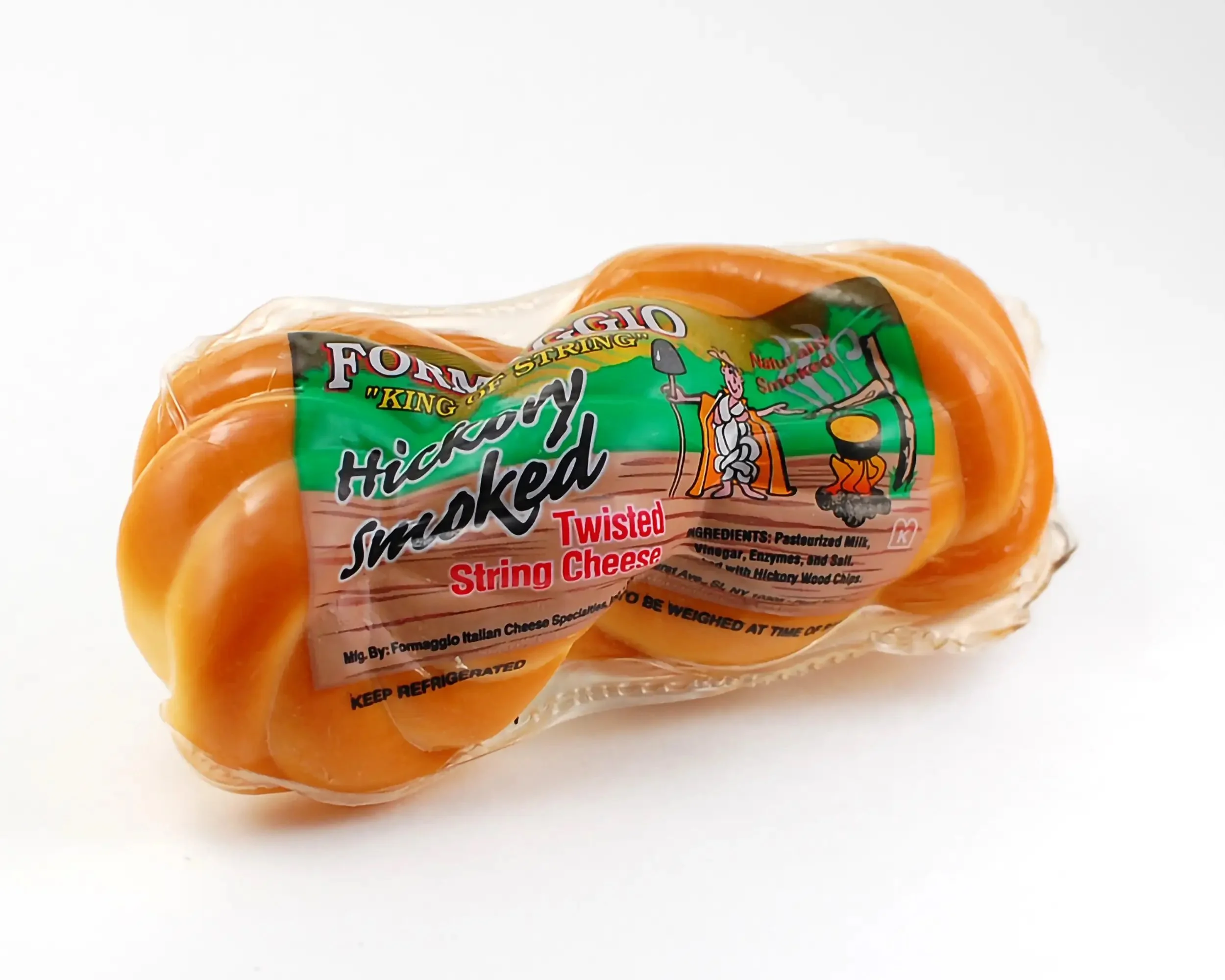
Formaggio Cheese Hickory Smoked String Cheese
Formaggio boasts of a “rich smokey flavor” in this cheese, and that the flavor comes from real hickory smoke. Sold in an 8-ounce braid and made with whole milk, it comes in at 70 calories an ounce.
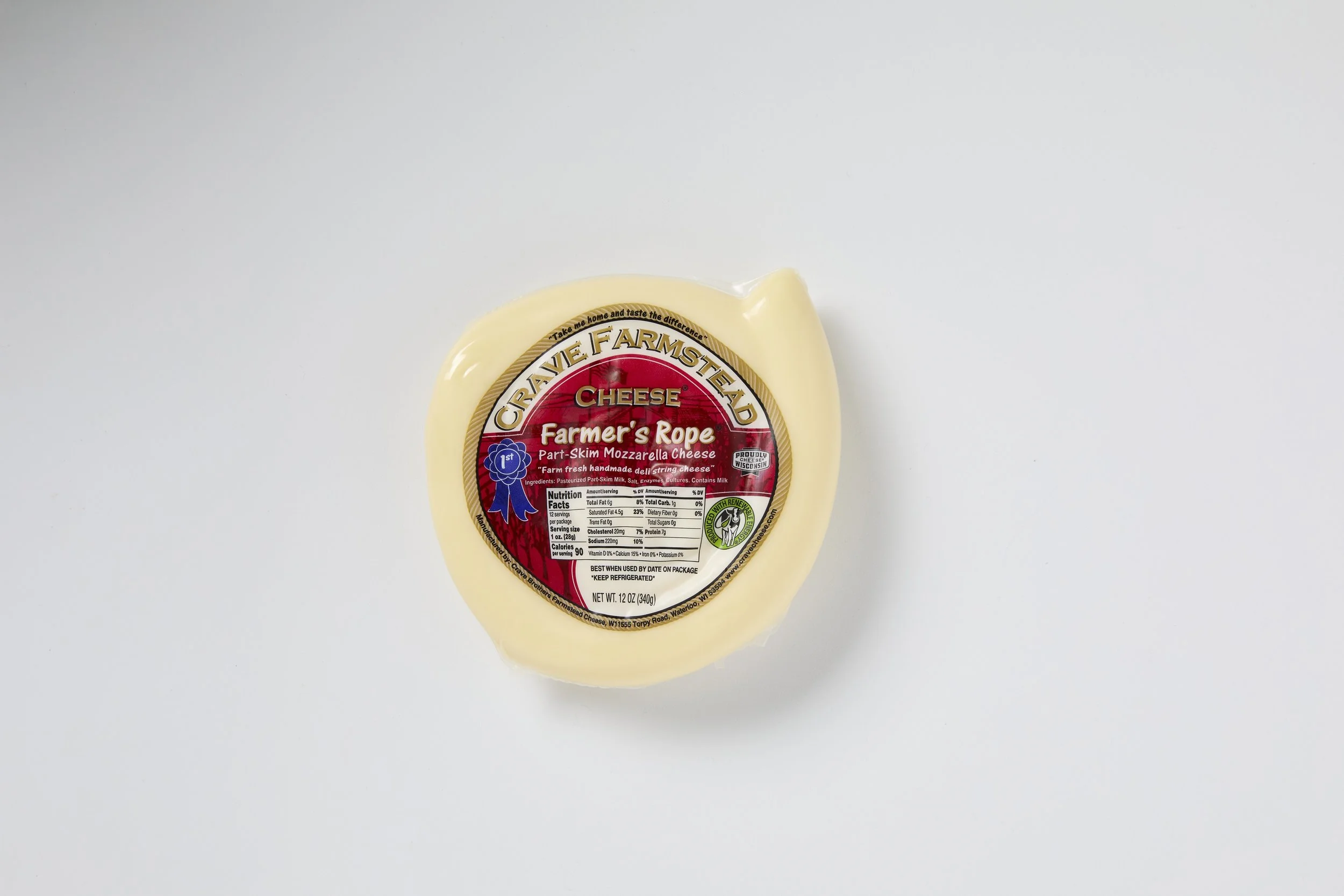
Crave Brothers Farmers Rope 12oz
Crave Brothers makes this unique braided string cheese from its own pasteurized, part skim milk. As with all Crave Brothers products, this 12-ounce cheese is sustainably produced at the Crave family’s carbon-negative dairy farm using 100% green power and advanced water conservation. George Crave is among three of the four brothers who is now in retirement, and four next-generation Craves are now employed by the company and/or have ownership roles.
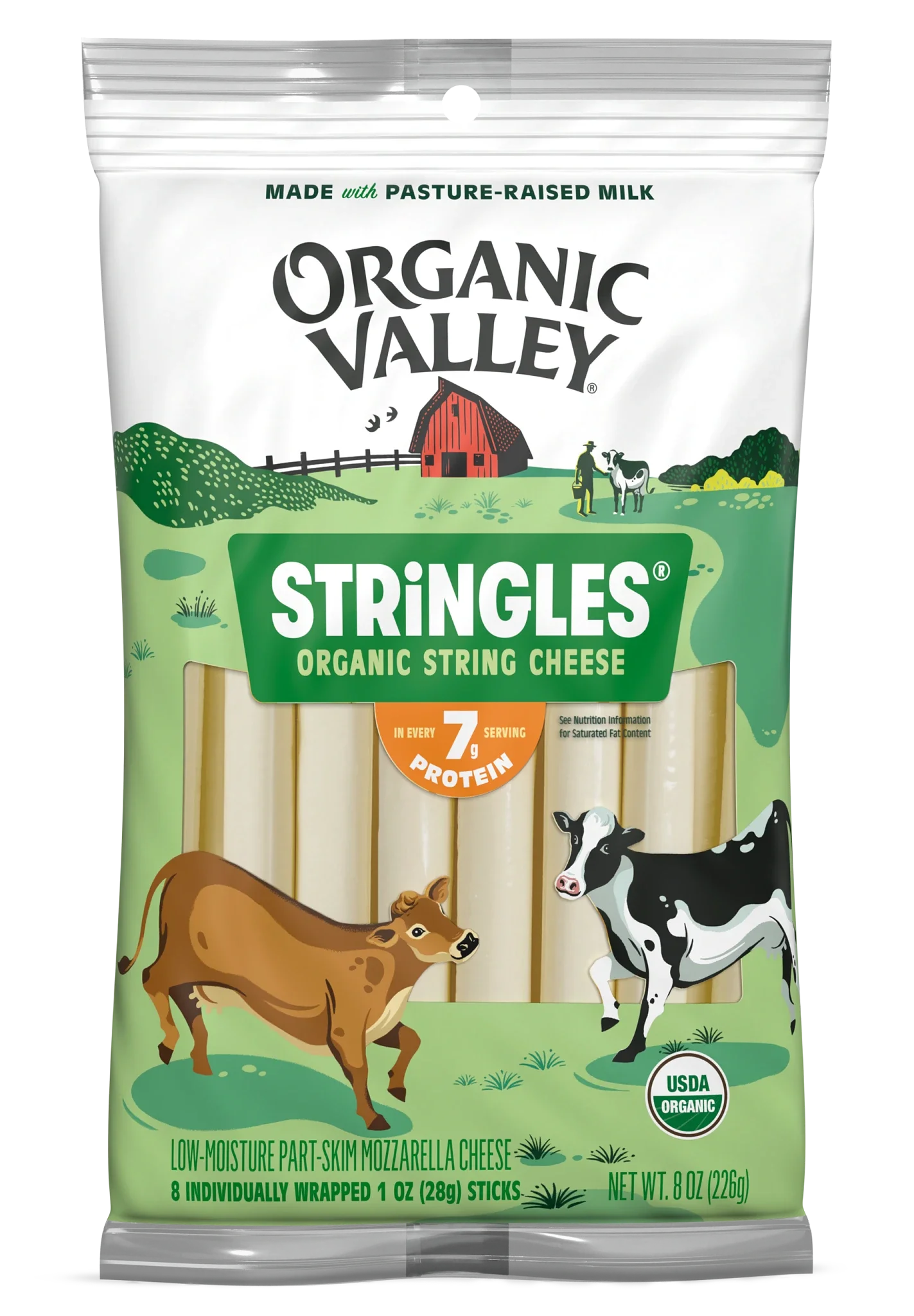
Organic Valley Stringles photo credit Organic Valley | CROPP Cooperative
Organic, vegetarian-friendly Stringles® mozzarella sticks are made from organic milk from cows not treated with artificial growth hormones, antibiotics, or fed GMO feeds. The co-op notes that each individually packaged serving contains 7 grams of organic protein.
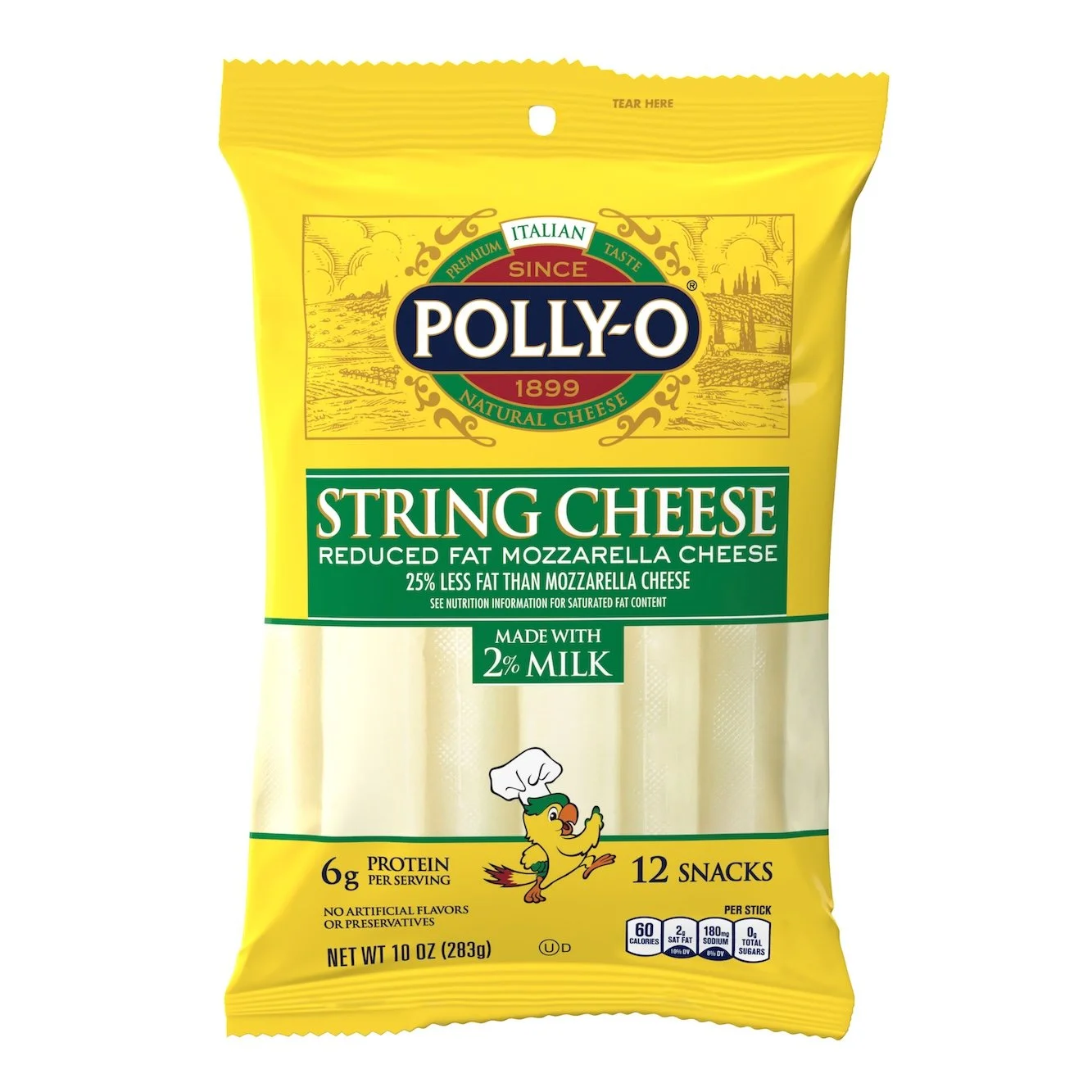
Polly-O String Cheese Photo Credit: BelGioioso Cheese
These snack sticks contain just 3.5 grams of fat and 60 calories in a 1-ounce stick. Sold in a 10-ounce bag, the sticks are, as with most brands, individually wrapped. Polly-O continues to enjoy a strong market share on the East Coast.
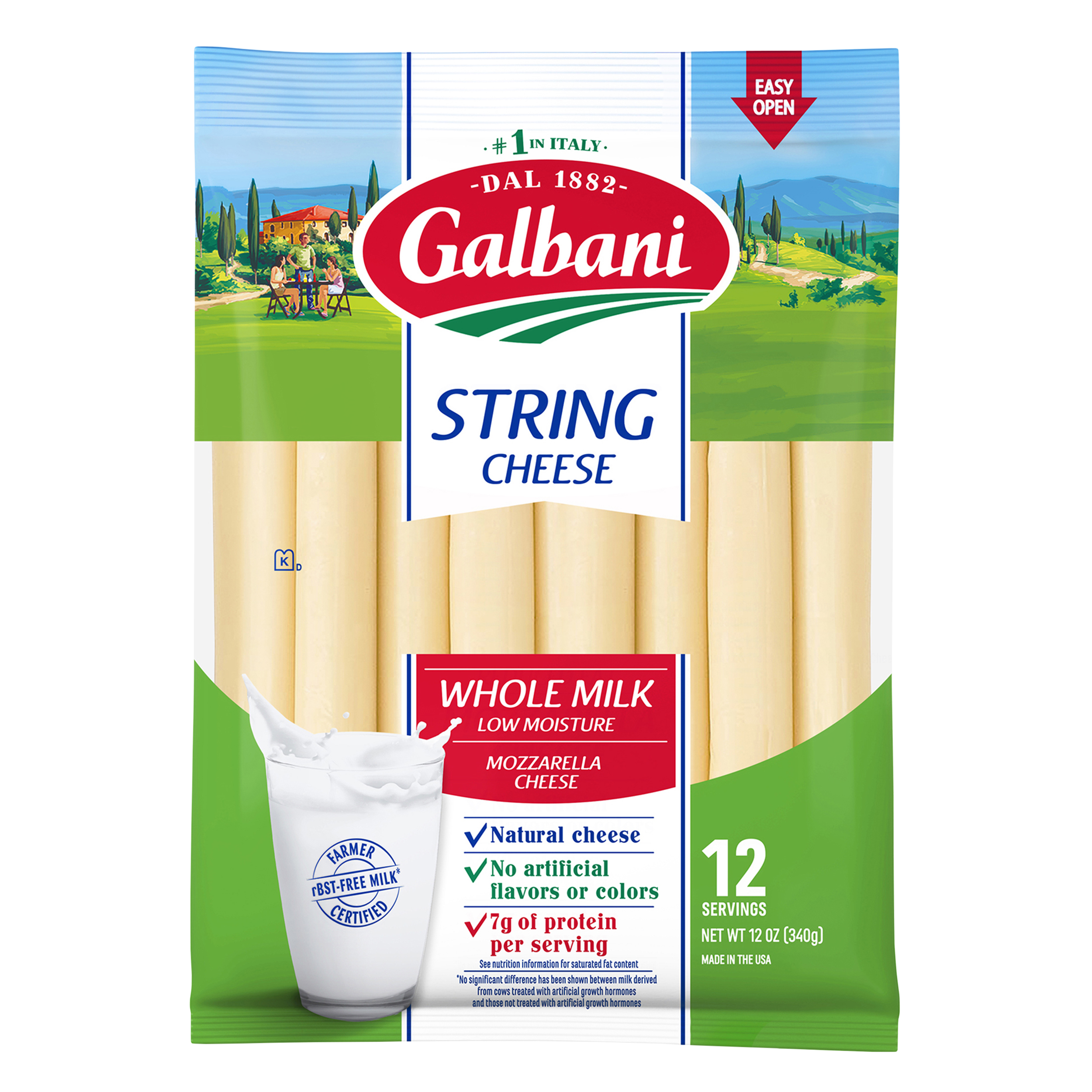
Galbani Whole Milk String Cheese
The rich creamy flavor in these sticks comes from the use of whole milk. Galbani is a 140-year old brand that started in Italy. It is owned by French global giant Lactalis, and the Galbani cheeses are made at a Lactalis American Group facility in Buffalo, N.Y.
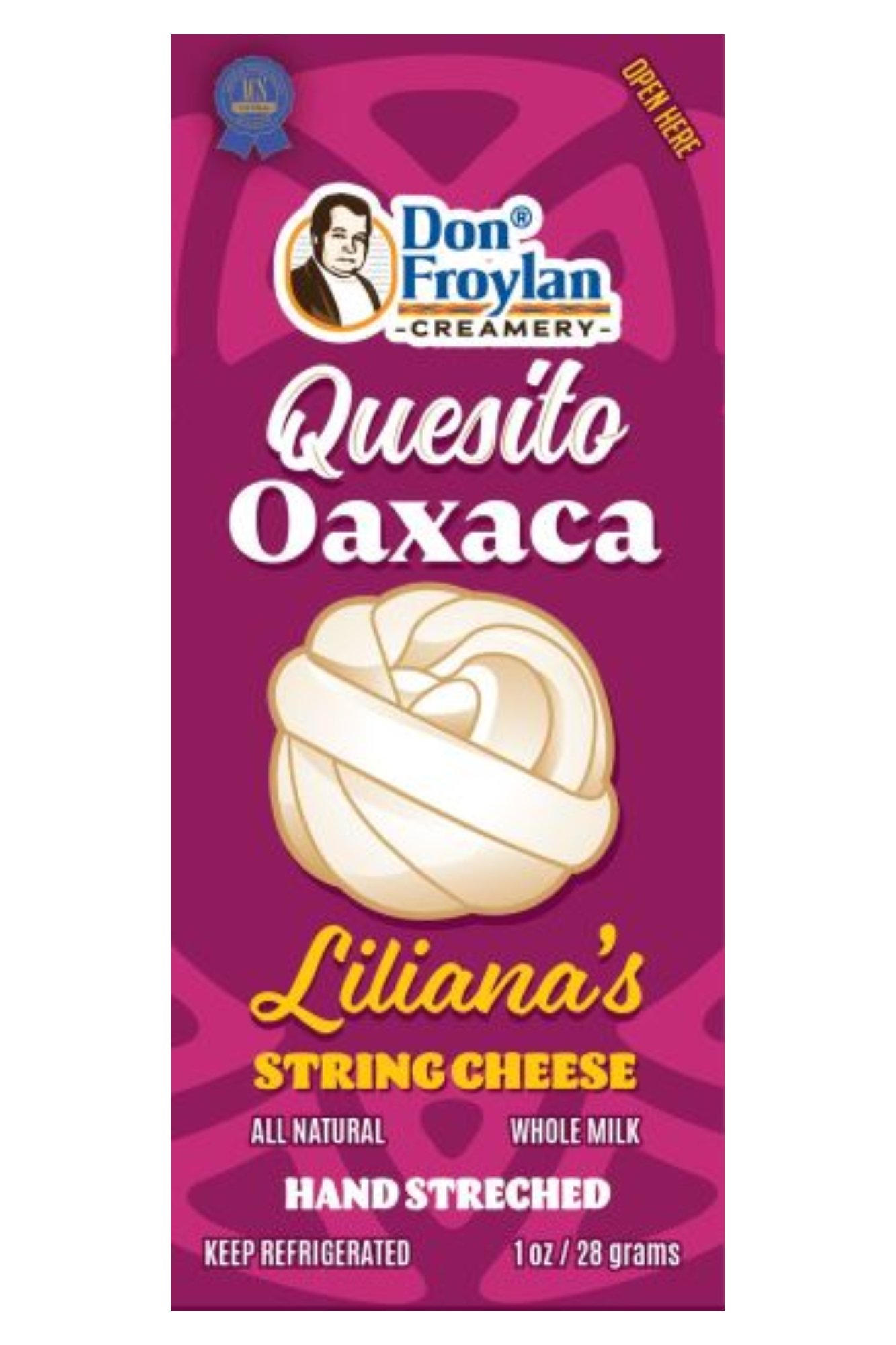
Don Froylan Quesito Oacaca Lilianana's String Cheese
This whole milk cheese is packaged in an 8-ounce piece so that you can “have as much as you like” one description reads. The hand-made string cheese is available in Western markets.