
Navigating the Safety of Raw Milk Cheese
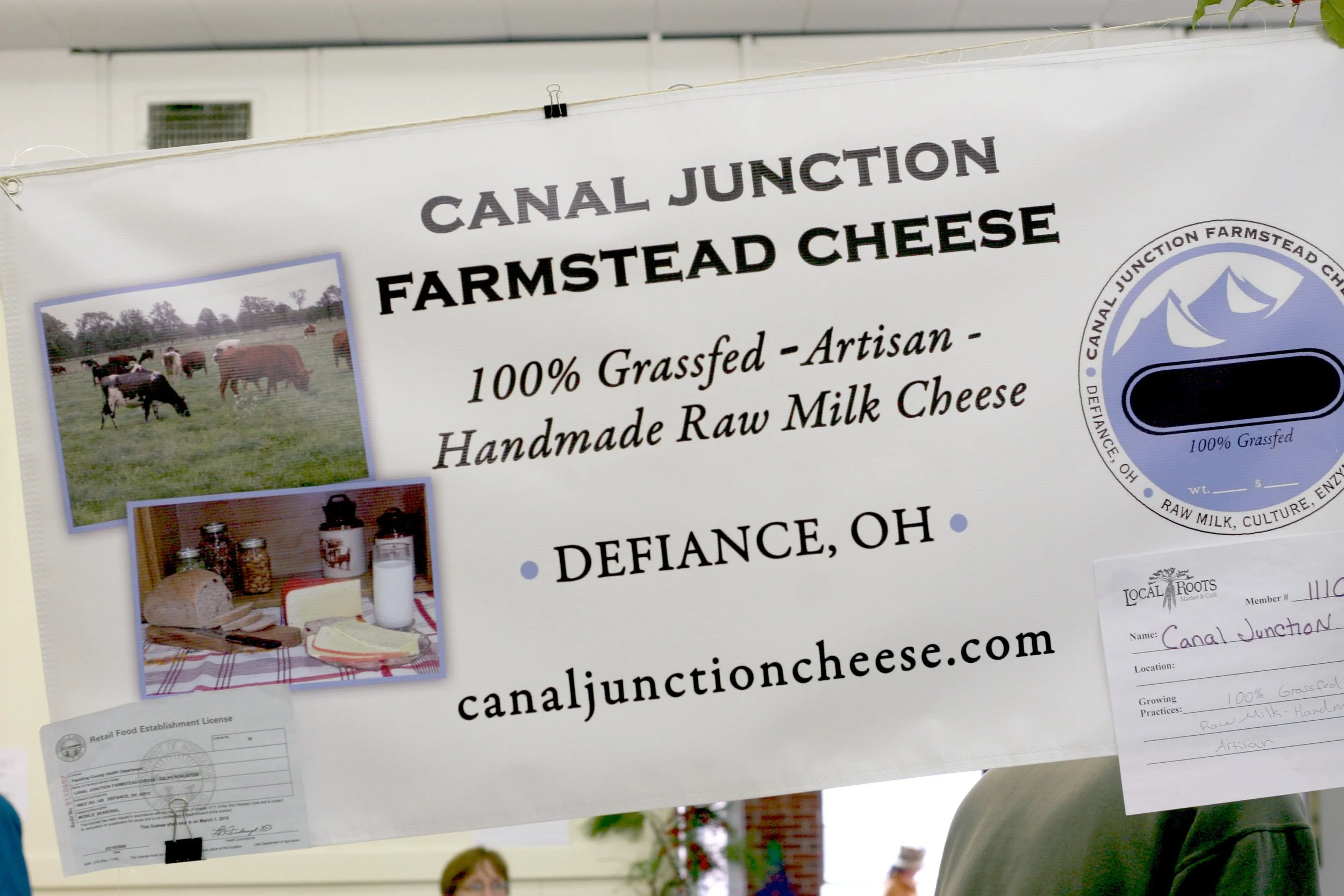
Canal Junction raw milk cheese
Comparing the merits and risks of raw milk cheese has long been a touchy subject, especially in the US, and even among the most involved players in the broader cheese community. In recent years, debate about the safety of raw milk cheese has escalated once again. Also flaring up, is the confusion of issues pertaining to drinking raw milk with those related to raw milk cheese.
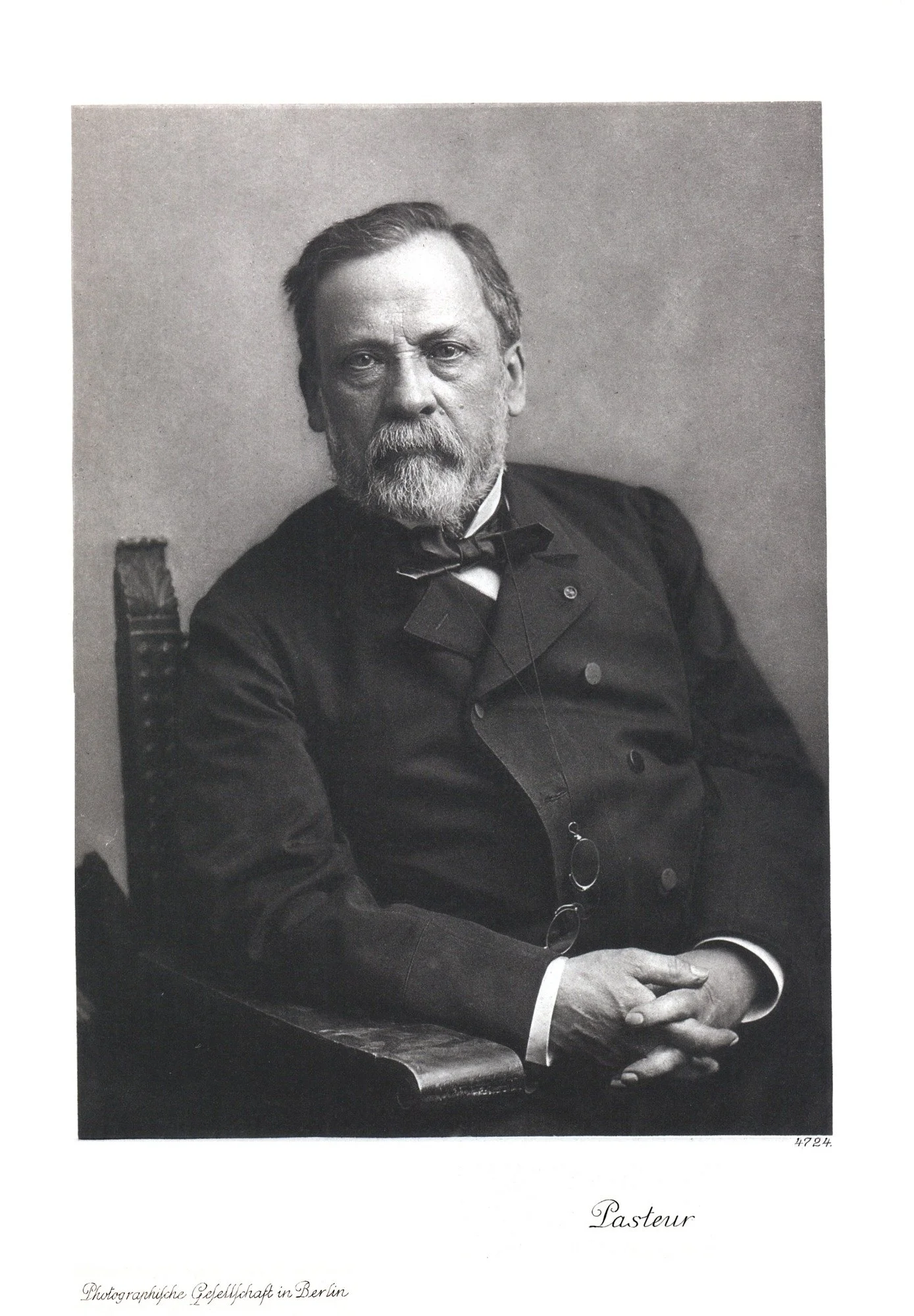
Louis Pasteur
But what is raw milk cheese? Even this requires explanation. You need only go back about 150 years to a time when all cheeses came from fresh, raw milk. Ideally, daily cheesemaking began shortly after the milk was taken from the animals. Heat treatment of milk came along in the late 1800s after Louis Pasteur was granted a patent involving post-fermentation heat treatment for beer.
Commercial cheesemakers adopted pasteurization beginning in the early 20th century. Meanwhile, rustic, artisan, and traditional makers worldwide continued the centuries-old practice of using fresh milk with little or no heat treatment. In North America, that practice lost favor through the middle of the 20th century as cheesemaking continued to shift from farm to factory. The use of raw milk returned to a small degree with the artisan cheesemaking renaissance that began around the late 1970s.
Raw Milk Cheese: A Hot Topic
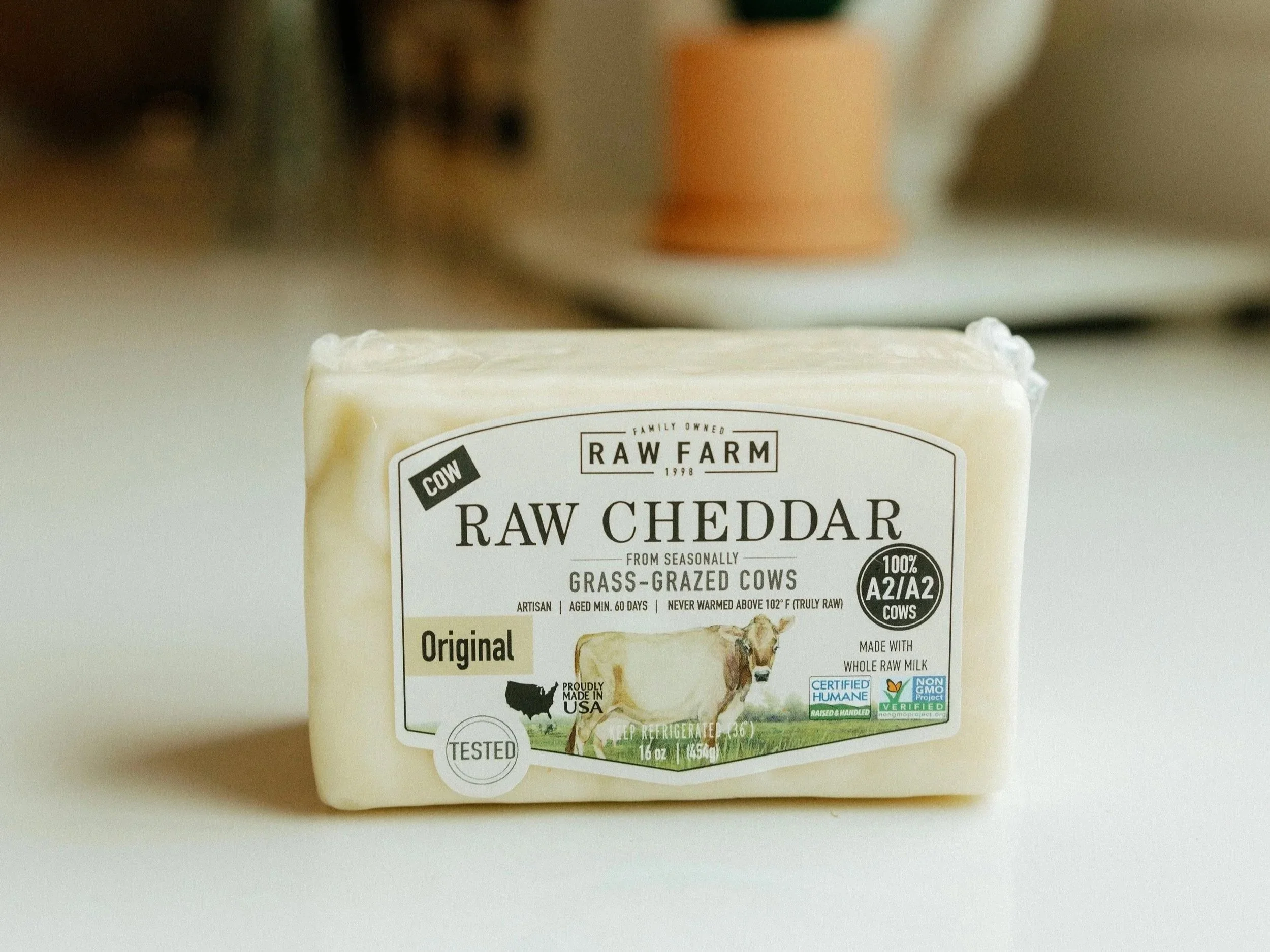
Raw milk Cheddar from Raw Farm
Most recently, a California maker, Raw Farm, conducted a voluntary recall of several lots of its Cheddar cheese products. The recall came after the Food and Drug Administration (FDA) determined that nine persons in three states had been exposed to E. coli O157:H7 and that Raw Farm’s products were the culprit. Raw Farm initially denied that its cheese products were contaminated. In a statement on its website, the company reported that it initiated the recall “under protest” and “as a path forward.” For those encountering the raw milk cheese question for the first time, a story like this is frightful, and for anyone producing or selling raw milk cheese, an outbreak connected to any cheesemaker is disconcerting.
The “protests” from Raw Farm continued early this month when ProPublica posted a lengthy investigative piece about both the company and the phenomenon of raw milk enthusiasm among a small but enthusiastic consumer segment. The article indicated that Raw Farm’s founder Mark McAfee had stated that the farm-based company had routinely diverted bacterial contaminated milk to cheese production under the (erroneous) belief that the cheesemaking process itself would mitigate threats to human health. McAfee and others who defend the practice of drinking raw milk, claim that pasteurization robs the nutritional value of milk, but as noted by ProPublica, “exhaustive reviews of the published science on raw milk have broadly been unable to substantiate claims of its benefits,” and it is generally accepted that there is no health benefit to consuming raw milk, while there is inherent risk, particularly if the milk is consumed hours or days after it is produced.
But in the article and elsewhere, McAfee continues to argue to the contrary, while brushing aside the company's extensive record of contamination and recall.
On the surface, it seems that the company’s unorthodox practices, in stark contrast to those of hundreds of successful producers of raw milk cheese, are the problem.
While the considerations about raw milk cheese are complicated, and while neither conventional wisdom, nor scientific study have produced black and white answers, it is possible to clarify the picture somewhat and provide helpful guidance for anyone deciding if they might choose to enjoy raw milk cheese. We will do our best to do that here.
Risks and Rewards

Spring Bank Acres Raw Milk by elisharene is licensed under CC BY-NC 2.0.
Food borne illnesses from the most common pathogens resulted in 53,300 hospitalizations and 931 deaths in 2019, according to a study published by the Center for Disease Control. So, while the modern food systems might be safer than they were 500 years ago, it’s safe to say that there are still risks involved every time we eat.
Based on CDC data, literature, and state and local reports, FDA compiled a list of outbreaks that occurred in the US. from 1987 to September 2010. During this period, there were at least 133 outbreaks due to the consumption of raw milk and raw milk products. These outbreaks caused 2,659 cases of illness, 269 hospitalizations, 3 deaths, 6 stillbirths, and 2 miscarriages.
Pasteurization, a scientifically sound process developed a mere 125 years ago, is great for bettering the odds against consuming pathogens in our food. Heating food for a specific time and at a certain temperature (commonly 161 degrees F or 72 C for 15 seconds for dairy products) kills most of the most harmful microorganisms in food.
Louis Pasteur’s discovery has become the most common tool in the modern food safety, and it is generally (particularly in the US and in factory production of cheese) applied to milk shortly before the cheese production process begins. Without it, there is a higher risk that sickening bacteria like the above mentioned E. coli (not all E. coli are harmful) will end up in a cheese and ultimately run amok in your digestive tract. But pasteurization is also not infallible, and milk and cheese can be compromised after it is produced.
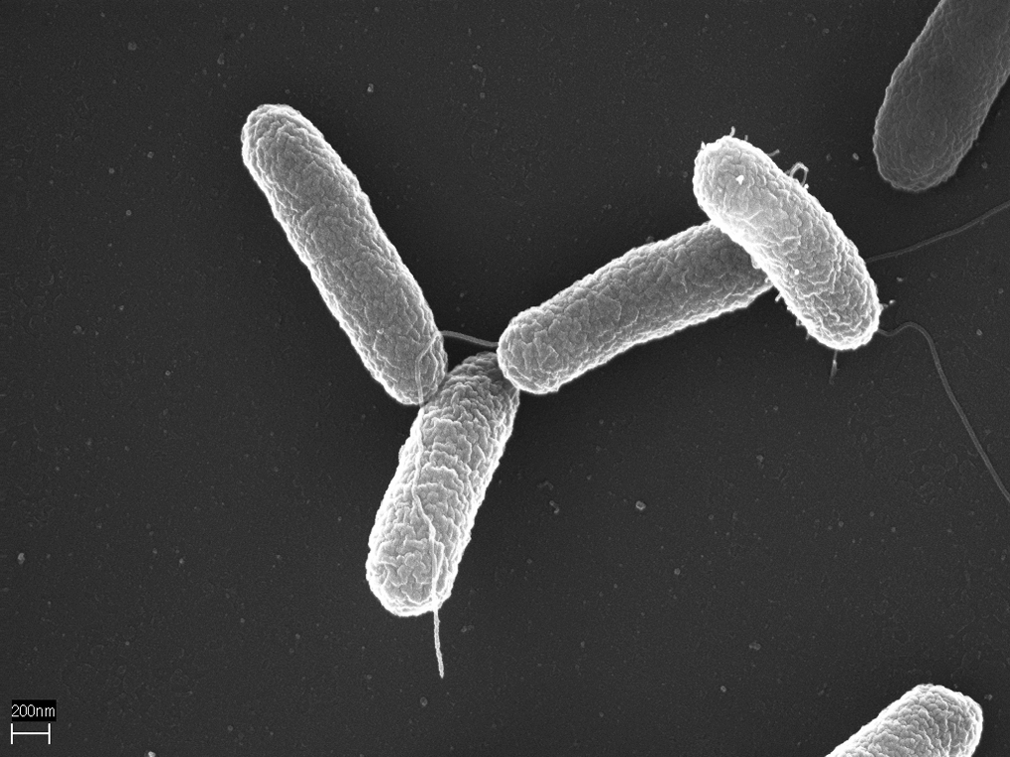
“Salmonella typhimurium” by Volker Brinkmann, Max Planck Institute for Infection Biology, Berlin, Germany is licensed under CC BY 2.5.
Milk quality is greatly affected by numerous variables in a farm system, but raw milk can carry pathogens such as Salmonella Typhimurium, E. coli, Listeria monocytogenes, Campylobacter, and others that cause what we commonly call “food poisoning.”
According to the FDA, these germs can seriously injure the health of anyone who drinks raw milk or eats products made from raw milk. However, pathogens in raw milk can be especially dangerous to people with weakened immune systems and any children, older adults, and pregnant women. The results of such a contamination include fever, flu-like aches, abdominal cramps, vomiting and diarrhea. In some cases they can be fatal. But pasteurization is
also not infallible, and milk and cheese can be compromised after it is produced.
Scary, yes, but keep in mind that people have been making and eating cheese for thousands of years—starting in what we now call the Middle East around 10,000 years ago, and for about 9,900 of those years cheese made without pasteurization was a sustenance food that kept hunger at bay, probably without causing serious health problems.
The proven safety records of cheese from Switzerland, France and Italy, made from raw milk, were achieved through practices based on quality—with many small farms working in conjunction with numerous small creameries. These pre-science practices afforded a great deal of protection to the crucial and fragile raw ingredient, milk. They have remained part of the production traditions codified for cheeses like Gruyere, Parmigiano-Reggiano and Manchego, from Spain. All of these cheeses are enjoyed safely around the world, even in the US, within the bounds of FDA’s regulations.
FDA Regulations

One of the most important aspects of FDA regulations regarding raw milk cheese is commonly referred to as the 60-day rule, and it applies to imports and domestically made cheese equally. In the US, cheeses made with raw milk must be aged at least 60 days at temperatures above 35-degrees Fahrenheit. This is why three-week-old raw milk Camembert cannot be sold in the US, while 12-month-old Gruyere can. It has to do with moisture content. A cheese with a lower moisture content is less hospitable to pathogenic bacteria like E. coli, and the longer aging step in hard cheeses is one of a number of processes that reduce the moisture in cheese.
So, US producers are free to make cheeses with raw milk, but generally use raw milk only for hard cheeses that will be aged for six months to a year or more. Soft cheeses, (including bloomy rinds) are traditionally aged only a few weeks, and are therefore typically made from pasteurized milk in the US.
So, Which Raw Milk Cheeses Are Safe?
Cheesemongers are often asked about the safety of raw milk cheeses. The response will often touch on old world classics like Gruyère, Comté, and Parmigiano-Reggiano.
Consumers should also know that if a young cheese such as queso fresco, or cottage cheese in the US is made with raw milk, it has been made illegally, and perhaps its safety is questionable. While it is a broad generalization, hard cheeses offer a higher level of safety than soft cheeses. The risks with soft cheeses can be related to the milk quality, or related to post-pasteurization contamination (typically listeria). While hard cheeses are not immune, they are less prone to this. The aforementioned old-world hard cheeses are trustworthy, but well-aged raw milk cheeses from US artisans can be just as safe. It can be helpful, if possible to determine certain things about an individual cheese:
* Is the cheese made from a farmstead operation and if so is there proper physical separation of the farming and milking operation and the cheese making room?
* How soon after milking is the milk put into motion in cheesemaking? This can be almost immediately after milking (flowing by gravity into the vat!) or within several hours, but it should not be several days.
* Does the milk come from a single, reputable, science-based farm source, or is it “co-mingled” milk that is harder to trace to the source? You can guess which one is probably safer for making raw milk cheese.
* How far does the raw milk travel? Milk is fragile. This can be as near as across the road, or as far away as a few miles. Milk that travels hundreds of miles will almost always be pasteurized before being put to use as food.
* I love upstarts, so this is not definitive, but I would think that a producer that has been in business for ten years or more is probably a safer bet (at least for those consumers who need to be more cautious) than one that just scaled up from making cheese as a hobby.
Fact or Fiction?
Raw milk cheese is a complex topic, but we can dispel some misnomers to separate fact from fiction.
Raw milk cheese can be made legally in the US
Fact: Some of the best artisan cheeses in the US are made from raw milk, often by farmstead operations, or artisans with locally-sourced milk from farms with excellent quality milk. The quality can be measured scientifically, and the farm practices can be validated, and by law the cheeses are aged at least 60 days.
Farmstead cheese is a superficial marketing term
Fiction: The farmstead designation means the cheese is made on the same property as the farm, so that the milk does not have to be shipped. This is not the only consideration when contemplating raw milk cheese, but it usually means that the cheese is made with the freshest milk possible.
Raw milk cheese carries less risks than drinking raw milk
Fact: Raw milk cheese, made from an excellent farm system involves several preservation factors—acidity, salt, microbial competition (healthful cultures crowding out the troublesome ones), and dehydration are all at play in cheese. Raw drinking milk, even from an excellent source, is easily contaminated unless it is consumed immediately after milking.
Pasteurized cheese cannot make you sick
Fiction: Studies have shown that some pathogens can survive pasteurization. Additionally there are numerous opportunities for post-production contamination with pathogenic bacteria like Listeria monocytogenes.
Pregnant women should never eat raw milk cheese
Fiction: Caution is especially important for expecting mothers, and for persons with compromised immune systems. Experts say however, that it might be more prudent to avoid young, high-moisture cheeses (especially if you are unacquainted with the source) rather than a hard cheese from an established, reputable maker and cut from the wheel.
Organic cheeses are less likely to pose a health risk
Fiction: USDA Organic certification and other organic certifications for dairy products demonstrate certain farm practices that reduce negative impact on the environment and ensure that farm animals have access to the outdoors and are not treated with antibiotics or artificial growth hormones.