
How France and Spain Shape Basque Cheeses
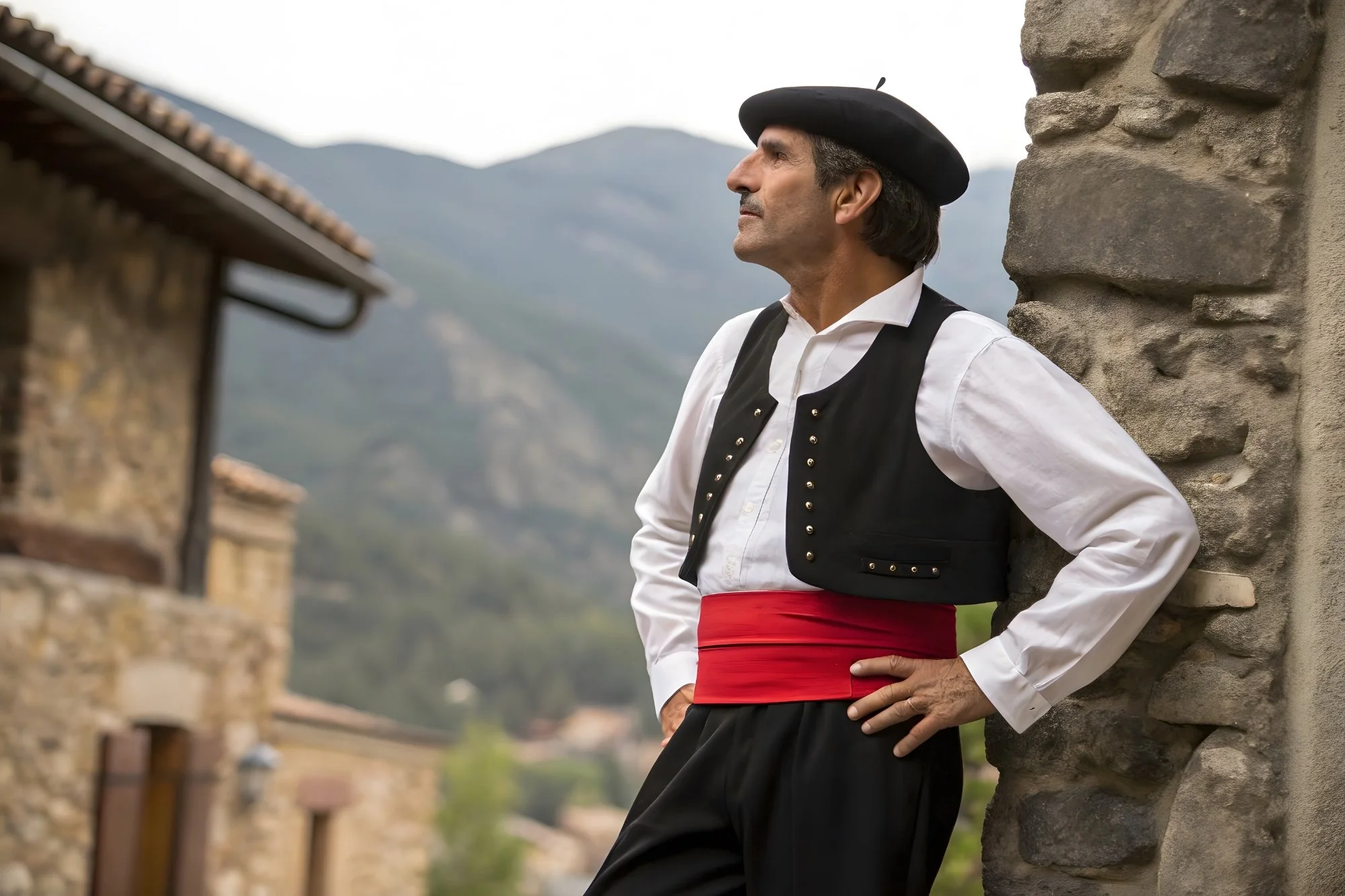
The Basque Country spans both France and Spain. On a recent road trip through the region, I tasted what makes each side so special. I found that Basque cheeses aren't just the base for tasty pairings, but also tell stories of generations of shepherding traditions, the work of affineurs, and a newer wave of small-scale producers shaping what Basque cheese can be.
French Basque Cheeses
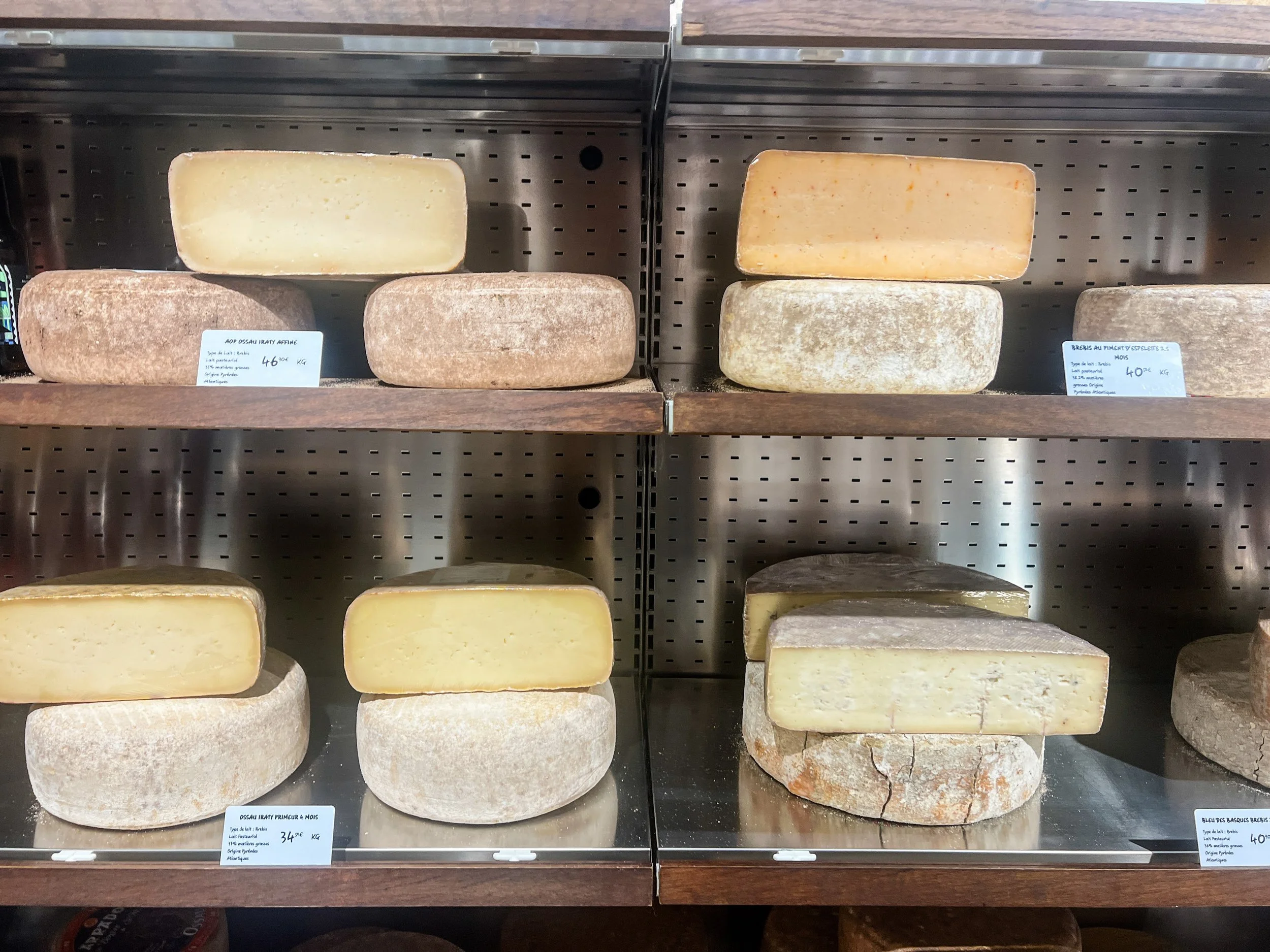
French Basque Cheeses at Accoceberry Espelette
Major French Basque cities include the coastal hubs of Biarritz, Bayonne, and Saint-Jean-de-Luz, along with inland gems like Saint-Jean-Pied-de-Port, the old capital of the traditional Basque province of Lower Navarre, and picturesque villages such as Espelette, Ainhoa, and Sare.
On the French side, strict regulations and a focus on consistency shape cheeses that tend to be firm, nutty, and precise.
AOP Ossau-Iraty
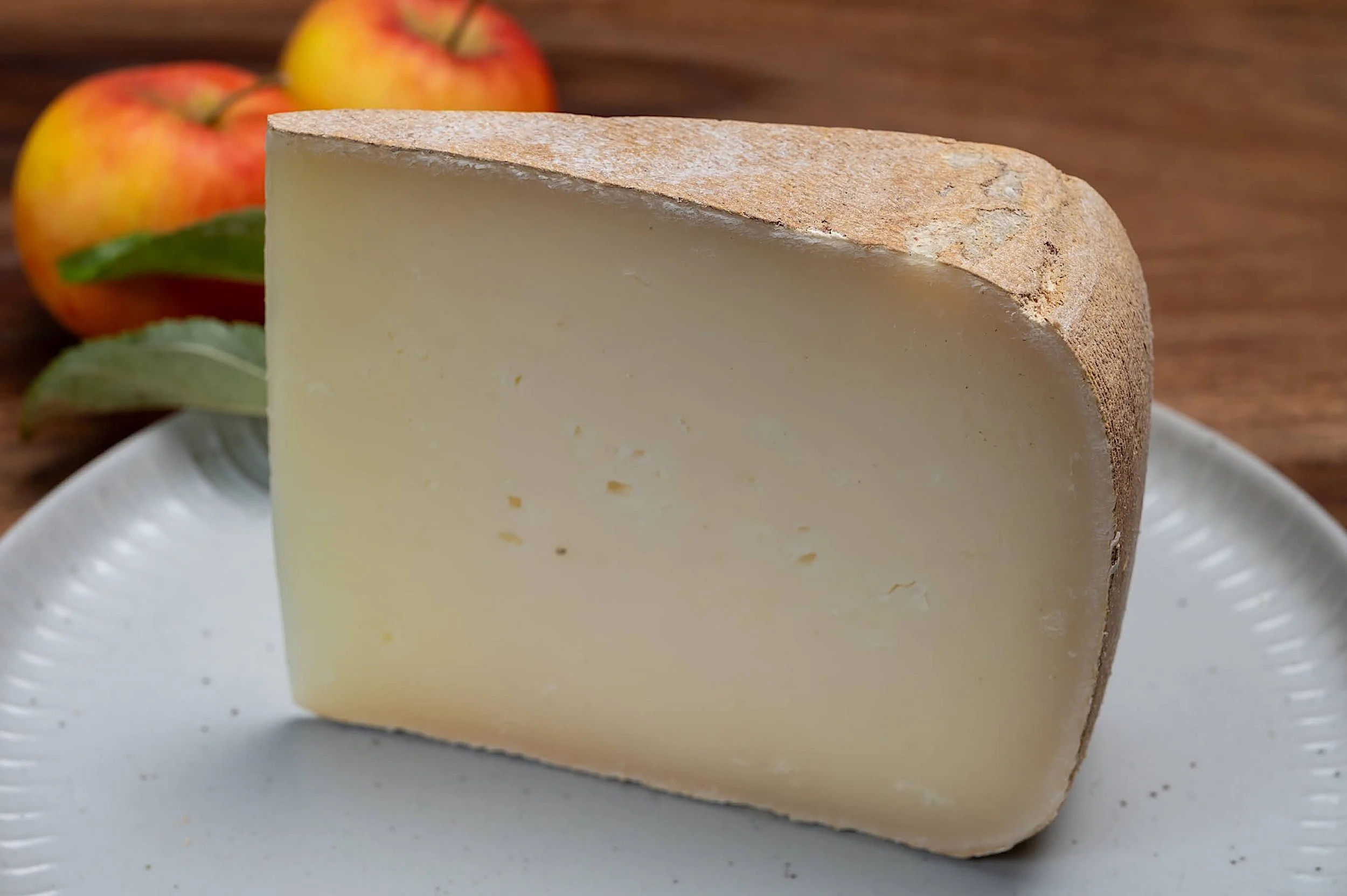
Ossau-Iraty
At Accoceberry Espelette, a fine foods boutique in Espelette, tastings start with their AOP Ossau-Iraty. This is the region’s best-known cheese, made from the milk of Manech Tête Noire, Manech Tête Rousse, or Basco-Béarnaise sheep.
On each wheel, I’m shown a signature of its authenticity, a sheep’s head emblem pressed into the rind. This is a signal of PDO compliance, with subtle information about the farm or cooperative supplying the milk. It matters here in the French Basque, where producers work hard to preserve traditional methods and maintain traceability.
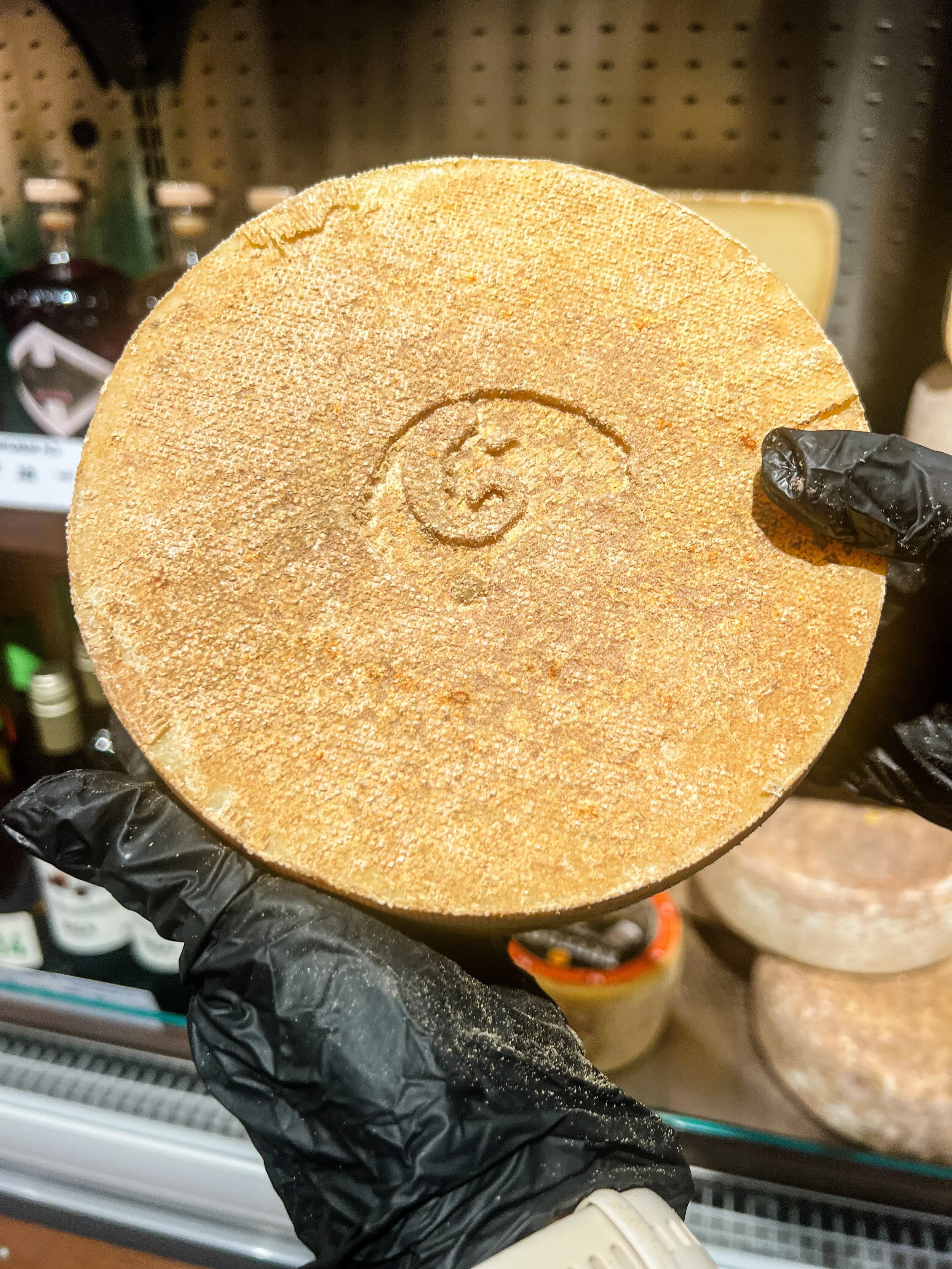
French Basque Cheese with Ossau-Iraty emblem
Agour is the most popular producer of Ossau-Iraty, but at this shop, many of the cheeses come from Les Bergers de Saint Michel near Saint-Jean-Pied-de-Port, a town in the Pyrenean foothills. I start with the wheel labeled “affiné,” aged under the guidance of an affineur who decides when the cheese is at its best. It might overlap in age with other versions available, even in this shop, but the difference here is how the cheese is curated. The cheesemonger calls it the most complete version of their Ossau-Iraty.
This “best” version is firm and a little nutty. I’m told it's often served with the local black cherry jam, so I have another piece with a little something extra. A hint of Espelette pepper in the jam complements the subtle sweetness in the cheese.
Next are two younger wheels. The four-month variety is milder and a bit elastic, making it more approachable for those who may be newer to sheep’s cheeses. The five-month wheel is firmer and drier with a faint tang.
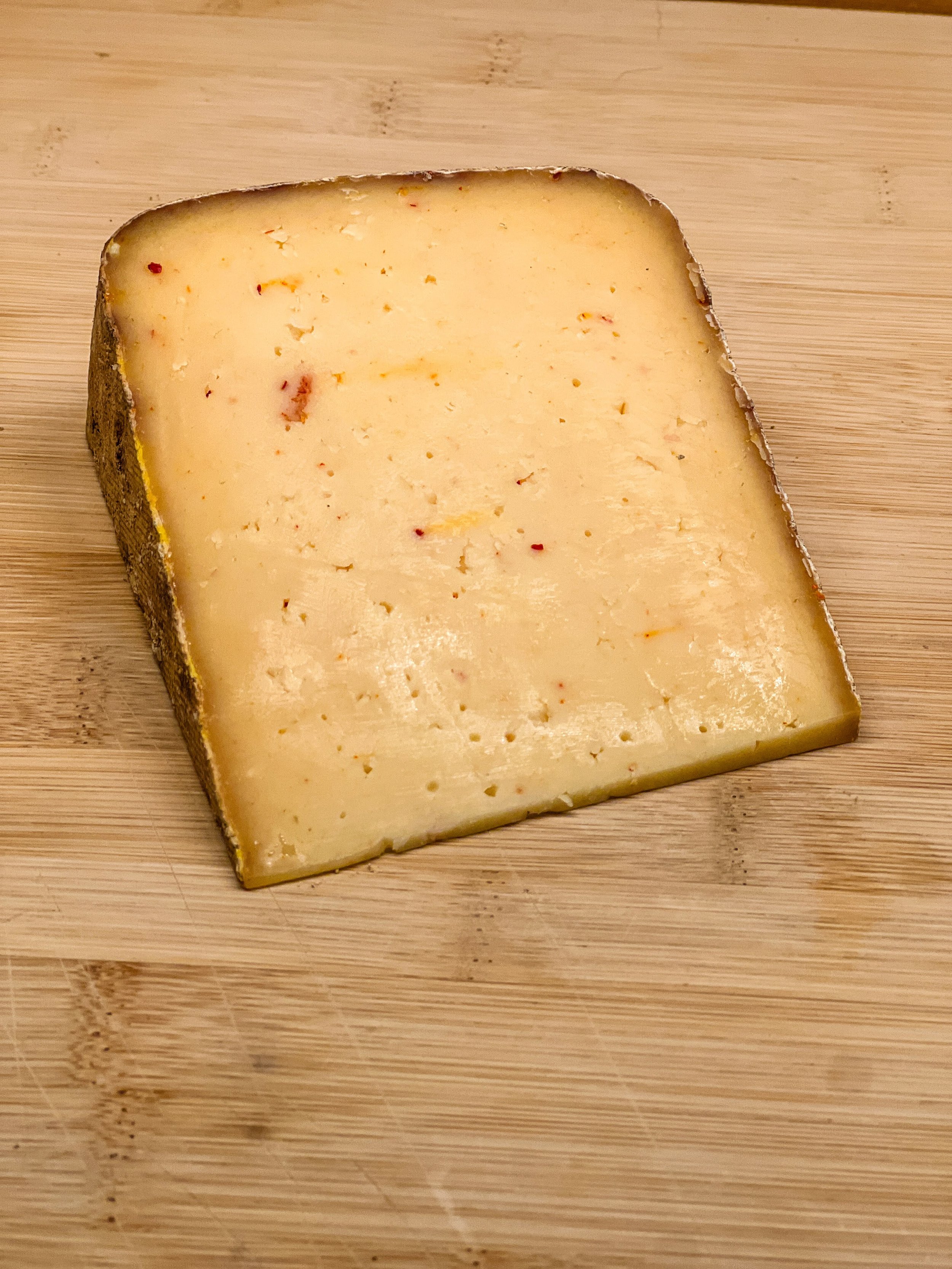
Piment d'Espelette cheese
A 10-month-old mixte cheese, named for the blend of sheep breeds, is more intense and earthy. A younger Piment d’Espelette cheese, aged just over two months, has streaks of pepper running through. This is a cheese popular in Espelette, as the local Piment d’Espelette AOP pepper is mixed directly into the curd. It’s not traditional in centuries-old terms, but it’s become a modern classic on cheese boards in the French Basque.
Blue des Basques
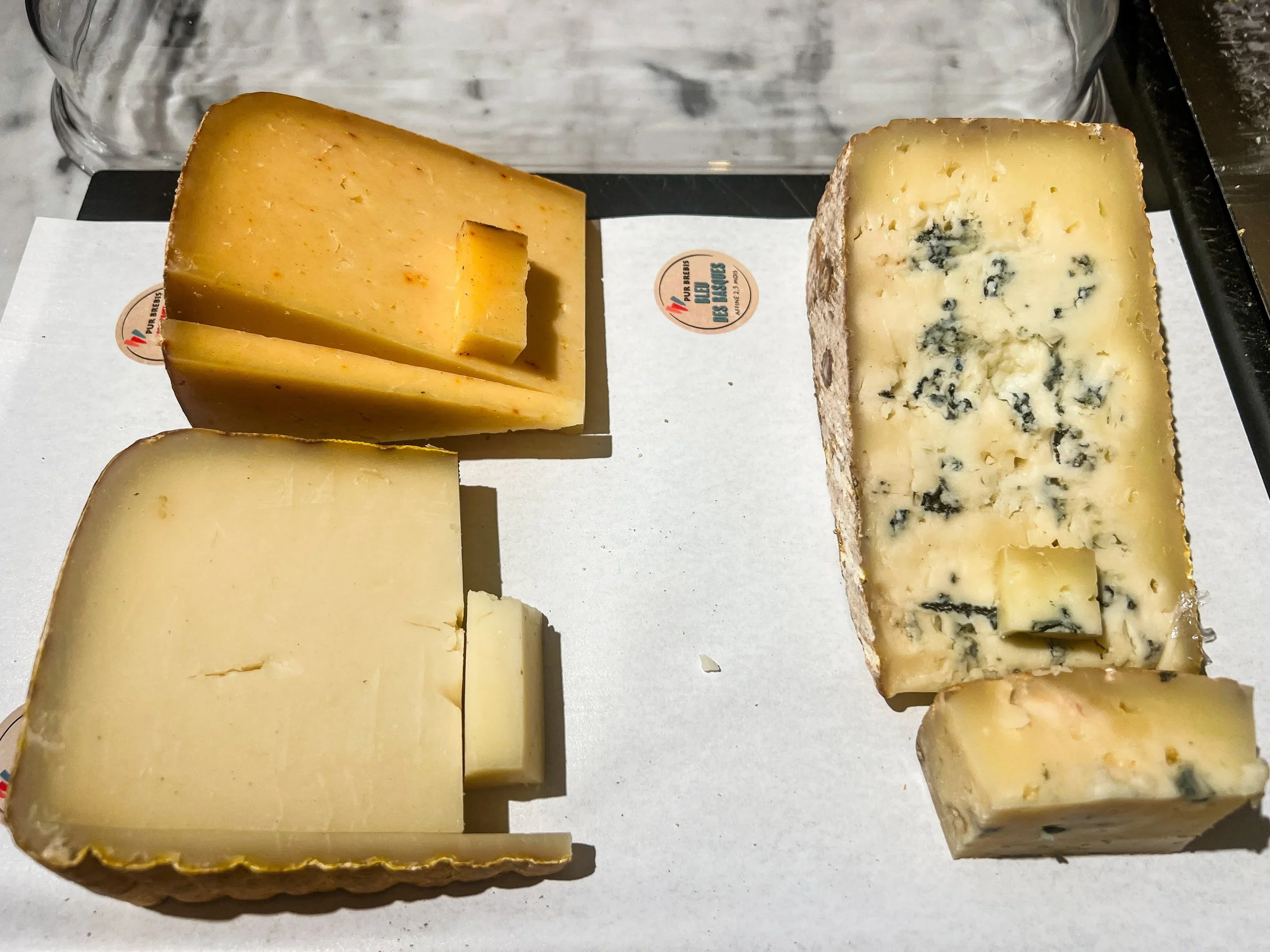
French Basque Cheeses include Blue des Basques
I end with Blue des Basques, one of the only widely available French Basque blues. It’s creamy and gentle, without the sharpness of Roquefort. Like the others, it pairs beautifully with cherry preserves.
In other shops, French Basque cheese counters are lined with farmstead Ardi Gasna, buttery P’tit Basque, mild tommes, and sheep’s milk wheels rubbed with Piment d’Espelette. While the history of tradition is here, there is still some room for more adventurous offerings from smaller producers, something the Spanish side has slowly begun to embrace.
Spanish Basque Cheeses
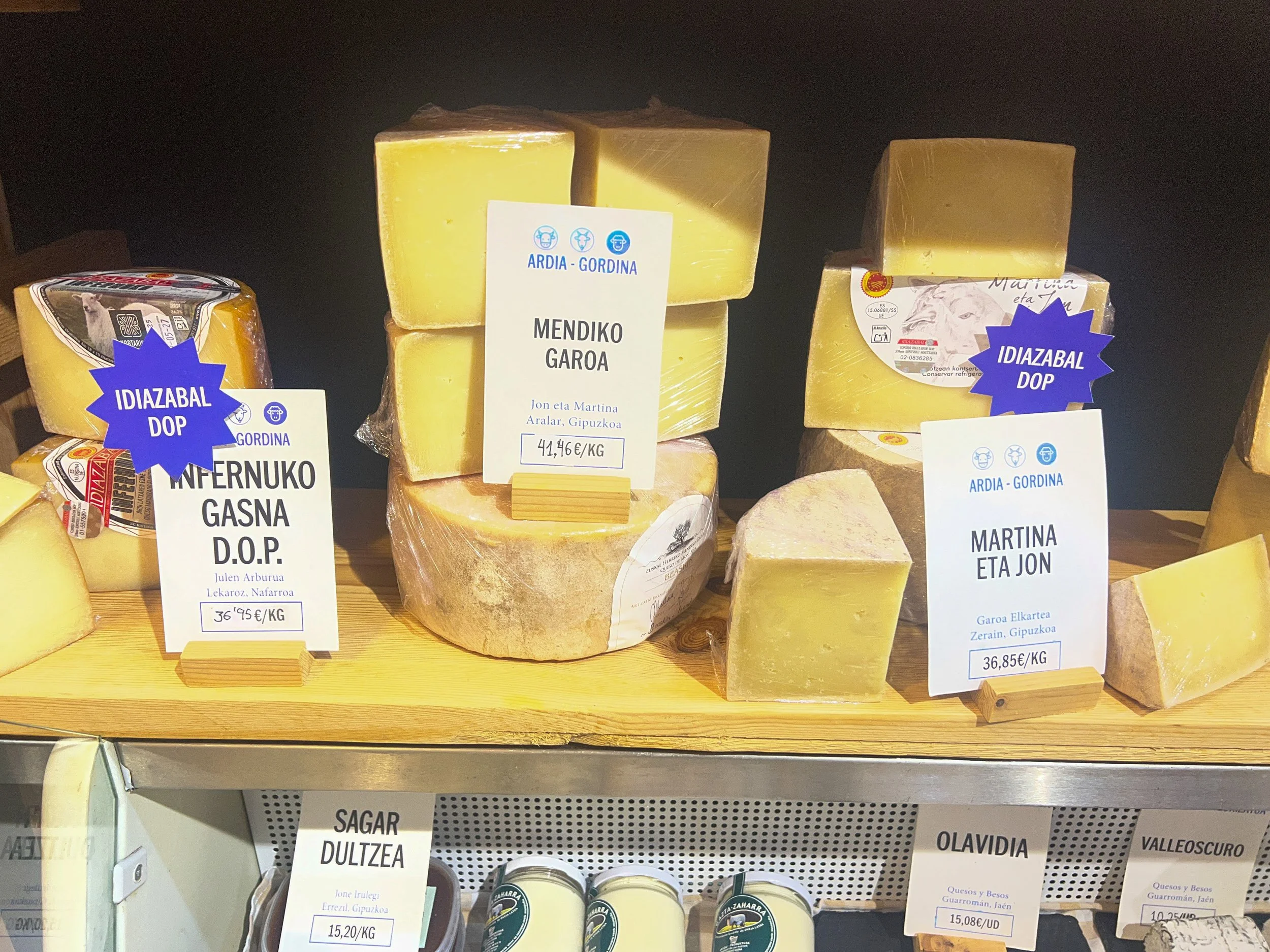
Spanish Basque Cheeses
Spain's Basque Country features major cities like Bilbao, San Sebastián (Donostia), and the capital, Vitoria-Gasteiz. Notable towns include Getaria, Hondarribia (Fuenterrabía), Gernika (Guernica). Zumaia, Lekeitio & Mundaka.
In Spain, a younger and more flexible cheesemaking culture is encouraging experimentation, resulting in softer, lactic, or more boldly flavored cheeses that highlight the seasons and a sense of place.
At Elkano 1 Gaztagune, a cheese shop in Donostia-San Sebastián, co-owner Maite Roso admits that many artisanal producers in Spain take cues from French cheesemaking traditions. Roso and her partner, Iker Izeta Alberdi, make their own cheeses and highlight small-batch producers from across the region.
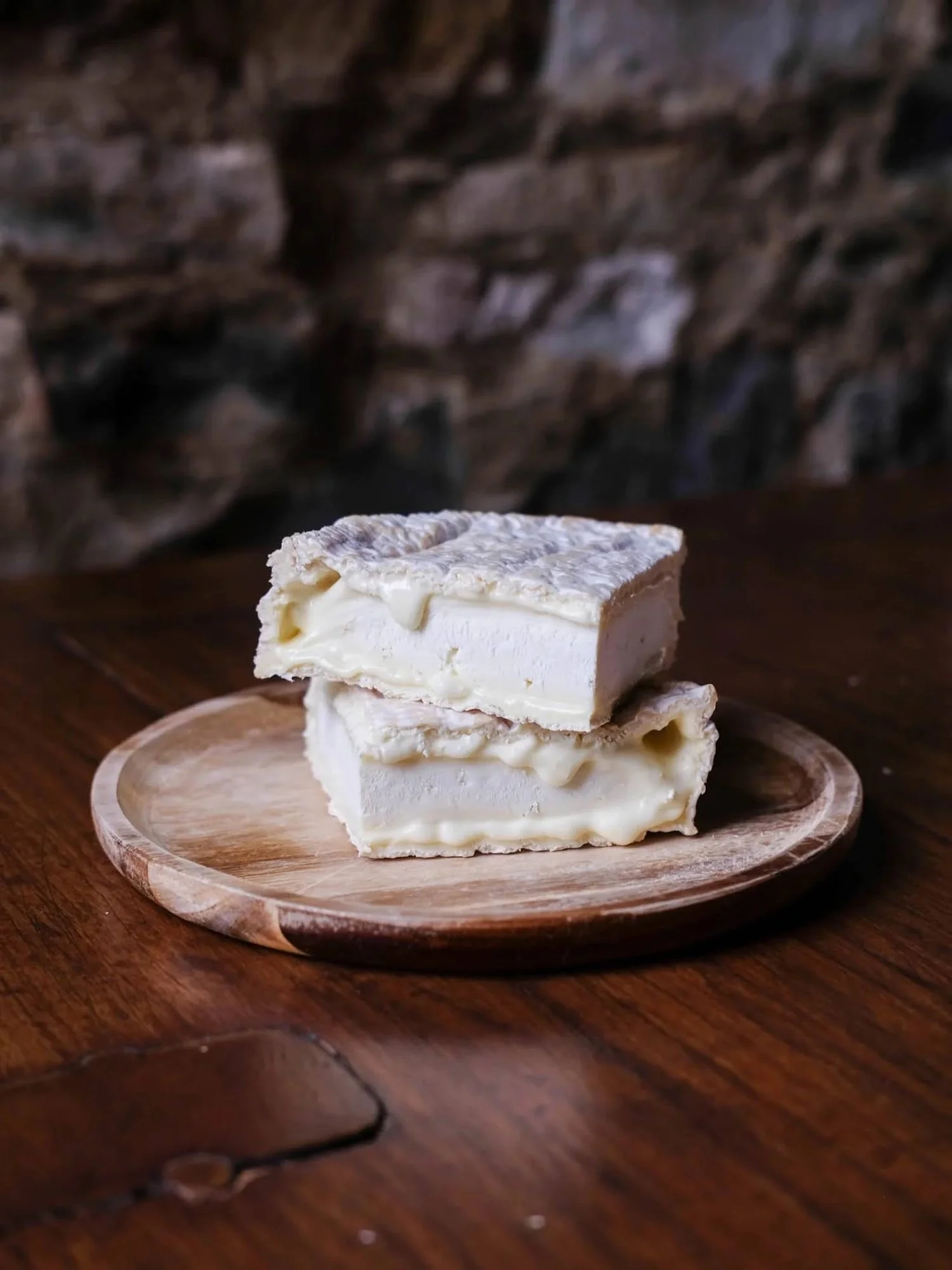
Bigel
Sheep’s milk cheeses remain the most common in the Spanish Basque, but they often show up in new forms, like Bigel, the shop’s Brie-style cheese. Roso notes that blues such as Eskutxi and Urraki Urdina are also very much on trend.
Idiazabal PDO
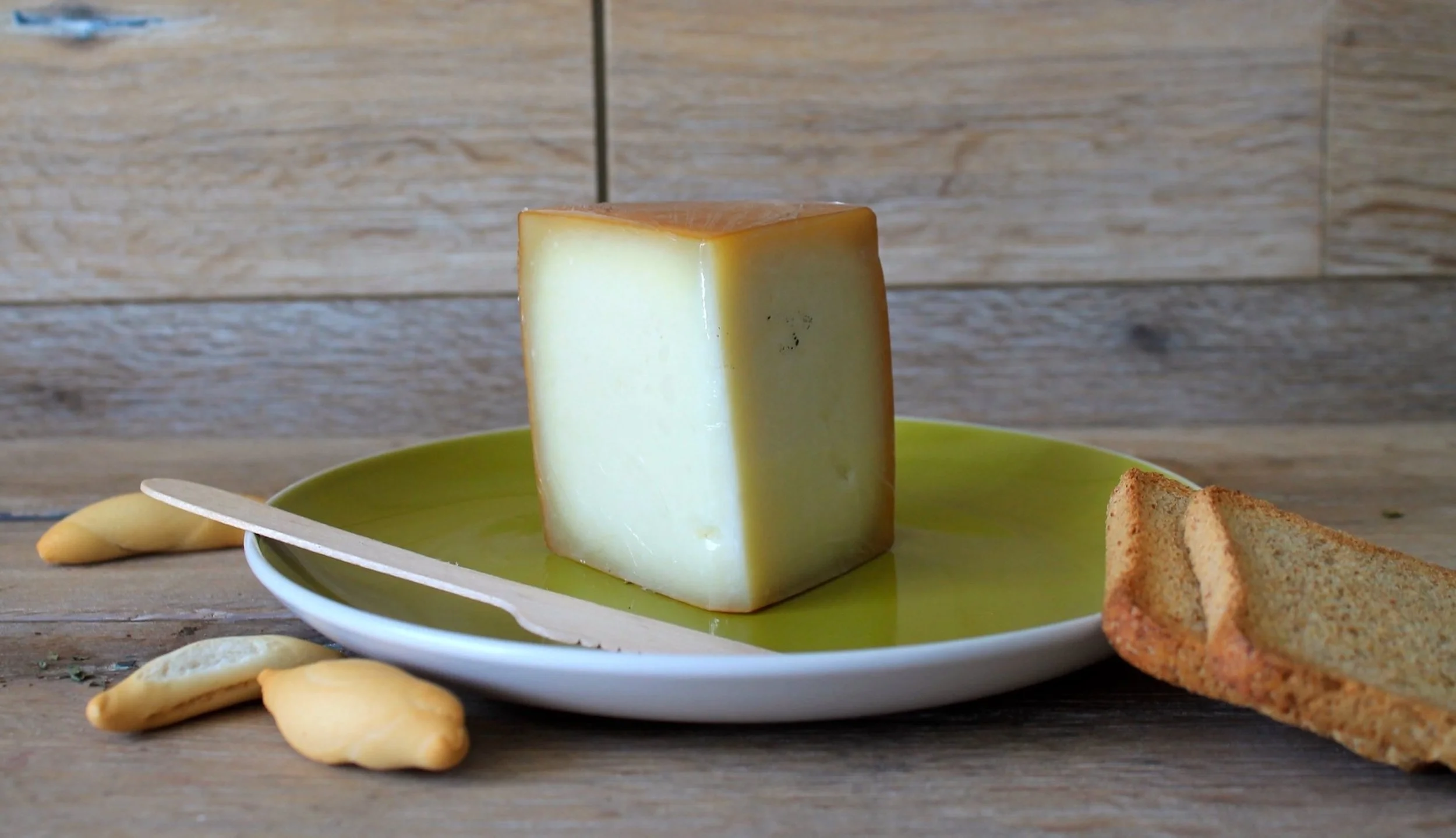
Idiazabal
My education here starts with Idiazabal PDO, though. Made from raw Latxa sheep’s milk, this cheese comes in natural and smoked versions, with production tied closely to the seasons. The first wheels appear in March or April after the sheep spend time in the mountain pastures.
While one of the shop’s slogans is “there is life beyond Idiazabal,” Roso says you can’t talk about cheese in the region without giving this one its due. I try what she describes as a “mountain” version from Martina eta Jon, a small producer with a flock that grazes in the Aralar Natural Park during the summer.
“There are two or three areas in the Basque where you can find these tiny houses in the hills,” Roso said. The local government supports these farmers in keeping the tradition alive, as Idiazabal has become essential among Spanish cheeses.
The next is a smoked version from cheesemaker Julen Arburua, one of the youngest cheesemakers in the region. Smoking Idiazabal is a very old Basque tradition. Shepherds historically stored their cheeses in huts or chimneys, and the smoke would naturally flavor them. This one is deep and warm, retaining the nuttiness of the Idiazabal.
Beyond Idiazabal, “diversification is something that is very, very new,” Roso says. Cheesemaking here isn’t as protected as it has been just over the border in France, so some traditions have been lost. One classic is mamia, a dessert-style yogurt custard eaten with sugar and honey.
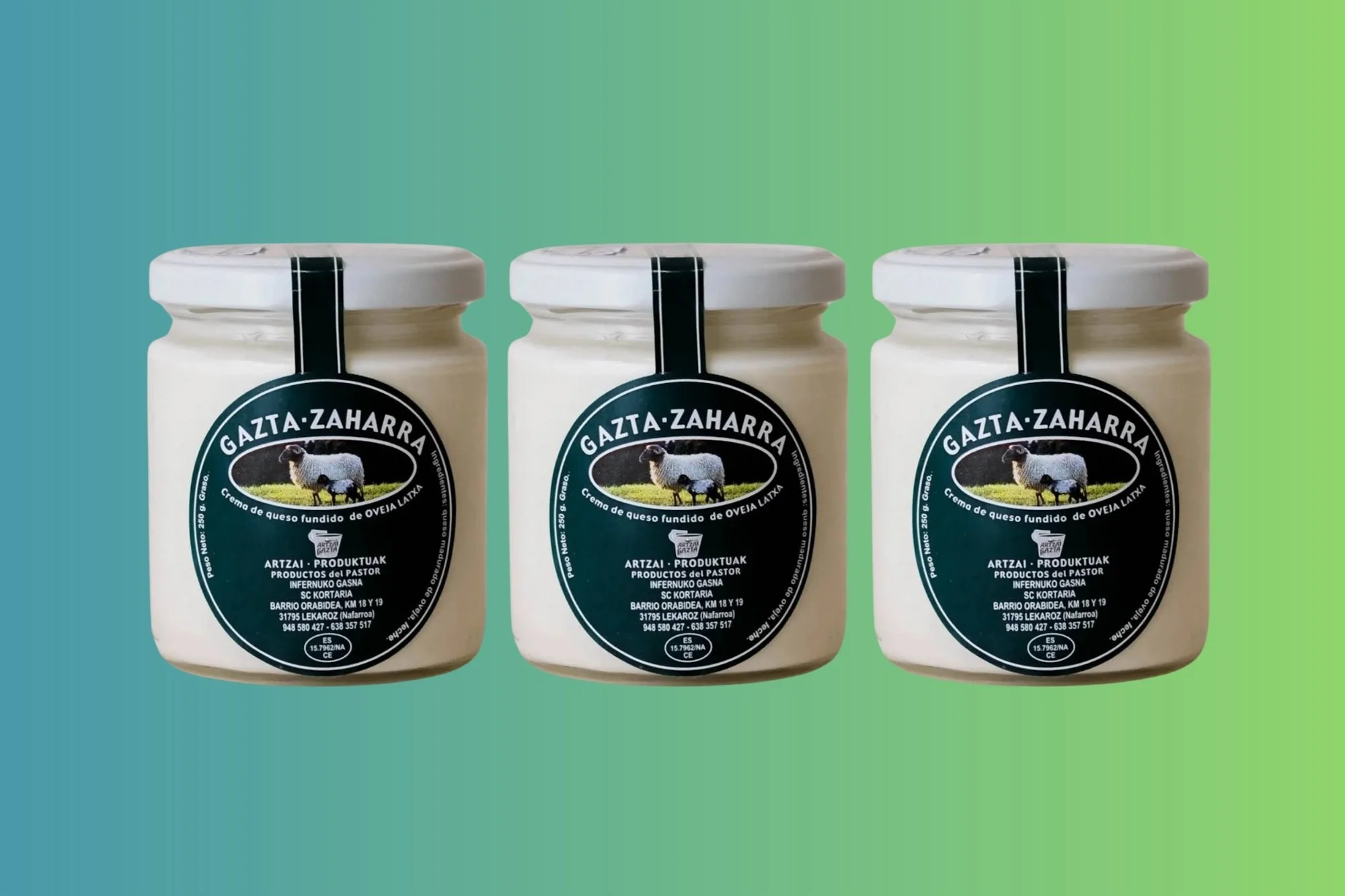
Gazta Zaharra
From there, cheesemakers are getting more inventive, playing to the region’s artisanal roots. Makers produce their own takes on Ossau-Iraty without PDO restrictions, test washed-rind styles, and create updated versions of Gazta Zaharra, or “old cheese.” At Elkano 1 Gaztagune, it’s sold in jars, soft and spreadable, made from aged Idiazabal that breaks down into something creamy and rich. While most locals remain loyal to Idiazabal, Roso encourages customers to try lesser-known cheeses alongside the classics.
Sheep’s Milk, Two Ways
Both sides of the Basque Country favor sheep’s milk, but French producers focus on PDO rules and consistency, resulting in firm, nutty cheeses with a clear structure. Spanish producers highlight seasonality and artisanal techniques, which create younger, softer, and sometimes bolder cheeses that reflect the landscape.
Texture, flavor, and presentation differ: French cheeses are often dense and uniform, while Spanish cheeses vary from delicate and creamy to pungent and robust. Both offer a taste of history, landscape, and tradition, whether it’s centuries-old or freshly inventive. There doesn’t have to be a winning side, though. Both tell stories of the people, the pastures, and the seasons.