
How "A Cheese Course" is Spreading Cheese Love
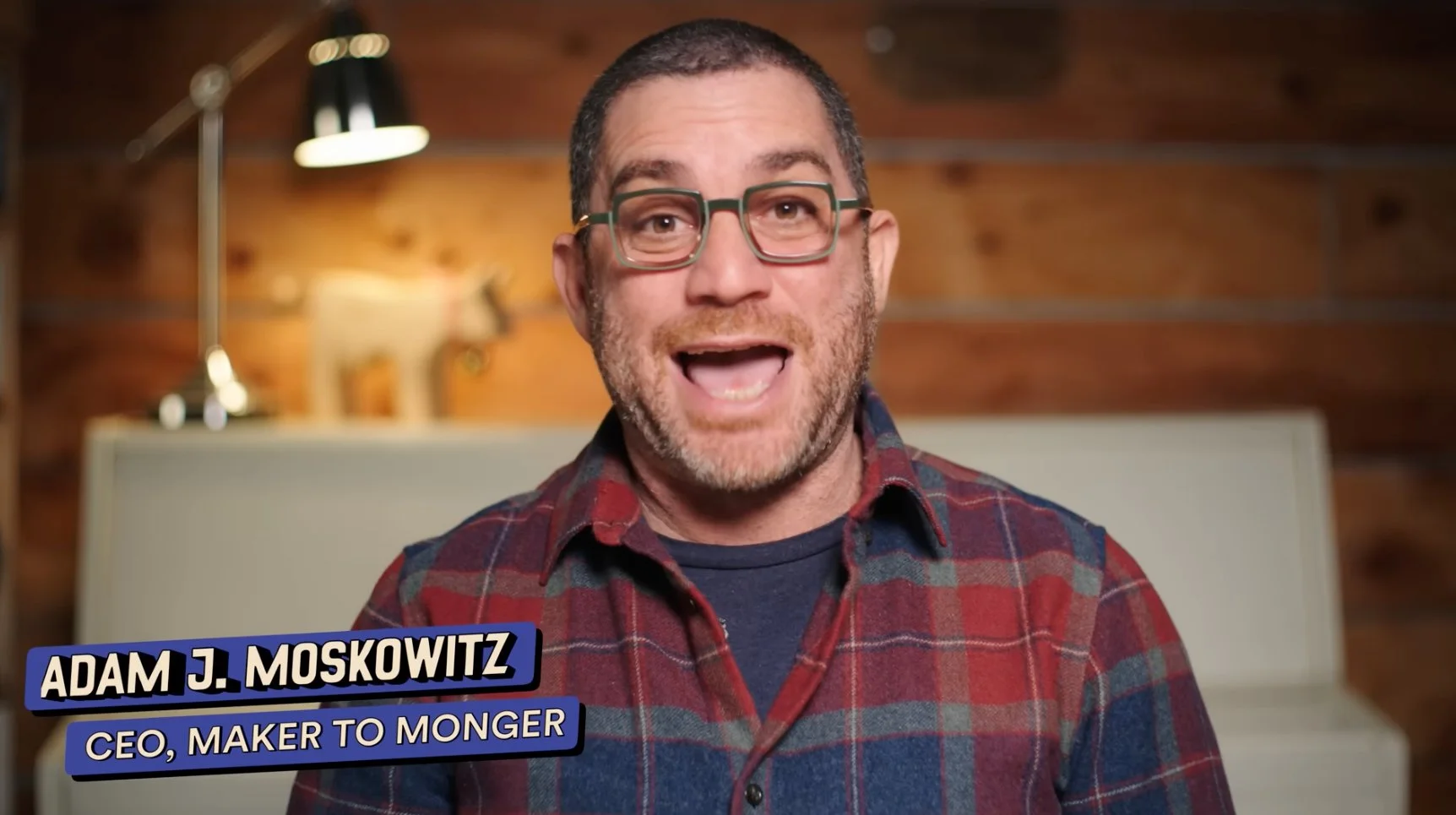
Adam J, Moskowitz, host of A Cheese Course
“My life’s work, my life mission, my life objective, on a daily basis, is to shepherd meaningful connections,” says Adam Jay Moskowitz, on the topic of his new podcast/talk show, currently hosted on YouTube, called “A Cheese Course.” Hearing him speak of it, the word “shepherd” here is in no way accidental. Key characters in cheese lore, shepherds feature highly in cheese storytelling. Through shepherds, we get myriad tales such as how blue cheese was invented and why Alpine wheels are as large as they are.
Cheese is the metaphorical safety to which Moskowitz-as-shepherd clearly intends to lead us; the medium through which he forges meaningful connections. This also has a deeper meaning, as Moskowitz’s life story, well-known among the cheese community, involves a harrowing tale of addiction. He frequently credits cheese as part of the mechanism that led him to safety. Perhaps you, or a cheese lover you know, owns a t-shirt or tote proclaiming, “Last night a cheesemonger saved my life.” It’s pithy marketing, sure, but it’s also, for Moskowitz, what actually happened.
As a cheesemonger, cheese importer, cheese educator and event producer, cheese media personality, and CEO of Maker to Monger, “from the beginning, part of my role, part of my legacy, part of the responsibility that I've taken upon myself is shining the spotlight on us,” says Moskowitz, “and by ‘us’ I mean cheese, cheesemongers, and cheese makers.” With that in mind, Moskowitz’s latest project, a podcast called “A Cheese Course,” is a savvy move by someone who isn’t shy about microphones or stages — those who’ve been present at Moskowitz’s annual Cheesemonger Invitational know exactly what I’m talking about — to bring cheese to an ever wider audience.
A QUick Taste of ‘A CHEESE COURSE’
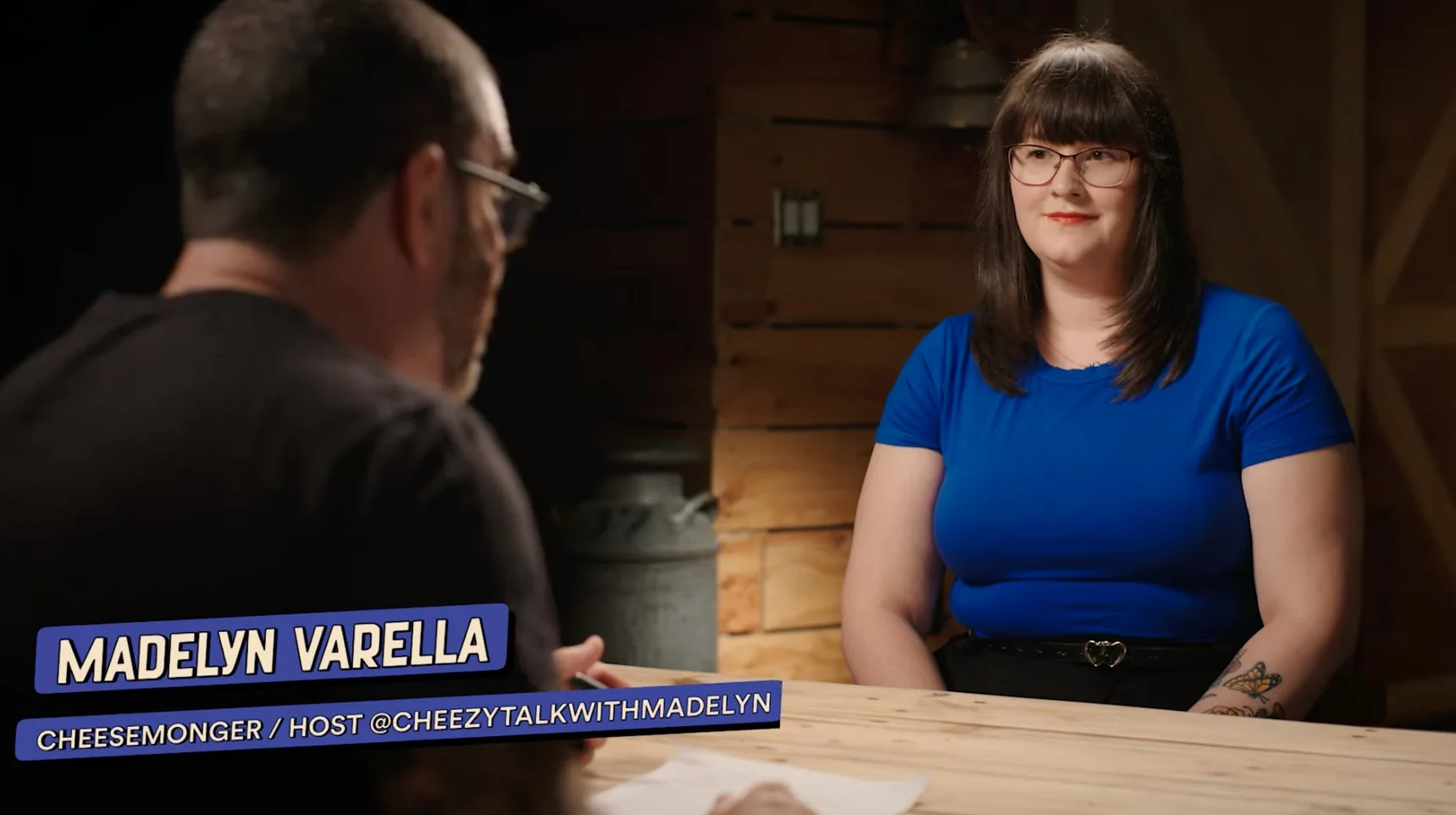
Moskowitz interviewing Madelyn Varella
The format of each of the eight, roughly 30-minute episodes of the first season of “A Cheese Course” follows a set structure. Moskowitz introduces the episode with a clever bit of script: “Where we ruminate on what we love while we eat what stinks…in a good way.” (With a nice bit of aside camera work to deliver the implied wink on “in a good way.”) “It’s about passion and purpose, happy accidents, and about how five courses of cheese can feed deeper conversation,” Moskowitz declares in the season one trailer.
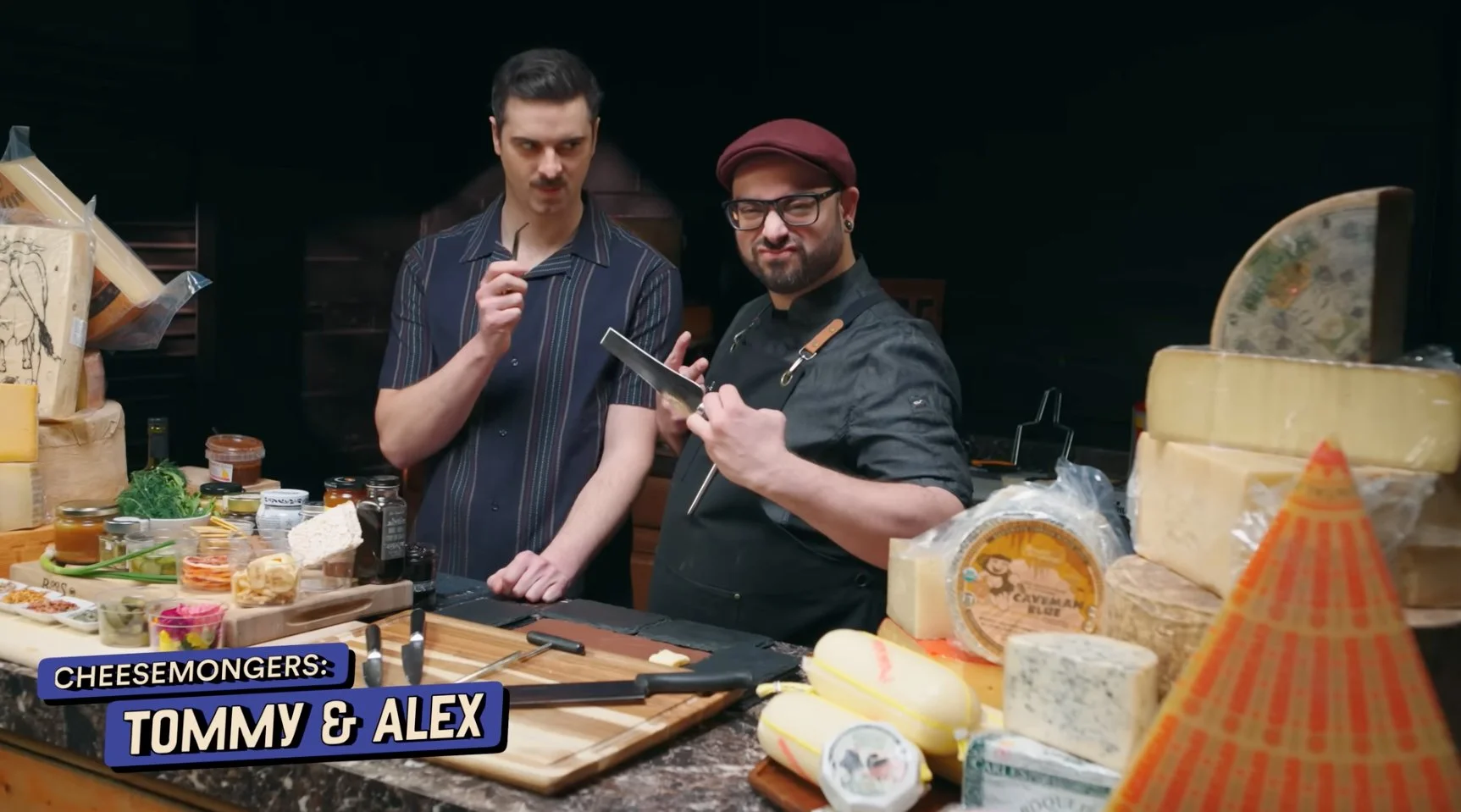
Cheesemongers Tommy Amorim and Alex Armstrong
Moskowitz kicks off the conversation by introducing his guest and getting them talking about themselves, and the conversation goes where it goes, a testament to both Moskowitz’s preparation and ebullient personality. This is punctuated with the arrival of various cheese courses that serve as teaching moments or additional conversation starters unto themselves: composed bites devised and plated by Moskowitz’s “house band” of cheesemonger “hunks,” with whom he also frequently riffs throughout: Tommy Amorim and Alex Armstrong. (More on those bites below.) Pop up graphics also help define various components of cheese or cheesemaking.
In short hand, Moskowitz describes the show as “Hot Ones, but with cheese.” (“Hot Ones” famously features celebrities in conversation with host Sean Evans while they make their way through increasingly spicier chicken wings.) According to Moskowitz: “Instead of melting your face, we melted apart with cheese.”
Toward the end of each episode a “what the funk?” sequence involves rapid-fire, cheese-themed questions to the featured guest: i.e. best cheese for a picnic, what cheese would you be if you were a cheese, and best desert island cheese. It’s as telling as anything about a person when they answer the latter with “whatever cheese is most nutritious,” as two of Moskowitz’s guests did.
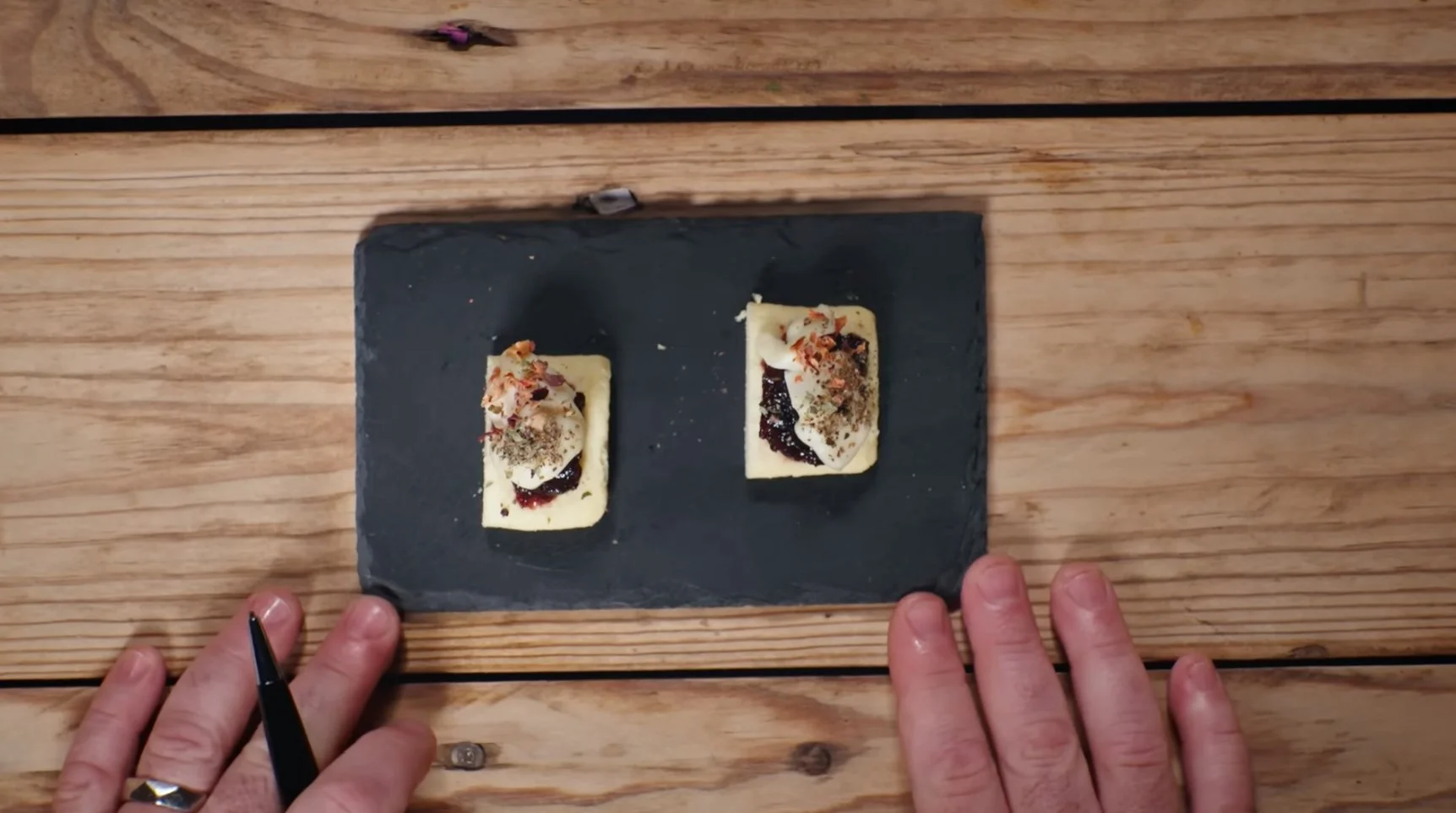
Sample cheese course
Bespoke music credited to Glen Brady underscores the opening, the delivery of cheese courses, and closing credits; delightfully absurd snippets with lyrics such as “I love cheese, you love cheese, when two love cheese, we eat more cheese.” It follows that Moskowitz named Jemaine Clement among his dream guests for the series — the music is definitely “Flight of the Conchords”-coded. (Flight of the con-curds? Sorry, had to.)
The Who and Why of ‘A Cheese Course’
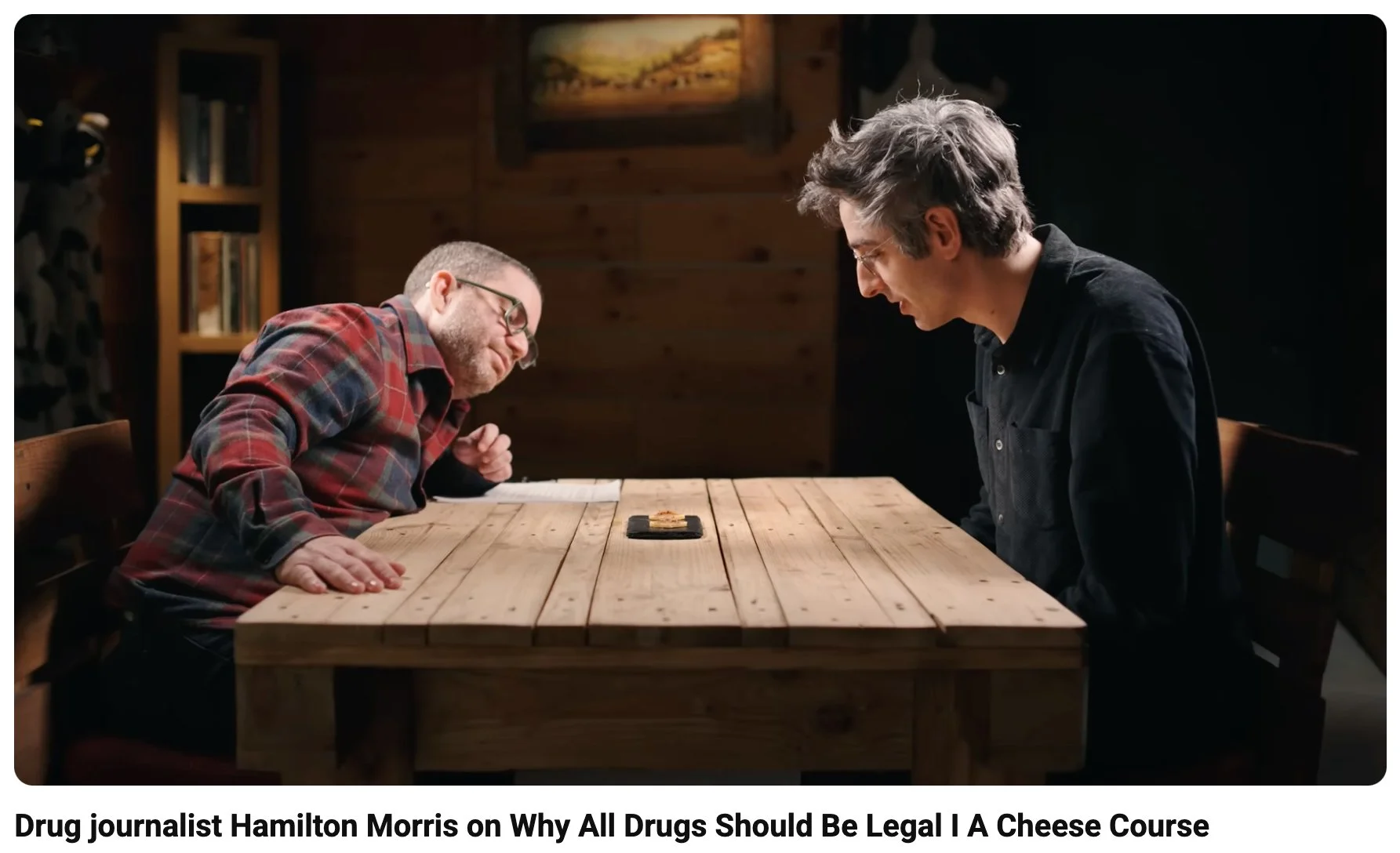
Examining cheese with Hamilton Morris
There’s plenty in “A Cheese Course” for those who are already minted as cheese people, but that’s not at all the point, according to Moskowitz. Season one was clearly a carefully calibrated gambit to honor his built-in cheese following, but to include guests who would also appeal to a wider audience, a vital part of the mechanism of giving cheese a bigger megaphone. This motive has already proven itself: as of this writing, the mostly widely viewed episode is with drug journalist Hamilton Morris. “My audience skew right now is 90% male, 18 to 34,” says Moskowitz.
In terms of recruiting guests, knowledge of cheese was wholly unnecessary. “The simple question is, do you love cheese?” says Moskowitz. “I really love interviewing people, and I wanted to talk to people that fascinate me — definitely a lot of artists and entrepreneurs — and I wanted to show a variety of people, with the one through line being that they’re insanely passionate about what they do.”
To honor his well-established acolytes, the first season does include cheese personalities such as cheesemaker Allison Hooper, and cheesemonger/influencer Madelyn Varela. Other cheese-adjacent, food-centered guests include chefs Abby Kirn and Brad Leone, and food media icon Kat Craddock; but also featured are those with no apparent link to the cheese industry: drug journalist Hamilton Morris, sculptor Barry X Ball, and musician Ron Pope.
There is some talk of cheese — including a spirited discussion with chef and olive oil maker Abby Kirn about the necessary biological mechanisms behind cheese, i.e. “cheese f**ks” — but there is also just deeper talk: about self-actualization, the psycho/spiritual connection in hunting, and the very nature of artistry. Interesting themes often arise along with the cheese courses, designed to help connect people with their senses and more importantly, their vocabulary about their senses, unlocking memories, and giving people permission to react and name what they’re experiencing without overthinking.
It must be said, however, that while the cheese may be just a catalyst for further conversation, it’s hardly a mere supporting character in the show. “I think what we're doing with the cheese is Michelin-level stuff,” says Moskowitz, and indeed the bites are a masterclass in cheese pairing, involving multiple unique components and various textures. For example: squares of crunchy Belgian Gouda OG Kristal with spiced maple cream, a black lava sea salt cashew, and a shaving of bourbon dark chocolate. (And yes, this was aptly built into a discussion about the potentially addictive properties of cheese.) The bites are designed, in every sense of the word, to prompt curiosity and examination, and to elicit a big response.
“A Cheese Course” in the Future
Having recruited guests for season one based solely on his ability to sell the idea without tangible evidence, “season two is shaping up to be insane,” says Moskowitz. “Like, I'm gonna have people on that people are going to wonder, ‘how the f**k does Adam know these people?’ Now that we have stuff that’s actually viewable, it's less of a tough ask.” With season two in pre-production, Moskowitz says that there’s actually a waiting list of those who are starting to approach him about being on the show. Without spoiling any potential future surprises, Moskowitz’s wish list for “A Cheese Course” includes actors and astrophysicists, screenwriters and standup comics, quarterbacks and conservationists. The bigger, the better.
The goal of all of this, of course, is recognition. Moskowitz loves to be seen and feel seen, yes, but mostly because of what he believes it can do for the industry that saved him. “I never wanted this to be a cheese show,” he says, “I wanted it to be a talk show with cheese. I’m trying to make something that could have 100 episodes. I’m trying to make something that anybody could watch.”