
The Rise of Mexican Cheese: 6 Styles to Know
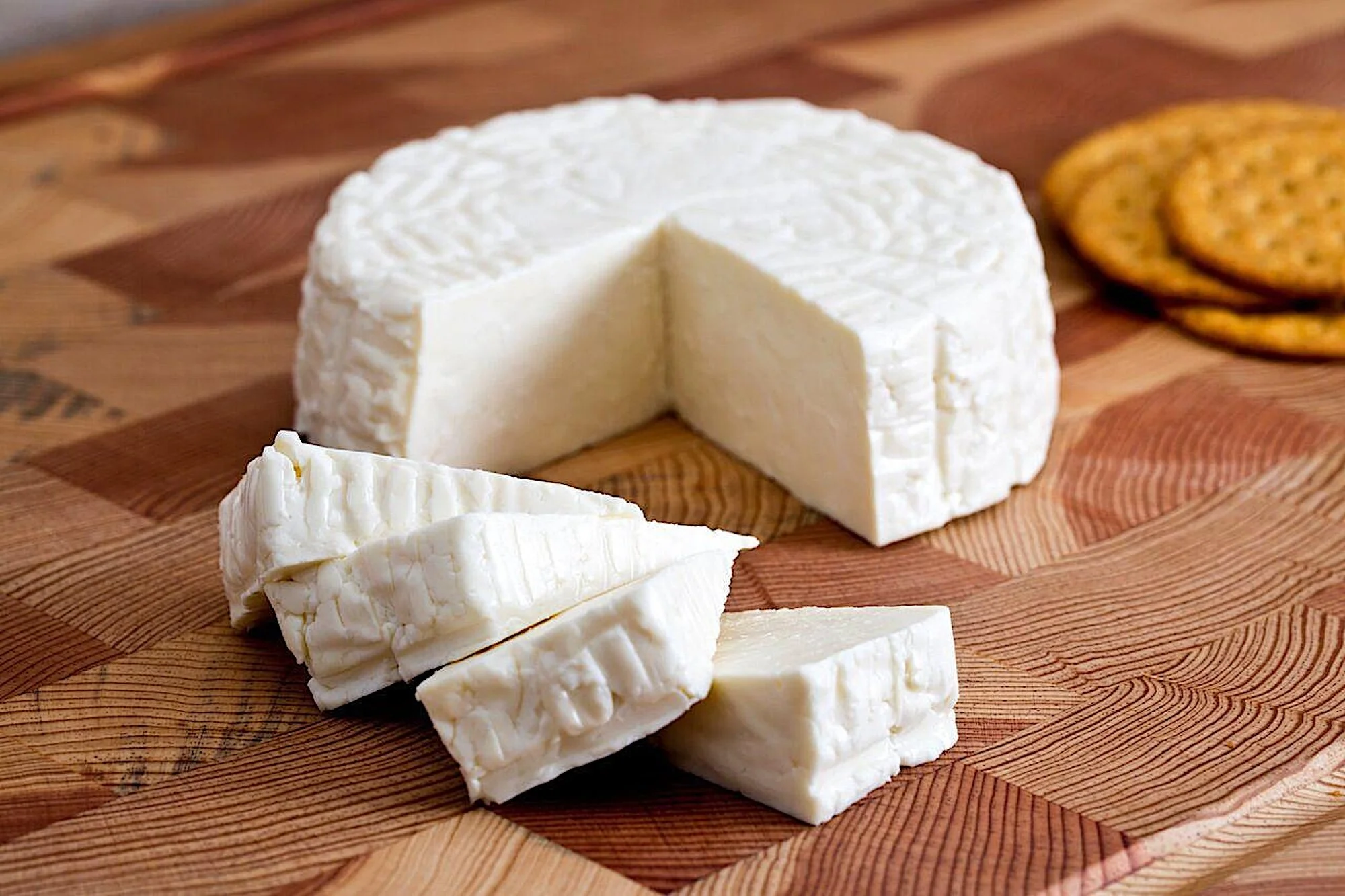
Panela entera by Marcelagt6 is licensed under CC BY-SA 4.0
For many Americans, cheese defines their idea of Mexican cuisine. But while many US consumers associate Mexican food with mass-produced shredded “Mexican cheese blends,” the category of Mexican cheese actually includes a plethora of different styles, from the meltable Oaxaca to the aged Menonita.
Americans have long celebrated countries like France, Italy, and Greece for their cookery – and more specifically, their distinct contributions to the universe of coagulated dairy products – yet have largely overlooked similar contributions from Mexico.
“Traditionally, Mexican cheese is used either to incorporate into a dish or to finish it off by sprinkling fresh cheese on top,” says Rodolfo Navarro Aceves, CEO of Quesos Navarro, a family-owned producer of cheeses made with milk from Jalisco farmers.
Recently, however, many US cheese buyers and enthusiasts have approached Mexican cheeses with a desire to both embrace and innovate. Will 2026 be Mexico’s year? Learn about the history of cheesemaking in Mexico, top cheese styles worth actively looking for, and what experts predict for the future of Mexican cheese.
Cheese in Mexico: A Brief History
Much like the introduction of tomatoes and corn into European cuisine, which led to the existence of pizza, pasta sauce, and polenta), dairy has shaped the evolution of Mexican cuisine for centuries.
Pre-colonization, the dairy industry did not exist, because goats, cows, and sheep are not native to the Americas. This changed in the 1500s when conquistadors introduced dairy animals and cheesemaking techniques to Mexico.
“The craft of cheesemaking began with the arrival of the Spanish, who introduced cattle, goats, and European techniques,” Navarro Aceves says. “Local communities adapted these methods into the classic Mexican cheeses we know today.”
Most of the earliest Mexican cheeses were simple, fresh, and lightly pressed due to infrastructural and climatic constraints. By the 1700s, regional cheesemaking traditions had evolved to reflect the cuisine, terroir, and most readily available milks in every corner of the 758,000 square-mile country.
“The 18th century saw waves of immigrants from Italy, the Middle East, and Mennonites [of Dutch descent from Canada], each bringing unique cheese styles to Mexico,” he adds.
“This led to the development of distinct regional specialties: fresh, crumbly cheeses in central Mexico; fresh stretched-curd and semi-firm cheeses for quesadillas and baked dishes in central and southern Mexico; and Chester and cheddar in the northern and Pacific regions."
Mexican Cheeses Worth Discovering
Cotija
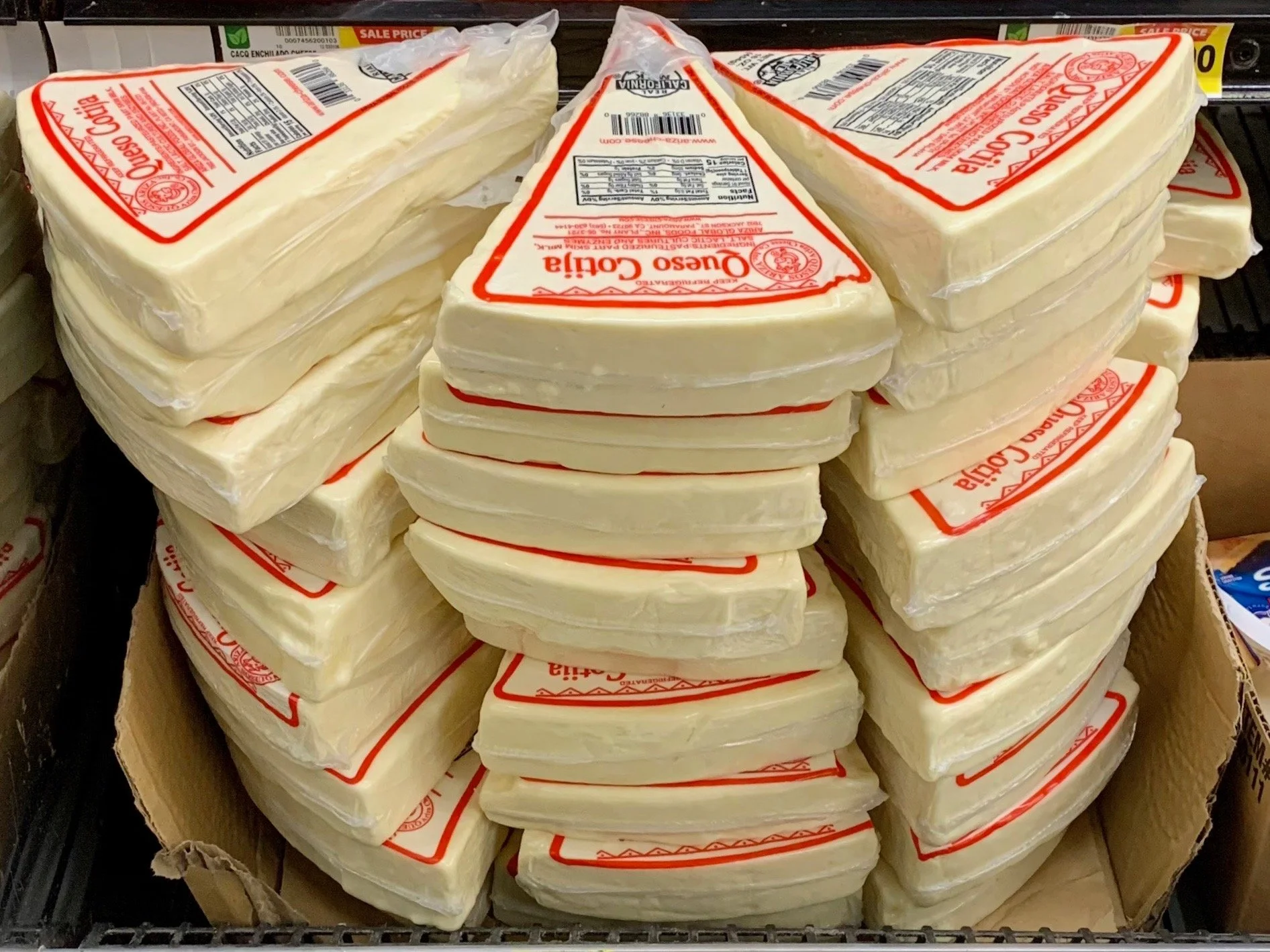
Cotija cheese. Photo credit Ariza Cheese Co.
This firm and salty cow’s milk cheese originates in Cotija, a town in Michoacán. It is a widely recognized cheese that resonates very strongly in the US, says Carlos Yescas, cheese judge, co-author of the book One Cheese To Rule Them All, and co-owner of Lactography, an artisanal cheese distributor in Mexico.
“Frequently used in Mexican dishes, Cotija is firm, dry, and salty, and is commonly used as a finishing cheese,” Yescas says. “It’s normally crumbled or grated over dishes such as enchiladas, elotes, and other corn-based small plates. It often functions in a way that is loosely analogous to Parmesan in Italian-American cooking.”
Oaxaca
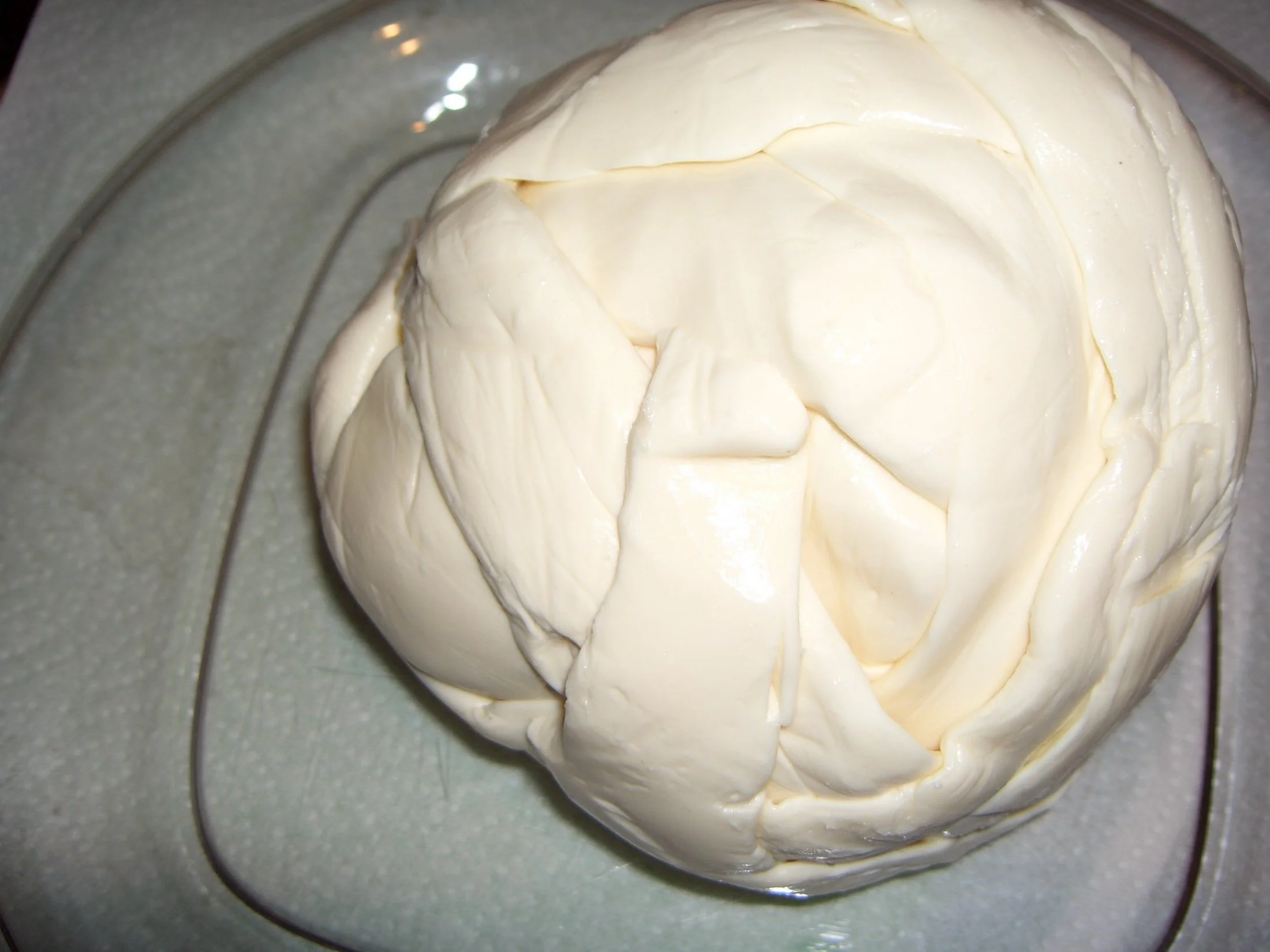
Oaxaca Cheese Ball by El Gran Dee is licensed under CC BY 2.0
Also known as Quesillo, this cow’s milk cheese hails from Oaxaca, and is known for its mild, creamy flavor and meltability.
Along with Cotija, Oaxaca is the most well-known Mexican cheese in the US market, Yescas says. “Oaxaca cheese is supple, with a melty texture that makes it ideal for quesadillas, but is frequently substituted with mozzarella in large-scale or chain settings.”
Panela

Carlos Yescas. Photo credit Cristiano Bonassera
This salty, curd-style fresh cheese is also known as queso de canasta, or basket cheese, for the traditional manner in which it is molded in a basket.
While Panela is excellent when served fresh in cubes, crumbles, or slices, it really shines on the grill, Navarro Aceves says, noting that with heat, the cheese softens but doesn’t lose its shape. Instead, it becomes chewy and pillowy on the inside, with a golden crisp edge on the outside. The result is decadent, especially when served with something unexpected, like his suggestion: raspberry and chipotle jam with dried flowers.
Adobera
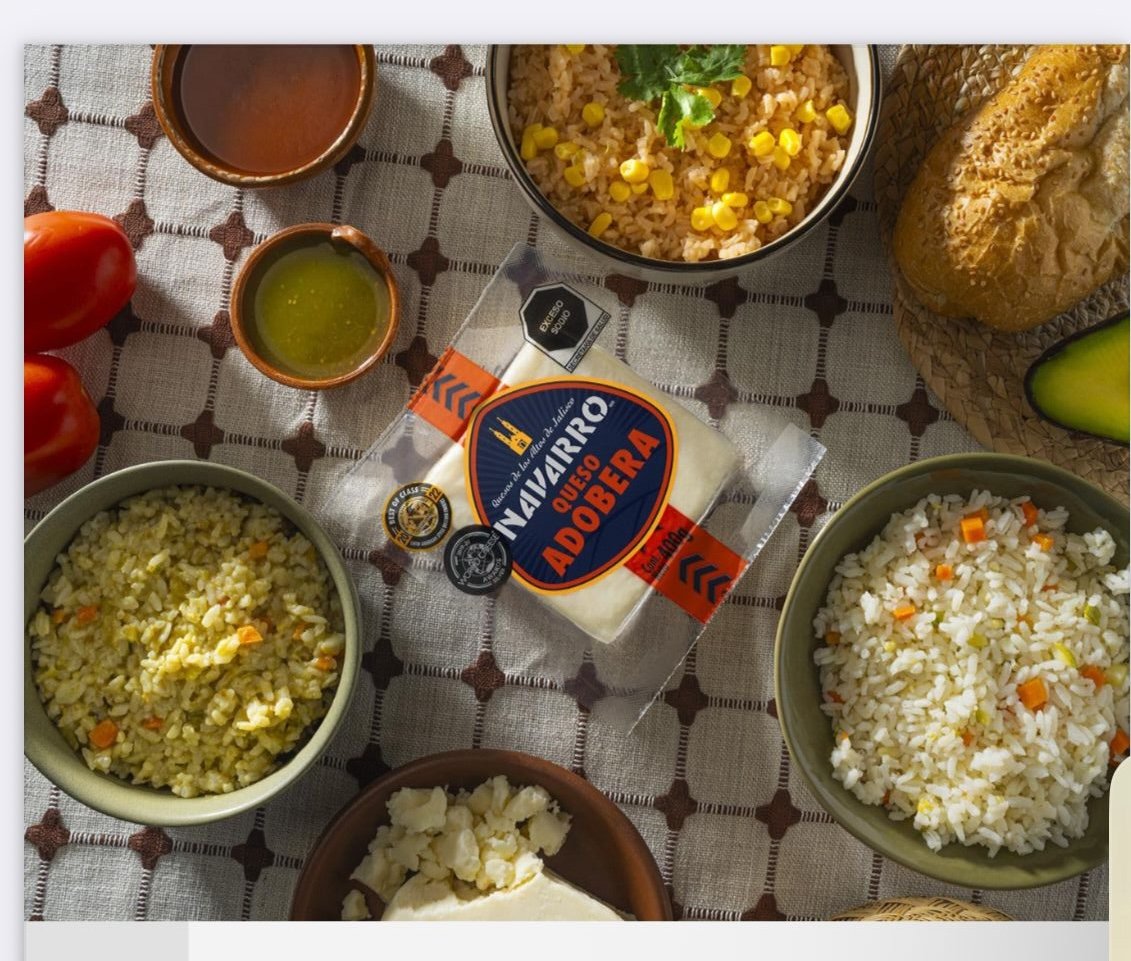
Adobera cheese. Photo credit Quesos Navarro
This lightly pressed, semi-soft cheese is most closely associated with the state of Jalisco. Its soft and springy texture means it doesn’t melt but rather softens while keeping its shape when pan-fried or grilled.
“It’s one of our top sellers in independent shops,” says Navarro Aceves, adding that it has become a favorite among cheesemongers for its popcorn-like flavor.
Fresco and Añejo
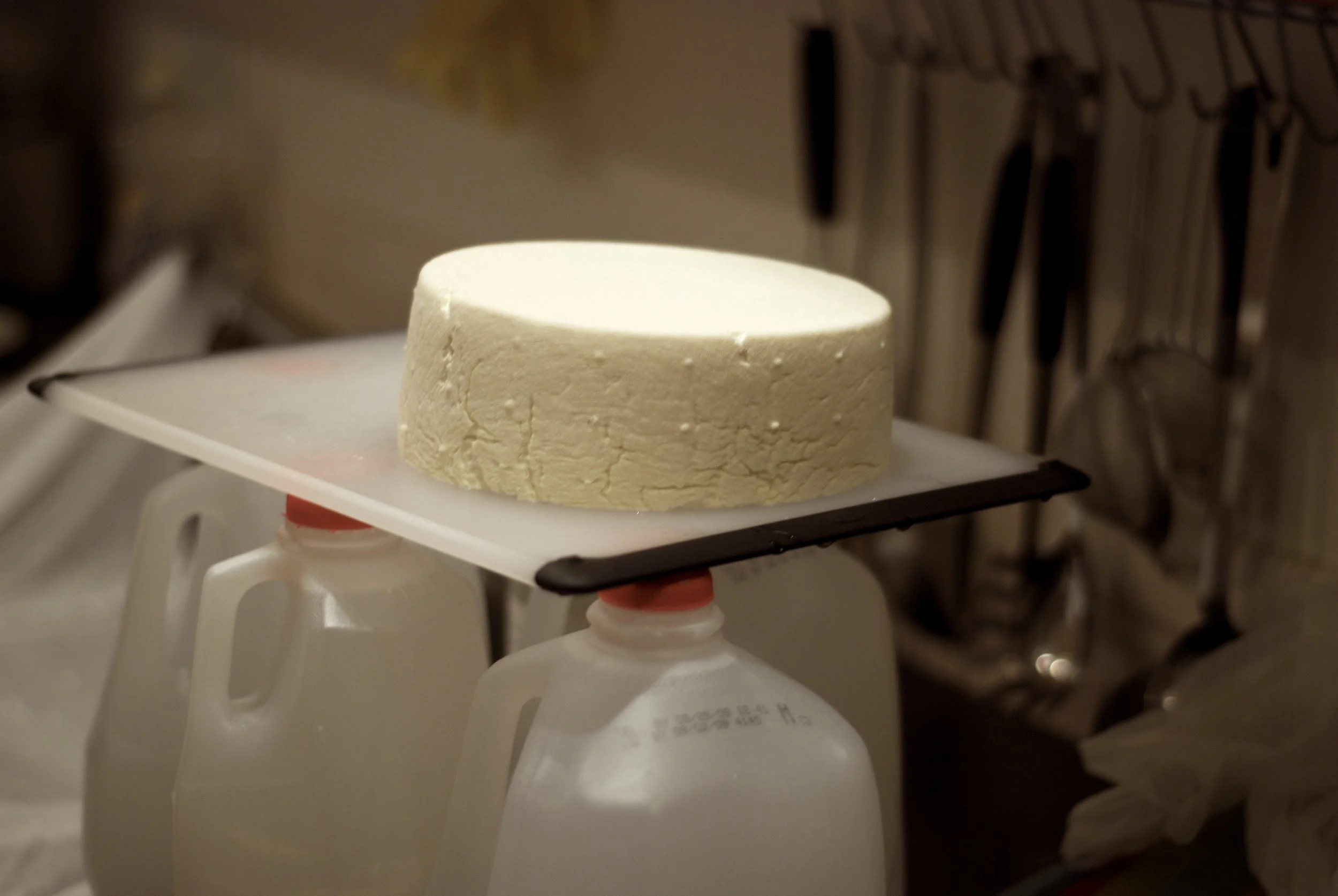
Queso fresco by chispita_666 is licensed under CC BY 2.0
These cheeses are two sides of the same coin, with Fresco being the fresher, softer, milder version of the cheese and Añejo being the aged, firmer, drier, saltier, and more intense version. The Fresco iteration is frequently soft and crumbly, and can be made from cow or goat’s milk. The Añejo is great for snacking, and is also frequently used for grilling or baking.
“These cheeses are leading the charge in the US with artisanal consumers who respond to their versatility and authenticity,” says Navarro Aceves.
Menonita
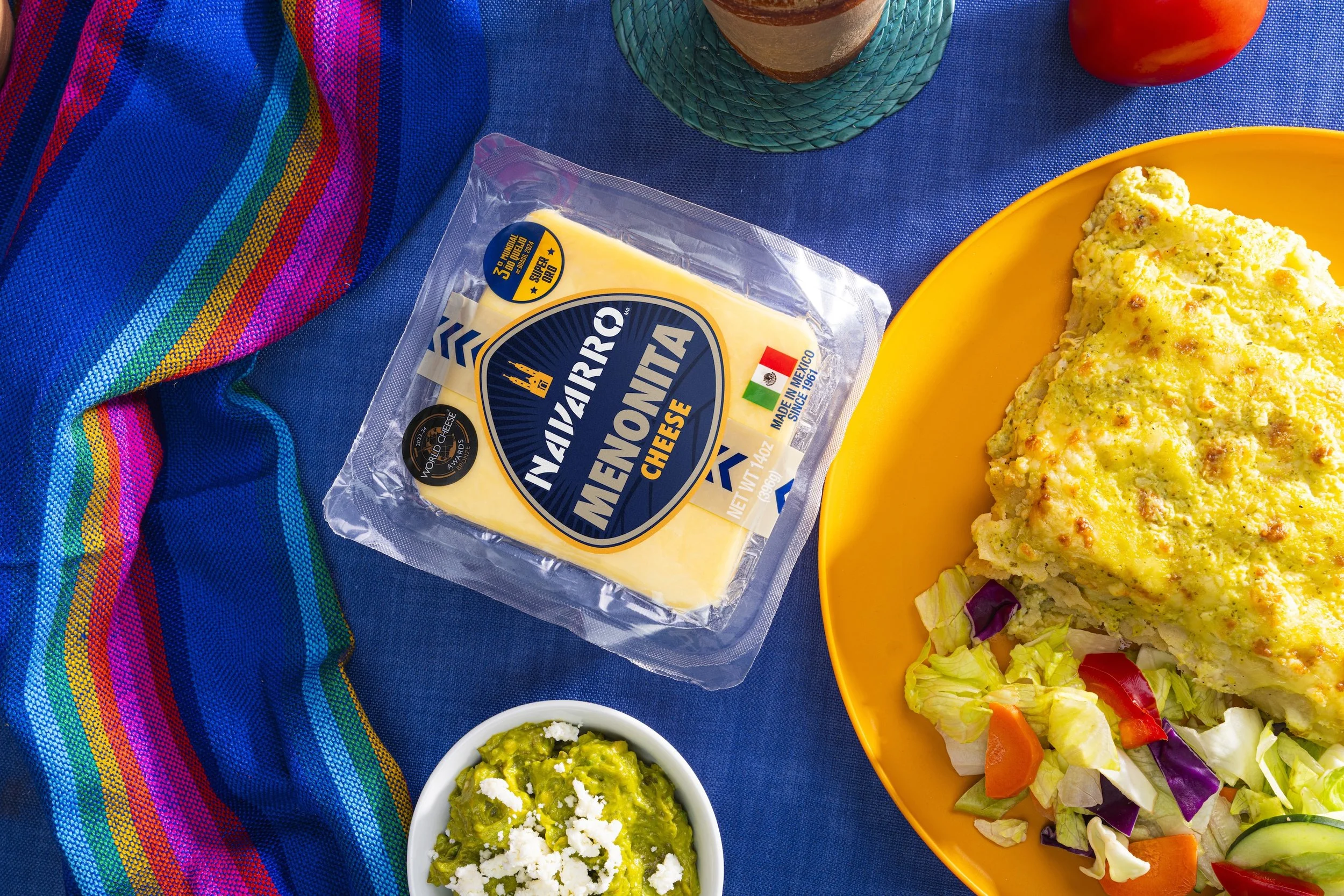
Menonita cheese
This semi-soft cheese from Chihuahua is named for the Mennonite community there who first produced the firm, aged yellow cheese. With its tangy, buttery flavor and light notes of nuttiness, it resembles a young cheddar. Menonita also melts easily, and is often used for tamales and queso fundido.
Navarro Aceves predicts the popularity of Menonita will grow as the US market matures, particularly since the cheese has already become a favorite among professional cheesemongers.
What’s Next for Mexican Cheese
Both Navarro Aceves and Yescas see a bright future for Mexican cheese in the coming months and years, particularly as professionals lavish more attention on the presentation and pairing of Mexican cheeses.
“Overall, US consumers are responding strongly to our Mexican cheeses because they offer authentic, delicious, unique, and versatile options connected to real Mexican cooking,” Navarro Aceves says.
Nationwide, he notes regional variations in demand: Oaxaca, Menonita, and Adobera are top sellers for independent cheese shops in Texas, while fresh styles are in high demand in California.
“In California, Oklahoma, and Texas, we are thrilled to see our products carried by specialty cut-to-order cheese shops, selling both pre-cut pieces and including our fresh and melting cheeses in their pre-order cheese boards,” he says.
He also believes there will also be room for growing experimentation among cheesemongers and curd nerds alike. He cited the use of regional cheeses like Fresco and Adobera in top pairing competitions such as the 2025 Cheesemonger Invitational.
One example of this might be the way Yescas likes to serve Oaxaca cheese: dressed lightly in avocado oil alongside mango jam and membrillo. Explains Yescas: “Framed this way, the cheese retains its identity while inviting people to experience it outside its usual context as a cooking cheese.”