
Can Tourism Save Artisan Cheese?
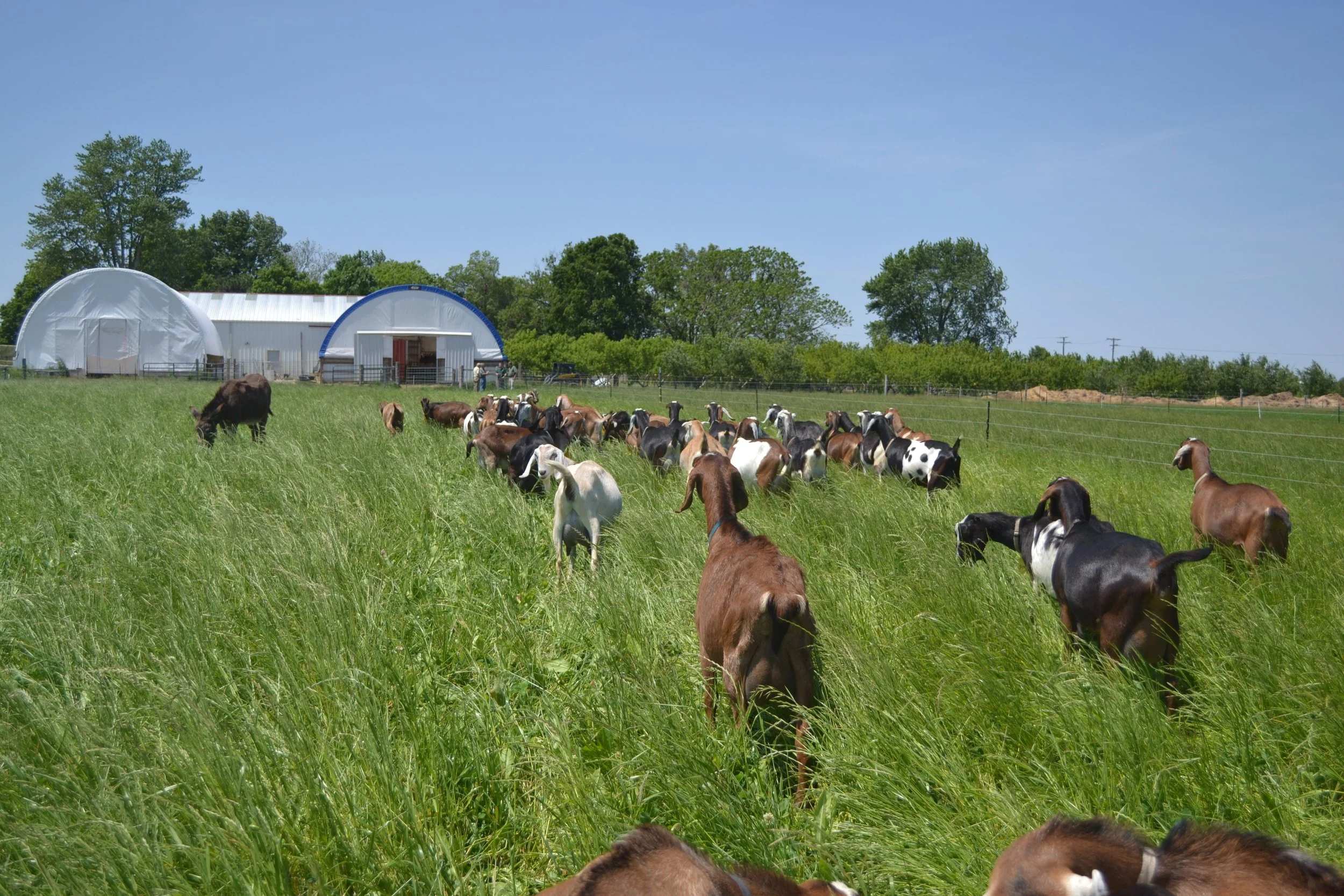
Goats in pasture - courtesy of Prairie Fruits Farm and Creamery
The University of Illinois Champaign-Urbana is the largest college in the state, in a metro of about 240,000 people. About five miles outside the campus, locals and visitors take classes in pasta making, basket weaving and forest bathing. That might sound like some kind of community enrichment program, and it kind of is, but it is also taking place at the home of what might be Illinois’ longest-lived, locally-owned artisan cheese operation. Yes, we are talking about Prairie Fruits Farm and Creamery.
New Directions for the Farm & Creamery
Many in the US artisan cheese community are familiar with the company’s outstanding farmstead goat cheeses. But you might not know that it is under new ownership. Leslie Cooperband and her husband Wes Jarrell established the farm in 2004, and in 2024 they completed the sale to a neighboring company owned by Lauren and Jeffery Brokish. Salt Fork Food Works (they call it an ecosystem) consists of food-centric businesses in central Illinois including a bakery and multiple boutique grocers. The new owners have maintained the cheesemaking operation and staff, but have added layers of complexity to the business, including an enhanced slate of learning experiences.
In southern Georgia, Sweet Grass Dairy has also been operating a farm and a creamery for decades, and the business has grown steadily. Since 2010, the company has also owned a cheese shop and restaurant in Thomasville, near the creamery, but it does not offer creamery tours. In past years, Sweet Grass has also run a week-long summer day camp at the farm for children ages 3 to 8. It also runs restaurants offsite.
Risks & Rewards of Cheese Tourism

Alex Coenen, president of LaClare Creamery
Any food-making operation—and in particular a farmstead cheese operation—must proceed cautiously when considering whether or not to allow public visits. Cross-contamination and public safety are among the issues of concern. But where it can be done safely and effectively, opening the gates to families can not only help build community and brand recognition but also provide additional revenue streams in an industry that often poses severe financial challenges. While coaxing milk into cheese remains the primary endeavor for the likes of Prairie Fruits, Sweet Grass and Wisconsin’s LaClare Creamery, tourism, on-site sales, and even peripheral education services are providing crucial revenue.
“Creating a place where families can experience the farm-to-plate connection is incredibly important to us,” said Alex Coenen, president of LaClare Creamery. “We want visitors—especially children—to leave with a greater appreciation for agriculture and where their food comes from.”
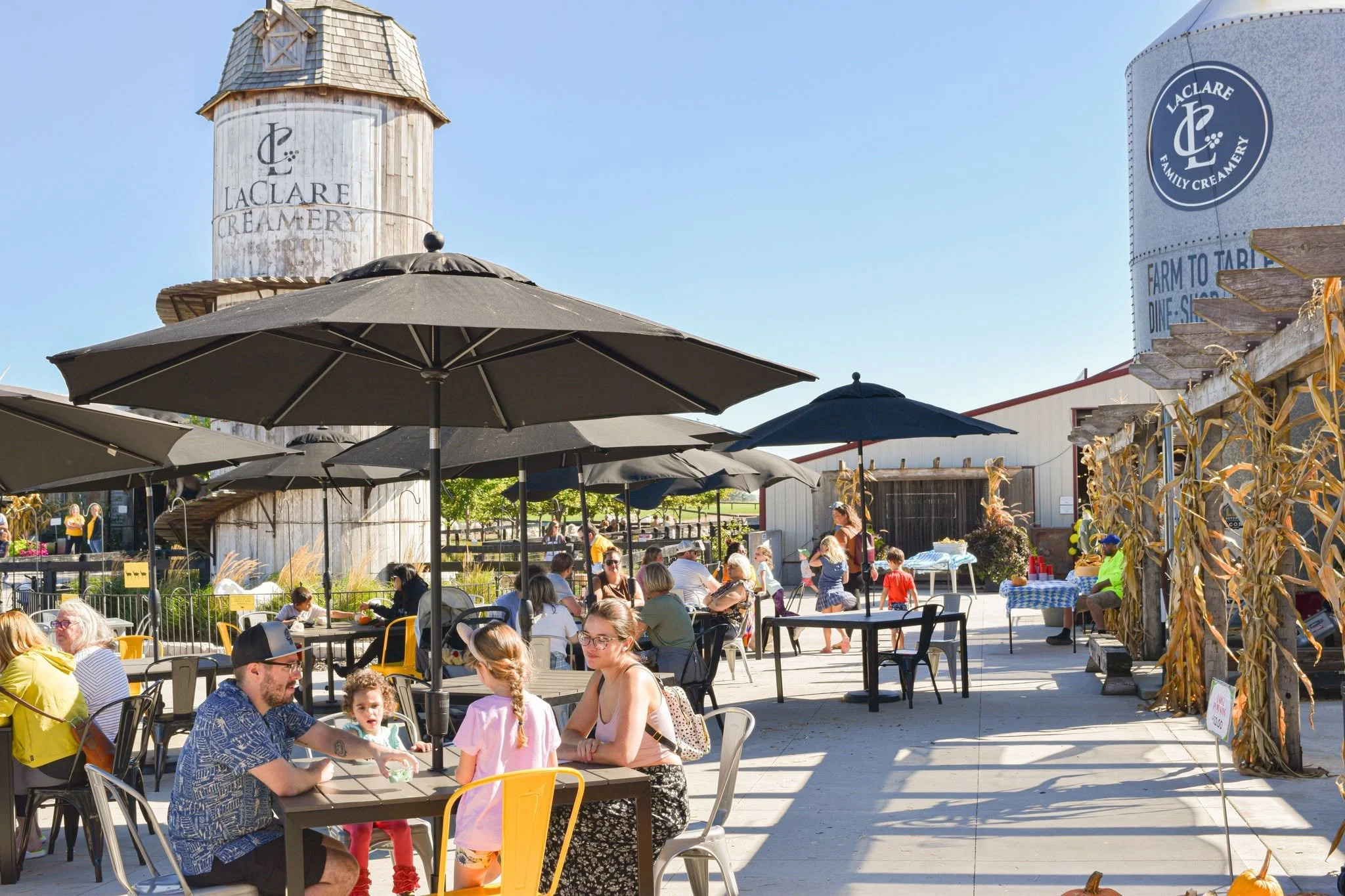
LaClare Creamery Cheese Shop, Cafe, & Goat Farm
LaClare, which produces a full line of fresh and aged goat cheese, offers visitors a free self-guided tour and scheduled guided tours for larger groups. The tours allow guests to watch cheesemaking through large viewing windows, explore the farm, and enjoy family-friendly activities like baby goat snuggles, goat yoga, and seasonal activities. Guests can also visit the cafe and cheese shop to taste LaClare’s award-winning cheeses and learn more about the company’s cheesemaking process. A garden center adds additional appeal seasonally with a large selection of annuals, succulents, vegetables, and herbs.
No Agritourism, Thank You
Throughout the 40-plus year history of American artisan cheese, some producers have opted for a cheese tourism component while others have not. Capriole Goat Cheese in southern Indiana is one of the pioneers, having made its first cheeses more than 40 years ago. It has never allowed walk-in visits. Meanwhile, one of the most awarded cheese companies in America, Uplands Cheese Company, maker of the renowned Pleasant Ridge Reserve and Rush Creek Reserve cheeses, is one of only a handful of Wisconsin cheesemakers that does not operate a cheese shop.
Some rural farm-based cheesemakers choose to locate the public-facing part of their businesses in a nearby town or city. This is the case with Green Dirt Farm, which operates Green Dirt Creamery Cafe in Weston, Mo., a few miles from its sheep farm and creamery. Additionally, Green Dirt on Oak is a farm-to-table restaurant and urban cheese kitchen, located in Kansas City.
In Minnesota, Shepherd’s Way Farms makes farmstead sheep cheeses about an hour south of Minneapolis. The family also operates a cheese shop in the Twin Cities.
Direct Sales = More Profit
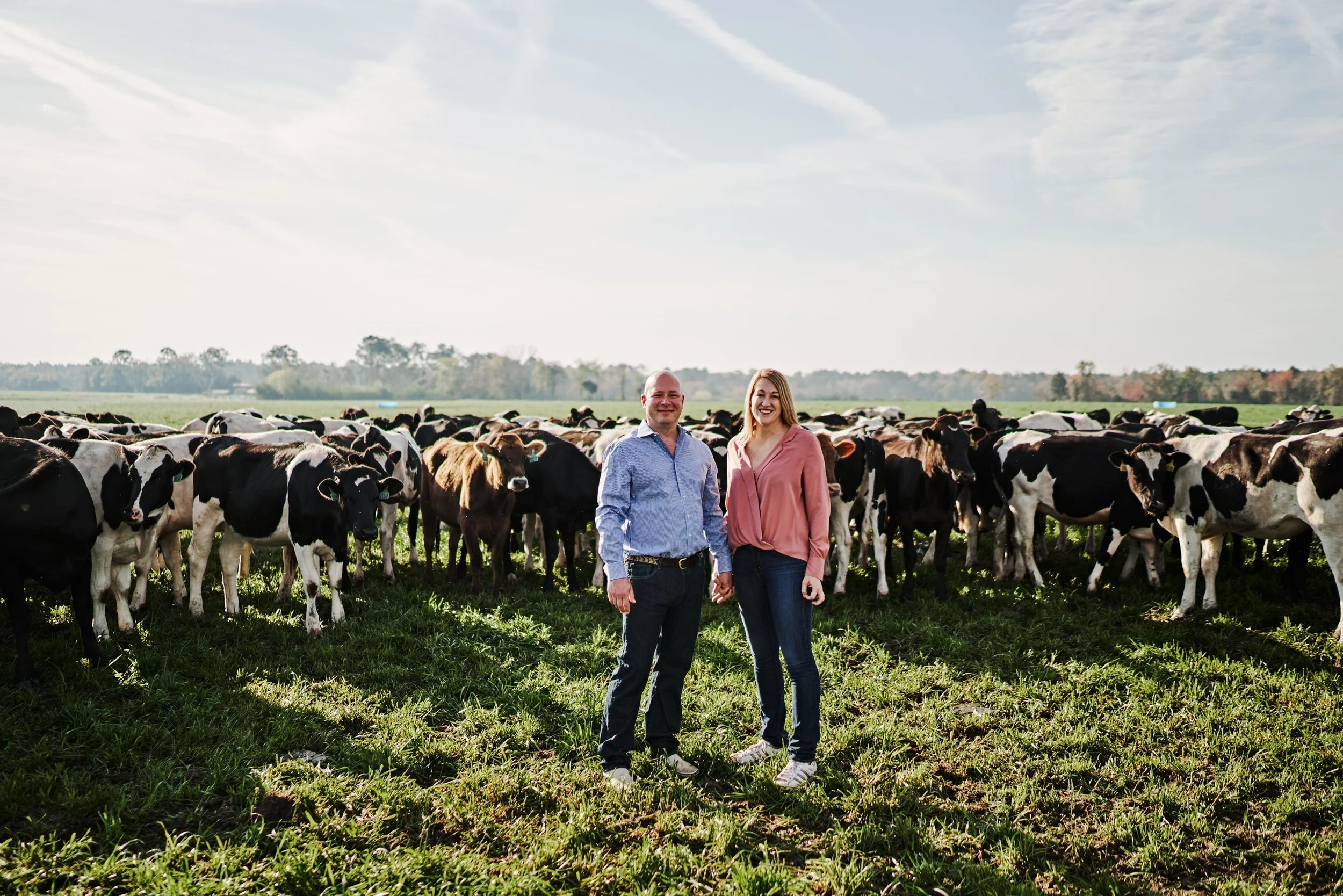
Jeremy and Jessica Little, co-owners of Green Dirt Farm
Back at Prairie Fruits, Lauren Brokish says she and her husband spent a year of transition planning before purchasing the farm and creamery. While they have made almost no changes to cheesemaking and the product lineup, they have worked to bring more people to the cheese and placed less emphasis on wholesale distribution. Cheeses and goat’s milk gelato have been sold on the farm for years, but there is now a greater focus on agritourism.
“We are trying to move out of wholesale,” Brokish says. “We have a fixed amount of pasture and therefore a fixed number of goats. It’s hard to make a profit when you are milking just 100 goats. We want to sell directly to the consumer. You sell a tub to the consumer, and they then identify with the place and the brand. And frankly, we receive more dollars.”
In order to expand the farm visits and activities, Prairie Fruits acquired an $800,000 grant to help build a chef-driven restaurant, Caprae, a larger retail cheese shop, and a classroom. A recent visit to the farm’s website found 18 different educational programs listed, some of them offered twice weekly. Reservations can be made and paid for right on the site. These include everything from pasta making and crafts to two 8-week farm day camps for two distinct age groups. And it’s not just the opportunity for added revenue that inspired the new owners to add a full curriculum on the farm.
“We want to bring more folks out to the farm so that they can see why this matters,” Brokish says. “There is really something special about buying the cheese five feet away from where it was made, and we also want to bring more visibility to Illinois cheese.”
Jessica Little, co-owner of Sweet Grass says the summer camp was rewarding, but there were difficulties staffing it this year.
“We really felt strongly about teaching kids about good food and where it comes from,” Little says. “And there are not that many camps for kids to play in the dirt and get their hands dirty.” As the song famously goes, children are the future. And with any luck, the future of American artisan cheese.
Read more:
Why I Left Cheesemaking After 20 Years
How to Save American Artisan Cheese
Why Academics Turned to Goat Farming at Prairie Fruits Farm & Creamery