
6 Top Vermont Cheesemakers You Should Know
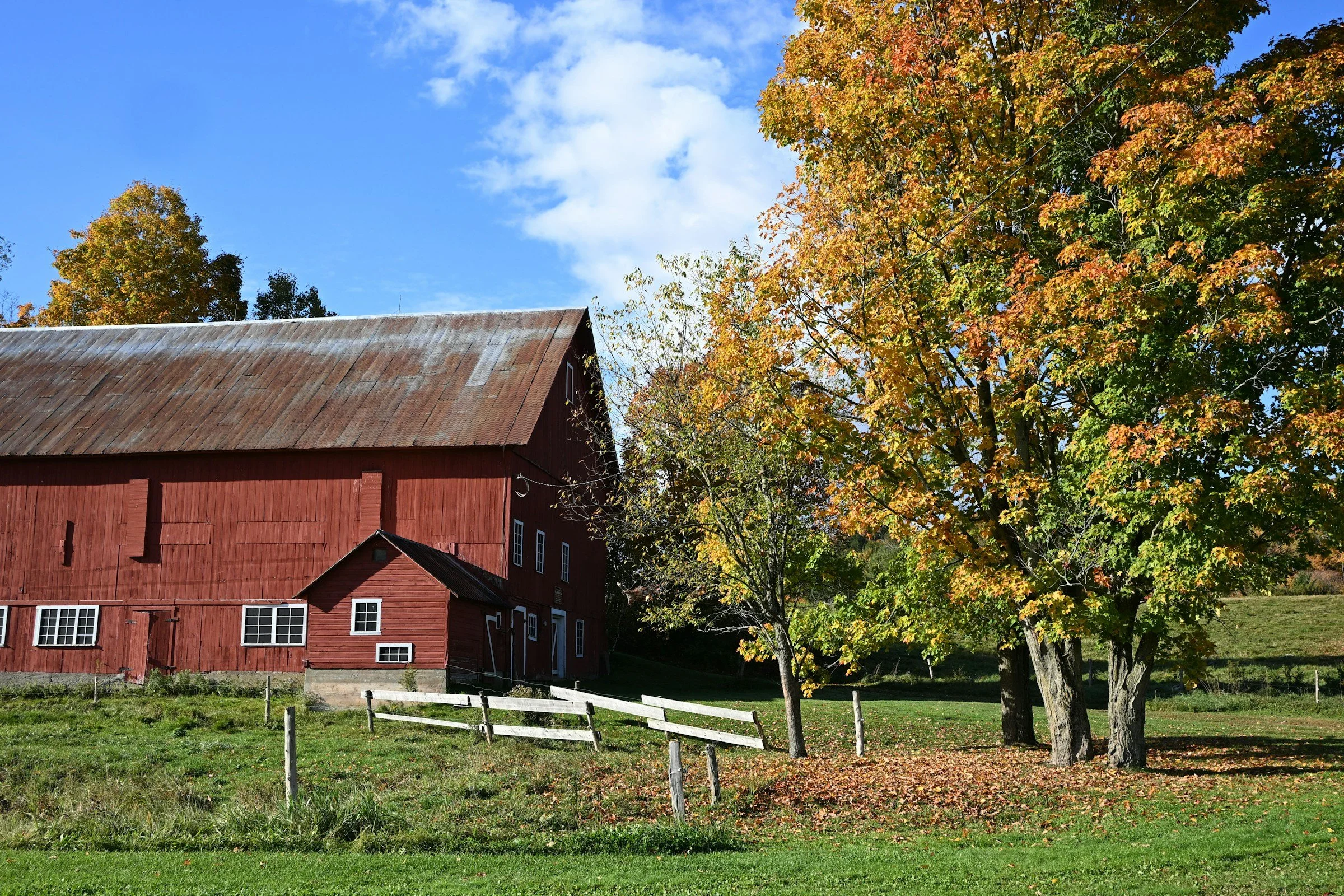
Vermont is well on its way to becoming the Napa of American cheese. Certain brands have exploded in popularity and availability across the U.S., further cementing the state as one of the world's best cheese-making regions. While others are harder to track down, they're worth the search. From a generational farmstead to a 400-farm co-op, here are six Vermont-based cheese producers you should know.
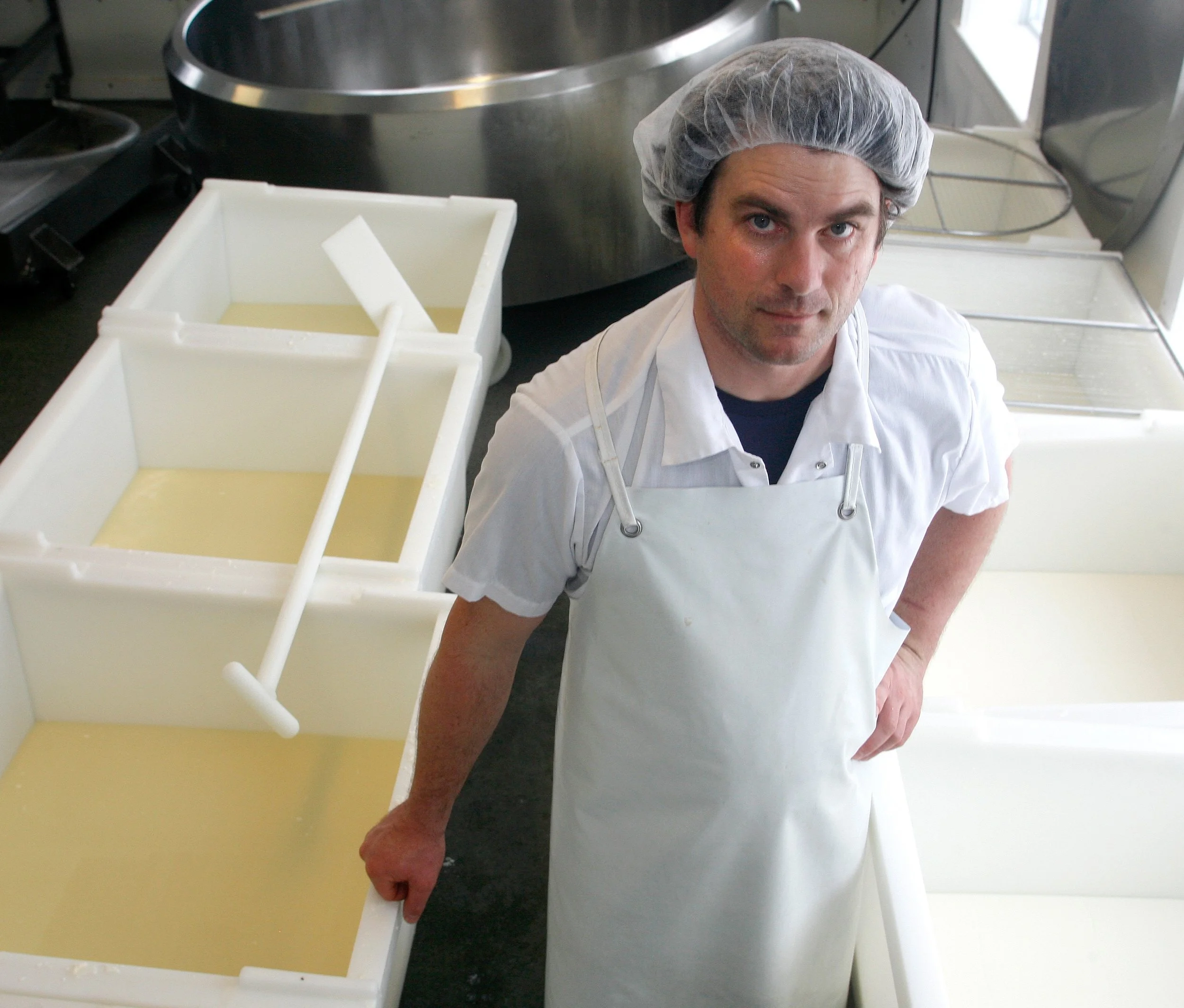
Mateo Kehler, co-founder of Jasper Hill
If you're a fan of American artisanal cheesemaking, you've heard of Jasper Hill Farm. Their bloomy rind cows milk cheese, which is aged with a support ring made of spruce bark, may be their most famous offering. To serve, cut the top rind off and let the cheese come to room temperature. Without additional heat, the cheese will melt into a gooey dip, like fondue without all the hassle. Its cheese is not only unique and delicious, it's made in an old-school way.
"We are soup-to-nuts cheesemaking," says Zoe Brickley, the director of marketing at Jasper Hill Farm. The brand manages its own pasture, dries its own hay, milks its own cows, and of course, makes and ages its own cheese. Every cheese is also cave aged, and sold with a living, natural rind. The only thing stopping the brand from calling itself a farmstead is that it also buys additional milk from its neighbors, which it pays above market price for. "That's our way of paying it forward," she says.
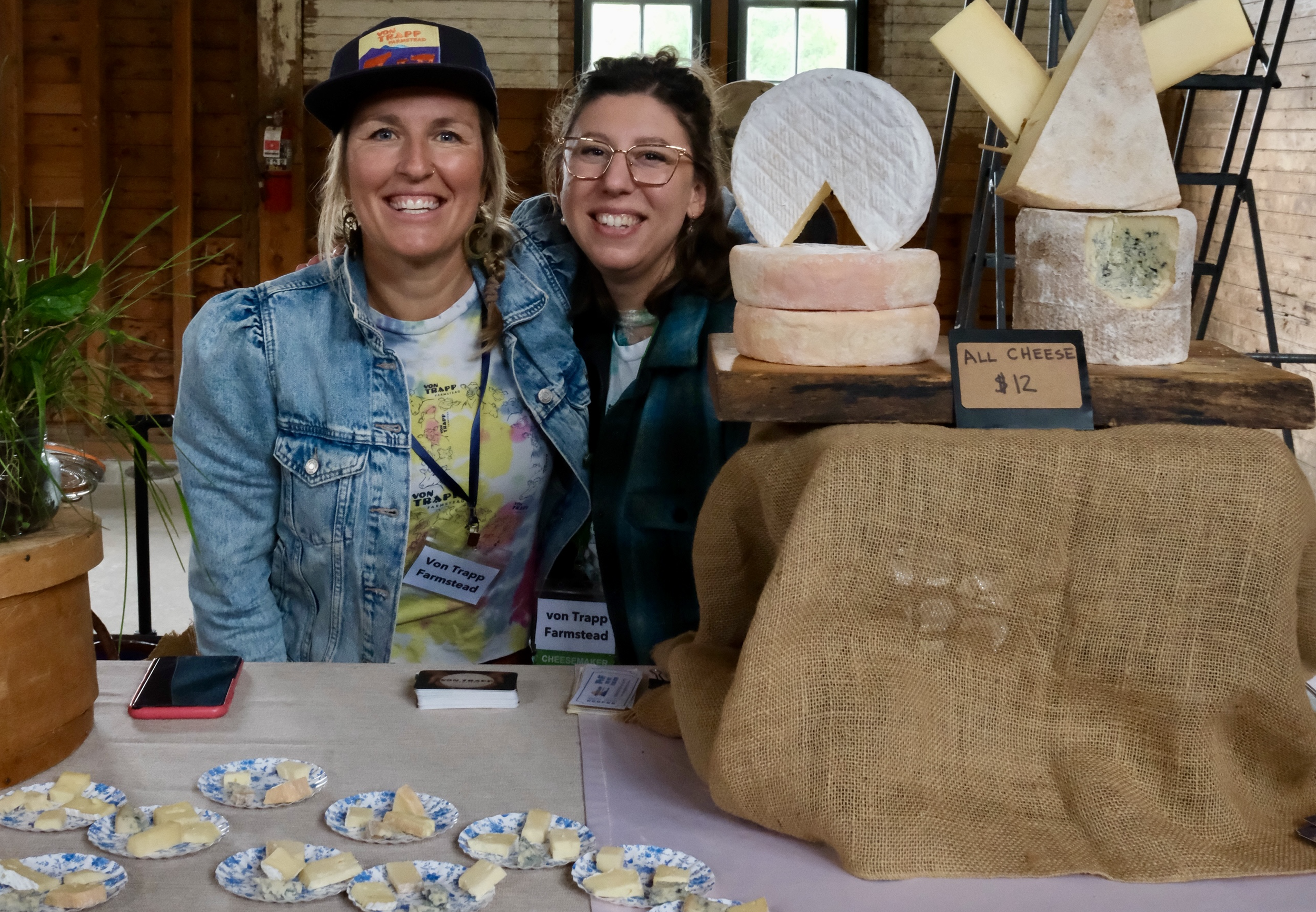
Molly Semler and Olivia Haver of von Trapp Farmstead
Everyone knows the Von Trapp family fled Austria. What they may not know is that the family is real, and the story we know is just the start. After leaving Europe, the family settled in Stowe Vermont, where they began cheesemaking. Now, the third generation, Sebastian von Trapp, and his wife, Molly Semler, run the brand — and Semler is the head cheesemaker. The farmstead only makes four styles of cheese: Mount Alice, Oma, Mad River Blue, and Savage, all cows milk cheeses which range in age from 3 to 14 months and are aged in the vaults below their creamery. The farmstead is certified organic, the cows, of which they have 48, are grass fed, and as Semler explains, "At this stage in the history of cheese, we're one of very few doing what we do anymore. [Farmsteading] has unfortunately become really rare, but I think that that's what we're trying to preserve." While Semler only makes a few cheeses, she makes them well: her cheeses are consistently awarded in the U.S. and on the world stage, with Mad River Blue winning super gold at the 2024 World Cheese Awards.
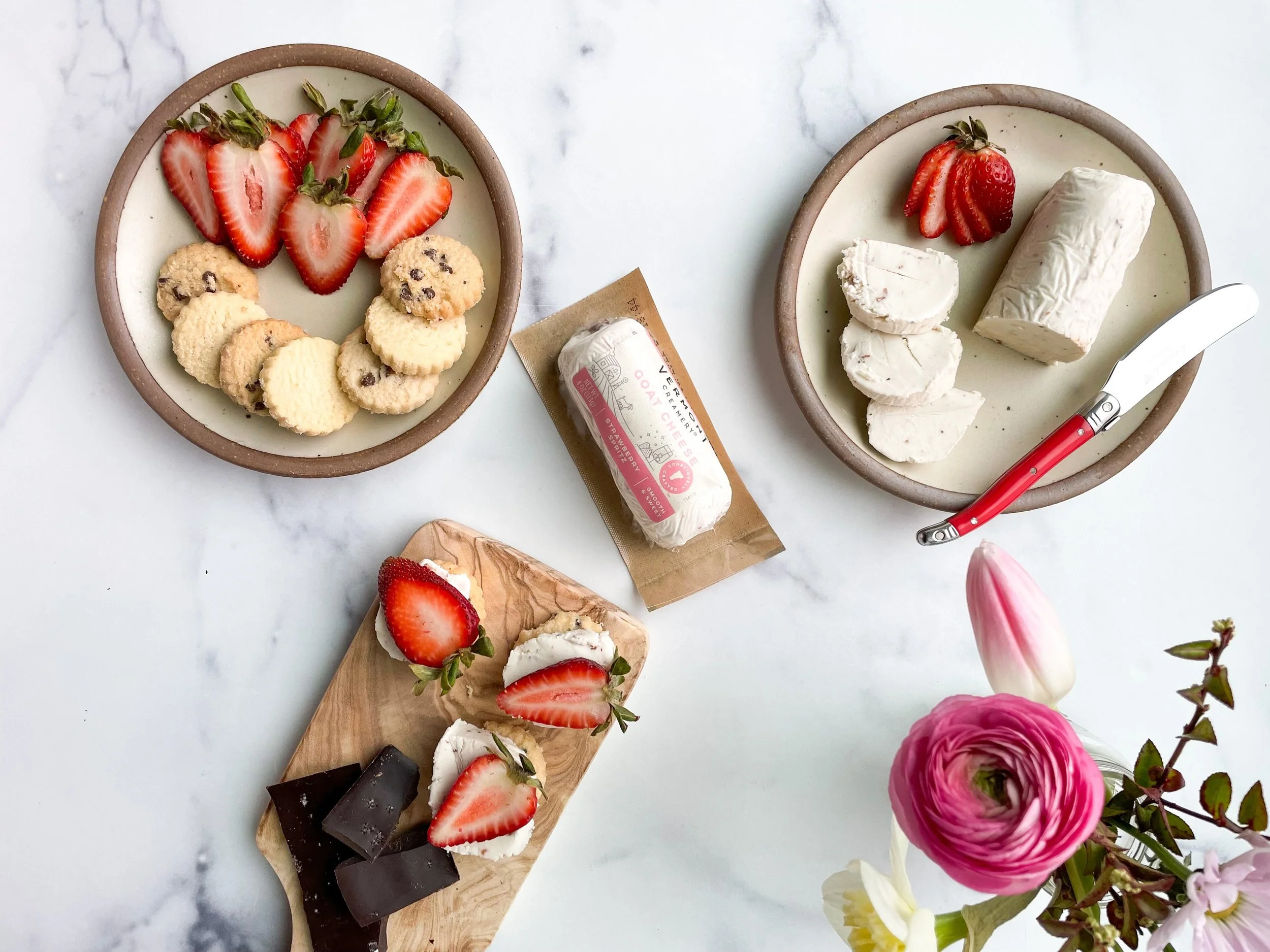
Vermont Creamery goat cheese
Vermont Creamery was founded in 1984 by Allison Hooper and Bob Reese, who dreamt of bringing French-style goat's cheese to the U.S. Now that its chevre can be found in markets across the U.S., I'd say they completed their mission. According to Austin Zmick, the brand's product development and innovation lead, it has managed to retain its artisan methods amidst a huge expansion. "Generally as companies get big, they tend to kind of lose their process. We're still producing cheese the same way we were back in the '80s," he says. "We don't really cut corners here… to an extreme," he adds. While its best known for its fresh cheeses like chevre, crème fraîche, and mascarpone, as well as cultured butter, the brand also makes aged cheeses like St. Albans, a soft-ripened cheese sold in a ceramic crock for baking, as well as Bonne Bouche, an ash-ripened goat's cheese made in reference to the traditional ash-ripened goats cheeses of France's Loire Valley.
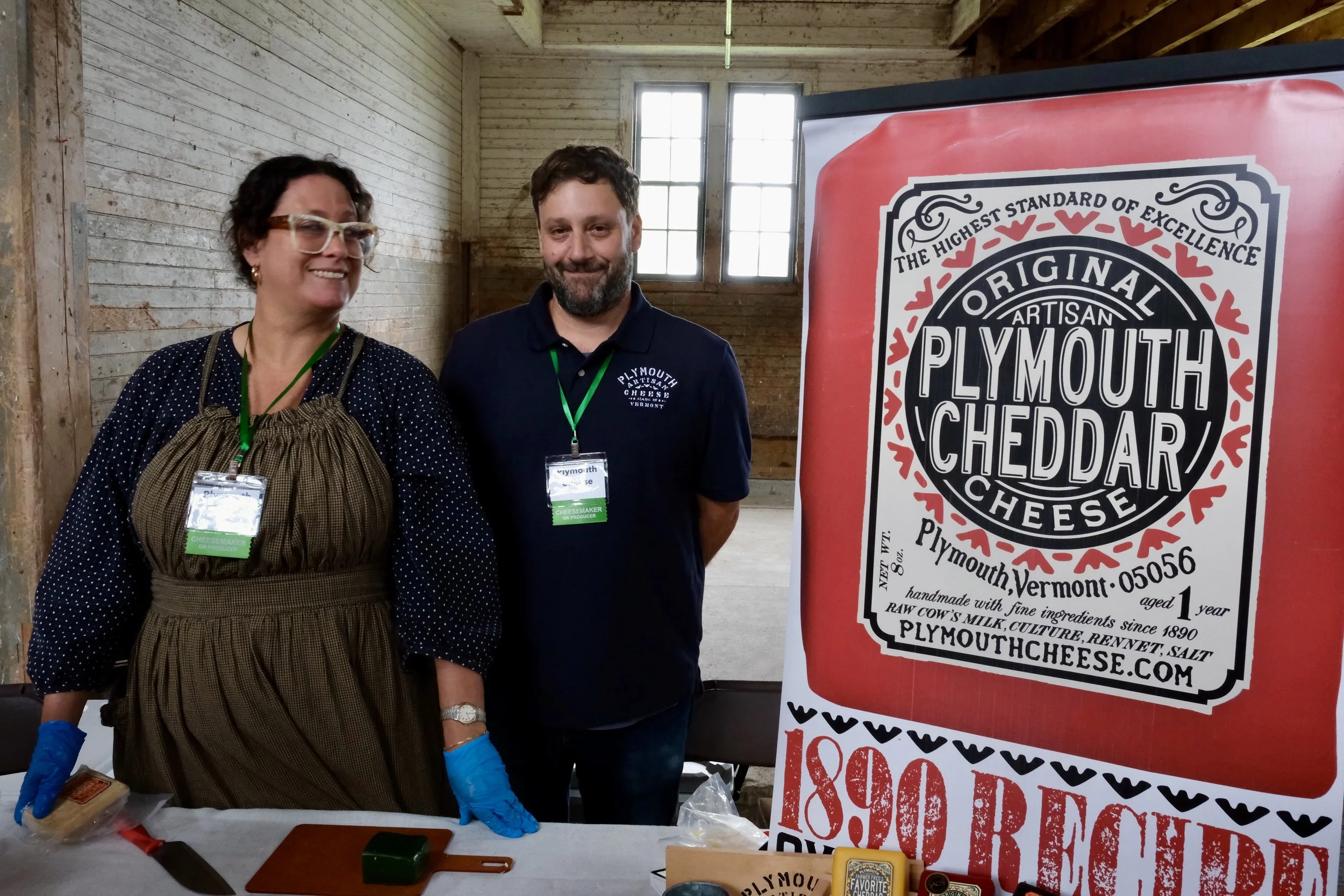
Sarit Werner and Jesse Werner, cheesemaker of Plymouth Cheese
Plymouth Cheddar is the oldest cheddar factory in the country. It was founded in 1890 by Calvin Coolidge’s father, Colonel John Coolidge, and it's currently run out of the President Calvin Coolidge State Historic Site in Plymouth, Vermont. There, head cheesemaker Jesse Werner, follows a historic cheddar recipe he found at the old factory, using raw cow's milk, which is said to be the most similar cheddar out there to the one the original settlers ate. Instead of stacking the cheddar curds, which is known as the traditional "cheddaring" technique, he uses the granular method, where he continuously stirs the curds while draining the whey.
While Coolidge's original recipe makes a 40-pound wheel of cheddar, Werner shrunk its size to an 8-ounce block, dipped in wax, making it easier for stores to sell. That wax also helps retain moisture. "It's got a higher moisture content than a lot of cheddars, so it's really smooth and creamy," he says. His flagship cheese, Plymouth Cheddar, is aged for one year and was awarded a bronze medal by the American Cheese Society.
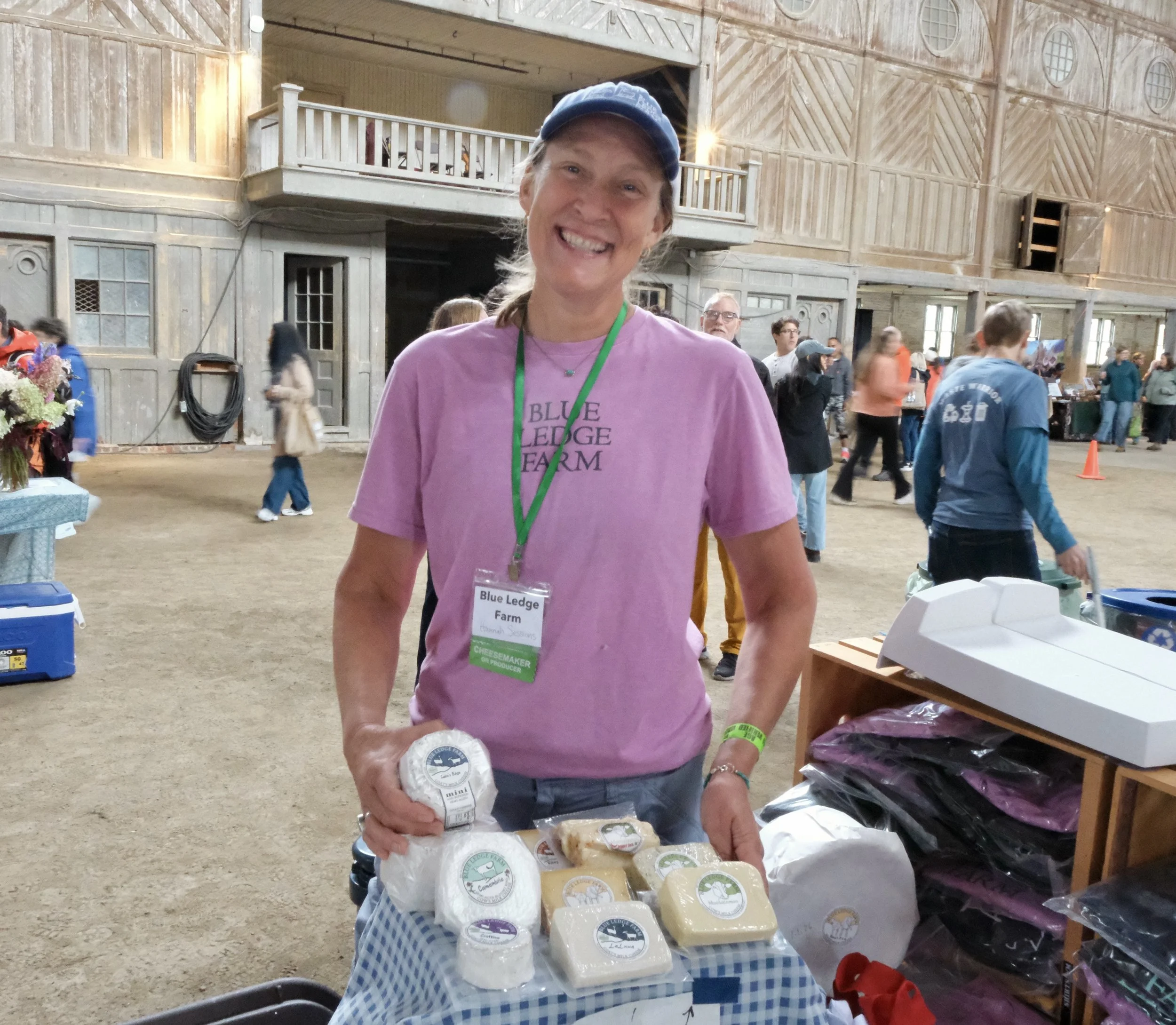
Hannah Sessions of Blue Ledge Farm with cheeses
Blue Ledge Farm is a small, first-generation farm in Salisbury, Vermont. Hannah Sessions and her husband, Greg Bernhardt, started the farm in 2000, by refurbishing an old dairy barn. They are now the stewards of 175 goats and produce eleven types of cheese, like a chevre blended with honey and orange zest. While the brand primarily makes fresh, semi aged and aged goats milk cheeses, made from the milk of its Alpine and La Mancha goat herd. However, it may be best known for its camembrie, a cross between camembert and brie, which is made with Ayrshire cow's milk, which they purchase from a nearby farm. The buttery bloomy rind won third place at the American Cheese Society awards in 2024.
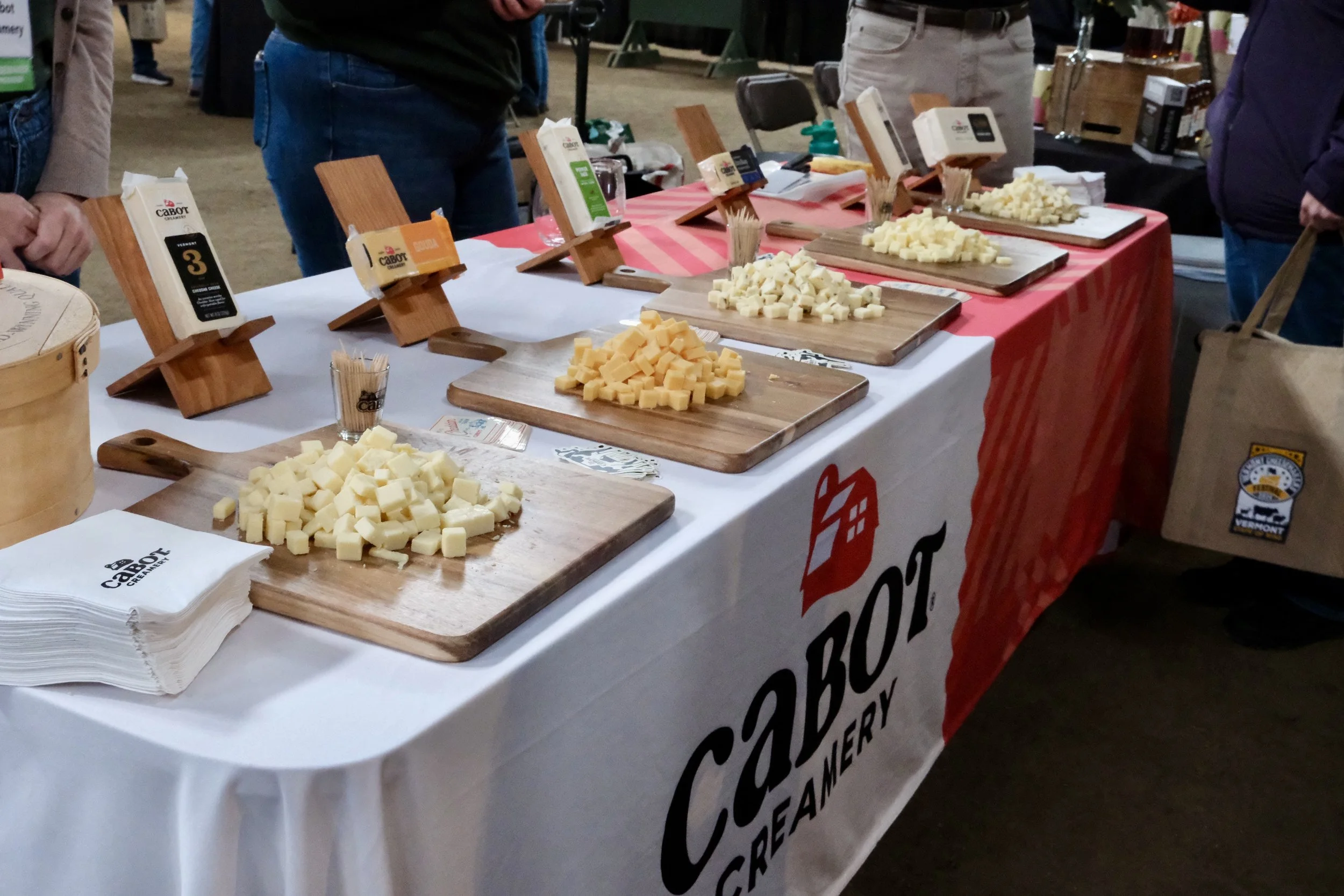
Cabot Creamery cheeses
When you buy Cabot cheddar, you may think you're supporting a huge conglomerate. Which makes sense — the brand's cheddar is everywhere. But that's not the case. When you purchase Cabot, you're actually supporting small dairy farms. That's because Cabot is actually a co-op, owned by 400 family farms which span across Vermont, New Hampshire, Massachusetts, Connecticut, and New York. "All of our profit goes right back to our farmers," says Mary Tuthill, the director of supply chain services. "Even our board of directors is made up of farmers," she says. While you may be most familiar with Cabot's sharp cheddar blocks, which are great additions to grilled cheese or mac and cheese, the brand also makes more intense cheddars not meant for cooking. It produces 3 year and 5 year-aged cheddars, which are bold and complex.