
Why Are There So Many Cheeses in France?
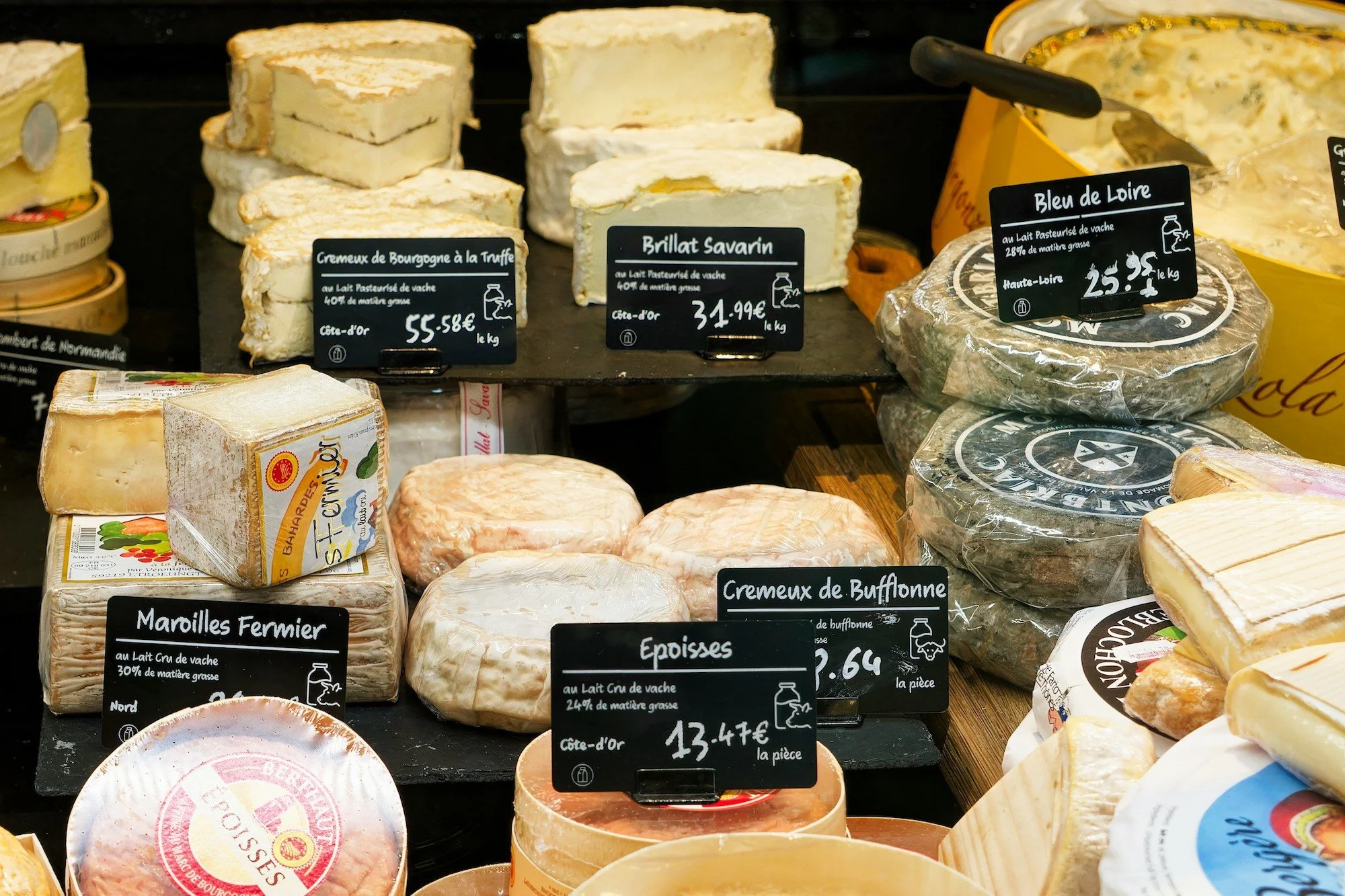
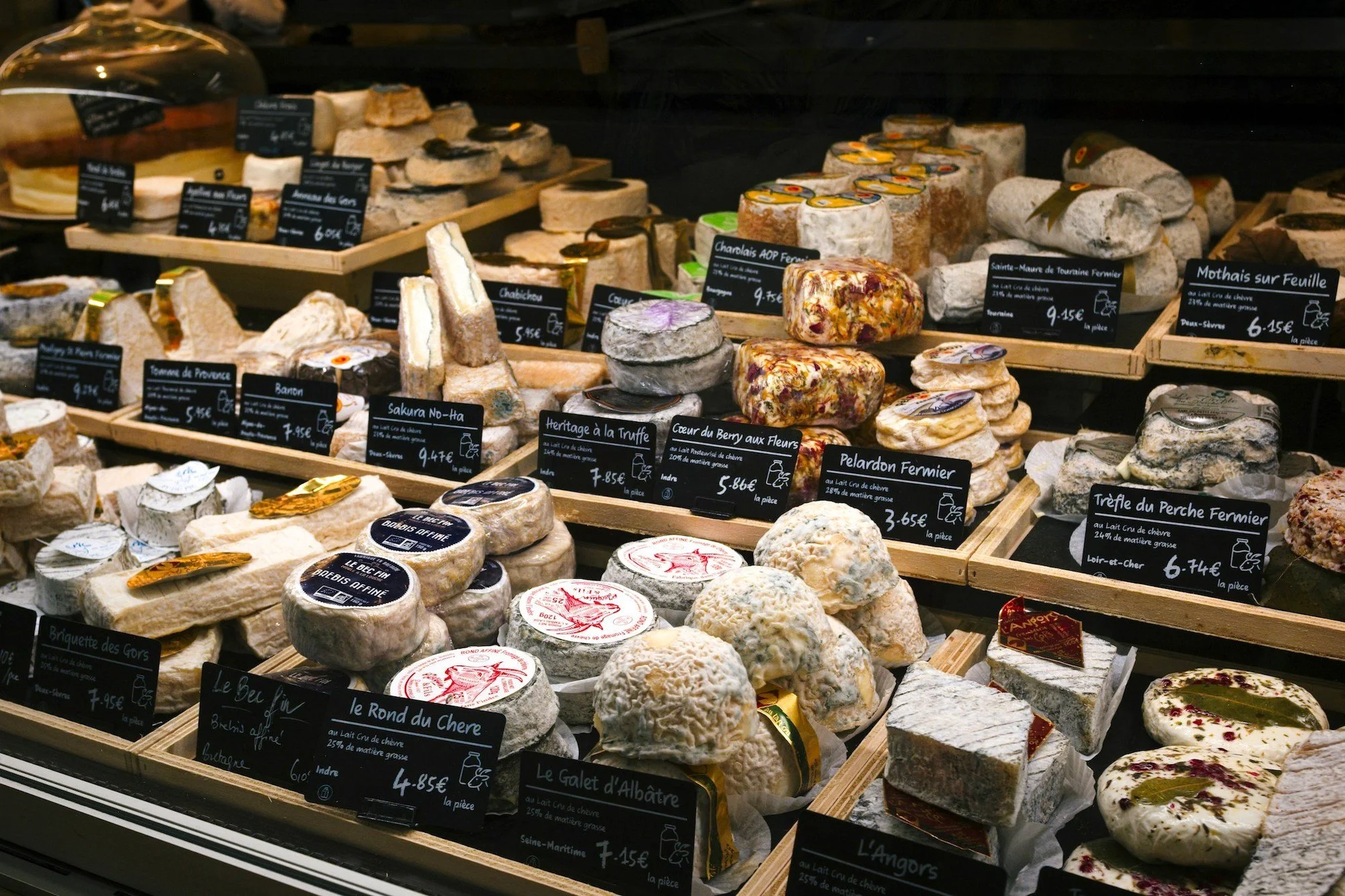
Some of France’s many cheese offerings. Photo credit Eric Prouzet
France produces more distinct cheeses than any other country — though exactly how many depends on who you ask. The late French President Charles de Gaulle famously joked about the difficulty of governing a country with 246 cheeses, though even that number is debated. Today, estimates range from a few hundred to as many as 5,000, depending on how cheeses are differentiated.
Whatever the number, it is generally agreed that the French portfolio outnumbers those of other famous cheese nations, with Italy a distant second.
To avoid a myopic perspective, it’s worth noting that many in the United States, including experts, are more familiar with certain European cheese traditions than others. As one interview subject suggested, there may be just as many cheeses across the Mediterranean that are less widely known but equally important to global cheese culture.
So why does France have so many different cheeses? There are a number of reasons.
Historical Reasons
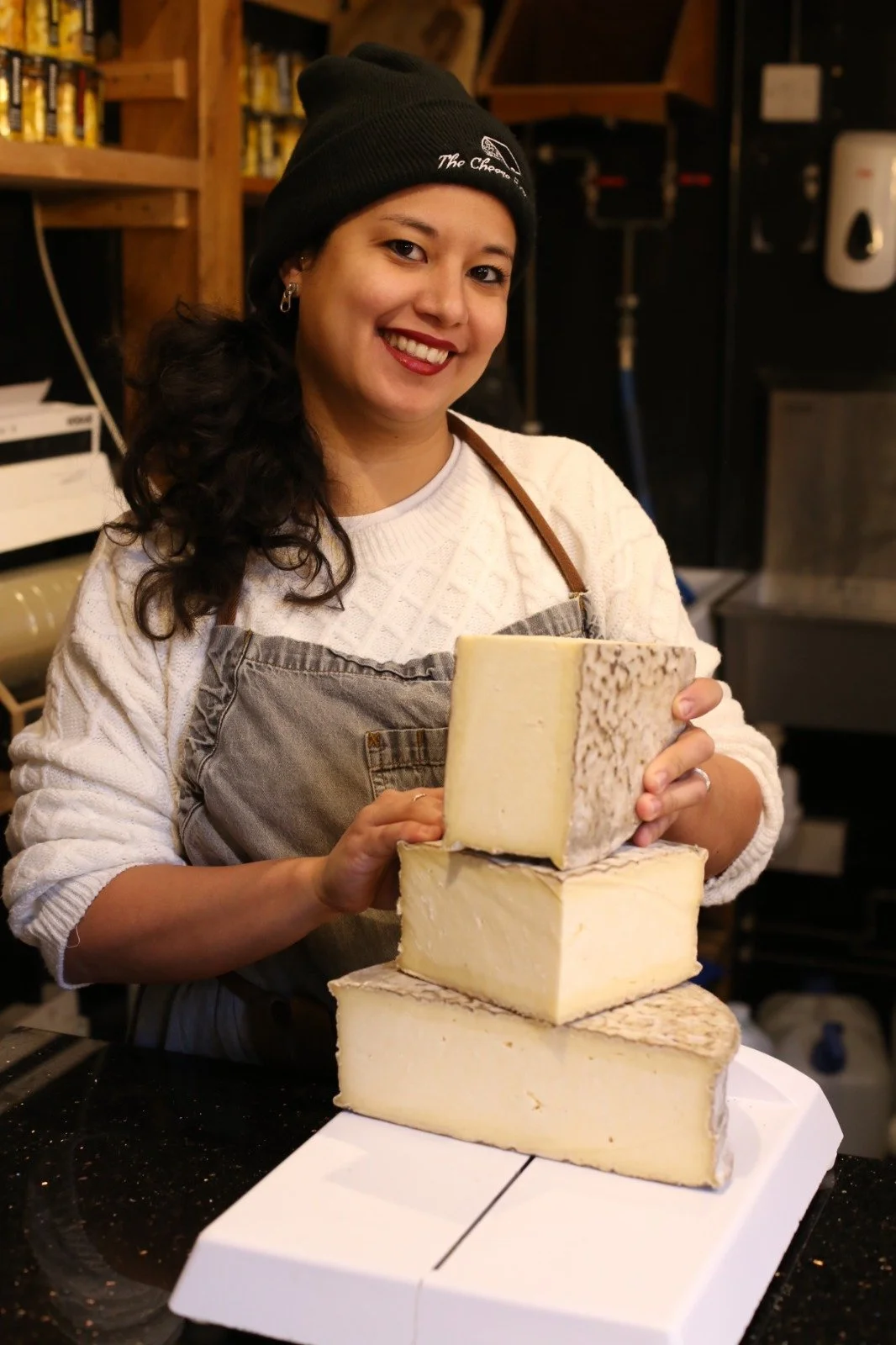
Cheese consultant and author Emma Young
France’s multitude of cheeses can partly be attributed to history, says Emma Young, a London-based cheese consultant and author of The Cheese Wheel: How to Choose and Pair Cheese Like an Expert. Prior to the French Revolution, France did not exist as a unified nation. “It was essentially a country made up of many different territories and peoples,” she explains.
“Before the Revolution there was little exchange between the different regions, which allowed for a large variety of cheeses being made according to local savoir-faire and techniques,” says Young. As those distinct regions became a unified France during the late 1700s, each region proudly held to cheese traditions developed over centuries.
While that centuries-long fragmentation faded after the Revolution and the dawn of the industrial era, cheesemakers weren’t immediately inclined to consolidate styles and traditions, experts say. With the advent of rail travel about 75 years later, artisans saw an opportunity to develop new markets across France and beyond. By the early 1900s, consumers from the English Channel to the Mediterranean could find Comté at local markets alongside Loire Valley goat cheeses and northerly Camembert.
Topographical and Geographical Reasons

Jennifer Greco leading a cheese tasting. Photo credit Anna Mindess
France’s diverse geography and topography also contributed to its multitude of cheeses, says Jennifer Greco, a Paris-based expat and Cheese Professor contributor who has lived in the country for two decades.
“France is so varied, with mountains and plains and little valleys,” she says, adding that “where hay and wheat cannot be grown, sheep and goats thrive.”
Greco, a former pastry chef, set out to taste every French cheese after moving to France. She has reconsidered that lofty goal, but is proud to have tasted nearly 550. She now leads private cheese tastings through Paris by Mouth.
Looking back on early history, Greco notes that cheese served as a staple food. “It’s a matter of people needing food, and animals giving them a way to sustain life.”
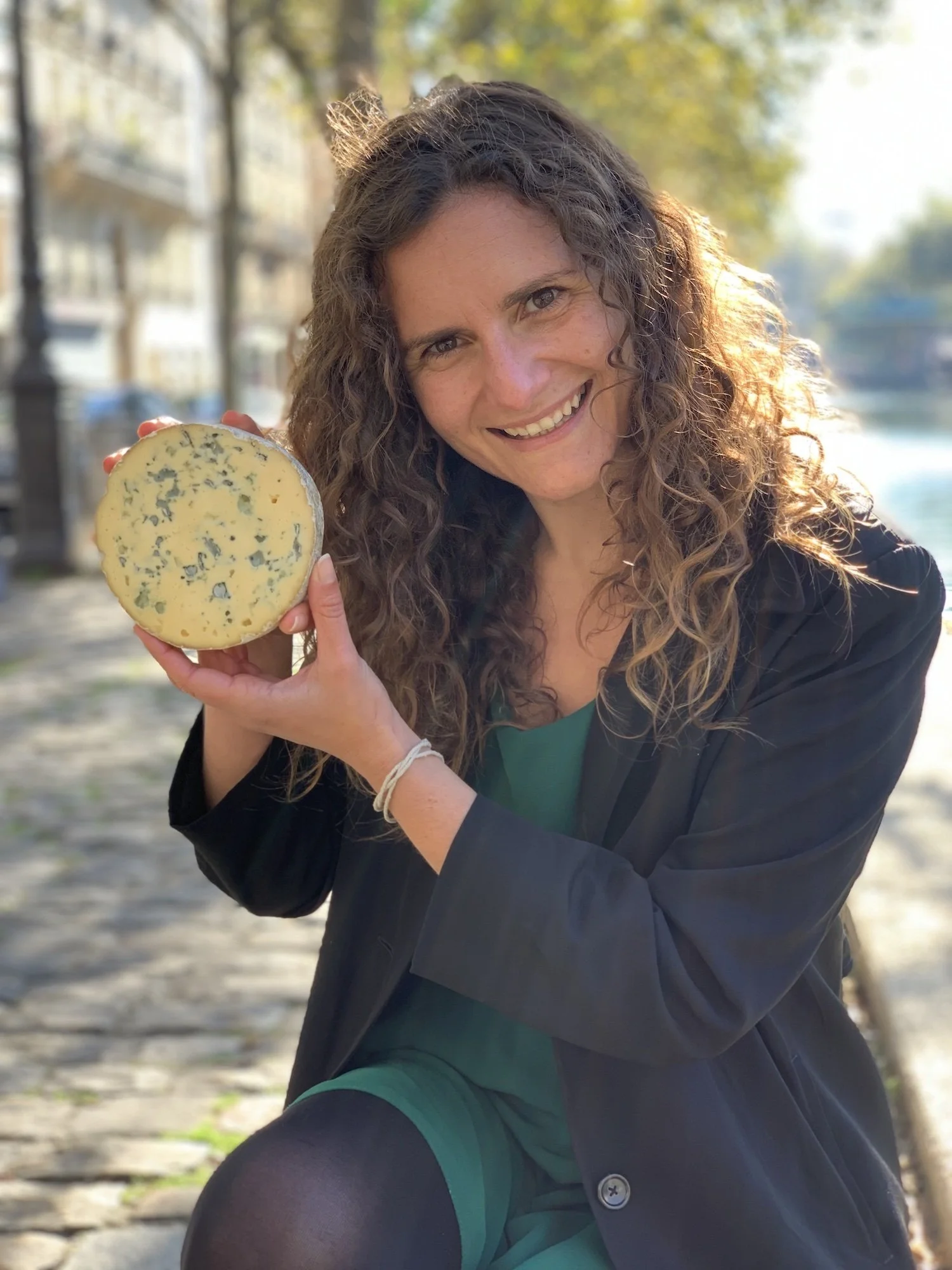
Journalist Emily Monaco. Photo credit Charlotte Bailey
Emily Monaco, a Paris-based journalist and co-host of the Fishwives of Paris podcast, also points to the range of environs and climates as a significant factor in France’s vast cheese portfolio.
“The diversity of France's cheesescape is, in my mind, due mainly to its varied terrain,” she says. “In France, you've got everything from mountains to plains, pasture to scrub, and each of these terroirs imposes specific challenges on the people who live there.”
She cites the rugged topography of Provence as proof: It’s inhospitable to cows but perfect for goats and sheep, which is why small goat cheeses and pressed sheep’s milk tommes are common in the area.
“In each region, cheesemakers seek to make the most of what they have,” she says. “Mountain cheeses like Comté, Salers, and Ossau-Iraty, for example, are designed to last.”
Terroir
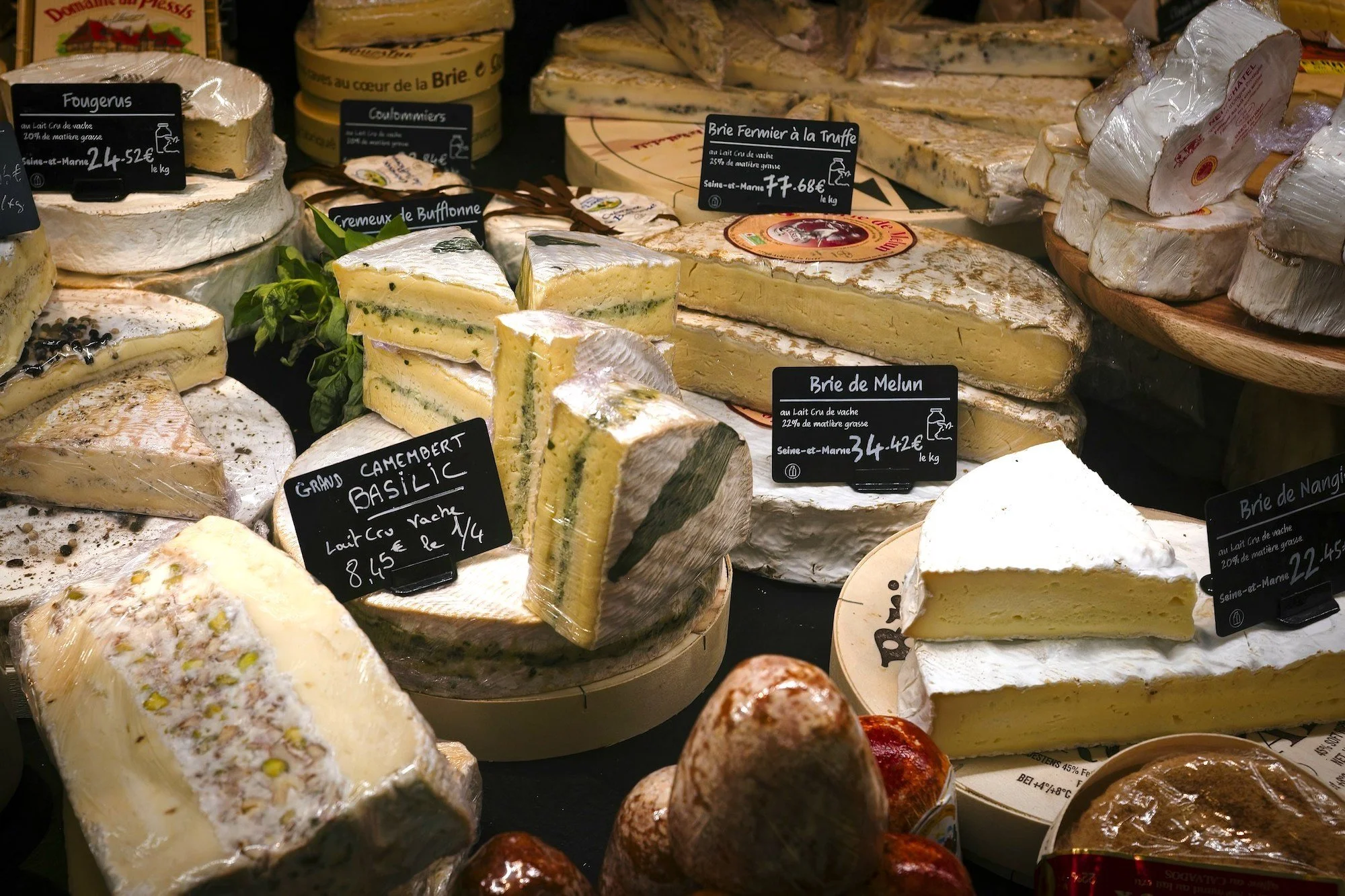
More French cheeses. Photo credit Eric Prouzet
Like wine, cheese has terroir — the French concept that products are rooted in their regions and express a sense of place. Grapes are influenced by soil types, temperature, and even the angle of the sun, and these conditions shape the wine in the glass. Cheeses are similarly influenced by factors such as animal breed, elevation, and local vegetation, Greco says.
“If you have a farm in the Pyrenees, and you have Basco-Béarnaise sheep, you will develop a cheese with certain characteristics,” she adds. “But if you go to a different elevation and a different breed, you might make a cheese in the same style and just call it a tomme. You can say they are the same style, but not the exact same cheese.”
Monaco notes that while terroir is a nearly universally accepted concept today, farmers of centuries gone likely never conceived of it while creating unique cheese styles — yet they were part of it.
“There are stories linking the invention of Camembert in the late 18th century to the arrival of techniques from Brie, near Paris,” she says. “The local milk from Normande cows, local microflora, and local climate impacted the way the cheese was made, creating a wholly new palette of flavors.”
That complex set of flavors is now legally defined by the PDO (Protected Designation of Origin) for Camembert de Normandie, one of 46 French cheeses with such a designation.
Monaco speculates that something in the French psyche contributes to the vast array of cheese definitions.
“Perhaps the diversity of French cheese comes, at least in part, from our latent desire to categorize,” she says. “This is a country that loves a dictionary or an encyclopedia.”
Beyond Traditions
Despite France’s strong cheese traditions, innovation does exist, but it tends to be subtle rather than radical.
The United Kingdom has its own diverse cheese traditions, albeit with a much smaller number of recognized styles; there, a handful of makers are producing cheeses inspired by French or Italian styles. In France, however, cheesemakers have been slower to break with tradition.
While there’s no evidence that English-style clothbound cheeses are on the horizon in Normandy, Young observes that there are some new developments, such as cheeses coated in flowers.
Will French consumers accept new styles when they already have thousands to choose from? Perhaps.
“Innovation doesn’t need to be complicated,” Young says. “The French love Shropshire Blue because it is very different from their own blue cheeses — and because it is orange.”