
Štrukli: Croatia’s Beloved Cheese Filled Pastry
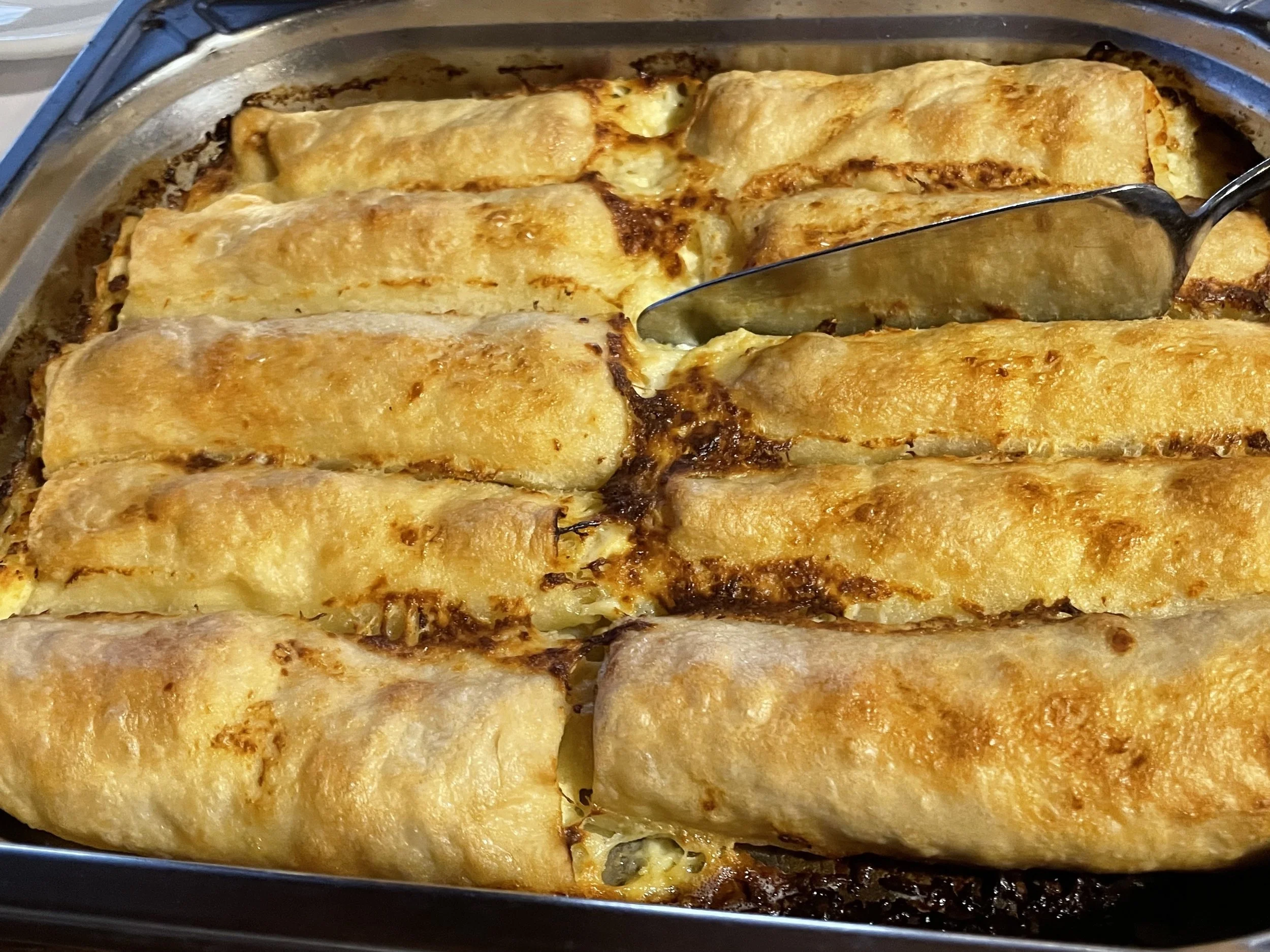
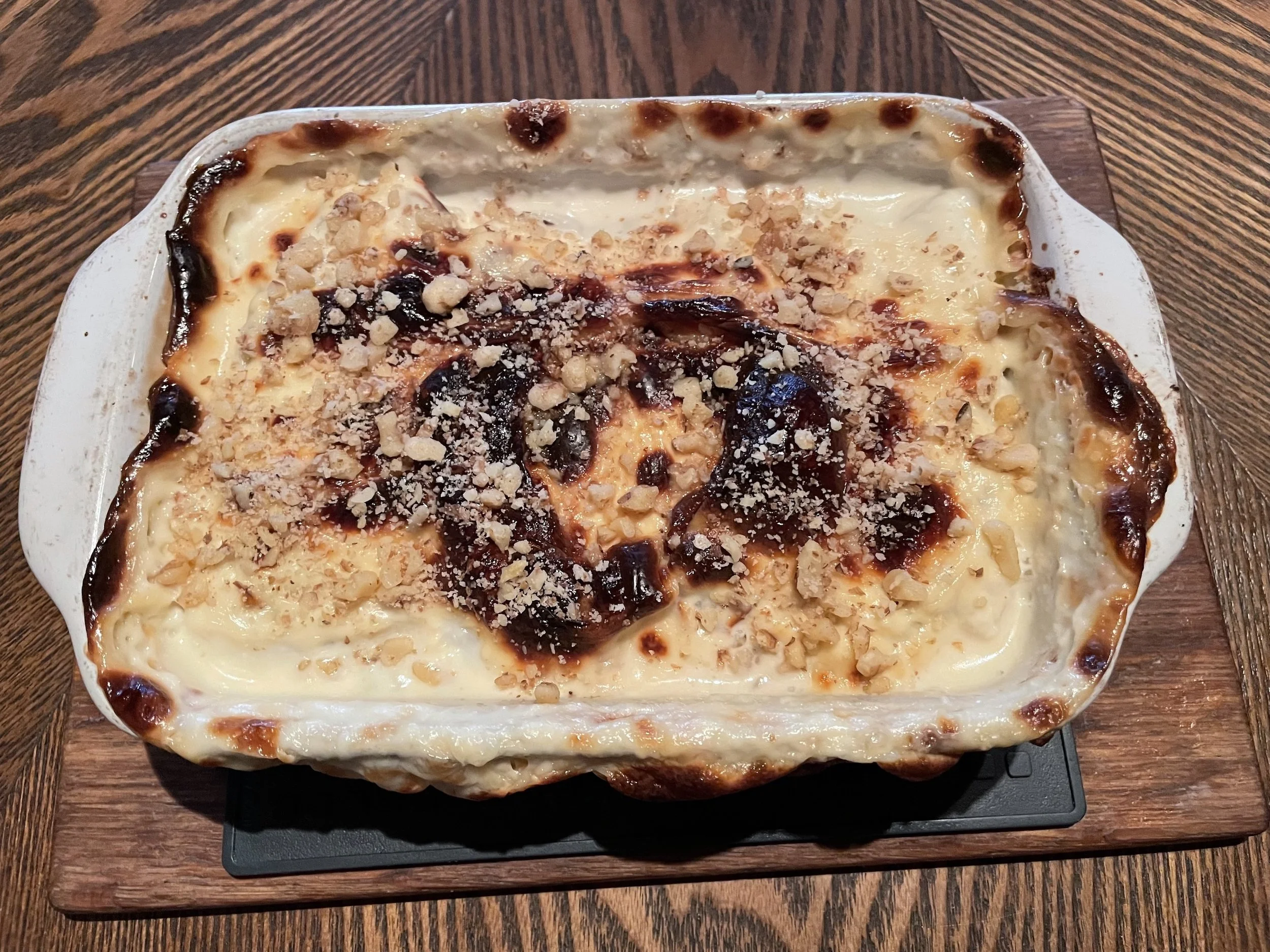
Baked štrukli, right out of the oven
Food is as much a part of any travel experience as visiting museums or monuments. A meal on the road is all the more special when the dish is something specific to the region you’re visiting, something you can not get anywhere else. Thinking about this, I was reminded of a dish I had in Zagreb recently: štrukli.
Štrukli consists of soft rolls of wheat dough filled with full-fat cottage cheese and sour cream, both satisfying and delicious. It (they?) can be served either baked or boiled. Originating in the Hrvatsko Zagorje region of northern Croatia, Zagorski štrukli was added to the Republic of Croatia’s list of Intangible Cultural Heritage in 2007. Rich, cheesy, creamy, and soothing, it's easy to understand why Croatians love it as much as they do.
History and origins of Štrukli
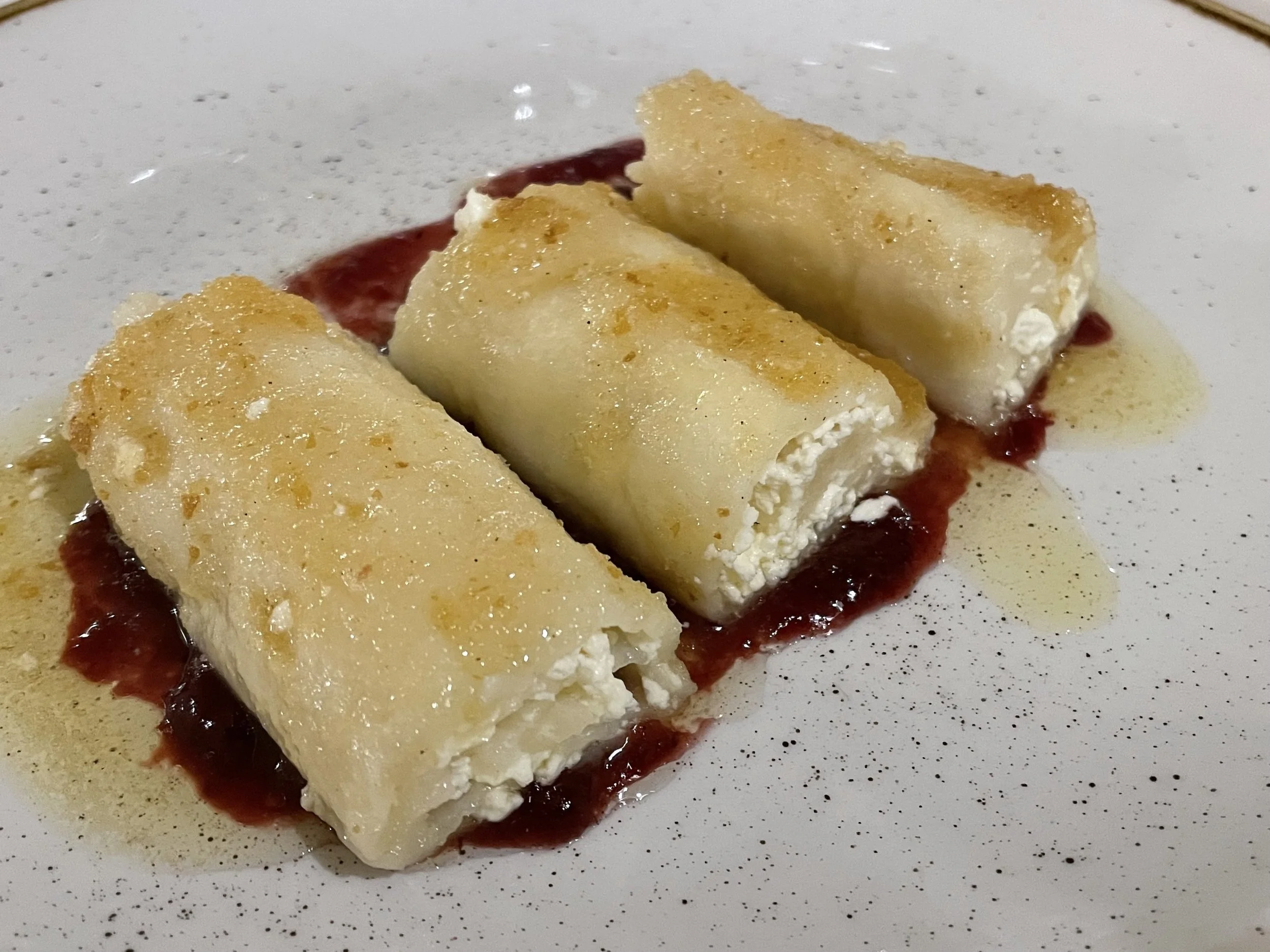
Štrukli, boiled with sauce
The Hrvatso Zagorje region is very close to the border of Slovenia and Hungary. Due to geography, flavors and culinary traditions often cross borders. While Zagorje is the heartland, štrukli is also found in other regions including Medimurje, Podravina, parts of Slovenia, and the capital, Zagreb. The basics are the same, but the ingredients and preparation methods may differ. For example, in Zagreb it is usually served as a creamy savory dish. In Podravina it is usually boiled, and in Međimurje it is often served sweet.
Karmela Karlovíć of Zagreb Gourmet Tours notes that “The earliest known recipe for strûkli with tarragon originated in Slovenia in the 16th century. Today, each country has protected its own unique version. In Croatia it has obtained PGI status (Protected Geographical Indication) from the European Union.”
Historians believe locals originally made use of leftover bread dough, and filled it with cheese, eggs, and sour cream, readily available on farms. Its transition from rural kitchens to the city came in the mid-twentieth century: štrukli were prepared at the Esplanade Hotel in Zagreb for the first time in 1951.
The Croatian Ministry of Culture notes that the preparation of homemade štrukli implies a special skill possessed by almost every housewife in the Zagorje region, with small differences across the entire continental area of Croatia. That skill has always been passed down informally, from grandmothers, to mothers, to children. Exact measurements mattered less than knowing how the dough should feel, and how thin it should be stretched.
Regional variations
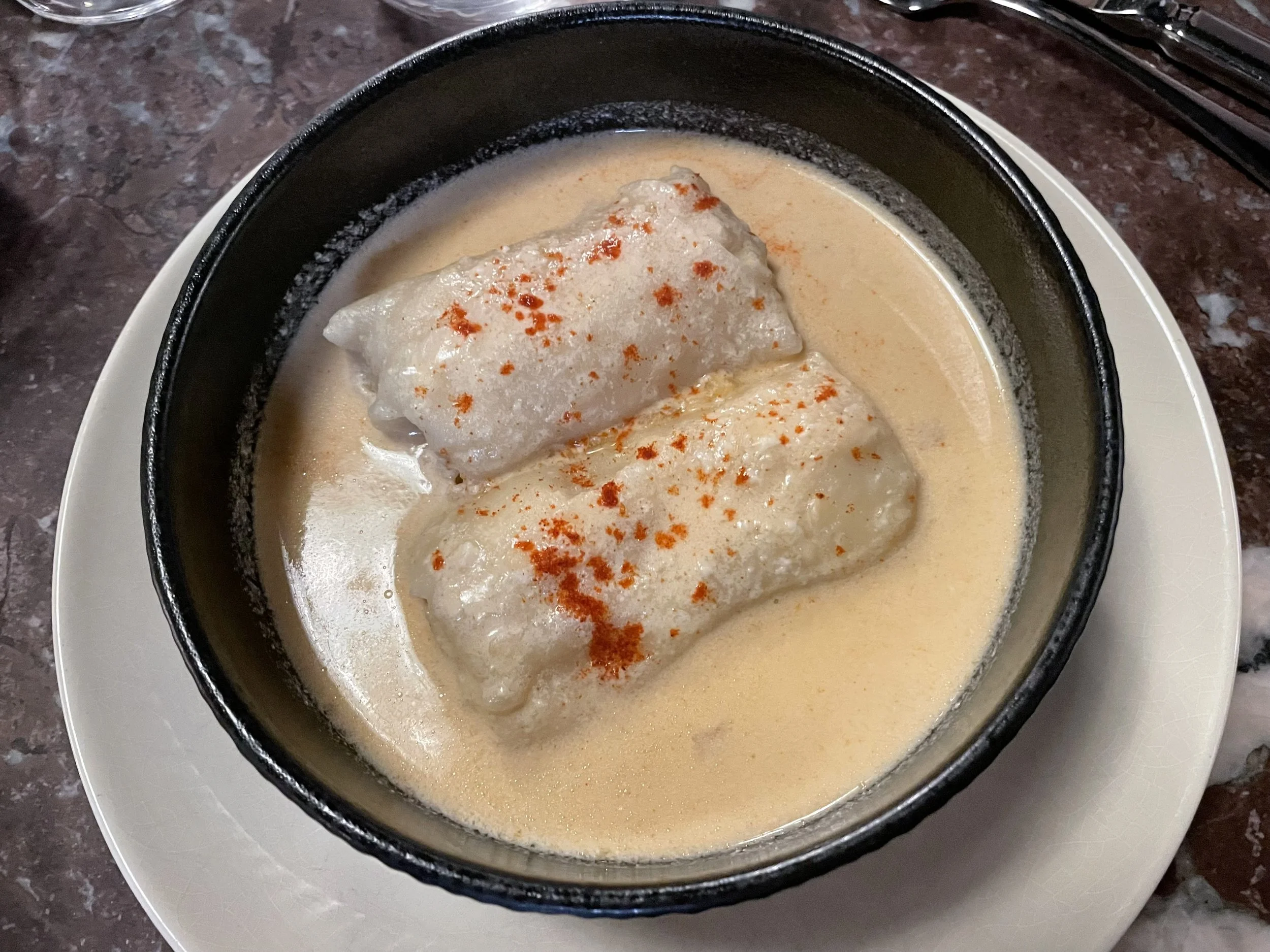
Boiled štrukli served with savory sauce
Štrukli can be sweet or savory, boiled or baked. Most people make a meal of the savory version, and have the sweet one for dessert. For baked štrukli (pečeni štrukli), the pieces are placed in a baking tray, generously covered in cream, and baked for roughly 45 minutes until slightly brown on top. For boiled štrukli (kuhani štrukli), the pieces are cooked in salted water and sprinkled with fried breadcrumbs or served in a soup. Sweet variations are usually baked with fillings like honey, walnuts, blueberries, apples or served with fruit sauce.
Karmela Karlovíć explains that “The differences are nuanced, it all depends on how the dough is prepared, what kind of cottage cheese is used, and whether sour cream, a bit of flour, or semolina is added to the cheese filling along with the eggs.”
Štrukli in Croatian culture and identity
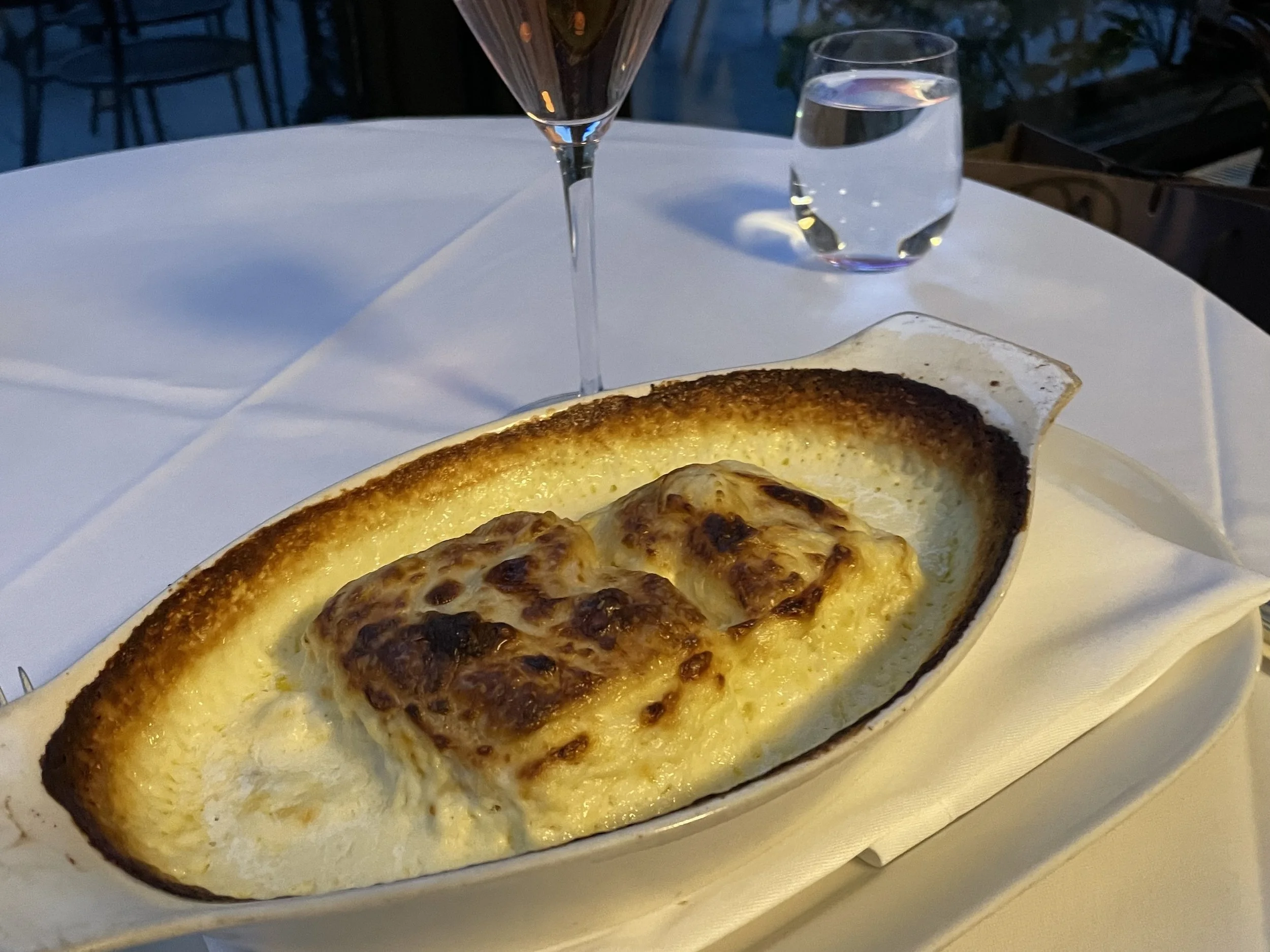
Štrukli at Bistro Esplanade
Štrukli is a must when visiting Zagreb, where two institutions are particularly associated with keeping the tradition alive in a restaurant setting. The iconic Stari Fijaker 900, known for specializing in local and regional cuisine, and the chic Le Bistro at the Esplanade Hotel. At Le Bistro, they recommend enjoying it with a glass of bubbly, and they famously sold štrukli to locals to make at home during the pandemic.
Sweet baked štrukli with blueberries, from La Struk
If you want to try štrukli in a charming and casual setting, La Štruk, located in the Upper Town, is the most popular place for visitors, but locals enjoy it there, too. Igor Mladinovic, owner/partner and founder of the ten-year-old La Struk, says, “Locals come mainly in the off-season when it is not crowded. The philosophy of La Struk is to offer only štrukli...no side dishes, no salads, nothing else.” Creativity comes to play in the flavorings that change seasonally and include fruit, truffles, and even seafood. At La Štruk, you can get štrukli sweet or savory, baked, boiled, or in soup.
In Hrvatsko Zagorje, štrukli appears at weddings, church holidays, family celebrations, and Sunday lunches. It is comfort food in the truest sense, tied to home, to memory, and national identity.
How to make štrukli
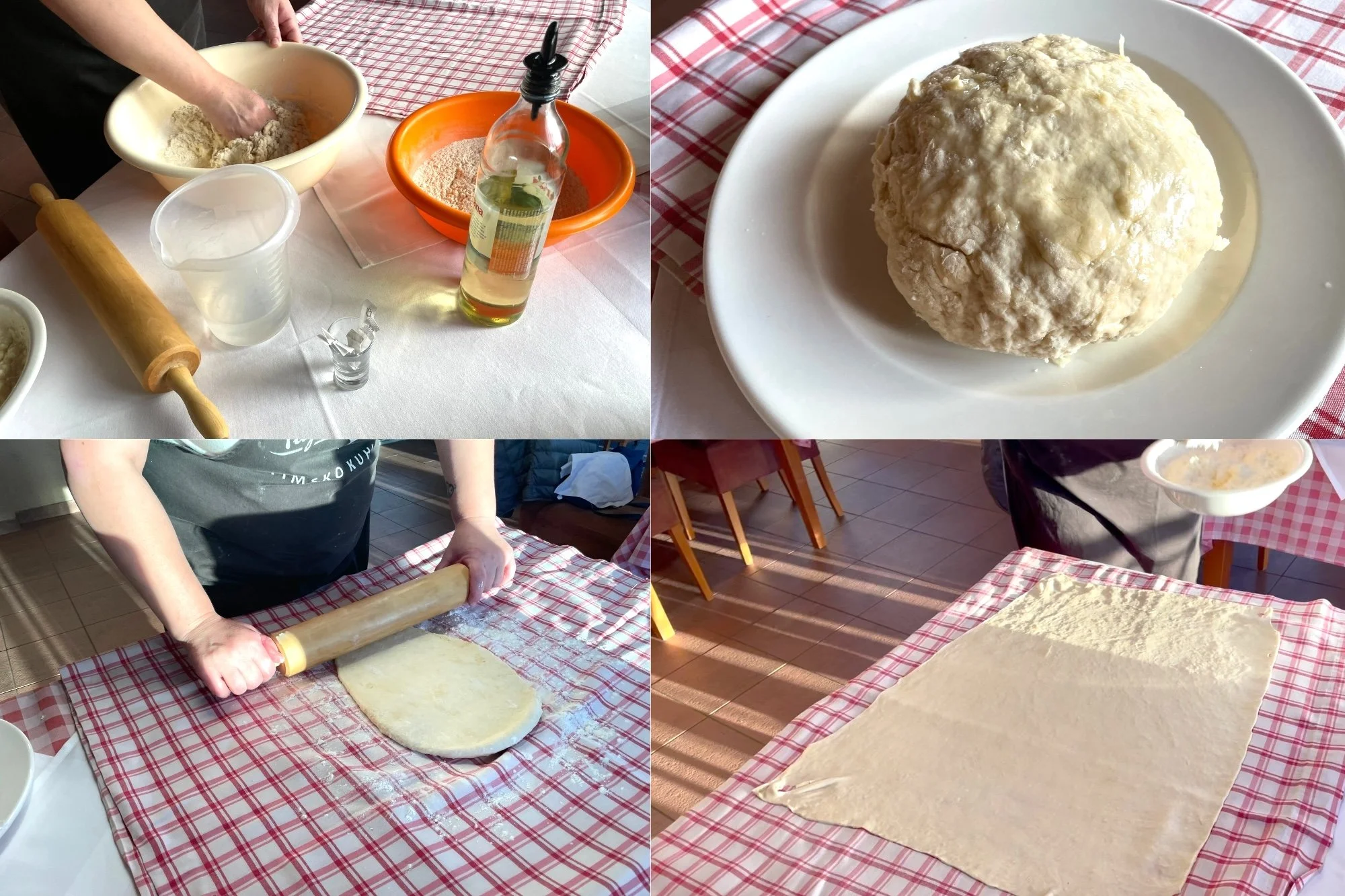
Štrukli dough
Making štrukli at home requires some patience. The dough needs time to rest and develop the elasticity required for the paper-thin stretch. Once rested, it is pulled gently outward from the center, hand over hand, until it covers the work surface with almost no resistance. Mladinovic recommends a half hour of rest but it can also stay in the fridge overnight. The pastry must be rolled very thin while retaining its elasticity.
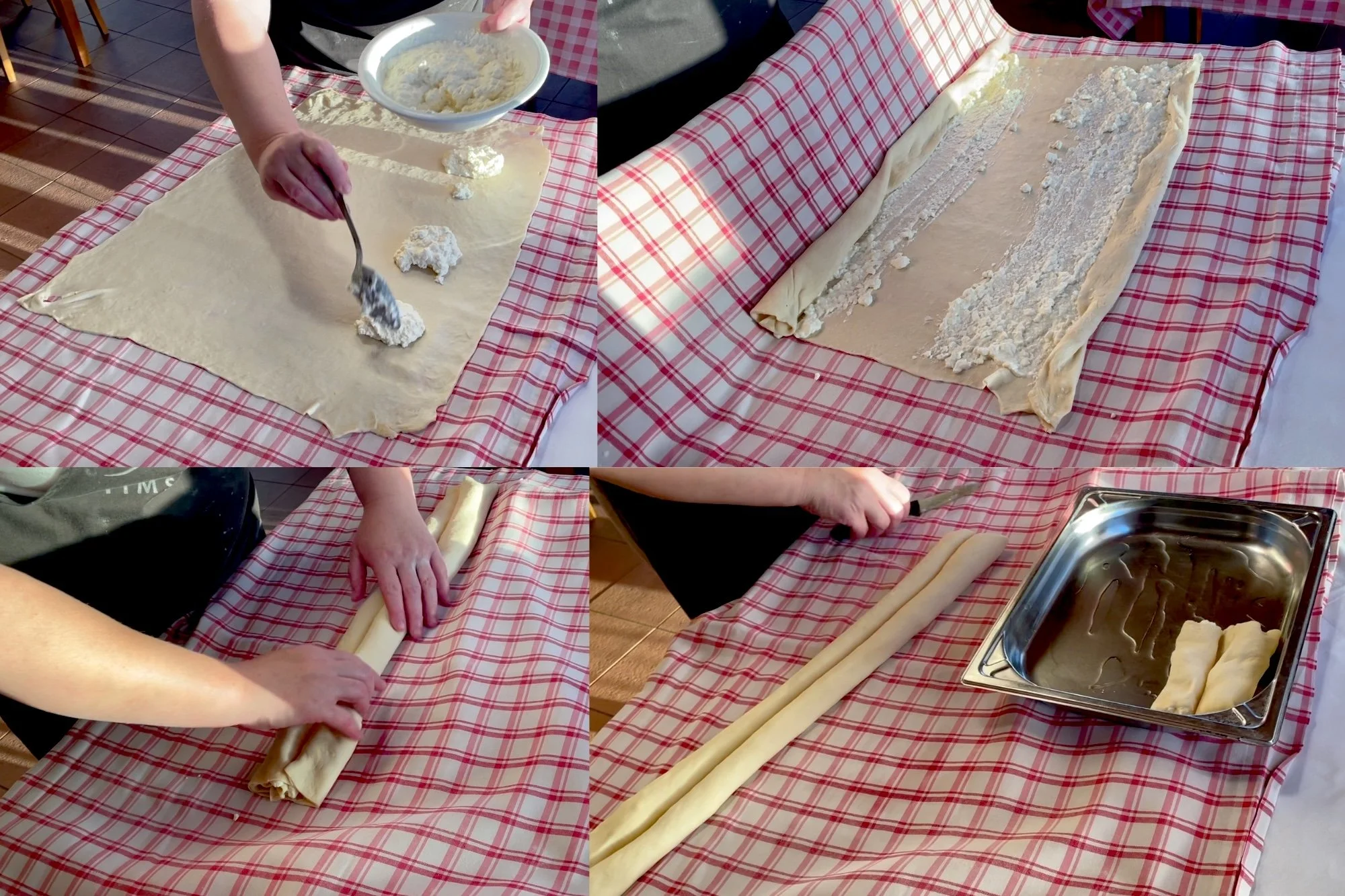
Filling štrukli
A mixture of cottage cheese, eggs, sour cream, and salt are spread over the pastry. The pastry is then rolled lengthwise from both sides into two joined rolls and cut into small log shaped pieces. The cottage cheese is somewhat similar to farmers cheese or ricotta, and only slightly firmer than North American style cottage cheese.
If boiled they go straight into salted water until they firm up and float, then are finished with buttered breadcrumbs. For baking they are arranged in a greased dish, covered in cream, and left in the oven until golden and bubbling. The baked version is slightly crisp on top. Either way, they are deeply satisfying.
Strukli and Strudel
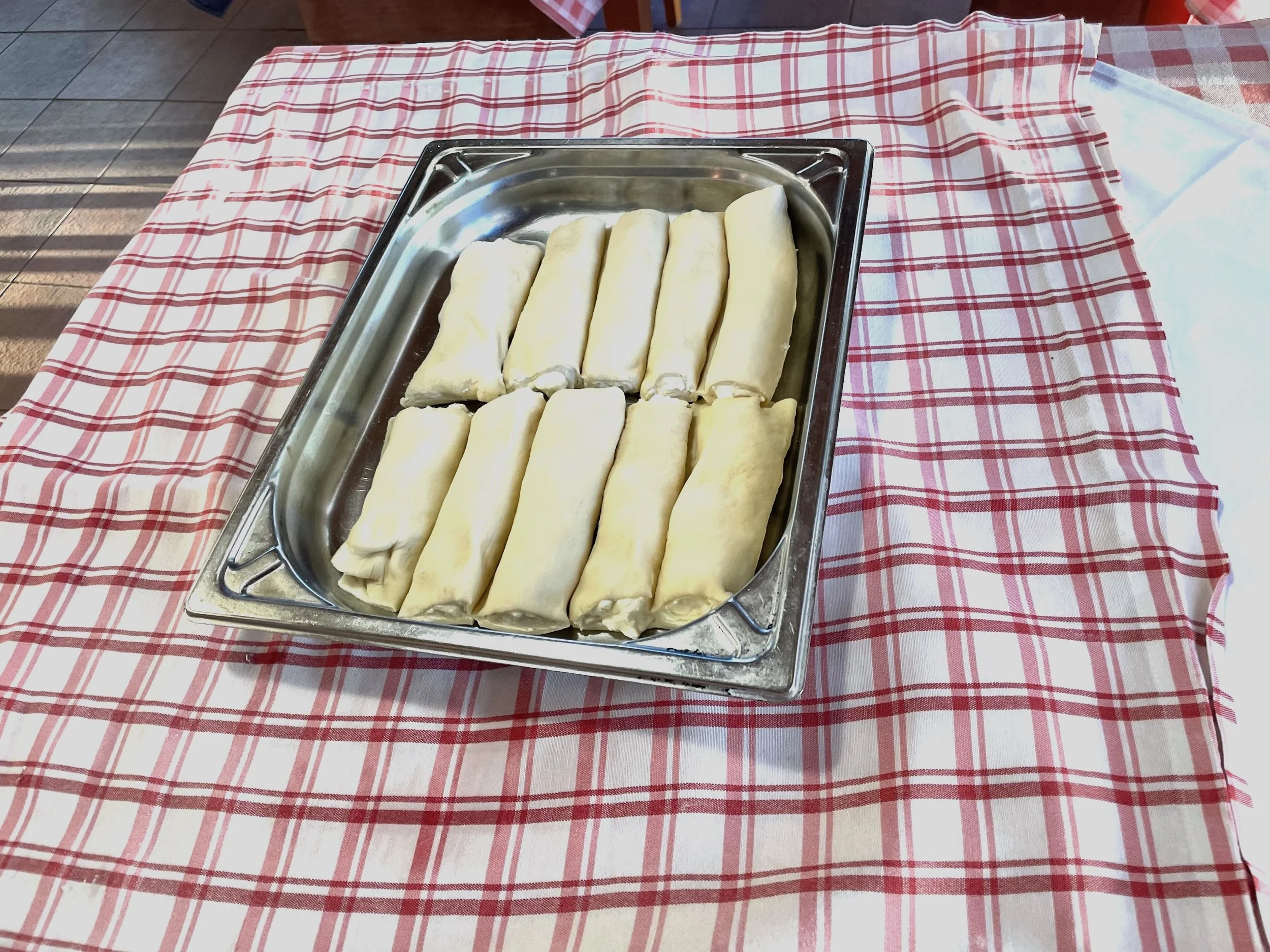
Pan of štrukli ready to be baked
If you think štrukli sounds similar to other rolled pastries across Europe, especially Germany, Austria and the Balkans, you’re not wrong. This area was ruled by the Hapsburg Empire for hundreds of years. According to Mladinovic “ It's essentially a cheese dumpling, closely related to blintzes and strudel. The name even has German origins, though I haven't been able to trace the exact root.”
Both are rolled pastries but the key differences are that strudel is a flakier, phyllo dough, while the dough for štrukli is not flaky layers like strudel.
But štrukli is not strudel. Where classic strudel is typically sweet, baked, and served in slices, štrukli is almost always centered on fresh cheese, can be either boiled or baked, and is cut into rolls before cooking, rather than after.
Štrukli as made in Zagreb and the Hrvatsko Zagorje, is a distinctive feature of Croatian cuisine. If you’re heading to Zagreb try both versions, baked and boiled, or just try the traditional savory version with plenty of cream. No matter where you choose to dine, one thing is certain, you will taste a bit of the history and culture of Zagreb.