
4 Hidden-Gem Cheeses From Northern Italy
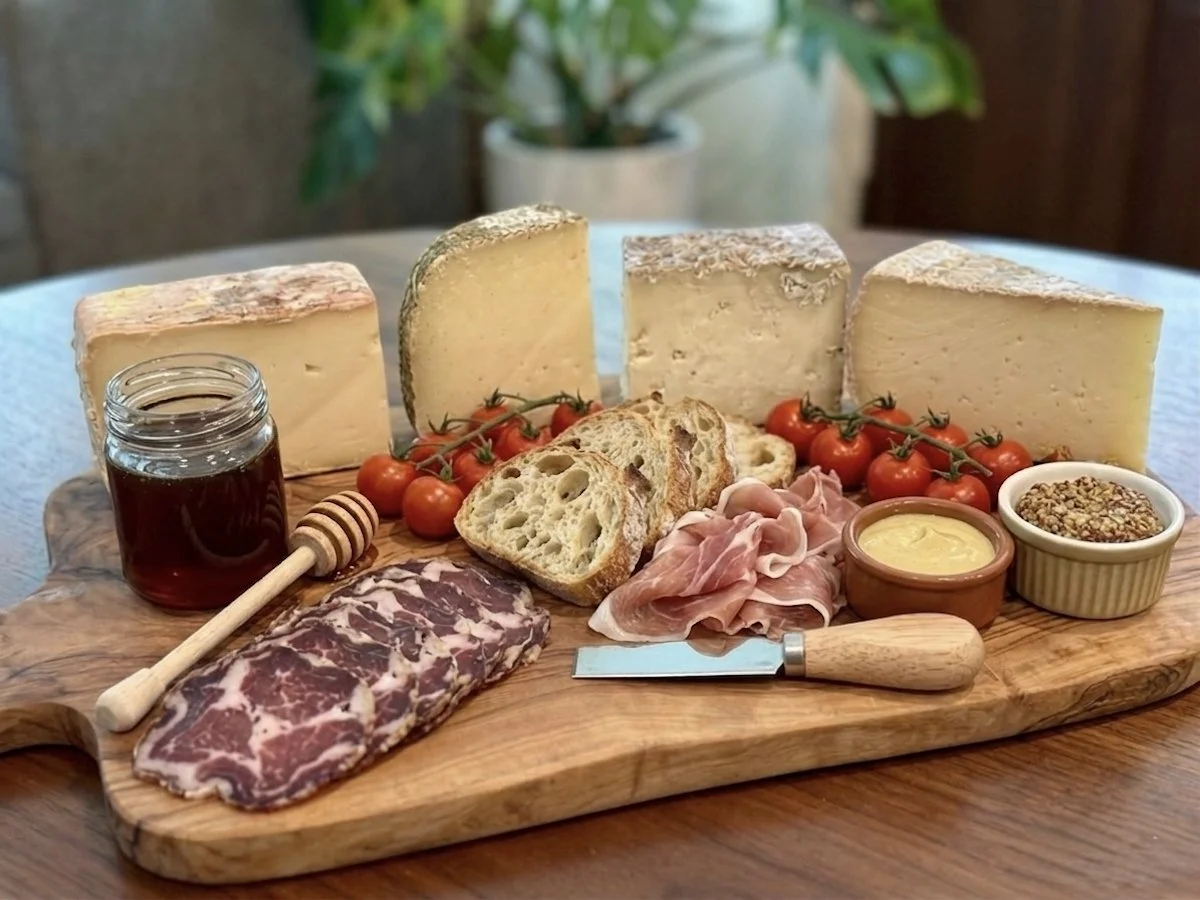
A board featuring Quadrello, Toma Piemontese, Salva Cremasco, and Castelrosso. Photo credit Theresa Greco
Walk into any reputable cheese shop today, and cheesemongers command the counter with the heavy hitters of the Italian dairy world. They stack shards of crystalline Parmigiano-Reggiano and slice into lush wedges of Gorgonzola Dolce, offering flavors shoppers know and trust. But look beyond these staples, and you uncover a deeper story — one shaped by rugged terrain, where cheesemakers guard tradition and craft some of Italy’s most compelling, overlooked cheeses.
Northern Italy’s lesser-known cheeses carry that imprint. They reflect steep pastures, cold air, and time-honored technique. They often deliver bolder flavors, age longer, and reflect the landscapes that shape every bite, from the mountains of Piedmont to the plains of Lombardy. Still, unfamiliar names and textures intimidate many shoppers and complicate their choices.
To close the gap between curiosity and confidence, I sat down with John Montez, Assistant Manager of Events and Education at Murray’s Cheese and an American Cheese Society Certified Cheese Professional (CCP).
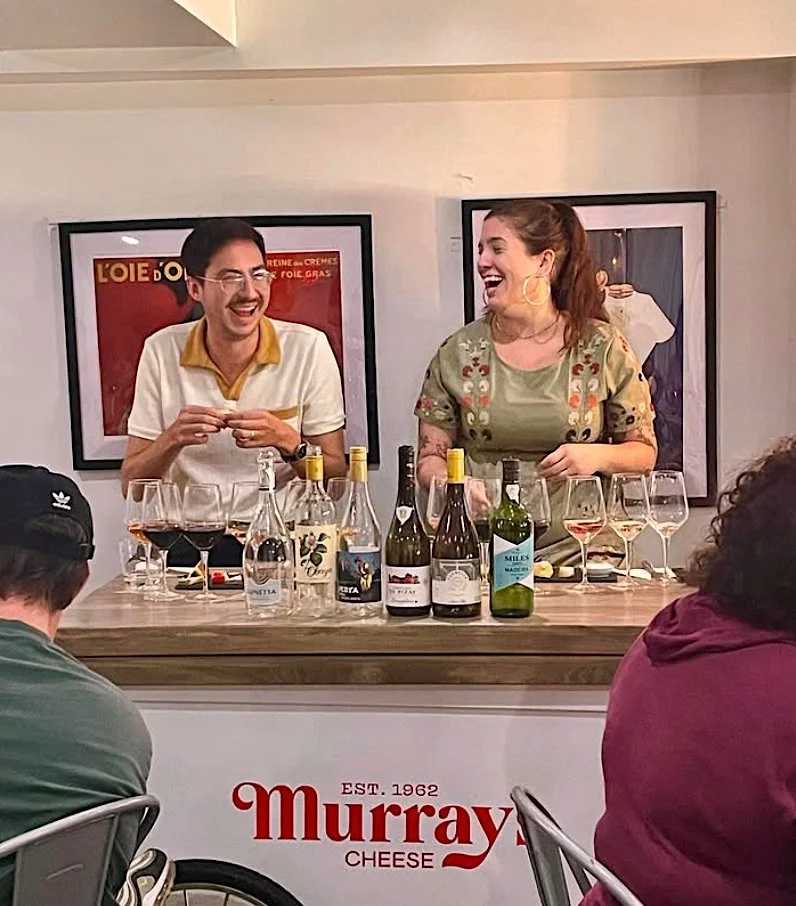
John Montez and fellow Murray’s CCP Isabelle Brosen. Photo credit Lee Musho
“Geography and terroir define traditional artisanal cheeses,” Montez explains. He points to Piedmont’s mountains, where small family-run farms let cows graze freely on diverse local vegetation, producing cheeses with complex, herbaceous character. In contrast, Lombardy’s open plains encourage stabling and cooperative production, resulting in more consistent milk suited to styles like Taleggio and Quadrello.
From there, Montez walks us through four Northern Italian cheeses that showcase their landscapes and why each one deserves a place on your next cheese board.
Castelrosso
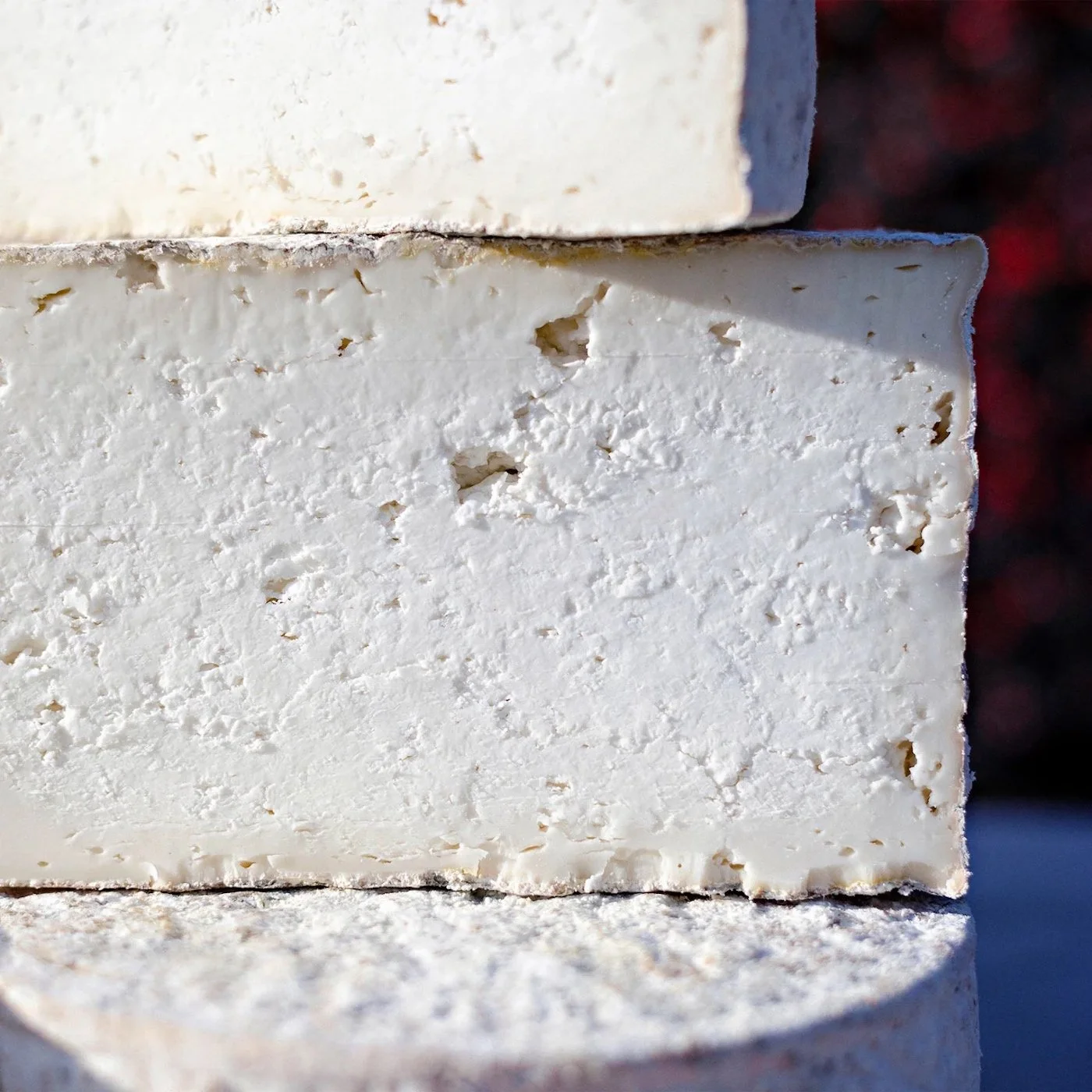
Castelrosso. Photo credit Caseificio Rosso Biella
Castelrosso captures the rare “acid-curd” tradition of the Piedmontese mountains, where artisans take an unconventional path to structure and flavor. Unlike most Italian cheeses that rely solely on rennet, producers allow the milk to sour naturally before adding rennet in a method known as toma brusca.
“The Rosso family has crafted this cheese since 1894,” Montez says. “The current cheesemaker’s great-grandmother established the family creamery, and they still collect milk from 22 local farms that raise traditional local cow breeds.”
He adds, “For die-hard Parmigiano-Reggiano fans, I often recommend Castelrosso. Cheesemakers mill the curds and salt them before pressing them into their final form. That process creates a texture similar to Parm, where you bite into it and the cheese bursts like confetti.”
On the Board: Castelrosso brings structure and contrast to a cheese board with its high acidity and firm texture, helping it hold its shape and stand out among softer cheeses. Montez notes that Castelrosso carries hints of garlic and herbs, adding savory depth. Pair it with chestnut honey or tart grappa-soaked fig jam to highlight its complexity and balance its sharpness. Montez suggests crumbling it over salads or grating it over soups or into pasta to extend its versatility beyond the board.
Salva Cremasco
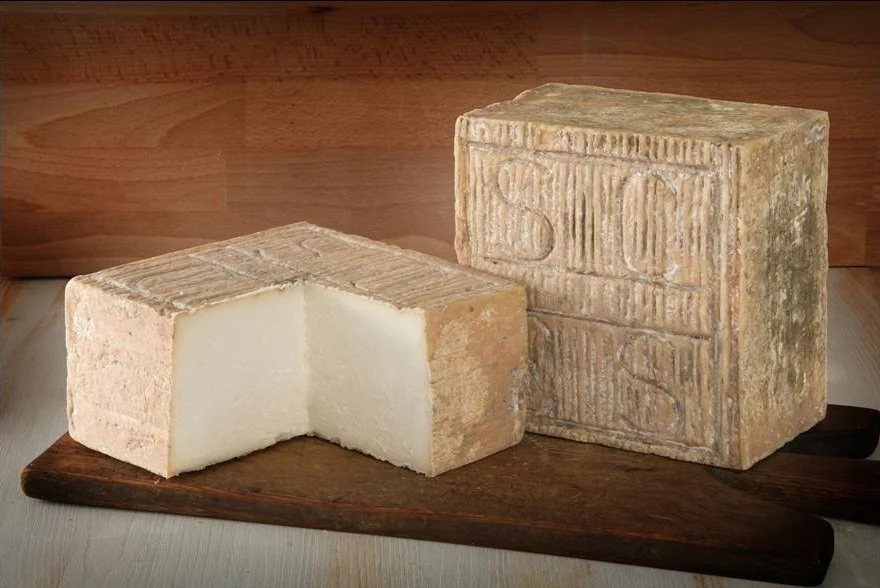
Salva Cremasco. Photo credit Consorzio Tutela Salva Cremasco
Hailing from the Lombardy plains, Salva Cremasco takes its name from the Italian salvare, meaning “to save,” reflecting its historical role as a preservation cheese. Farmers traditionally crafted these firm, square forms to store surplus milk from spring herds. To develop its character, affineurs wash the rind with brine during maturation, encouraging the growth of a natural, aromatic surface rind.
Beneath its grayish, rustic rind, Salva Cremasco develops a dual texture. The center remains bright white and crumbly with a mild, lactic sweetness, while the paste near the rind softens into a creamier, more savory layer. The cheese has a rustic, cellar-like aroma that gives way to mild lactic notes, with hints often described as grassy or herbaceous.
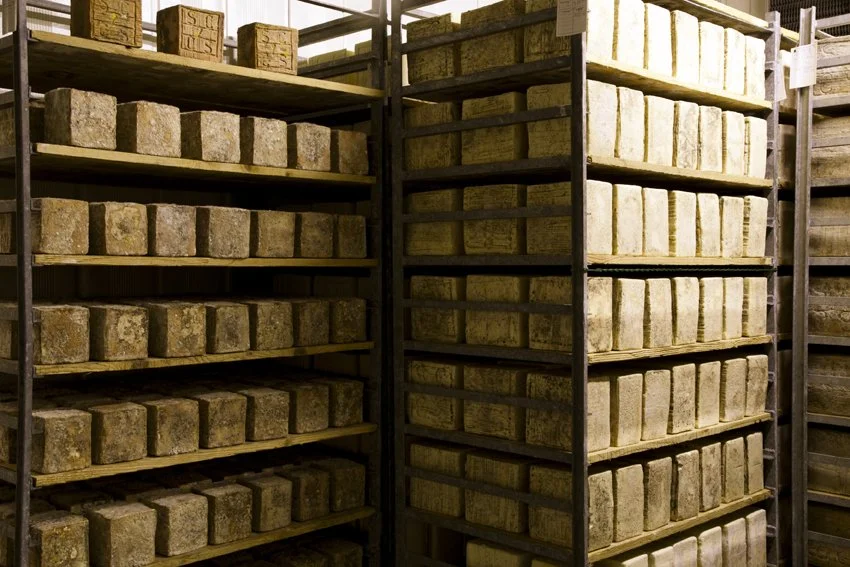
Salva Cremasco being aged. Photo credit Consorzio Tutela Salva Cremasco
For those wary of the “stinky” exterior, Montez offers reassurance. “I always start by telling customers that the bark is worse than the bite. While these cheeses might not have the clean-looking white rinds of a brie, they are full of natural microbial communities that develop on the surface of the cheese during aging. They give us wild and earthy flavors that you just can't get from other cheeses.”
On the Board: Salva Cremasco shines at room temperature, as its soft texture and gentle, milky character define each bite. Montez calls it a “classic table cheese” that pairs well on any board alongside rustic bread and a spoonful of mostarda.
Toma Piemontese
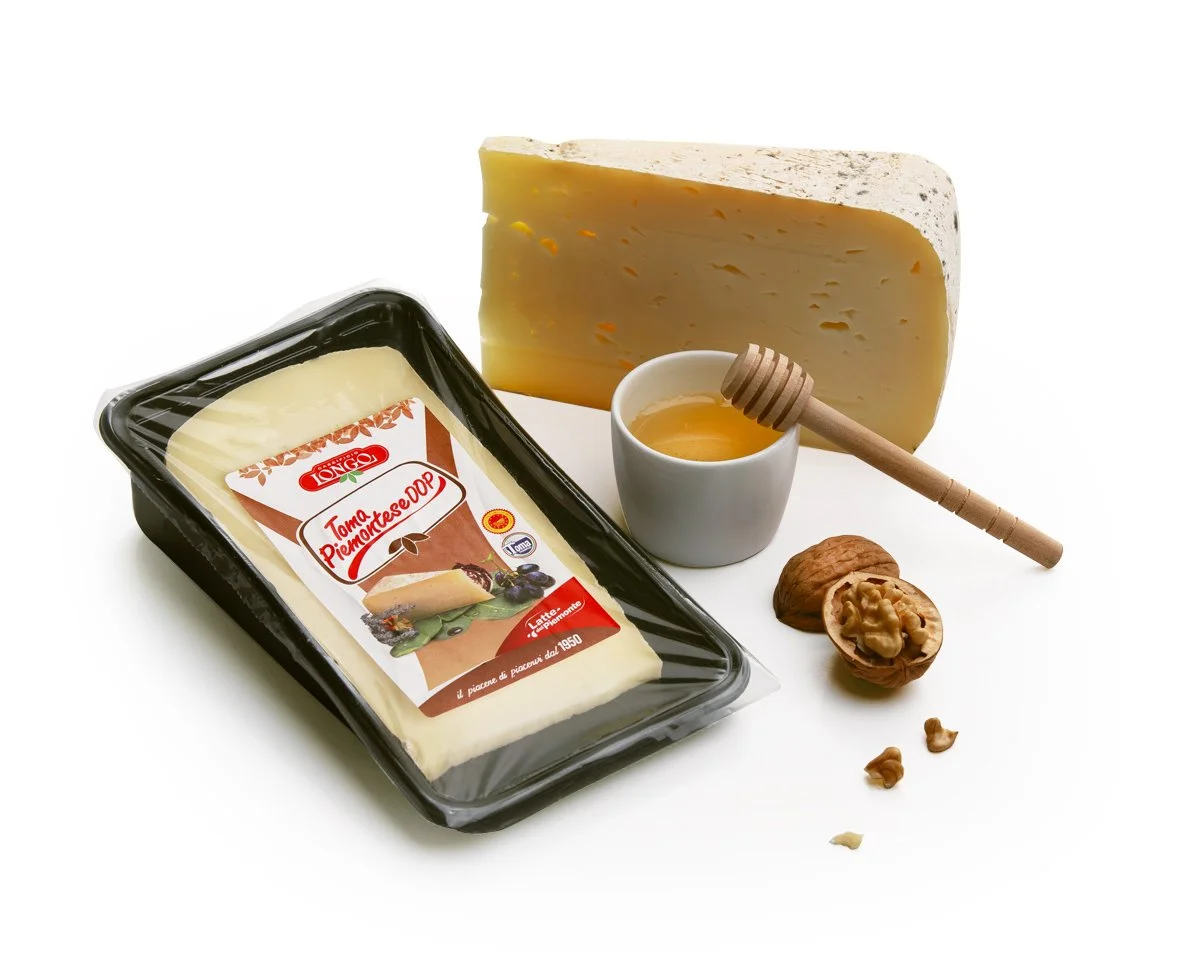
Toma Piemontese. Photo credit Caseificio Longo
While many cheeses carry the name toma, Toma Piemontese represents a traditional mountain cheese from the Piedmont region and holds PDO status in its standardized form. The name likely derives from the local verb tuma or tomà, used in Piedmontese dialect to describe the curd’s formation or settling process in the vat. Its origins trace back centuries to Alpine dairy traditions, where producers crafted toma-style cheeses within seasonal mountain farming systems.
This cow’s milk cheese delivers a mild, buttery profile with gentle lactic sweetness and subtle notes associated with alpine pasture, such as hay, herbs, and fresh grass. Its supple, elastic texture makes it an accessible “bridge” cheese for those who typically prefer mild cheddar or Havarti.
On the Board: Montez notes that Toma Piemontese works especially well as the base for fonduta, “the traditional northern Italian version of fondue.” While Fontina from the Aosta Valley remains the classic choice, he adds that Toma Piemontese performs beautifully in a Piedmont-style interpretation. On a cheese board, it contributes a buttery character and creates a softer, more cohesive overall profile.
Quadrello di Bufala
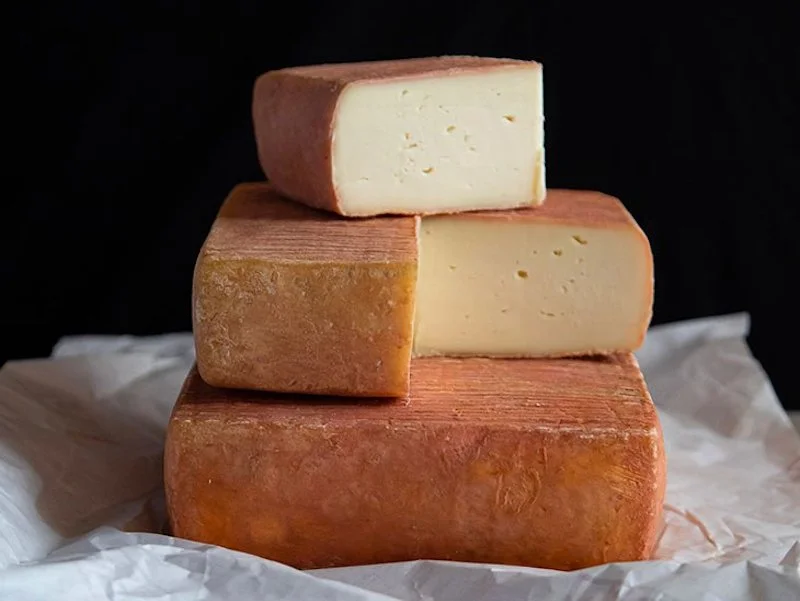
Quadrello di Bufala. Photo credit Quattro Portoni
Water buffalo milk is most widely known for its use in fresh mozzarella. In Lombardy, producers also craft aged cheeses like Quadrello di Bufala. Quattro Portoni is the only producer of this cheese, which is made by the Gritti family and is a buffalo milk interpretation of the traditional Taleggio style, drawing on washed-rind techniques common to the region.
"The cheese with the biggest 'wow' factor has got to be Quadrello," Montez says. "Most people have not had buffalo milk cheese outside of Mozzarella di Bufala. It is no more gamey than cow's milk but about twice as rich with its high butterfat content. If people have had Taleggio before, this is a really fun spin on a classic."
Beneath its soft, washed rind is a pale, creamy paste that softens significantly with age. It develops a pronounced aroma typical of washed-rind cheeses, often described as earthy, yeasty, and slightly savory, before opening into a rich, buttery, and gently tangy flavor profile. As it matures, the texture becomes increasingly supple and spoonable, coating the palate with lingering richness.
On the Board: Montez calls Quadrello “a creamy cheese that makes an impression,” and suggests adding to your board along with thinly sliced bresaola or ripe tomatoes to build an umami-rich balance. He notes that it melts well and performs in applications similar to Taleggio, particularly in warm preparations like panini.
To complete the Alpine cheese tasting experience, Montez turns to classic Northern Italian wine pairings that mirror the landscapes behind these cheeses. He recommends a mineral-driven Pinot Grigio from northern Italy, which echoes their rustic, cave-aged character. In cooler months, he reaches for floral Nebbiolo to draw out their softer, buttery, lactic qualities. These pairings translate geography into flavor and turn tradition into something you can taste.
Collectively, these cheeses reveal a side of Northern Italy that rarely takes center stage at the counter. They reward curiosity with texture, history, and flavor shaped by place, from high alpine pastures to lowland dairies. Montez encourages shoppers to move past familiar names and trust what the landscape offers. In doing so, they discover cheeses that go beyond the staples, carrying the imprint of terrain, tradition, and craft in every bite.