
The Cheese Shops of Rome, Capital of Cheese
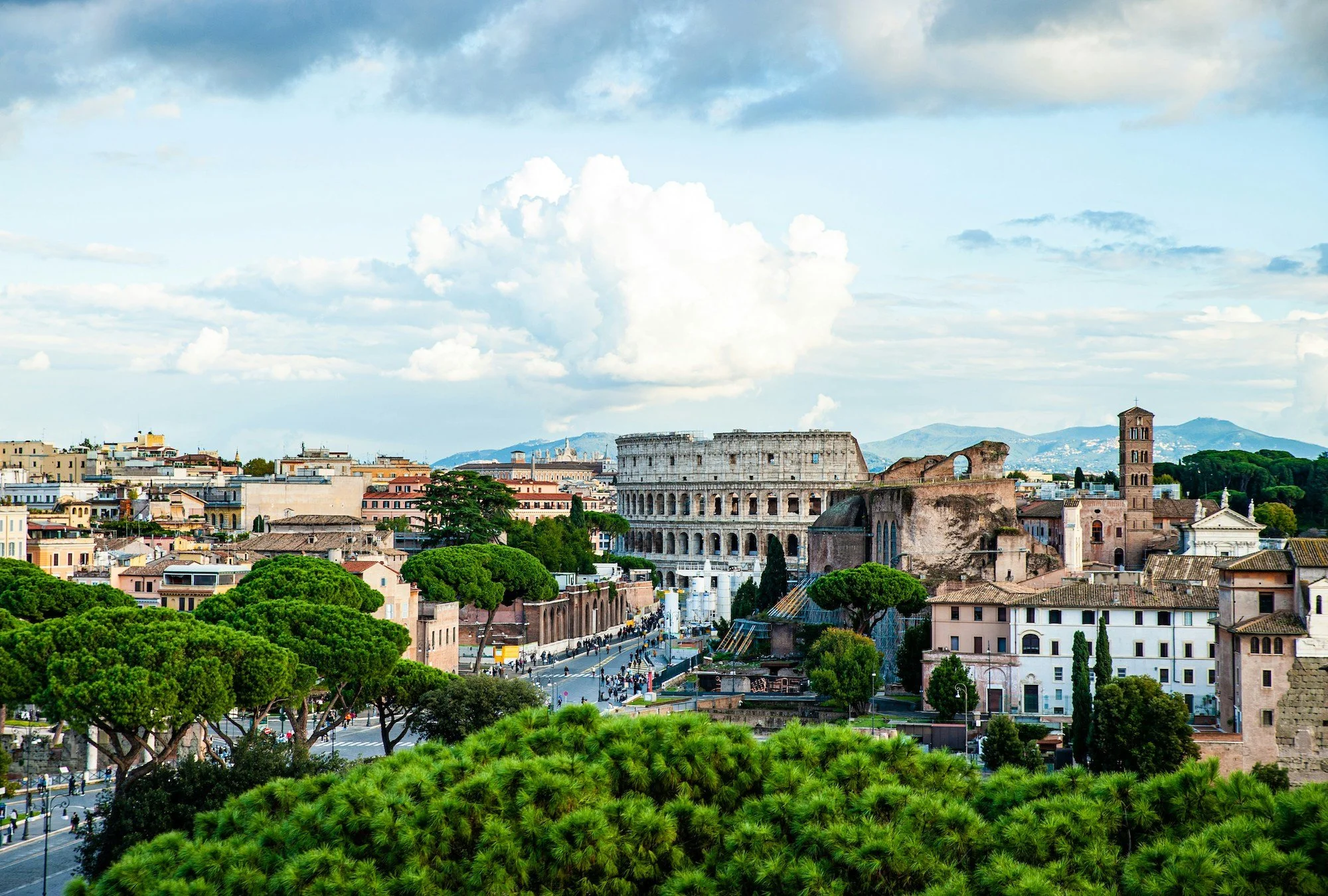
The city of Rome. Photo credit Marco Chilese
The secret to a great cacio e pepe lies in the balance of Pecorino Romano and black pepper. That same cheese defines many of Rome’s most iconic dishes, from carbonara and amatriciana to trippa alla Romana, and reflects a culinary tradition rooted in resourcefulness and bold flavor.
It’s no coincidence that cheese — especially sheep’s milk cheese — plays such a central role in the city’s culinary identity. Surrounding Rome is the agro Romano (Italian for “the field of Rome”), a vast agricultural area that makes the Italian capital one of Europe’s largest agricultural municipalities. This landscape of pastures, orchards, and farmland supports a rich biodiversity and yields exceptional products, including a remarkable variety of cheeses.
Rome, City of Cheese
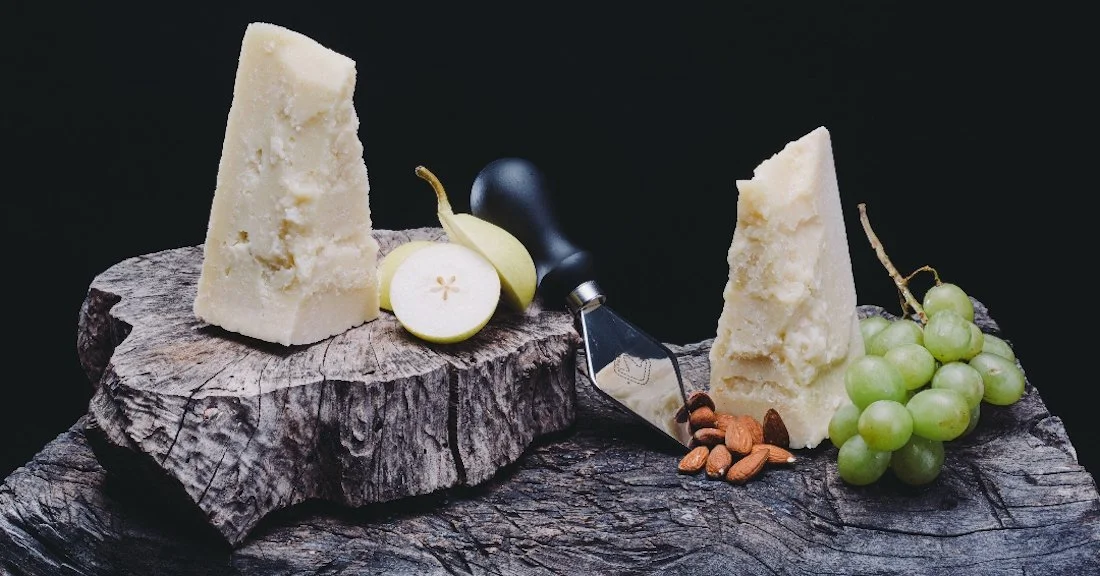
Pecorino Romano, one of Rome’s four PDO cheeses. Photo credit Pecorino Romano On Top
With more than 50 dairies and farms, Rome is home to a long-standing cheesemaking tradition that includes four protected designations of origin (PDO) cheeses: Pecorino Romano, Ricotta Romana, Mozzarella di Bufala Campana, and Ricotta di Bufala Campana. It also counts 17 traditional regional cheeses (PAT). These range from Caciofiore, a soft sheep’s milk cheese with roots in ancient Rome, to Provolone di Formello, produced in the city’s northern outskirts, and include numerous pecorini (sheep’s milk cheeses), caciotte (young, mild semi-soft cheeses), and goat cheeses.
In 2025, Rome was named one of Italy’s official “cheese cities” and added to the national register established by the country’s National Organization of Cheese Tasters (ONAF), which recognizes places that preserve and promote distinctive dairy traditions and sustainable, land-based food systems. Long known as Caput Mundi (“capital of the world”) for its place in the ancient empire, Rome has also become, fittingly, a kind of Caput Casei — a capital of cheese.
This recognition reflects not only the historical depth of Roman cheesemaking but also the city’s ongoing role in championing regional food culture. That role is evident in Formaticum, the annual winter festival organized by La Pecora Nera and cheesemonger Vincenzo Mancino, which brings together top Italian producers to showcase cheeses from across the country, from alpine varieties to Sardinian pecorini, buffalo mozzarella, and stretched-curd cheeses from the Apennines.
Next time you’re in Rome, take the opportunity to explore this rich dairy heritage, not only through its iconic pasta dishes, but also by visiting the cheesemongers and specialty shops that keep these traditions alive.
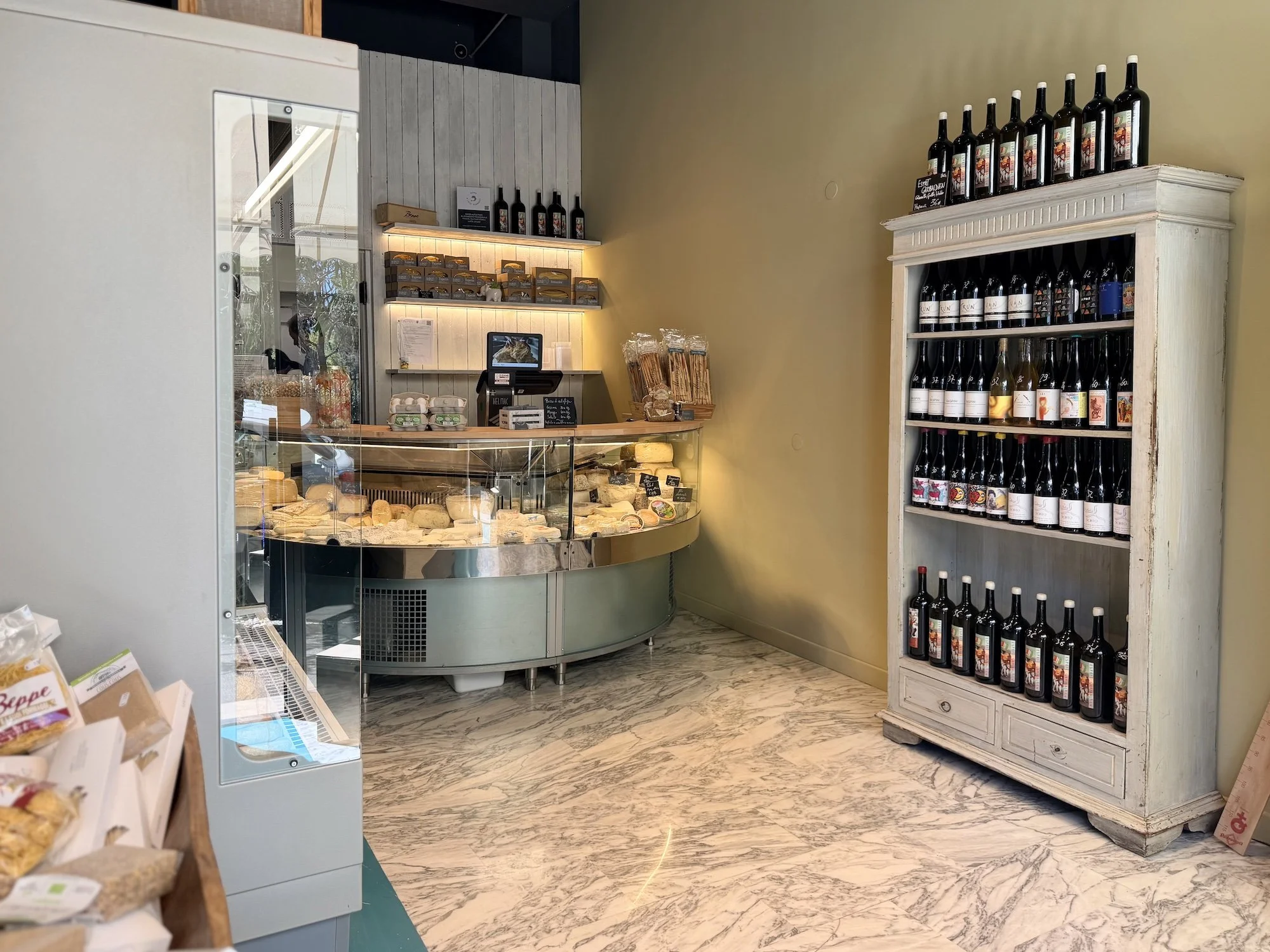
Beppe e i Suoi Formaggi
Born into a family of shepherds and cheesemakers in the Alps between Piedmont and France, Beppe Giovale later settled in Rome and opened Beppe e i Suoi Formaggi, a shop and bistro. The counter features raw-milk cheeses from Italy, France, and Switzerland, including the family’s own, alongside a focused selection of natural wines and a small menu of dishes with a distinct French and Northern Italian accent. The venue near Campo de’ Fiori has since closed, but Giovale’s cheeses are now available at his stall (#227–228) in the Trionfale Market and at a small new shop in the Nemorense area. A larger space, with a full kitchen for breakfast, lunch, and dinner, is set to open on Via Gallia in San Giovanni.
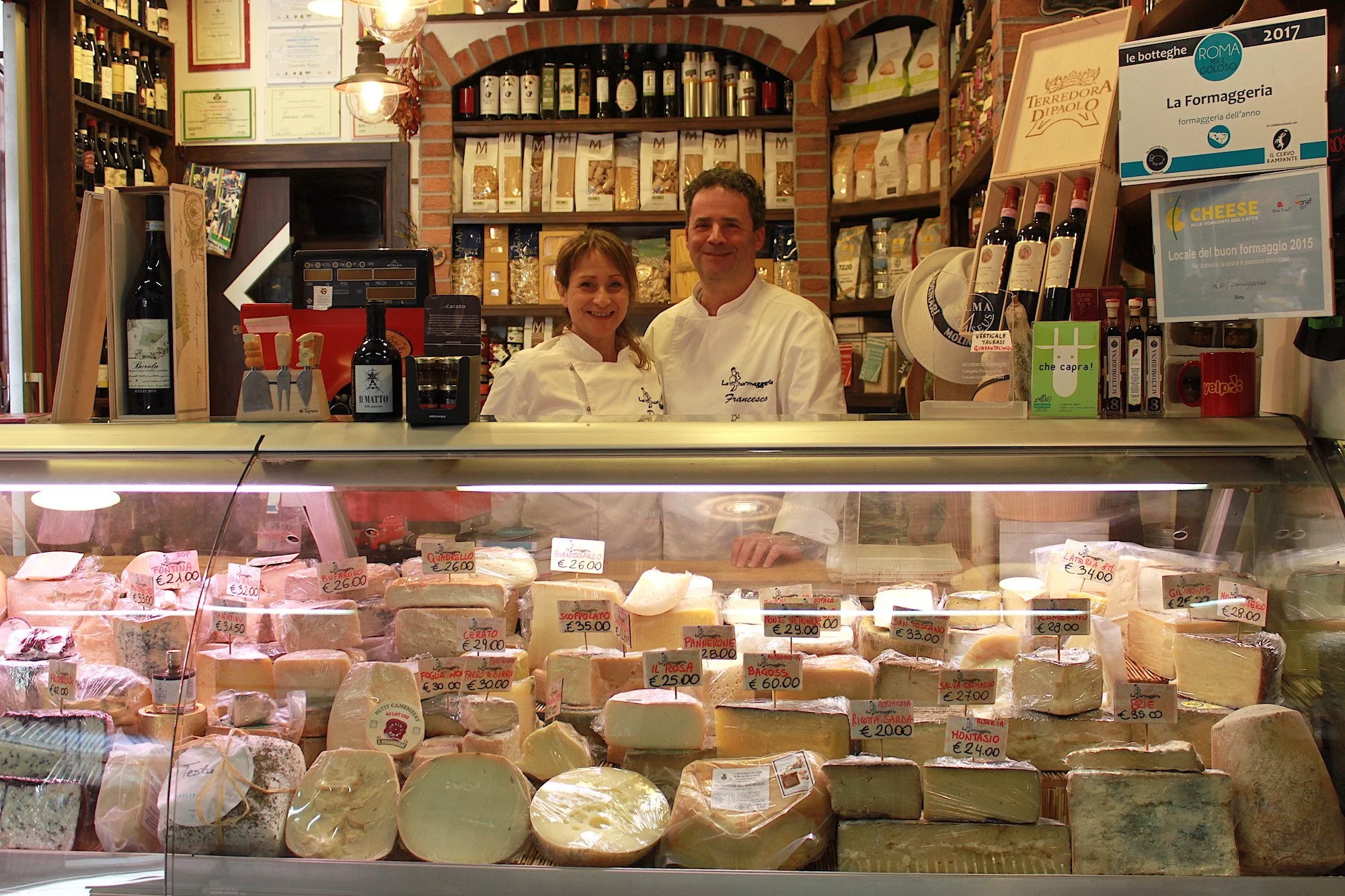
Francesco and Donatella Loreti of La Formaggeria
In Rome, the neighborhood markets often hide unexpected treasures. At Mercato Latino, in the quiet Piazza Epiro, the gems are made of milk: Over 25 years ago, Francesco Loreti and his wife Donatella inherited the grocery stall from his father. A few years later, they took over a second stall to create a special focus on rare cheeses carefully selected from small independent cheesemakers and premium foods including extra virgin olive oil and pasta. Today, their second stall “La Formaggeria” (#26) is a true cheese lovers’ mecca, and a go-to for Roman chefs and restaurateurs. Blue cheeses from different Italian regions are Loreti’s specialty, but he also selects a wide range of excellent cheeses hailing from the Alps to Sicily, plus a selection of hard-to-find products from abroad.
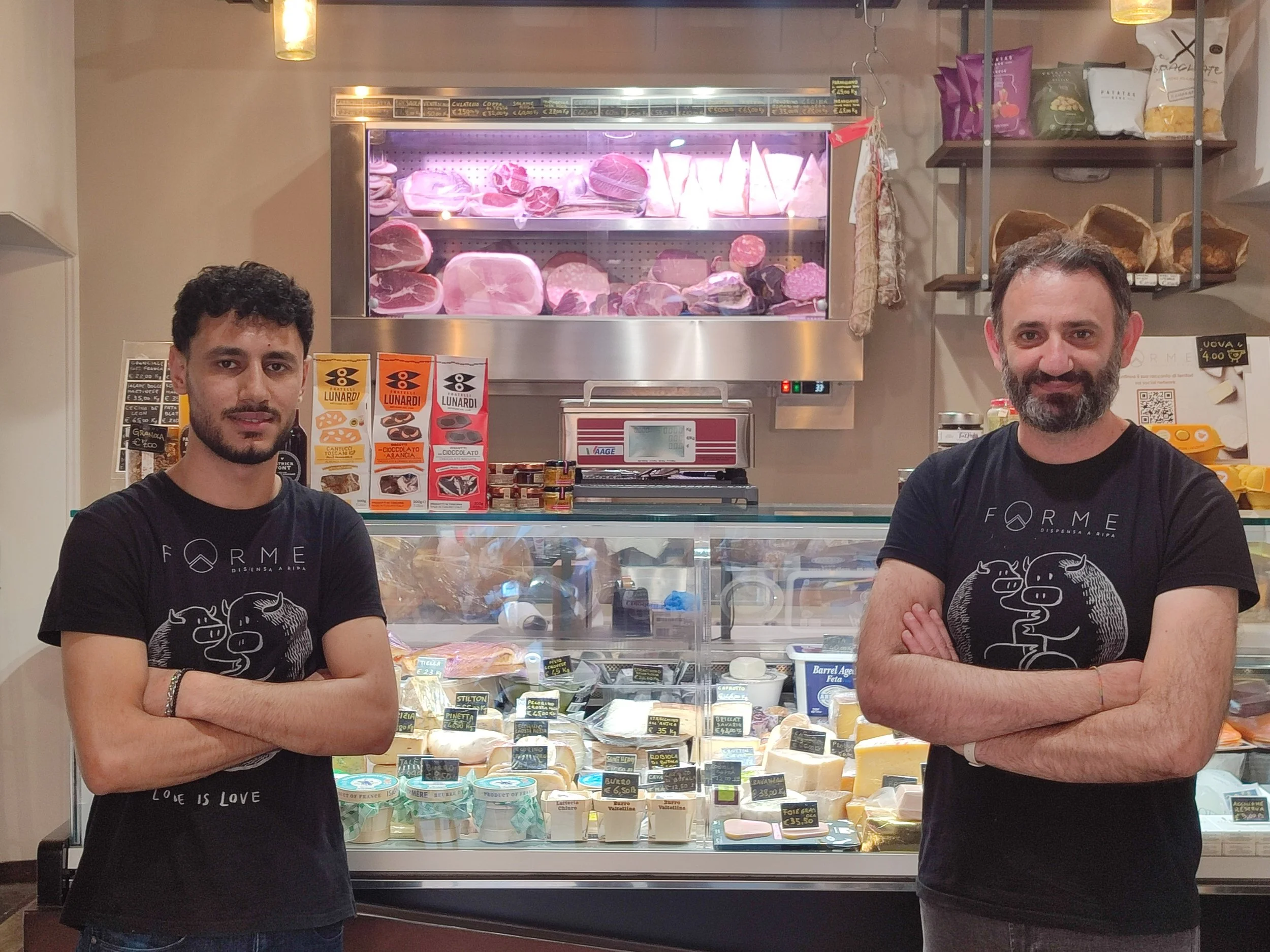
Forme’s Pasquale Borriello, at right, with his helper, Hakim
After years of working at Roman institutions like Roscioli and the now-closed Franchi, Pasquale Borriello opened this Trastevere shop in 2022. Shelves stock pasta, sauces, preserves, oils, and wines from across Italy — with a focus on the south and his native Campania — but cheese leads the compact, well-stocked counter. Expect Mozzarella di Bufala Campana, Parmigiano Reggiano, Gorgonzola, and other blue cheeses, aged and fresh selections, craft butter, and some international selections. Cured meats round things out, and everything can be tucked into sourdough for a panino or served as an aperitivo. Despite its small size, the shop also hosts tastings and classes — ask to see the schedule.
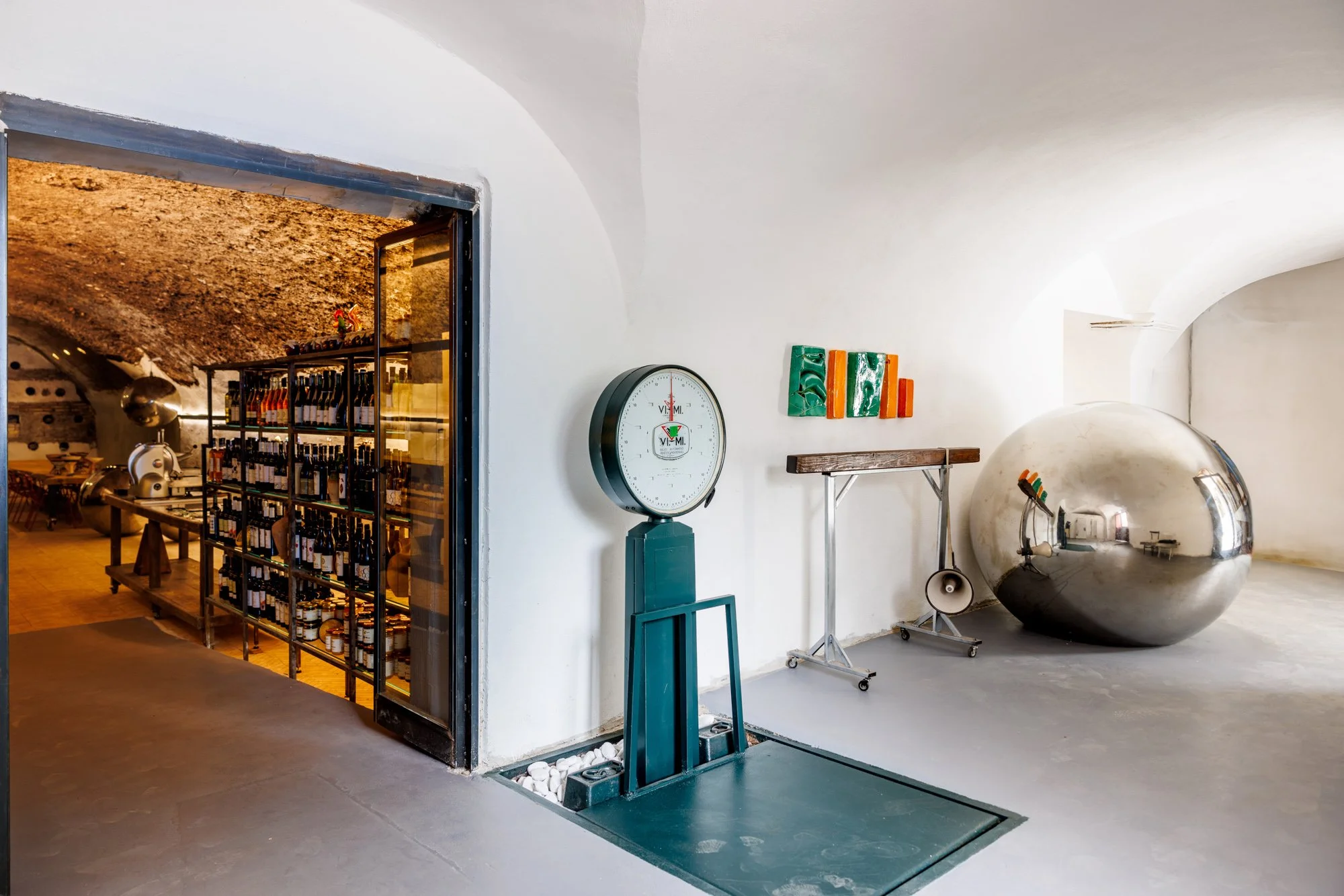
Taste’accio. Photo credit Andrea Di Lorenzo
Launched by Vincenzo Mancino in 2024, this multifaceted space brings together cheese, food culture, and contemporary art in an underground gallery within Testaccio’s Monte dei Cocci, an ancient hill formed from discarded Roman amphorae once used for food storage. Today, Mancino uses it as an aging cave for cheese and cured meats, including regional specialties such as Pecorino Romano PDO, Conciato di San Vittore, and buffalo-milk caciottina from Amaseno, which is massaged with oil and vinegar. Taste’accio also functions as a shop and gallery, hosting tastings and pairing workshops.
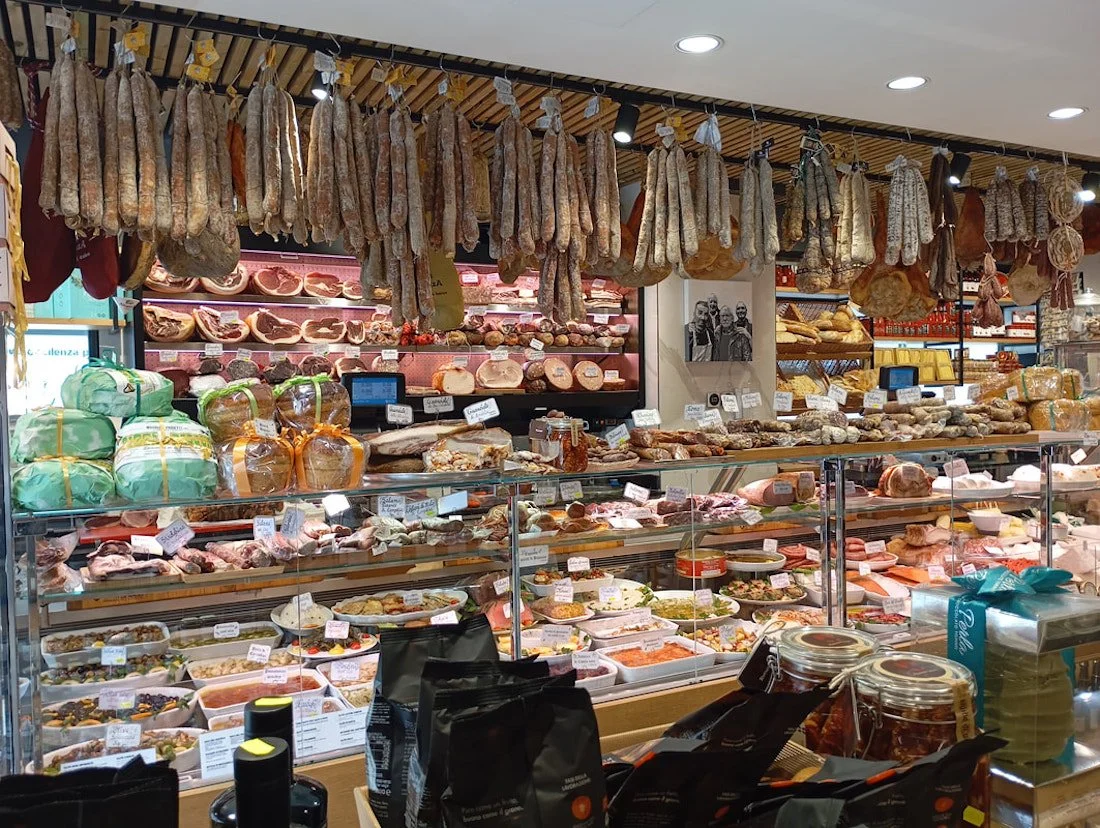
La Tradizione
Founded in the 1970s by Umbrian-born cheesemongers Renzo Fantucci and Valentino Belli, this renowned salsamenteria — an Italian deli focused on cheese, cured meats, and takeout food — has long been a landmark for culinary excellence. Located not far from Vatican City, it is now run by Francesco Praticò and Stefano Lobina, devoted “apprentices” of the founders, and boasts a selection of more than 400 cheeses from Italy, France, and beyond. You’ll also find a strong selection from Rome and Lazio, from Pecorino Romano and Caciofiore di Columella to the delicate goat’s milk marzolina from the Frosinone area.
Other Notable Addresses
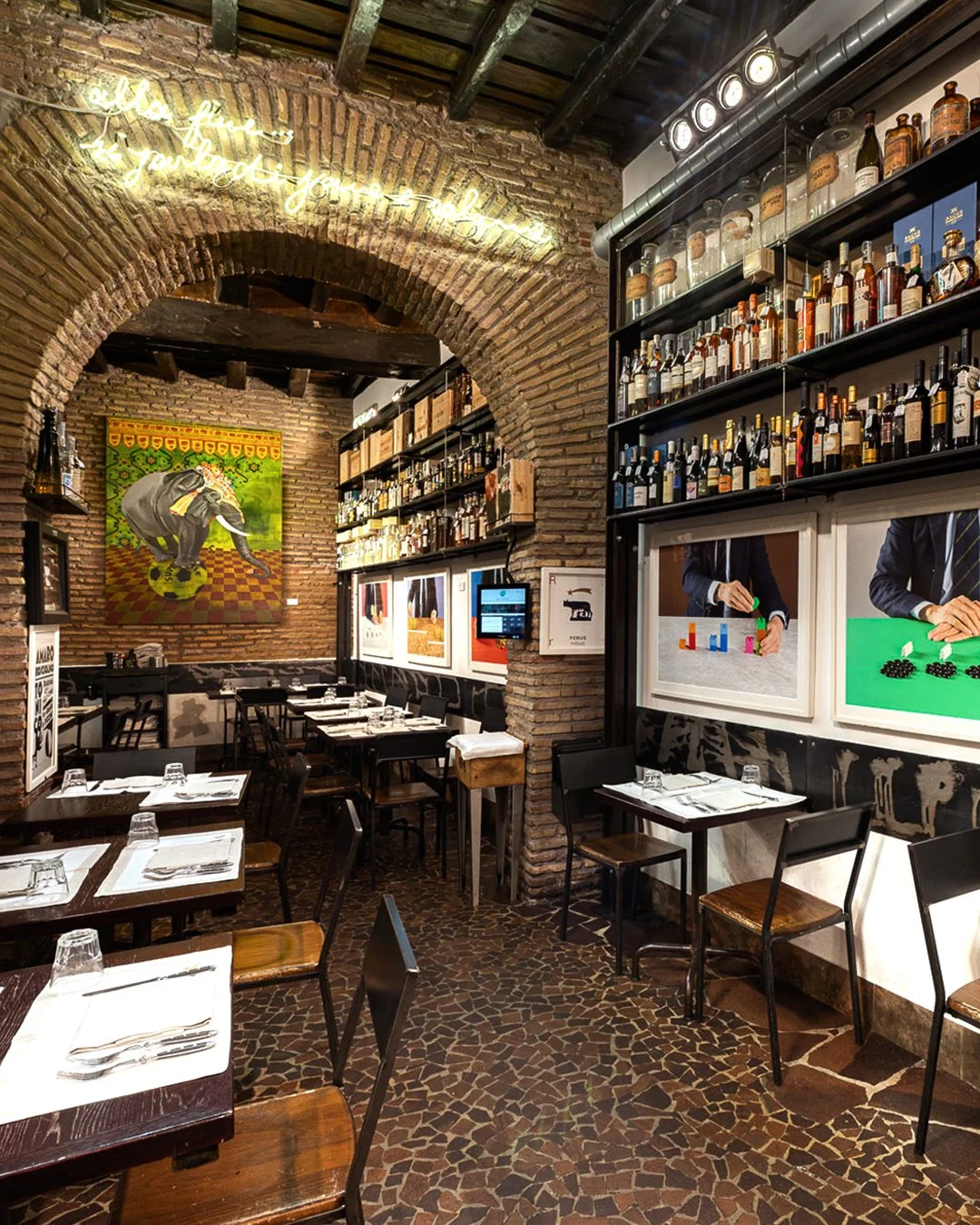
The interior of Salumeria Roscioli. Photo credit Roscioli
Antica Caciara Trasteverina
Looking for the best Ricotta Romana in town? Or one of the few Pecorino Romano options actually made near Rome (rather than Sardinia)? You’ll find both at this historic — slightly old-fashioned, in a lovely way — family-run shop in the heart of Trastevere, a place that has been selling artisanal Italian cheeses (and much more) since the early 20th century and was once a proper dairy.
Ercoli 1928
Though best known for smoked and preserved fish, this longtime Roman shop — now with locations in Prati, Parioli, and Trastevere — also offers over 200 cheeses from Italy and across Europe. Generous platters, served with focaccia, honey, and mustard, make an ideal aperitivo.
Cibo Limata
Since 1950, this family-run shop by the Piazza Bologna metro has sold cheese and cured meats, becoming one of the city’s most appreciated delis. It’s now flanked by the elegant Cibo Limata bistro and restaurant, which serves boards of traditional cured meats and rare alpine cheeses, along with Roman classics, seafood, and premium meats.
Ruma Bottega & Cucina Agricola
This cozy shop and bistro near Piazza Navona showcases dairy from a family-run, sustainable buffalo farm in the Maremma countryside, on the Tuscany-Lazio border. Ricotta, mozzarella, burrata, yogurt, and French-style aged cheeses feature in its lunch and dinner dishes, and even the ice cream is made with buffalo milk.
Salumeria Volpetti
Since 1973, this deli — founded by the Volpetti brothers and now run by Matteo Tomljanovich — has sold top cured meats, cheeses, and premium food products from across Italy. The selection now includes French Comté and Spanish charcuterie, making it a go-to for both locals and tourists. A few steps away, Taverna Volpetti serves generous cheese and charcuterie platters alongside traditional and modern dishes.
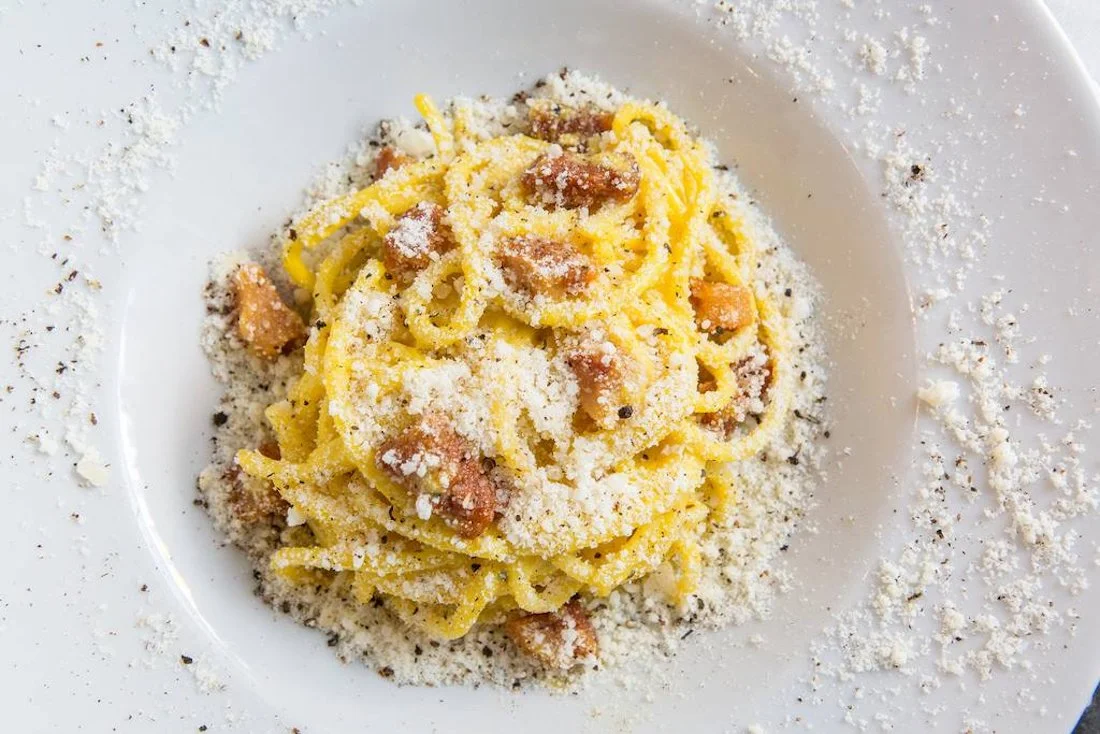
Salumeria Roscioli’s legendary carbonara. Photo credit Roscioli
Founded as a bakery and grocery in 1972 (still operating nearby), Roscioli has become a cornerstone of Roman food culture, with a New York City outpost that opened in 2023. Alessandro Roscioli, the founder’s son, now leads the refined deli and restaurant, where coveted tables sit alongside a lavish cheese counter. The menu is famous for Roman classics like carbonara and cacio e pepe, as well as for seafood and smoked fish platters.