
Cottage Cheese Is the Genius Baking Upgrade You Need
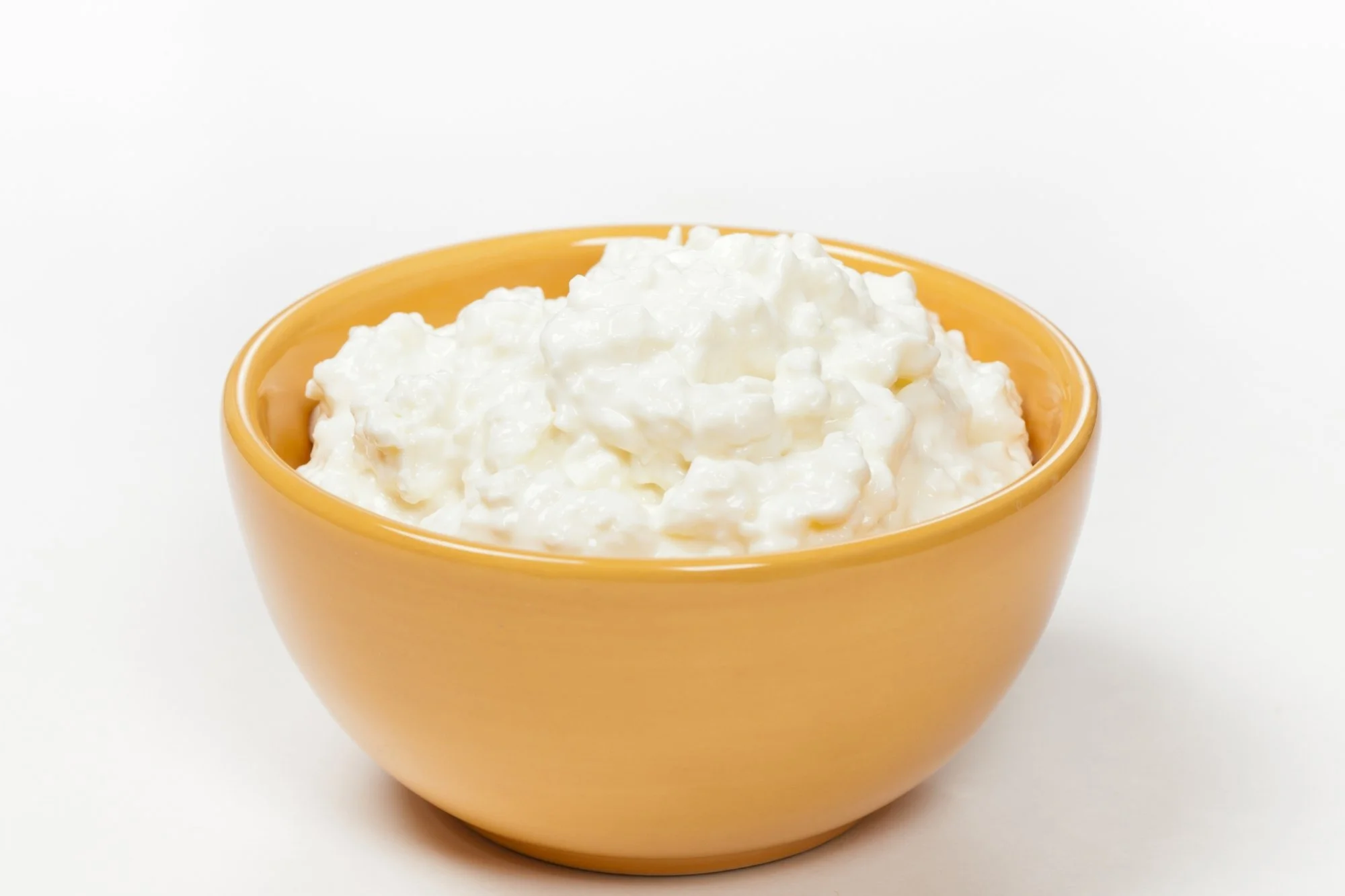
Last year, a recipe for cottage cheese brownies became a sensation on social media. Swapping cottage cheese, maple syrup, and almond flour for more traditional brownie ingredients like butter and granulated sugar, this viral version quickly inspired a string of cottage cheese recipes, like ice cream, biscuits, and banana cream pie. In Australia, so many bakers embraced the TikTok trend that it sparked a cottage cheese shortage.
This recent renaissance shattered the decades-old stereotype of cottage cheese as a bland diet food. Once relegated to health food stores, weight-loss cookbooks, and the "diet delights" menu at New York City diners, this soft, cow's-milk curd cheese now enjoys a reputation as a highly adaptable cooking and baking ingredient.
Chefs and content creators continue to find new ways to utilize cottage cheese in everything from cupcakes to chocolate mousse. Affordable and widely available at most supermarkets, it's become a popular choice in cookbook recipes, too.
Why Bake with Cottage Cheese?

Cottage cheese and oat loaf photo credit Rebecca Frey
The natural fat in cottage cheese produces cheesecakes with a rich, creamy texture, and ultra-moist breads, cakes, and muffins with a delicate, tender crumb. Like Greek yogurt and ricotta, cottage cheese adds a mild, slightly tangy note, while remaining neutral enough for both sweet (cookies, brownies) and savory (flatbreads, cheese scones) baking recipes.

Sarit Packer and Itamar Srulovich, photo credit Patricia Niven
Cottage cheese can replace a range of ingredients, including butter, oil, cream cheese, ricotta, sour cream, and yogurt. In their new cookbook, Honey & Co. Daily, London restaurateurs Itamar Srulovich and Sarit Packer use cottage cheese in their recipe for gluten-free cottage cheese and oat loaf. Note the authors, "We tried many iterations of this recipe until we got to a result that we like: a loaf that is rich and delicious and dense in the right way, with just the right amount of tang from the cottage cheese." Srulovich and Packer highlight the "lighter, more neutral dairy flavour that...[is] great for baking when yogurt is too sour and cream too rich."

Registered Dietitian Alexis Jones, MS, RD, LD.
In addition to its flavor and texture benefits, cottage cheese provides a big nutritional boost. "Cottage cheese can be a more nutritious replacement for traditional baking ingredients like butter or oil while still providing creaminess and moisture to recipes," says Registered Dietitian Alexis Jones, MS, RD, LD. "It provides calcium to support bone health and is a great source of protein, containing about 13 grams per ½ cup, which can help promote satiety, support blood sugar management and preserve muscle mass. Compared to butter, cottage cheese contains significantly less saturated fat, making it a more heart-healthy option."

Abbie Gellman, MS, RD, CDN
And cottage comes in several varieties, allowing the baker to further adjust the fat content based on the cheese they select. Notes Registered Dietitian and Chef Abbie Gellman, MS, RD, CDN, "Whole milk cottage cheese is roughly 4% [fat] down to 0% for nonfat cottage cheese. Compared to oil, cottage cheese has less calories."
3 Tips for Baking with Cottage Cheese
Blend the cottage cheese
Choose the right fat content
Mind the moisture
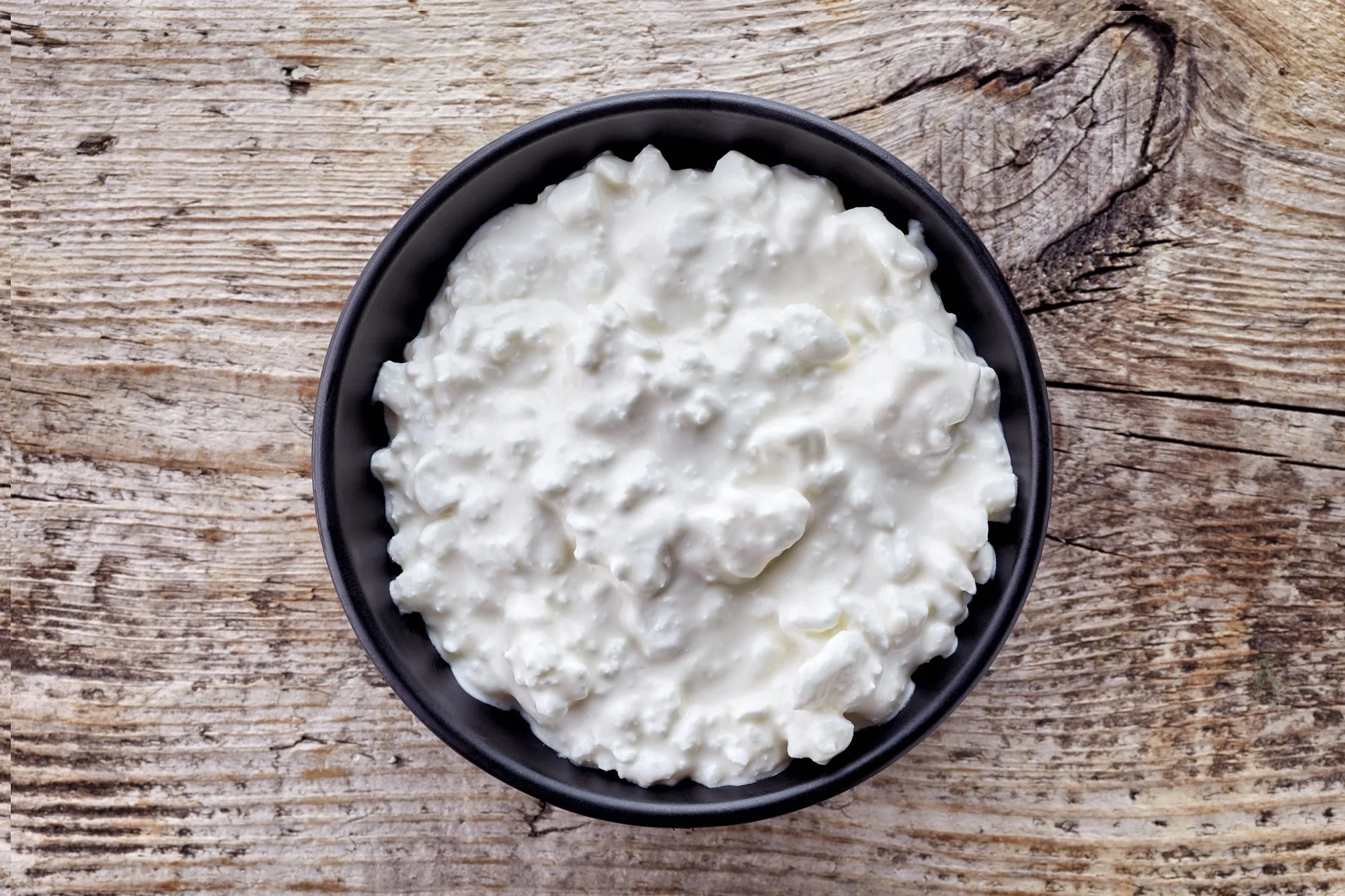
"When using cottage cheese in a recipe, I typically recommend whipping it first so that the curds break down and it becomes creamier before adding," says Gellman. For creamy recipes (think cheesecake, pudding, or chocolate mousse) blitzing the curds plays a crucial role in creating a silky-smooth texture. In baking, blending is less important. It will eliminate visible white curds, but won't affect the texture of the finished product. Blend for visual appeal, use whole curds for a more rustic look, or start with small curd cottage cheese for an in-between option.
Cottage cheese comes in fat percentages ranging from 0% to 4% milkfat. While 0% creates lower-fat baked goods, it also lacks the flavor and texture of full-fat cottage cheese. In addition, the absence of fat can lead to a dense, heavy texture or a watery finished product. For the richest desserts, opt for full fat cottage cheese.
Full-fat cottage cheese contains approximately 80% moisture by weight. In some recipes, this high moisture content works to the baker's advantage; in others, it can create weepy, watery bakes. Whether or not to drain the cheese depends on the recipe. For moist breads and muffins, use the cheese directly from the container. For recipes where a crisp, dry texture is important (pastry dough, crackers) pass the cheese through a sheet of cheesecloth to remove the excess water.
The Best Baked Goods to Make with Cottage Cheese
Begin the day with an extra protein boost by adding cottage cheese to breakfast dishes like pancakes, waffles, cinnamon rolls, and blueberry muffins. Use it in a lemon drizzle cake or a loaf of banana bread. Make sweet baked goods like cupcakes, fudgy brownies, or protein-packed chocolate chip cookies. Try it in savory recipes like cheese breads and biscuits. And while we typically think of ricotta or cream cheese as the key ingredient in a classic cheesecake, cottage cheese can create the same tangy notes and creamy texture.
Cottage cheese also features prominently in many regional recipes. In Croatia, you'll find it in Štrukli—soft, wheat dough rolls filled with cottage cheese and sour cream. In Pennsylvania Dutch and Amish cuisine, cottage cheese, eggs, and sugar blend together to make Schmierkase, a traditional custard-style pie. Cottage cheese also plays an important role in traditional Jewish dishes like latkes and blintzes.
Gluten-Free Cottage Cheese and Oat Loaf
Adapted from Honey & Co. Daily by Itamar Srulovich and Sarit Packer
Makes one 2-pound loaf
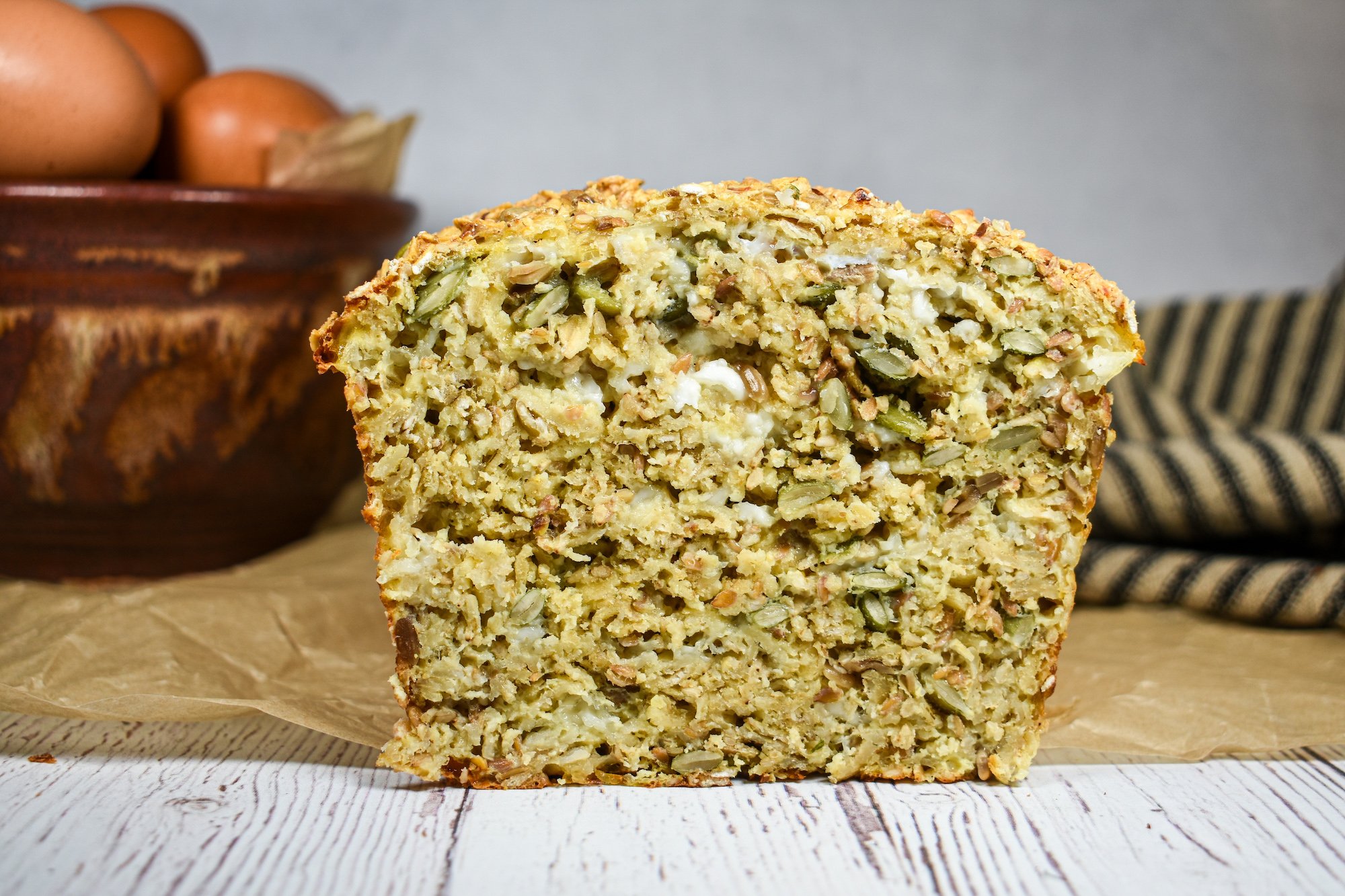
Sliced cottage cheese and oat loaf photo credit Rebecca Frey
Ingredients
21 ounces (about 2 2/3 cups) full fat cottage cheese
6 large eggs
2 teaspoons salt
10 1/2 ounces (3 cups) gluten-free old fashioned oats
2 teaspoons baking powder
1/3 cup flax seeds
1/3 cup sesame seeds
1/3 cup sunflower seeds
1/3 cup pumpkin seeds
Instructions
Preheat the oven to 400° F. Line a loaf pan with a double layer of baking parchment.
In a large bowl, stir together cottage cheese, eggs and salt. Add the oats, baking powder and seeds and mix until a thick dough forms. Pour into prepared pan, then use a wooden spoon to smooth the top of the loaf.
Bake for 30 minutes, then reduce heat to 350° F and bake for 30 minutes more, or until deeply golden brown. Transfer to a wire rack and allow loaf to cool in pan for 20 minutes.
Serve warm or at room temperature.