
6 Ways to Make the Cheese World More Inclusive
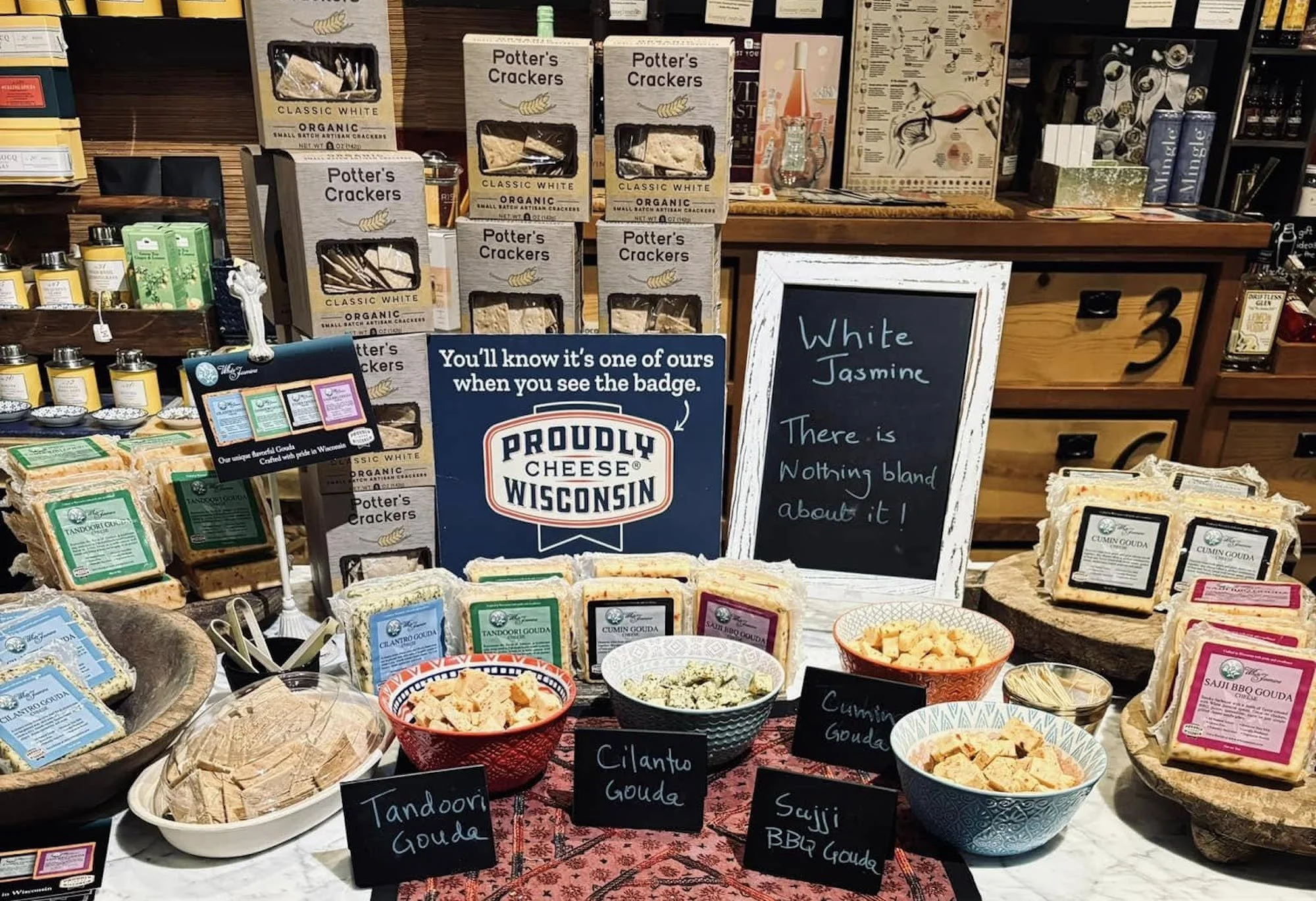
A display of White Jasmine’s Wisconsin cheeses at a specialty market. Photo credit White Jasmine
Across the world, there’s an incredible diversity of cheeses. But that rich diversity of cheese throughout the world is often not reflected in the cheese industry — whether in the people behind the counter, who gets to attend conferences, or even what cheeses are available.
Creating a cheese industry that is more inclusive not only enriches the industry, it also helps businesses grow: A 2025 report indicated that diversity, equity, and inclusion (DEI) efforts are tied to stronger financial performance and lower business risk.
“Studies show businesses see more success with a diverse group of employees,” says Kyra James, Certified Cheese Professional (CCP) and owner of the cheese brand Own Your Funk. She points out that when she first started working in cheese, she was “the only Black person in the majority of spaces.” A more diverse workforce means new ways of seeing, new ideas, and new knowledge.
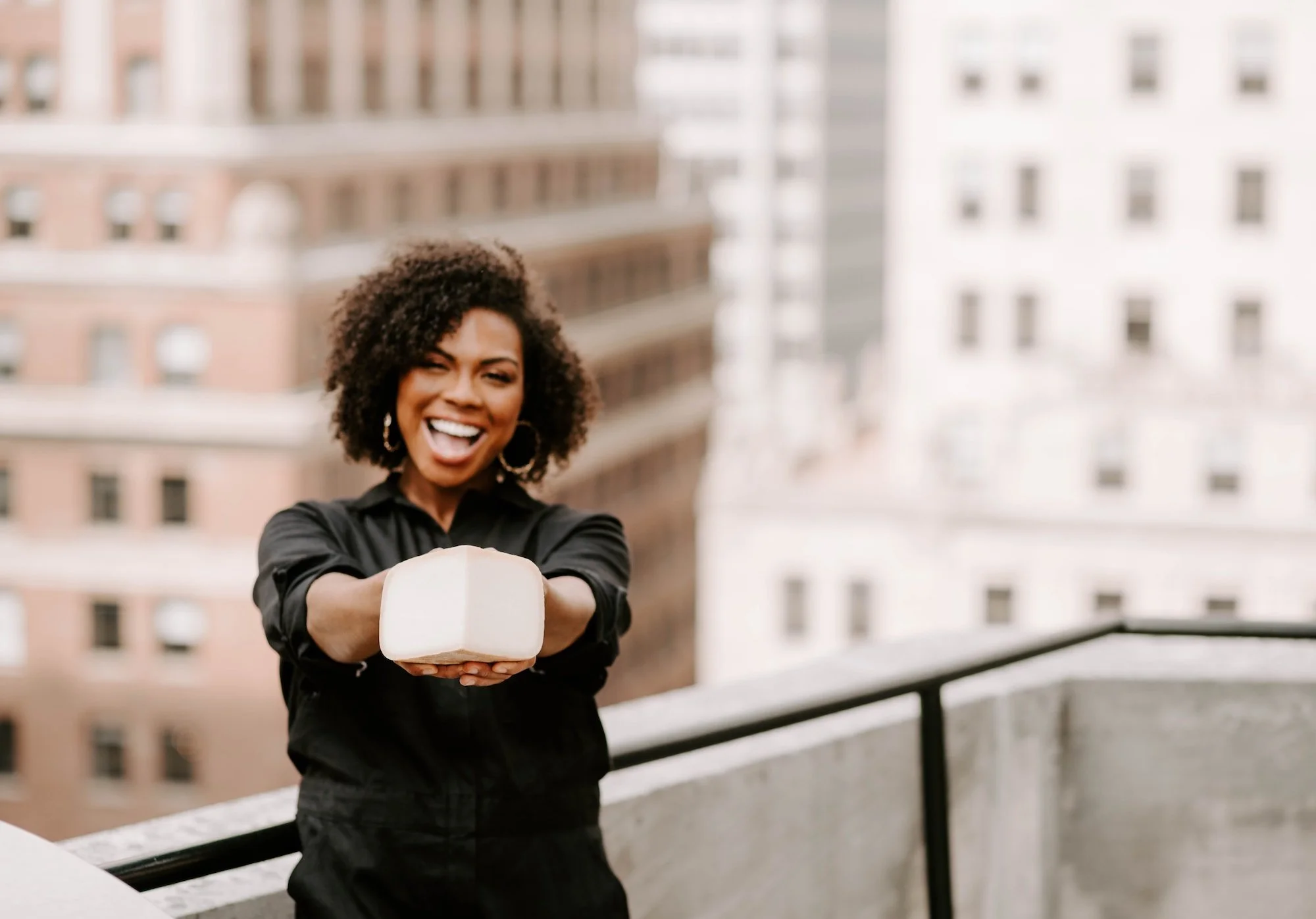
Certified Cheese Professional Kyra James. Photo credit Kyra James
Within the industry, many dedicated cheesemongers have been working to make the cheese industry a more inclusive and diverse space for all. We asked many of them how to make this possible. Here are six ways, according to our experts, that the cheese industry can be more inclusive and diverse.
1. Providing Financial Support
Greater financial support is a key way for the industry to become more diverse. Since no person has the same path in the cheese world, small grants can enable people of color in the business to provide access to professional development opportunities such as attending the annual American Cheese Society conference or a class about the microbiology of cheese, or buying a computer to do relevant work.
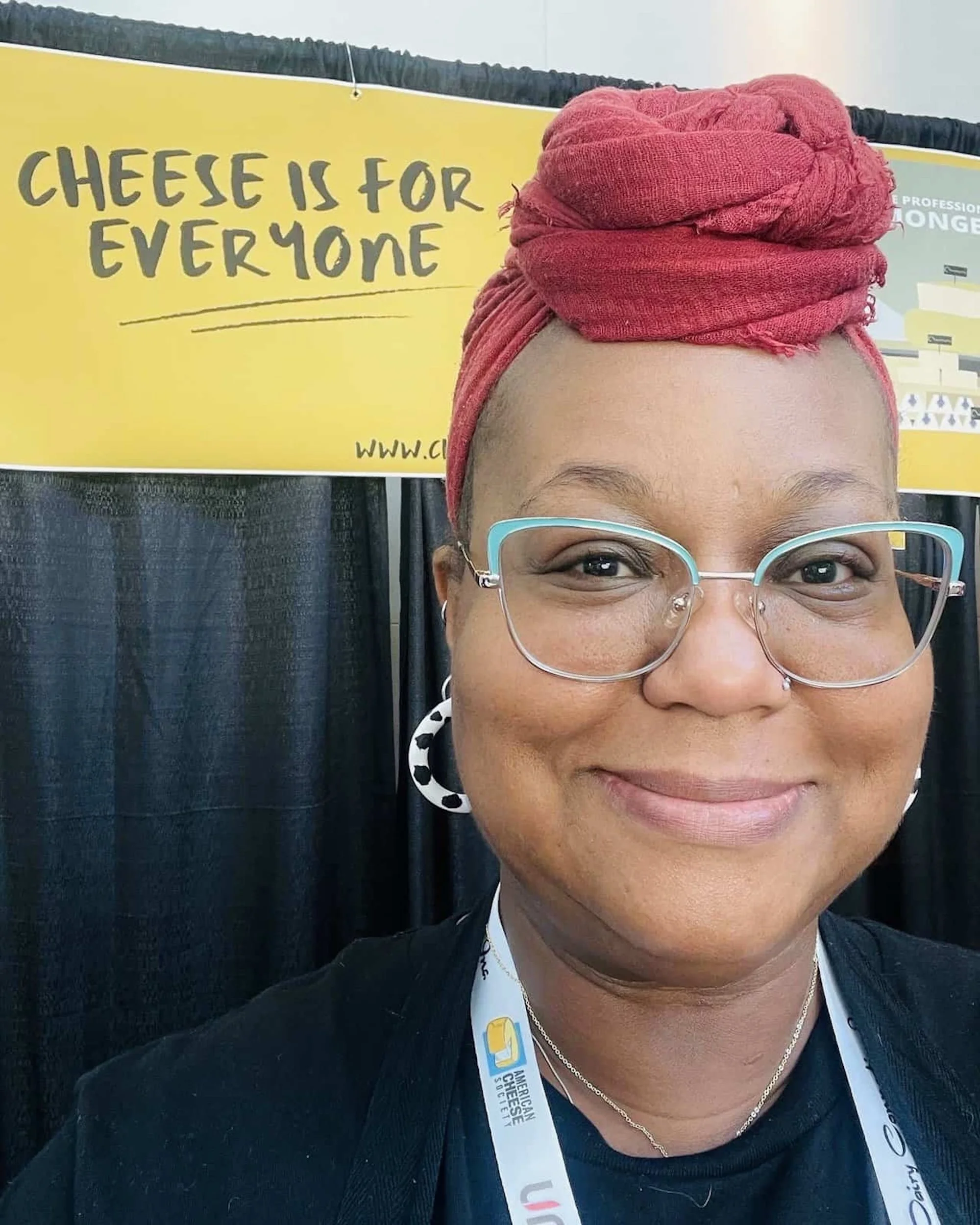
Agela Abdullah, President of the Cheese Culture Coalition, which aims to make the industry more equitable. Photo credit Agela Abdullah
The Cheese Culture Coalition (CCC) was created with the mission of creating a more equitable and inclusive cheese industry for Black, Indigenous, and people of color through education and grant programs. It offers two professional development grants to help people of color succeed in the cheese world: a standard grant, which ranges from $500 to $1,750, and microgrants of up to $500.
“It's supposed to be a little bit of a safety net,” explains Agela Abdullah, President and Program Manager of the CCC. Because the organization relies on donations to offer grants, however, the CCC can only provide limited funding, so the hope is that more organizations and companies make similar investments in staff and students to their professional development.
In addition to professional development funding, cheesemongers would like to see more Black, Indigenous, and people of color owning cheese shops and companies. But owning a cheese business “requires a lot of capital,” says Alisha Norris-Jones, cheesemonger and owner of the cheese consultancy Immortal Milk. She wants to see financial institutions offer Black cheese shop owners more access to loans and other capital to be able to purchase or rent space and equipment, hire staff, and buy necessary cheese inventory.
2. Offering More Education
Closely tied to financial support above, cheesemongers noted the importance of educational opportunity in furthering their careers. These opportunities — whether it’s going to conferences or getting a certification — further knowledge, deepen skills, and build credentials to advance within the industry. Having funding, time, and other support can make these prospects more likely.
Abdullah says that educational opportunities such as cheese conferences also help those in the industry make valuable connections: “You can network with people. [It’s] where you have the opportunity not just to learn and to grow but to also make connections that help you further down in your career path.”
These opportunities help industry newcomers understand that there are many roles in the cheese world beyond that of the cheesemonger, from cheese buyer and cheesemaker to sales representative and dairy scientist. As Abdullah points out, there’s a lot of labor behind making cheese, and much of it is done by people of color, from agricultural work and animal husbandry to stirring vats of milk to aging and packaging cheese.
“Just like it is in the cooking world, in the cheese world, a lot of people behind the scenes are people of color,” she says.
Creating a diverse cheese industry also requires educating the next generation. In addition to writing grants, the CCC also has a cheese education program that educates school-aged students in underrepresented communities, working with New York City public elementary, middle, and high schools as well as Girl Scout troops. The nonprofit works with volunteer instructors, ideally within the community, and helps pay for any resources needed.
James, who has taught classes for the organization, explains that some classes focus on career growth stories, highlighting stories of cheese from farmers, cheesemakers, cheesemongers, and affineurs. Other classes have focused on the science of cheese, and still others are open-ended cheese tastings that focus on one category, like women-made cheeses.
These events expose the next generation to the experience of enjoying cheese as well as professional possibilities for the future. “There are a lot of kids who are still living with food insecurity, who live in food apartheid neighborhoods and who don't have this exposure,”
Abdullah notes, adding that for many of the students, their only experience with cheese came from food assistance programs, where cheese may mean commodity cheese or a can of product labeled “cheese” on it.
3. Reducing Biased Hiring and Other Practices
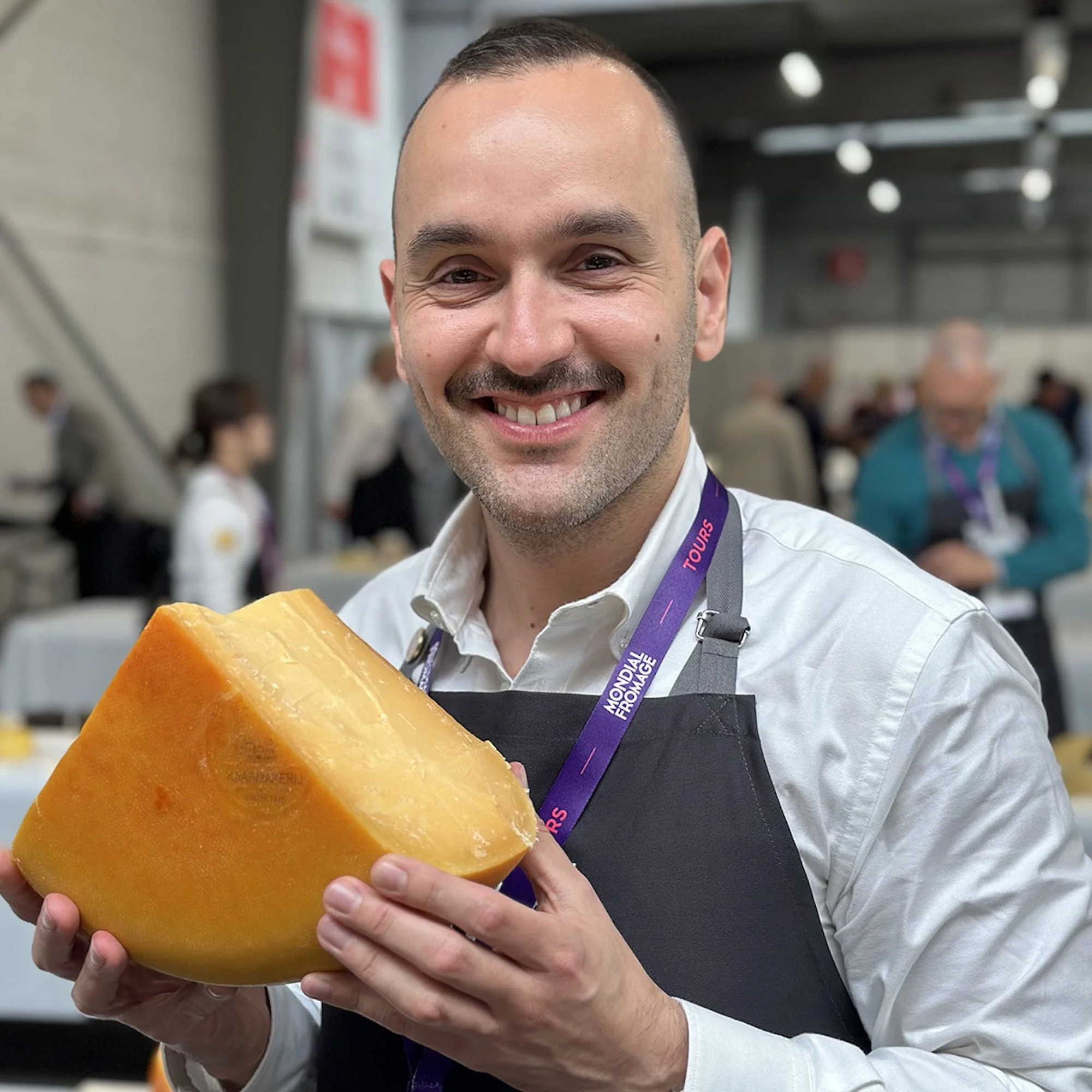
Cheese podcast host John Braga. Photo credit John Braga
To have a more diverse workforce, cheese companies and competitions also need to increase scrutiny of hiring and funding practices where biases could be introduced, either intentionally or unintentionally. For instance, this may include reevaluating how they assess potential employees or judge potential scholarship recipients, says John Braga, cheesemonger and co-host of Heritage Radio Network’s podcast “Cutting the Curd.”
Many scholarships, for example, require completing long applications or writing essays, and while everyone applying completes the same application, this does not put applicants on equal footing. When asking two applicants to write an essay, organizations and companies aren’t considering whether people have attended safe schools, had stable childhoods, or even learned English as a first or second language, Braga says, adding: “You’re not really giving the same opportunity to both.”
To even the playing field, one possible strategy is asking people what they need to succeed. Braga suggests asking candidates questions such as “What’s the best way to showcase your talent? What do you think you know?” or, “What ways can we learn more about what you know?” This may entail screening with a videoconference conversation instead of asking for an essay or requiring completion of a test.
“Some people are really good at writing, some people are really good at talking,” Braga says. “There has to be other ways of showing how good you are at your job.”
Such changes are slowly taking place in parts of the cheese world. For example, the American Cheese Society, a leading professional organization for the U.S. artisan cheese industry, no longer requires a college degree for its Certified Cheese Professional exam. Anyone who has logged 4,000 hours of relevant experience is now eligible to take the exam. Considerations like this make it easier for more people from all walks of life to enter the field. But that’s just a start.
4. Recognizing Contributions
Prominent people in the cheese field can also help broaden the spotlight to recognize the expertise of cheese workers of color. For instance, Abdullah cites an instance when Marieke Penterman, founder of Marieke Gouda, won an award for cheese and called her crew up to the stage to help accept it as one powerful example of elevating other voices. “Being invested in your business means being invested in your people,” she says.
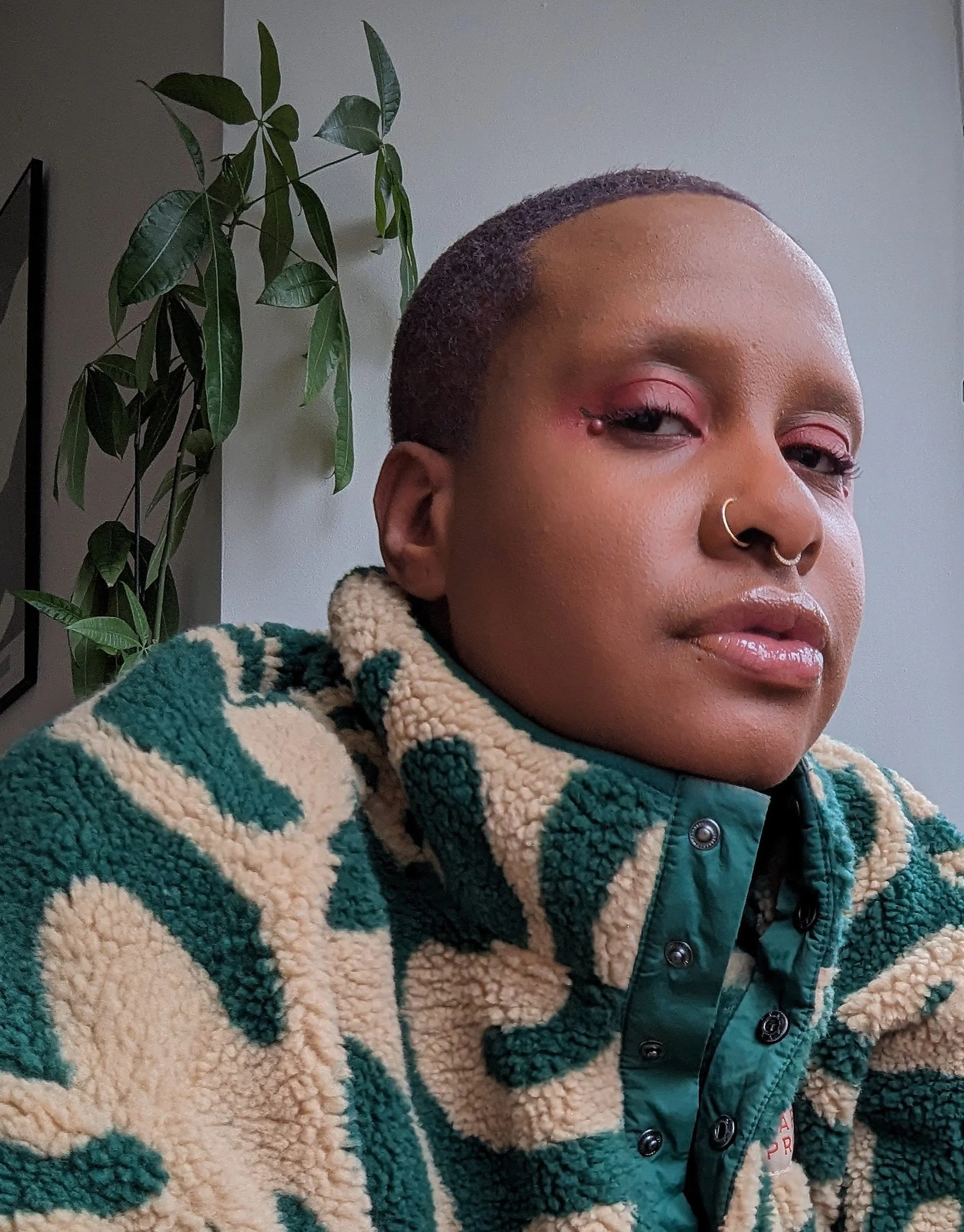
Cheesemonger Alisha Norris-Jones. Photo credit Alisha Norris-Jones
Accepting a cheese award with one’s team may be a big statement, but recognition can also be a smaller action, like redirecting a customer to a colleague of color. Often customers will walk by a cheesemonger of color to find a white person to help them, Abdullah explains.
“Speak up for your coworker,” she says, adding that it’s not just about letting the customer know that an industry person of color has knowledge, but it also validates the coworker’s expertise and experience.
Likewise, it’s important to bear in mind that the onus for making the industry more diverse shouldn’t be on underrepresented groups.
“The labor should not fall to people of color to make the world more just,” Norris-Jones points out. “If someone who's outside the community sees a problem, don't necessarily always go to the person of color. Be like, ‘I think there's a problem. I should do something.’”
5. Catering to Different Cultures
For many folks in the U.S., there’s been a strong focus on cheese made here or in Europe, but other parts of the world also produce cheeses, and retailing different flavor profiles opens up the product’s customer base.
“Cheese is such a building block of cuisines around the world. It's a universal thing, and the industry should reflect everyone that's eating,” says Norris-Jones. “I think we lose so much when we focus just on Europe, because folks in Africa are eating cheese, and folks in Central America are all doing this. And isn't it cooler when everybody comes to the table?”
The idea of having a jerk spice-flavored cheddar or catering to a Black consumer base did not exist in people’s minds in the 1980s, Norris-Jones recalls. Today, Beecher’s Handmade Cheese Jerk Spice Cheese is one of many options in the market. She cites Wisconsin-based, woman-owned cheese company White Jasmine as another example, since it produces cheeses flavored with Pakistani spices, like Tandoori Gouda and Cumin Gouda.
Also making exciting inroads are cheeses from Quesos Navarro, the Mexican cheesemaker where Abdullah is Sales Account Manager. One of the brand’s cheeses is a Manchego — a sheep’s-milk cheese brought over by the Spanish — only it’s made using cow’s milk. Abdullah, who referred to the cheese as a “Mexican Manchego,” points out that it retains the nuttiness of the Spanish Manchego, only the firmness and texture are different. It’s just one of many cheeses inspired by Mexican culinary tradition that hopefully will become widespread across U.S. grocers and cheese counters.
As Norris-Jones puts it, “People that are coming to the shop are feeling more comfortable asking for what they want and the flavors that they want.”
Staffing diversity also equals better service for your client base. “People connect with different people,” explains the Brazilian-born Braga. “You’re going to have to be open to understanding other people's background and what they're used to eating, and what their cultures are like.”
As an example, Braga recalls his confusion when customers came into Murray’s Cheese asking for American cheese since, to him, this was practically everything in the case. He ultimately brought over a colleague who could understand the customer’s questions better. But when it came to other situations, Braga found he was better suited to help certain customers.
6. Opening Doors From the Top
All of the factors discussed play important roles in making the cheese world more diverse. Ultimately, however, people in positions of power need to step up to take action to make the industry more inclusive.
In recent years, Abdullah says, prominent cheese conferences have been held in smaller cities, which can be more cost-effective. Some states, however, now have anti-trans laws, meaning that certain attendees in the cheese industry may not feel welcome or safe at these conferences. That’s a huge barrier for people to grow within the industry.
In the past, owners and people in leadership positions may not have had to consider these questions of safety, particularly if they themselves didn’t come from BIPOC, LGBTQ+, or disabled communities. “BIPOC people in the industry are becoming more vocal about what they need for safety and to be successful,” Abdullah says. “I think [leadership is] starting to realize that the cheese industry is going to change and have to change along with society.”
That also means bringing in more people of color and people of other marginalized communities into top positions. Norris-Jones recalls how seeing a Black person in leadership at a cheese conference made her feel more welcome and apt to stay in the industry, since someone will understand what she and others like her are going through. “This person will be able to see when microaggressions are happening,” she says, adding: “They will be able to name bad actors and actually be a little bit more open about it.”
Likewise, James has noticed that in the past few years, more cheesemongers of color have been moving up in organizations. With these leadership roles, she points out, those included have a chance to effect real change, such as keeping specific locations in mind for an event or considering how certain industry practices may alienate various populations.
Building on Cheese Culture and Values
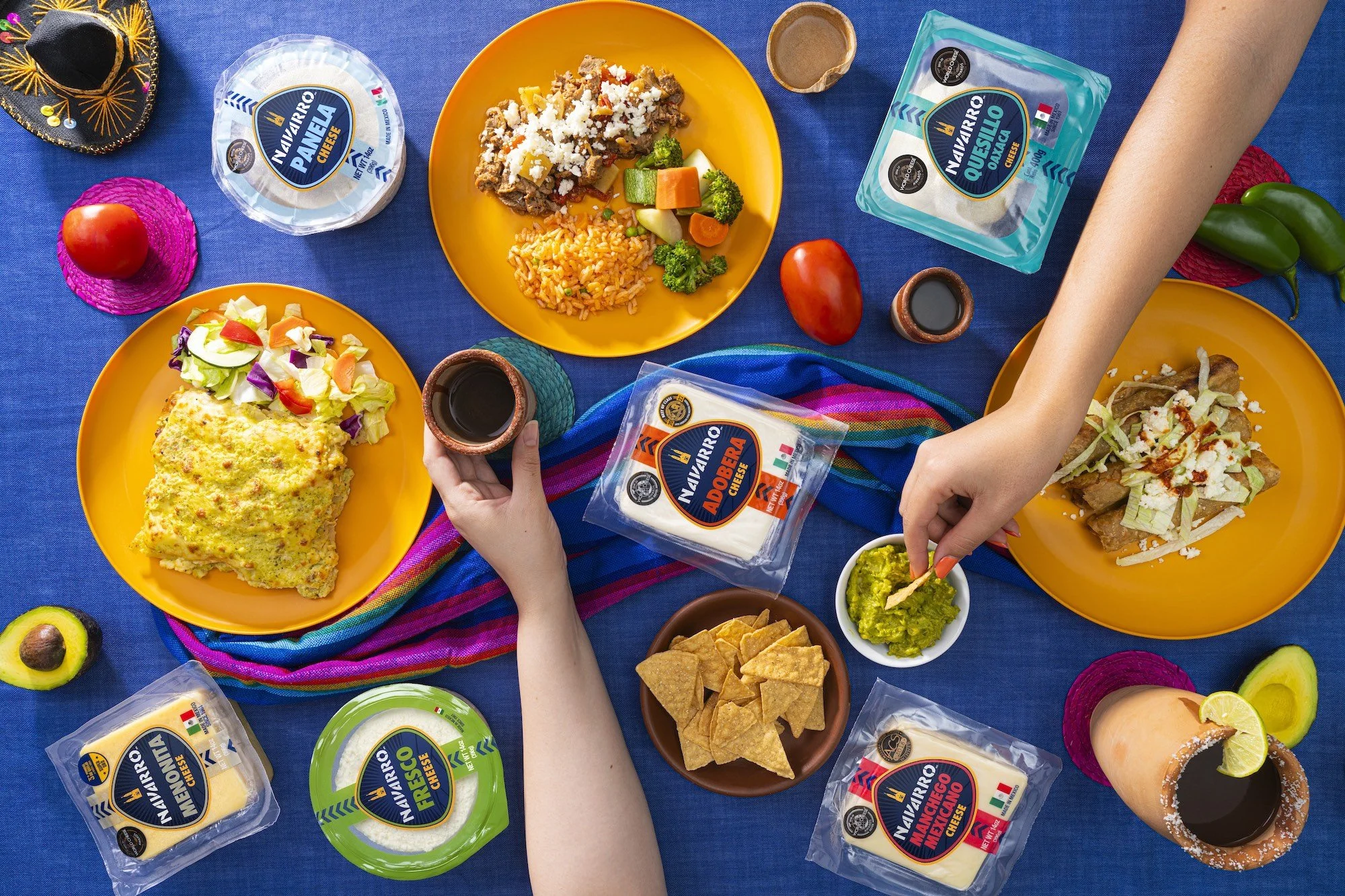
An assortment of cheese options from Quesos Navarro. Photo credit Quesos Navarro
The cheese on top of all these efforts to diversify is that the work is also healing.
“There's something about eating cheese that makes you sink into your body and really think about all your senses,” says Norris-Jones, whose company Immortal Milk runs educational cheese classes. The classes often are a way to reach new markets for artisanal cheese, but there’s another health bonus.
“We're often disassociated from our body through trauma,” she says. “I think that's such revolutionary work: to let [underrepresented groups] know that it is safe to think about your life and your body.”
Braga makes the case that during cheese competitions, judges are asked to think about cheeses holistically, considering how cheese is made, where it’s made, and what the producer’s intentions were for the cheese. Those same values, he believes, can be applied to diversity and inclusion.
“The same way that we're open-minded about those things,” he says, “we should also be open-minded to where people are coming from.”