
Meet Ġbejniet: Malta's Mighty Little Cheese
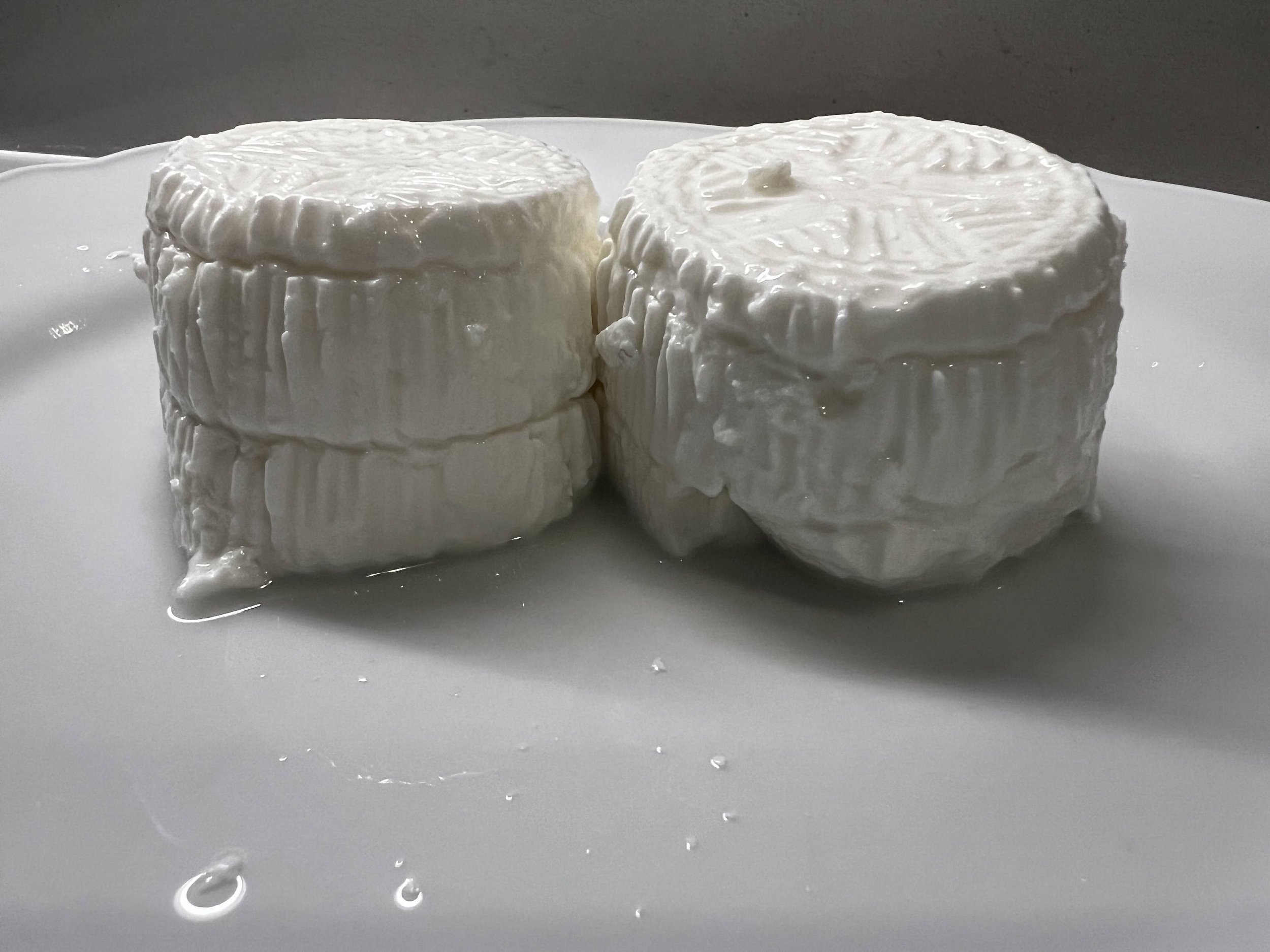
Fresh ġbejna
There's a cheese so central to Maltese identity that locals simply call it "the cheeselet." It’s a cute little name for something so essential to the culture. Ġbejna, from the Maltese word ġobna (cheese), refers to small, round cheeses made from just milk, salt, and rennet. These palm-sized morsels have been produced on the Maltese islands for centuries, and they’ve finally gotten the international recognition they deserve.
This guide explores what makes them special, from how they’re made to how they’re enjoyed across Malta, plus a look at the island’s broader traditions beyond the beloved cheeselet.
Malta’s Ancient Cheese Traditions
Cheesemaking on the islands likely predates written records. For most of that history, it was considered domestic labor, driven largely by women on farms who turned fresh milk into cheeselets before selling it at local markets. When their herds produced more milk than they needed, it went to the imħażen tan-nar, or heated warehouses equipped with large vats for making longer-aged cheeses from mixed milks.
That older cheesemaking culture came to an abrupt end in the mid-twentieth century. When Malta was still under British rule, all trade dealing with fresh milk became illegal as a way to control the spread of disease. This shut down the island’s heated-vat cheese culture, and all excess milk was turned into ġbejniet, instead. That process required no heating at all, and so the ġbejna became Malta's most widely produced cheese.
The PDO Question
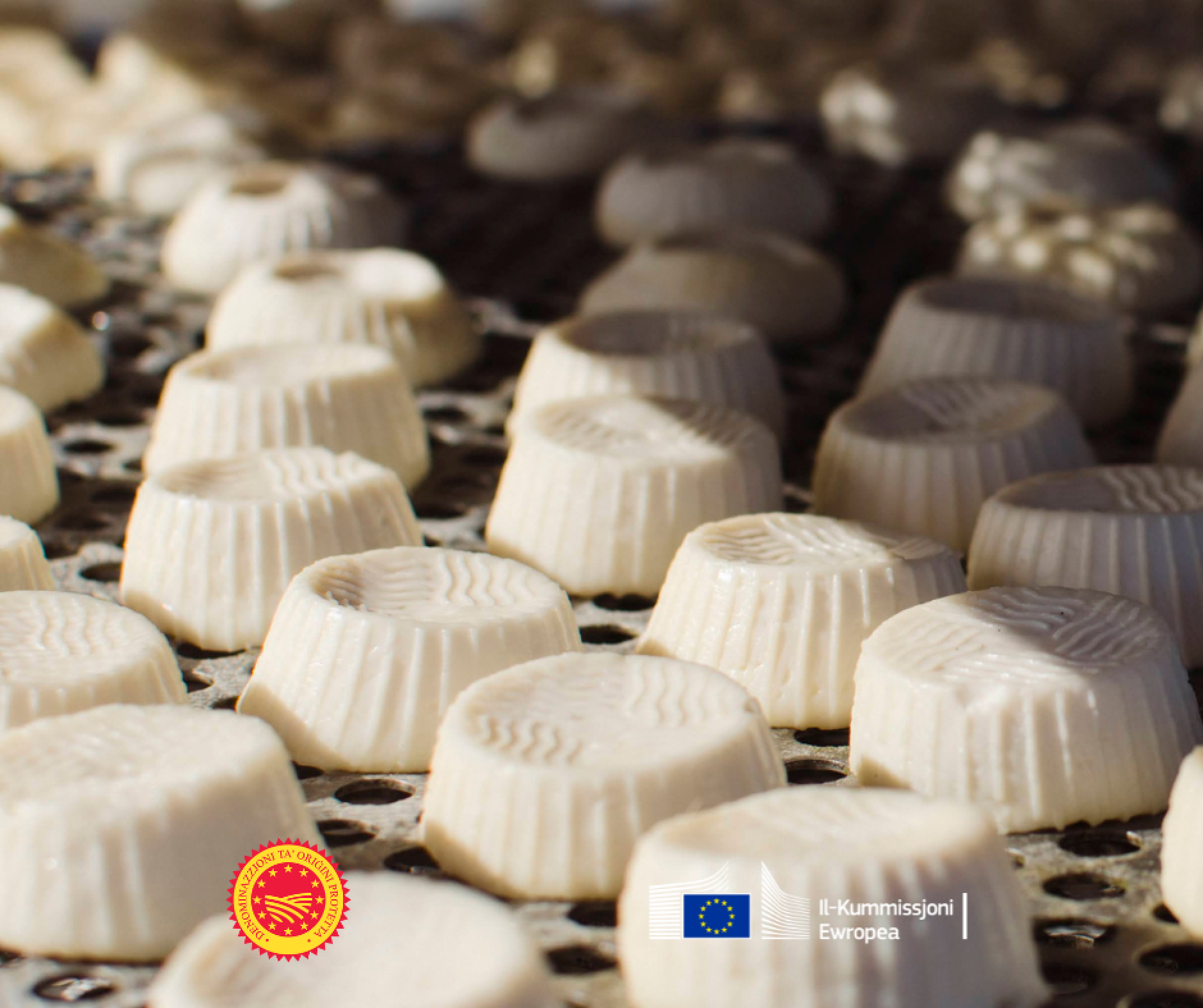
Ġbejna tan-nagħaġ
For years, Maltese producers tried to protect the name "ġbejna" at the EU level, but they kept hitting a wall. The term had become generic, referring to all cheeselets regardless of where they came from and the milk used. The solution for producers on the islands was to get more specific.
The Xirka Produtturi Nagħaġ u Mogħoż, or the local sheep and goat producers' association, applied for the term Ġbejna tan-nagħaġ, or "sheep cheeselet," instead. This application was accepted by the European Commission, making it one of the first registered Geographical Indications for a Maltese food product. Under that designation, a product can only be called Ġbejna tan-nagħaġ if it is made using traditional methods from Maltese sheep and their crosses registered in Malta, Gozo, and Comino.
How Ġbejna Is Made
The basic recipe hasn't changed much in centuries: milk, salt, and rennet. Traditionally, sheep’s milk is heated until it curdles and solidifies, then cut and placed into small containers called qwieleb. These give the ġbejniet their distinctive woven pattern. These molds were historically woven from dried reeds, but many modern producers now use plastic. After draining overnight, the cheeselets can be eaten fresh right away or turned into something different, depending on the producer.
Varieties of Ġbejna
Ġbejna friska
Ġbejna moxxa
Ġbejna tal-bżar
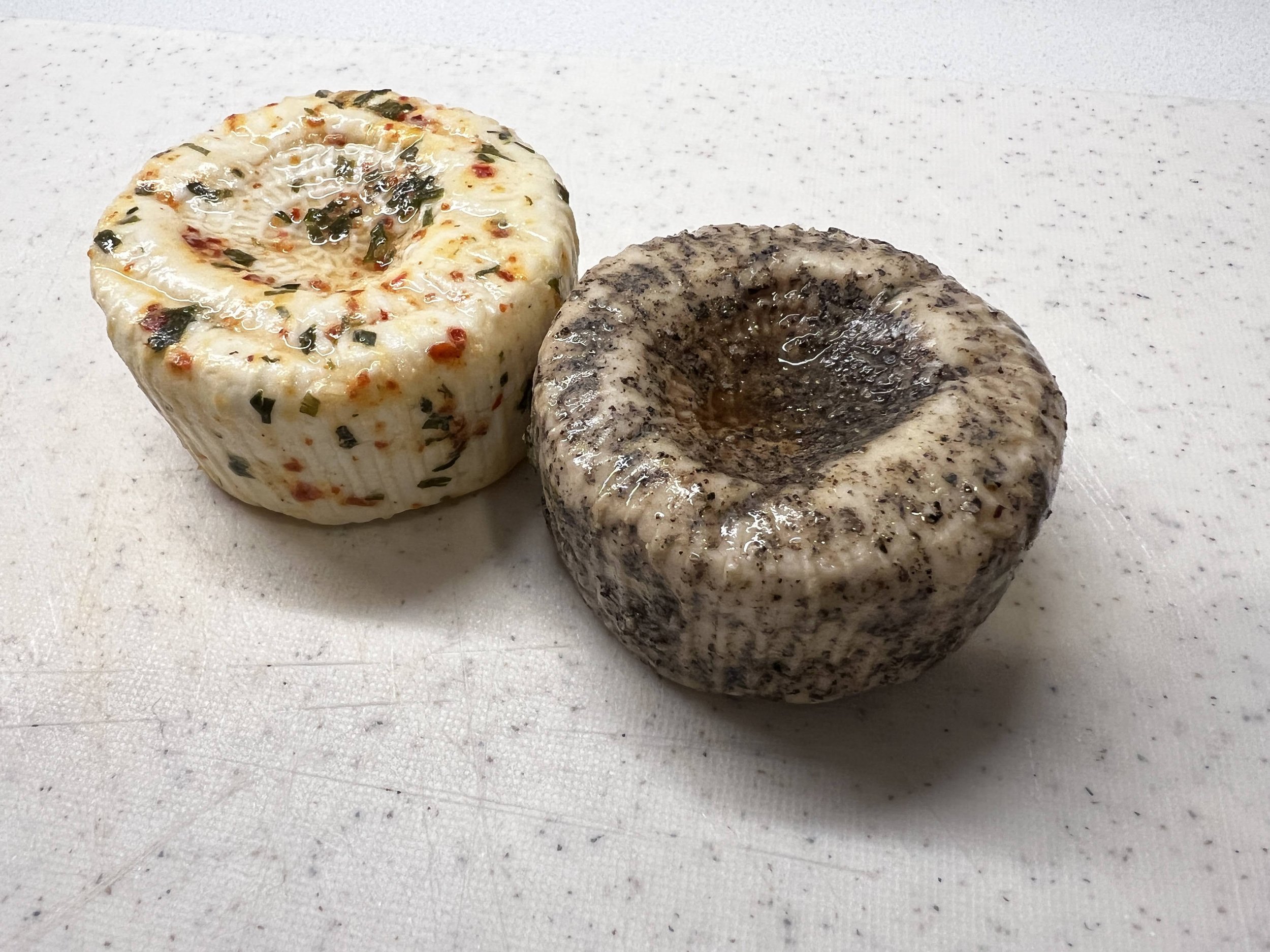
Ġbejna tal-bżar
Descriptive terms added to the name indicate the type of cheeselet you should expect. The fresh version, ġbejna friska, is mild, soft, and creamy with a wobbly, almost panna cotta-like texture. It's stored in its own whey like fresh mozzarella, and should be eaten within a few days.
Ġbejna moxxa is an air-dried version. Left to dry, ideally in small, ventilated rooms with mesh-protected windows, the cheese becomes firmer and more crumbly with a nuttier, more concentrated flavor. In this form, it's often grated over pasta, but it can also be sliced or cubed.
Ġbejna tal-bżar is typically left to soak in vinegar or brine once dried before being rolled in coarse black pepper and packaged. Ġbejna maħsula is rubbed in salt while fresh. Producers create their own variations, too, adding herbs, onions, chili, or other spices for a distinctive flavor.
In Malta, Milk Matters
Sheep's milk is the traditional and PDO-protected choice for Ġbejna tan-nagħaġ, producing a richer, more complex flavor. Goat's milk is also widely used, though, for a slightly tangier result. Cow's milk versions, which are milder and more accessible, are produced by larger commercial dairies.
At Ta' Żeppi Farm, producer Joseph Vassallo keeps it simple and traditional. "We use sheep milk for sheep cheese and ġbejniet, goat milk for goat cheese," he said. His flavored sheep cheeses, infused with wine, rosemary ash, olive, and saffron, show how even a traditional producer can find room for creativity within that framework.
Ġbejniet on the Table
Ġbejniet are part of daily life in Malta. At breakfast, a fresh cheeselet alongside crusty ħobż biż-żejt, bread rubbed with tomato paste and drizzled with olive oil, is common. At lunch, it turns up crumbled into soppa tal-armla, a traditional soup, or stuffed into pastizzi, Malta's favorite street snack. At dinner, the dried variety is grated over pasta much like Parmesan or pecorino.
On restaurant menus, ġbejniet often appears as part of an antipasto or appetizer course, sometimes fried until golden on the outside while still soft inside. You may see it served with a drizzle of honey or sprinkled with herbs. At Legligin Restaurant in Valletta, I enjoyed traditional sheep’s milk ġbejniet served this way alongside local bread, olive paste, and rabbit pâté.
Fresh ġbejna also makes a natural filling for the traditional Maltese ravioli known as ravjul, and turns up on pizza, in summer pasta, and wherever a mild, creamy cheese adds a little something extra.
Beyond the Classic Cheeselet

A variety of cheeselets in Malta photo credit Chattacha, CC BY 3.0 , via Wikimedia Commons)
Ġbejniet may dominate Malta's cheese identity, but a new wave of artisan production is expanding on the islands. One standout is Delectat, founded in March 2023 by dairy specialist Mark Xerri and University of Malta Professor David Mifsud, who specializes in rural sciences and food microbiology.
Working from their dairy in Zejtun, the team produces distinctive cheeses using 100% local sheep or goat milk, never blended. All of their cheeses are made from pasteurized milk and fermented with probiotic microbial cultures, naturally protecting the cheese from spoilage and allowing them to avoid chemical preservatives. The edible rinds are an important part of the tasting experience. Many of Delectat’s methods are inspired by medieval European convent cheesemaking, and the cheeses are often named after local monastic orders.
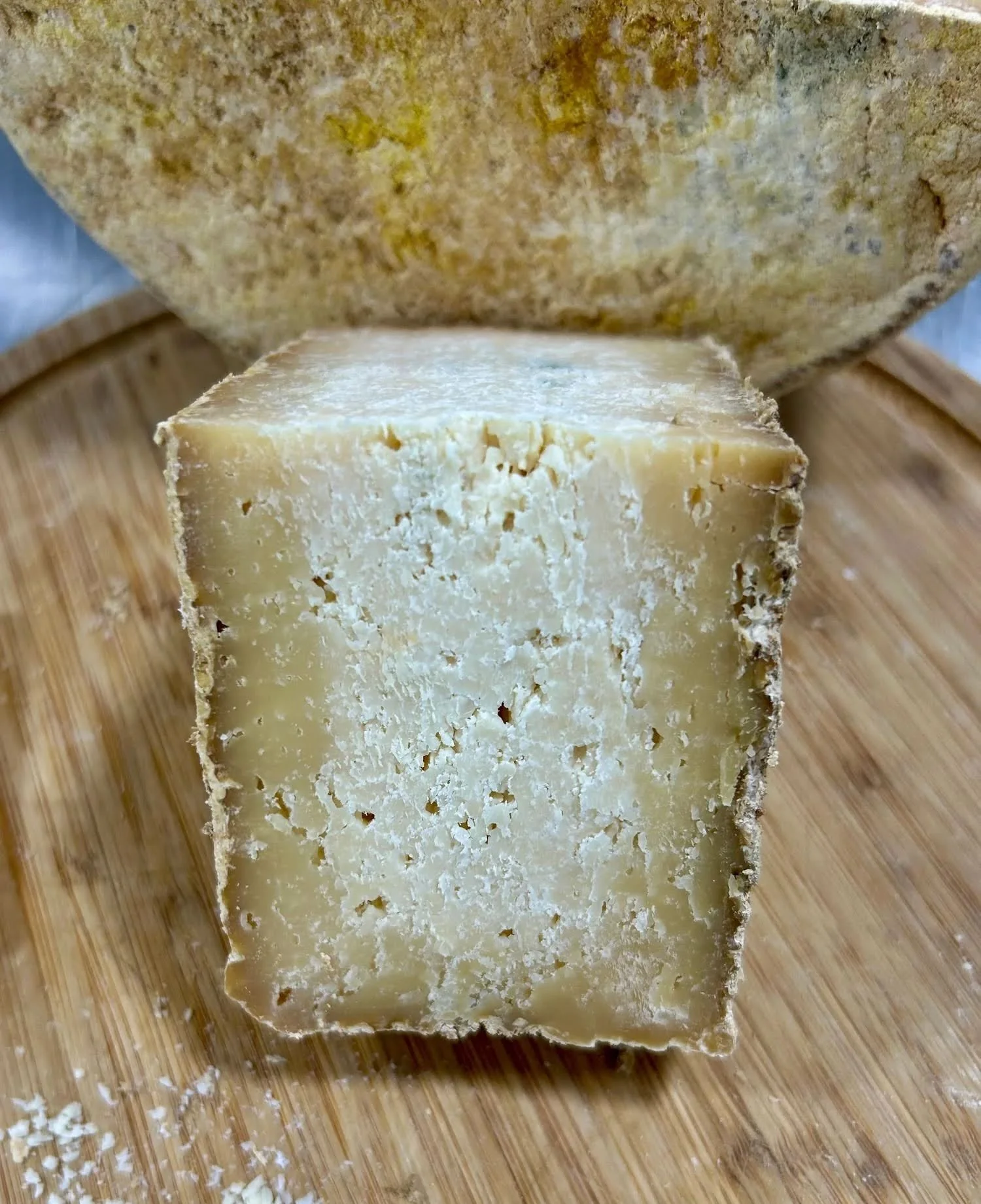
Pirjol
Standouts in their lineup include Pirjol, a long‑aged sheep’s milk cheese with a dry, grainy core and complex roasted‑grain character, and Badessa, an orange-pink washed‑rind goat cheese with a bold aroma. “That’s for cheese lovers who prefer more intense taste profiles and love the smell of dirty socks,” as Xerri put it.
Delectat’s approach sets their cheeses apart from the wider Maltese market. As Xerri emphasized, “at Delectat, we create something different and unique.”
Where to Find Maltese Cheese
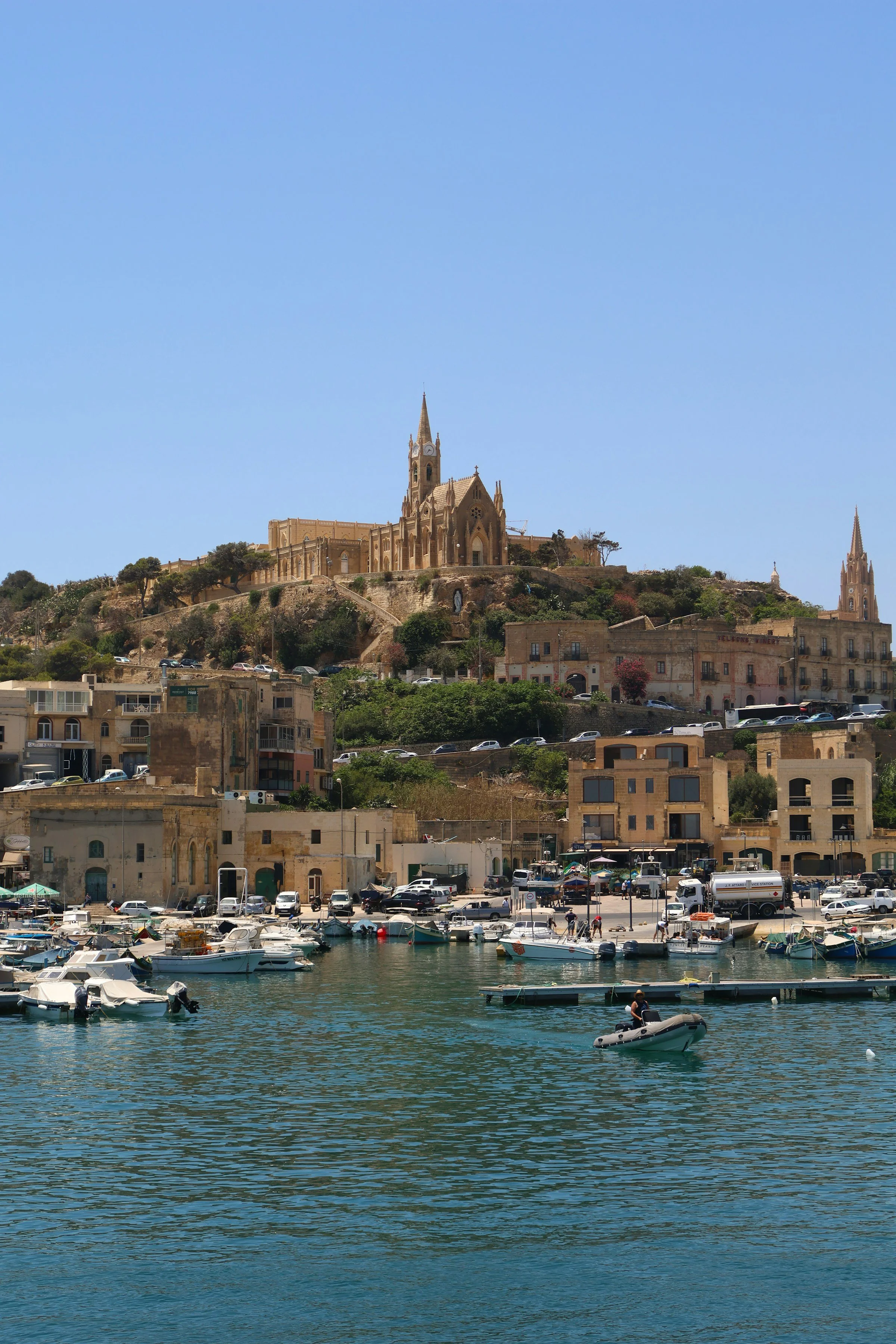
Gozo in Malta
For the most authentic experience, visit the farms. Many, including Ta' Żeppi Farm, welcome visitors for tours and tastings. Tal-Karmnu Farm, a 17th-century sheep farm, also sells directly to visitors, with a full range of sheep's milk products including ġbejniet in all their forms, kannoli, pastizzi, and ravjul.
On Gozo, the sister island of Malta, direct sales from farms are common. Gozo is known for wild pastures that give the sheep's milk a more complex, aromatic character, and you can still see ġbejniet drying on rooftops or in netted huts, much as they would have been generations ago.
In Valletta, the city's covered food market, Is-Suq tal-Belt, is a smart stop for artisanal ġbejniet from small producers, alongside other local specialties. For everyday shopping, Arkadia Foodstore stocks cheeselets in their cheese section, including fresh and flavored varieties from the Benna dairy, though those are often made from cow's milk.
Across the islands, ġbejniet appear on menus ranging from casual wine bars to fine dining. For first-time visitors, a simple appetizer plate at a Valletta restaurant like Legligin is a lovely place to start.