
What You Should Know About Rennet
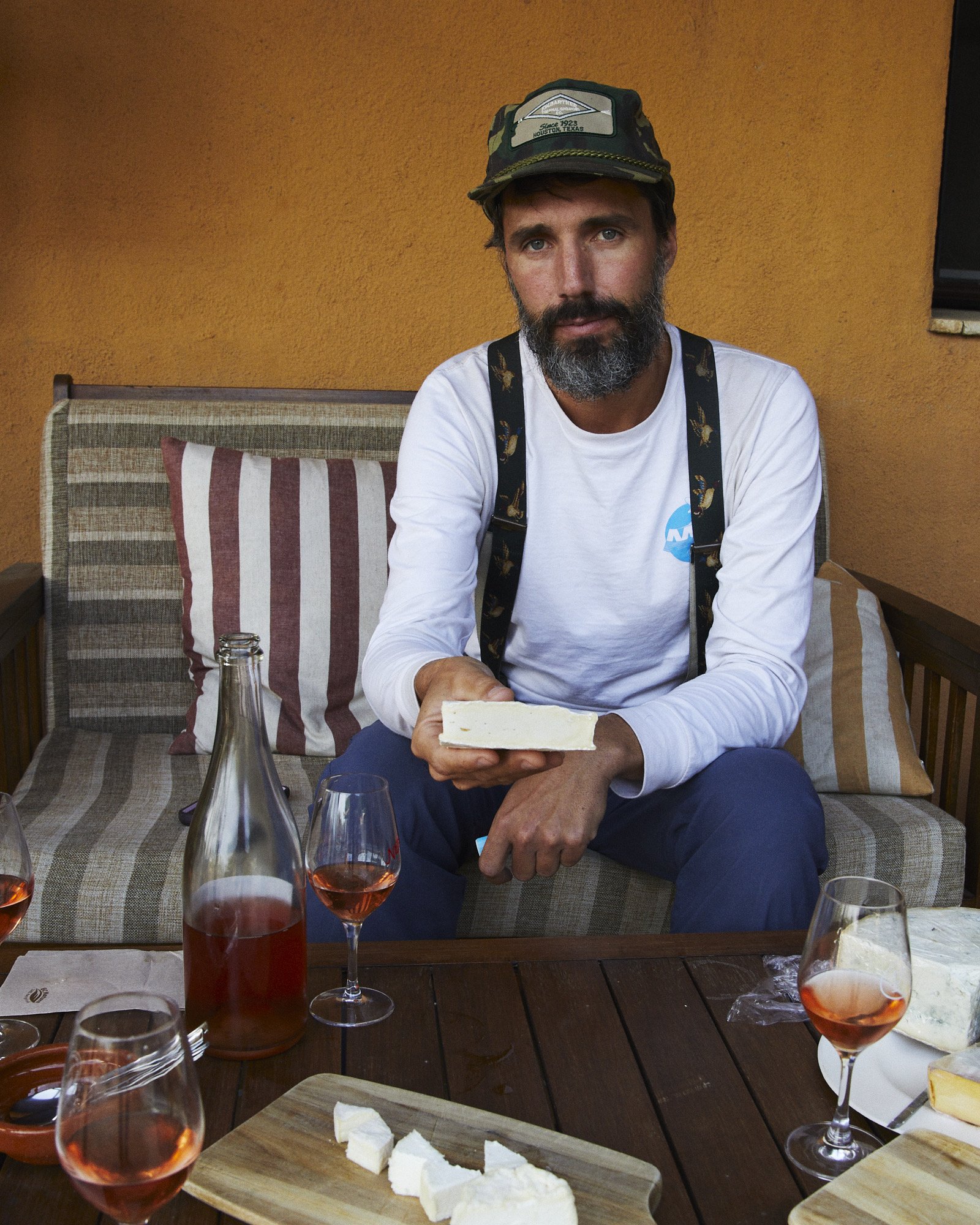
Trevor Warmedahl with cheese
Rennet, one of the four foundational ingredients of cheese, may be the black sheep of the family. It’s mysterious, tied to the slaughter of young animals, and most cheese consumers don’t understand its impact on the cheeses they enjoy.
“Rennet is perhaps the most controversial and misunderstood ingredient in cheesemaking,” writes Trevor Warmedahl in his book Cheese Trekking. Warmedahl has spent much of the last decade working in cheese and visiting places familiar and far to explore cheese traditions. He shares what he has learned at his Substack, Milk Trekker. Along the way, he has become alarmed by seeing rennet turned into a monolithic commodity to the detriment of cheese character and diversity. “An appreciation for how rennet can play a defining role in a cheese has been lost,” he writes.
Rennet is a Coagulant
Undoubtedly, rennet and its alternative coagulants are more than just a functional part of transforming milk into cheese, but that is often the only way they are understood. In reality, the type of coagulant, and the way it is used impacts the texture and flavor of a cheese much more than might be expected. Less than a century ago most cheeses were made with animal rennet, plant-derived enzymes or in the case of softer fresh cheeses, through an acid-coagulation process that utilizes milk’s own lactic acid bacteria. Since the 1960s, microbial rennets, derived from mold and fungi have been in use, and eventually, a genetic modification took that technology a step further to produce a group of coagulants known as Fermentation Produced Chymosin (FPCs), that now dominate the market.
Animal rennet is produced as an additional-use product stemming from the meat slaughter of young calves, kid goats and lambs. As public sentiment regarding meat consumption shifted in the late 20th century, veal production decreased dramatically, and the use of animal rennet dwindled, particularly in the US. We will dig into the sometimes hushed discussions about animal rennet and other ramifications, but first, a brief cheese science lesson to help us better understand the issues.
How Milk is Transformed into Curds
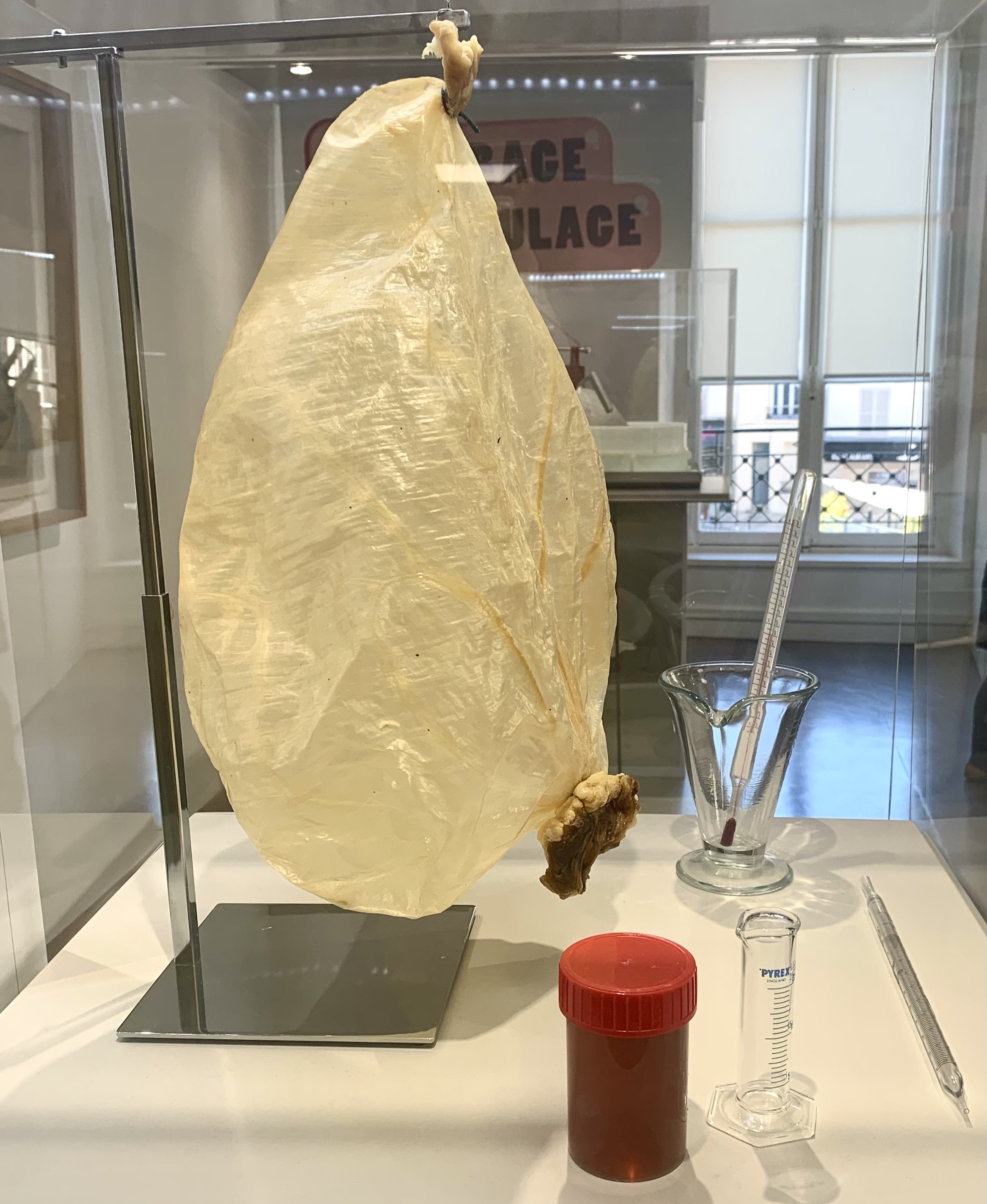
A cow’s fourth stomach, from the Brie Museum
Animal rennet is produced from the lining of the abomasum, the fourth stomach of young ruminant animals. The enzymes in those organs help curdle the mother's milk before it enters the intestines of the young animal. It works in similar fashion for nearly all mammals, slowing digestion and allowing for maximum absorption of nutrients. The key enzymes that go to work on cheese are chymosin and pepsin. These are extracted and refined for use in coagulating cheese. We might ask if the slaughter of mature animals could produce rennet, and it can, but the enzymes are ineffective as they are composed mainly of pepsin.
Milk is an emulsion made up of protein, fat, minerals and water. The protein and minerals are clustered in what are called casein micelles, covered with negatively-charged “hairy” protrusions that allow the proteins to float freely and to bounce off one another. The enzymes in a coagulant (in the case of animal rennet) clip off the hairy parts. When this happens, the micelles bind.
The various coagulants are utilized with different processes including the addition of heat, and variations in process time. For instance, acid-set, (also referred to as lactic coagulation) can take up to 24 hours, while standard rennet coagulation can be accomplished in less than an hour. For some types of cheeses a combination of an acid-rennet process drastically reduces the amount of rennet used, and the results are often excellent.
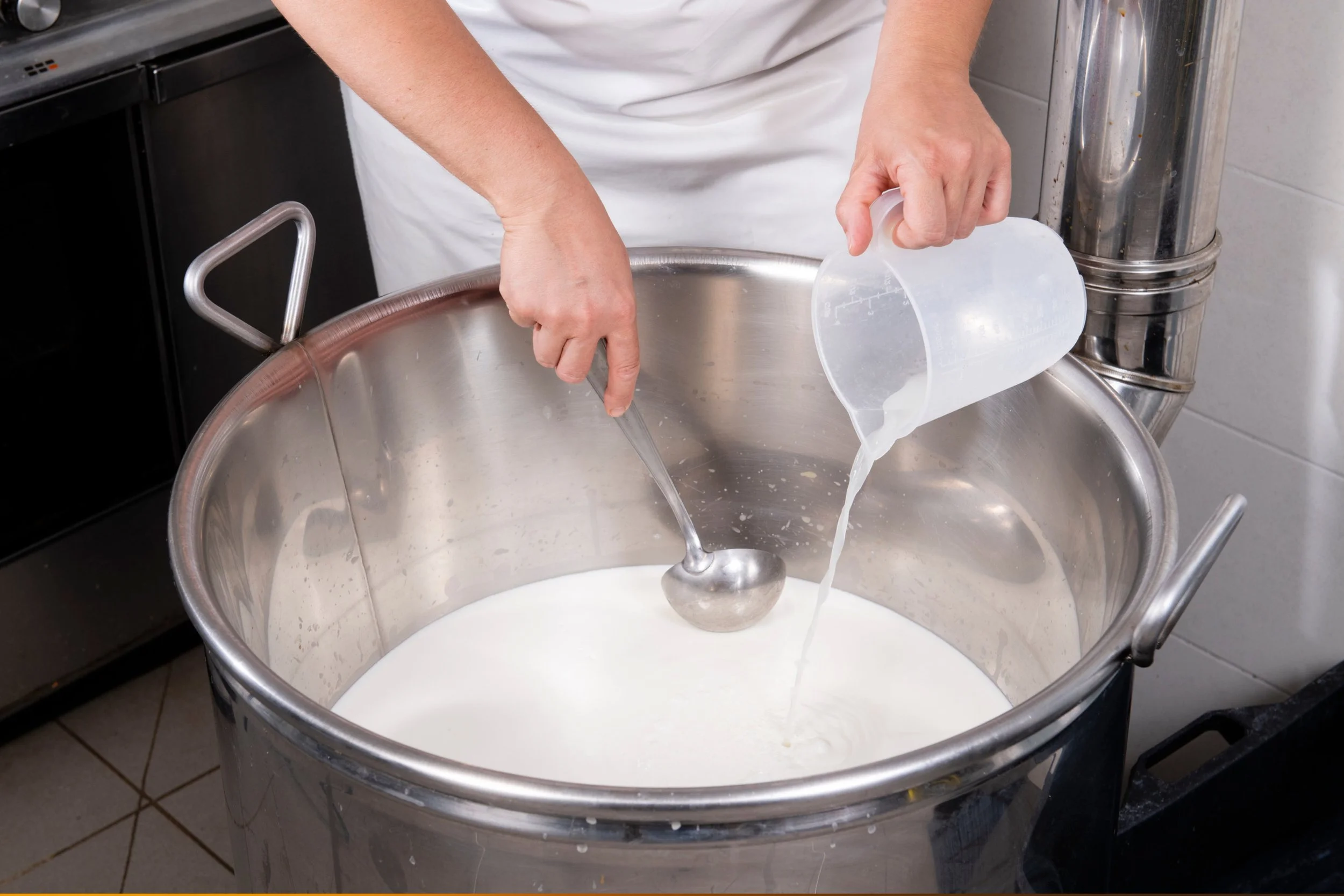
Rennet being added to milk
In the cheese vat, once rennet is added, the free flowing liquid becomes a gel suspended in protein-rich liquid. Typically, that gel mat (also called a curd mat) is then cut into curd pieces to allow more liquid, (now called whey) to drain from the solids. This is the beginning of a long (or short depending upon the cheese type) process of moisture loss and subsequent concentration of the solids. The types of coagulants and the subsequent type and concentration of enzymes can have a lasting impact on the texture and flavor of the cheese, which is why Warmedahl and other cheese folks are concerned about the waning use of traditional cultures and the growing use of laboratory-produced coagulants.
“I would like to see American artisan makers begin considering choice of rennet to be on par with choice of starter culture,” Warmedahl tells The Cheese Professor. “Rather than simply an anonymous ingredient purchased as cheap as possible to perform a single function, rennet can be used as a tool to influence cheese texture, flavor, and ripening.”
Alternative Coagulants
Thistle
Fig sap
Nettle
Caper leaf
Paste
Lamb or kid
Microbial
Plant-based coagulants including thistle, fig sap, nettle and caper leaves have been used throughout the history of cheesemaking. Cheeses made with these coagulants are usually referred to as vegetarian, and are acceptable in kosher, halal and vegetarian diets. While they can produce outstanding cheeses, they utilize different mechanisms that result in softer curds that retain moisture and they can impart bitter flavors. That moisture retention means that they are mostly used for making fresh, soft cheeses including quark, and cottage cheese, and is less than ideal for firm aged cheeses. Some plant coagulants impart bitterness, which if not kept in balance, can lead to an unpleasant cheese. Microbial coagulants, derived from molds and fungi produce pro tease enzymes that mimic the curdling action of chymosin. They too can produce some bitterness.
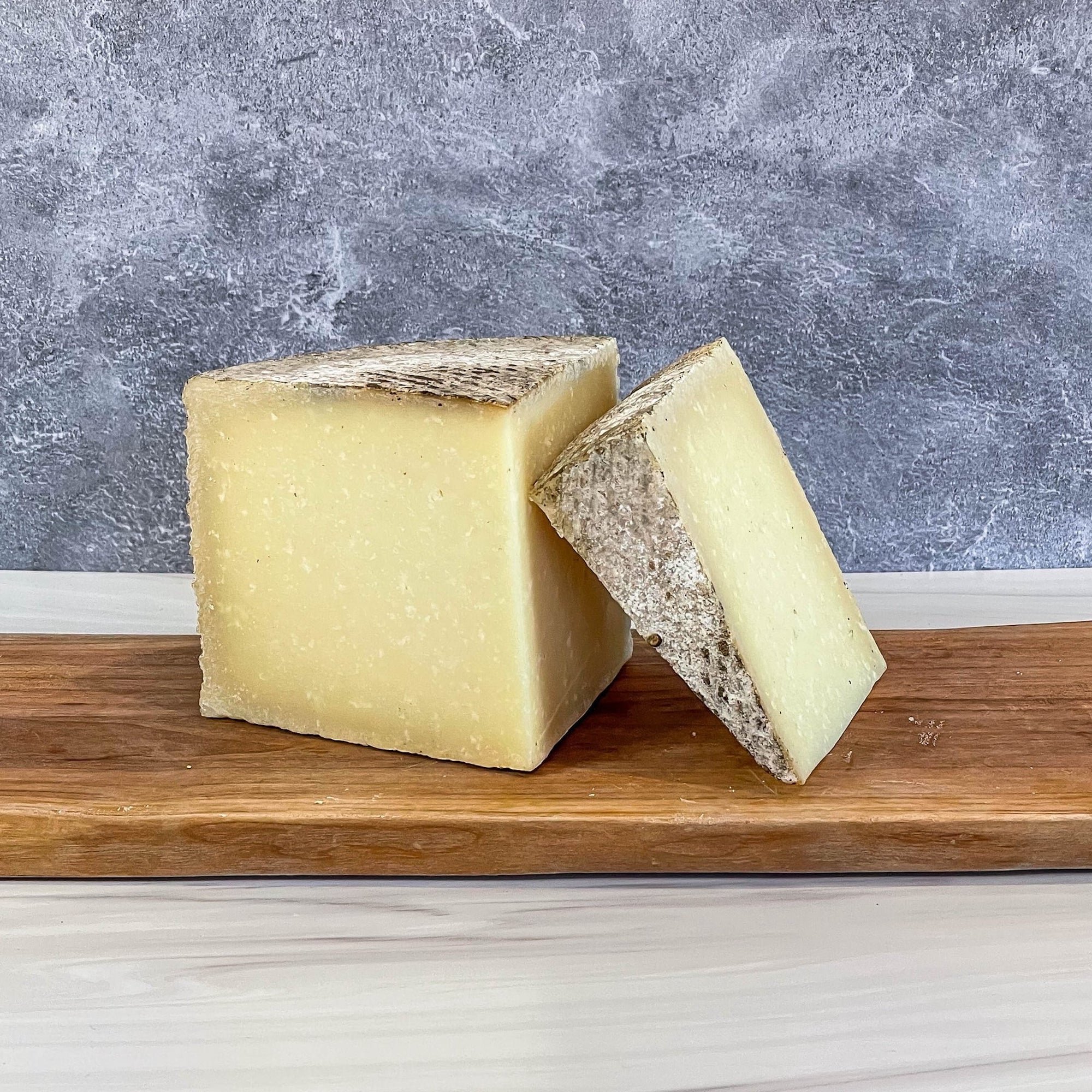
Manchego 1605 Finca Sierra de la Solana
It can be said that nothing mimics the actions of rennet coagulation better than FPCs. With advances in genetic engineering, this new kind of coagulant was made available to cheesemakers in the 1990s. To synthesize these products, bovine genetics are introduced into the yeasts and fungi materials used in earlier microbial coagulants, and the fermentation of the subsequent combined organism allows for extraction of chymosin. Because the genetically-modified organism is destroyed once the enzyme is extracted, the manufacturers contend that the products themselves are not GMOs. Cheeses made with them are often described as “made with vegetarian rennet” or simply “microbial rennet.” Critics contend that the products are not immune from broad concerns about GMOs.
FPC coagulants are produced and commercially marketed primarily by two large companies in Denmark and the Netherlands. They are now the most widely used coagulants among industrial cheesemakers and have also been adopted by many artisan cheesemakers. FPCs and protease microbial coagulants are now used to produce more than 90% of the cheeses made in the US.
Outside of the US, many of the traditional name-protected cheeses including Queso Manchego and Parmigiana Reggiano must be made with animal rennet. But while many traditional cheesemakers in the rural, isolated places Warmedahl explores hold to traditional coagulants, others have switched to FPCs. While consistency is important, the trade-off can be a slippery slope toward sameness, she says. “Like every ingredient in modern industrial cheese, FPC is rennet taken as far as possible from the unpredictability of living systems.”
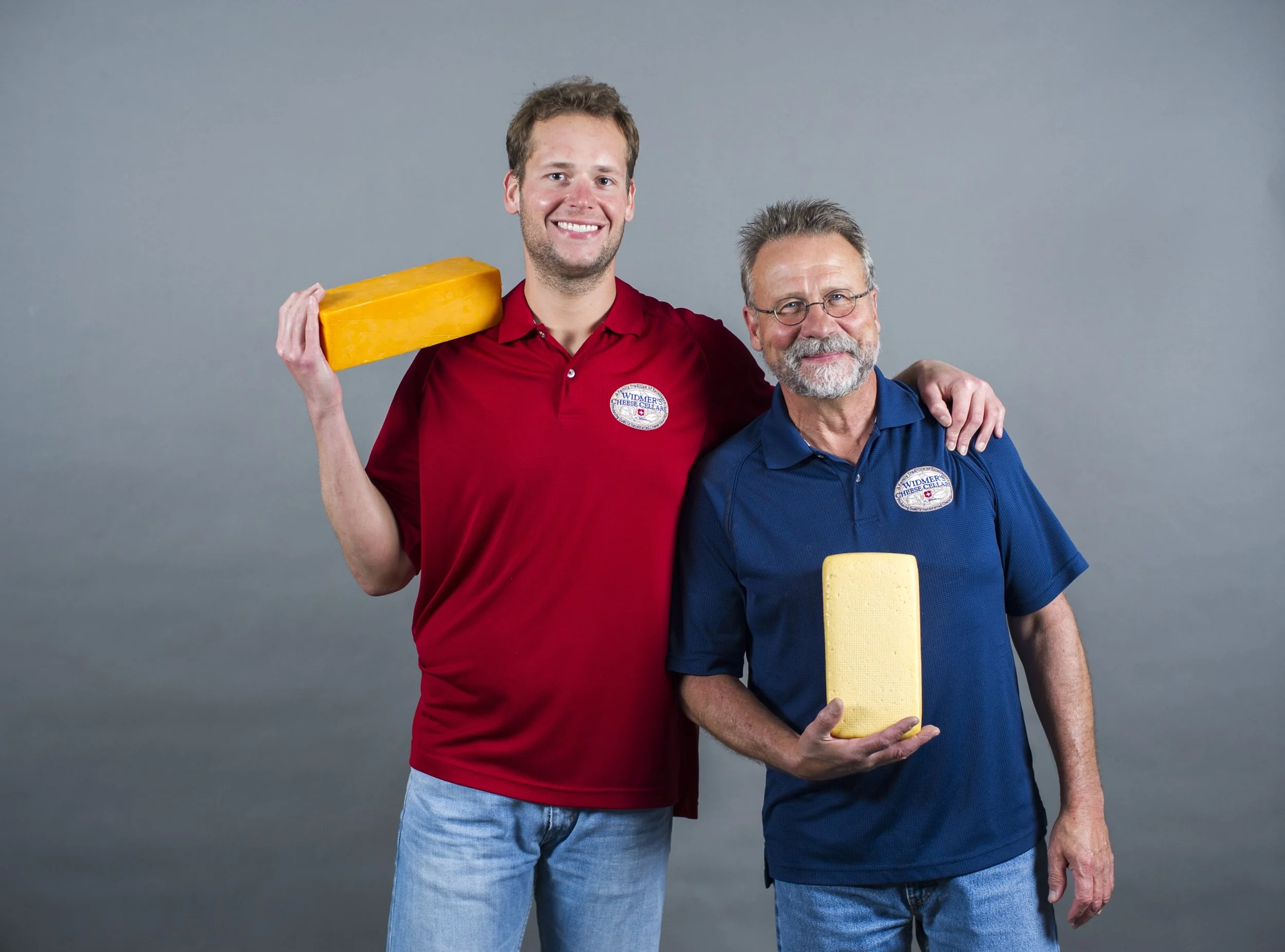
Joey Widmer with his father, Joe Widmer
Widmer’s Cheese Cellars, Theresa Wis., has produced Cheddar, Brick and other cheese varieties since 1922. Until recently, the company used animal rennet for all of its cheeses. “We switched from veal rennet to the FPC around 2022,” says Joey Widmer, the fourth-generation owner of the company. Having refined its processes over decades, and happy with its renowned products, the company was reluctant to switch until cost and availability of animal rennet became problematic, Widmer says. “Our supplier said that everyone was using FPC, and he wasn’t sure if they would be able to keep supplying veal rennet, and if they did, it would be just us using it.” One version of the FPC, Chr. Hansen Company’s CHY-MAX M, is made with camel genetics which is said to result in improved cheese yields and faster coagulation. Widmer’s is now using it for its Butterkase cheeses.
Rennet is More than Just a Coagulant
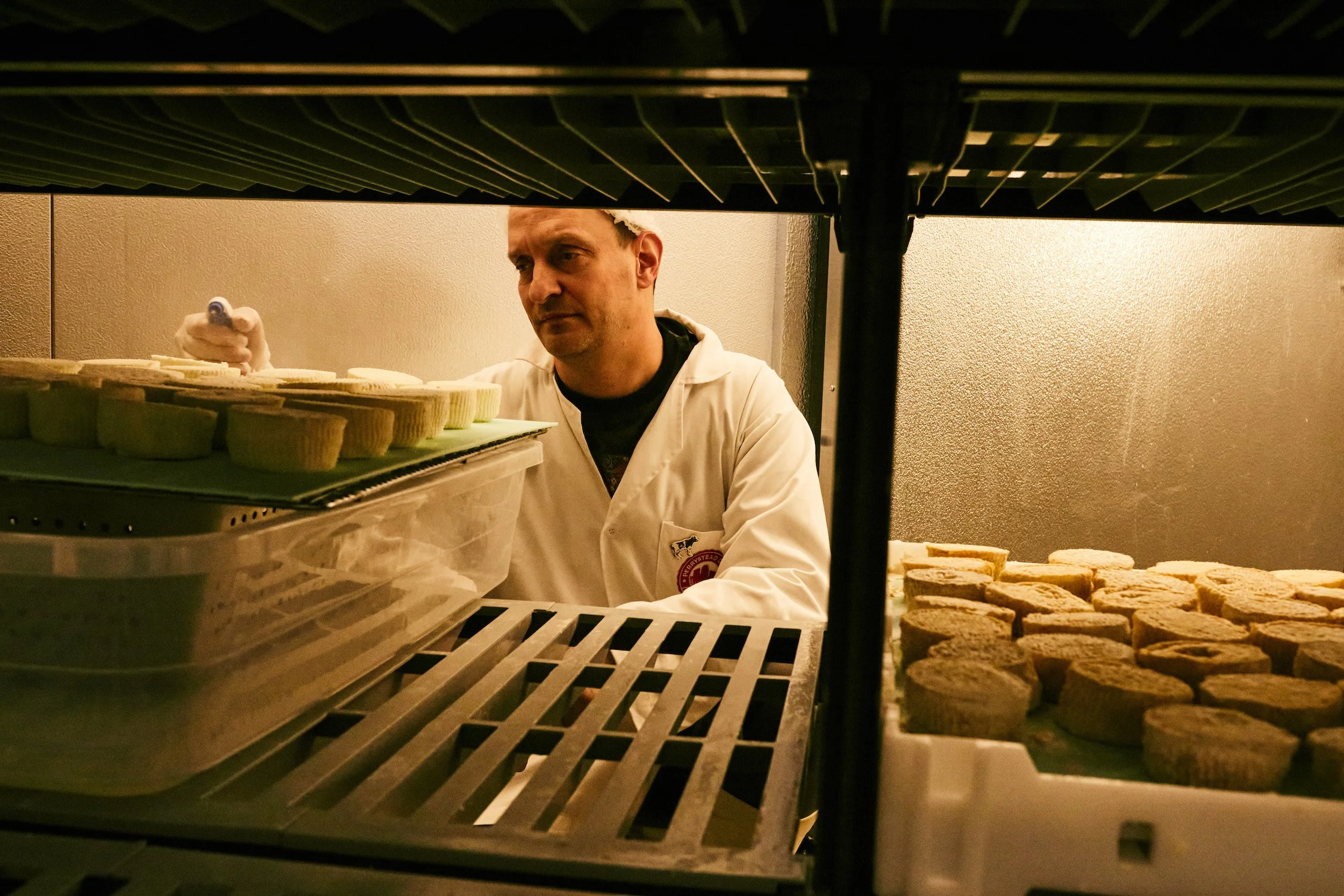
Yoav Perry inspecting aging cheese
Perrystead Dairy is a tiny, dynamic Philadelphia creamery launched in 2021. It produces inventive small format cheeses made from locally sourced cow’s milk cheeses. Founder and lead cheesemaker Yoav Perry, who previously operated a cheese supply business, uses a variety of coagulants for his cheeses, both to reference tradition and to achieve desired outcomes in his cheeses.
“Rennet is the unsung hero of cheesemaking. I think it is too often dismissed as that thing that turns a vat of milk into a giant Jell-O cup, but that is only the opening act,” Perry says.
“Long after coagulation, its enzymes, and in some cases its own microflora, work together with the cultures as proteins, fats, sugars, and acids are transformed, shaping texture while releasing flavor and aroma compounds. It’s really a creative control lever in a cheesemaker’s hands.”
And yet, he’s not surprised that FPC is widely used, and it may be fine for basic cheeses and work well for large cheesemakers.
“Most modern rennet is formulated to behave itself,” he says. “It’s wonderfully reliable, sets the milk, keeps its head down and lets the bacterial cultures do the talking. It’s a bit of a chicken-and-egg situation: cheesemakers have come to expect rennet to gel the milk and get out of the way so they can build the flavor with bacterial cultures, so manufacturers largely make rennet that does exactly that. And when that’s the rennet available to you, of course you look to bacterial cultures for the personality.”
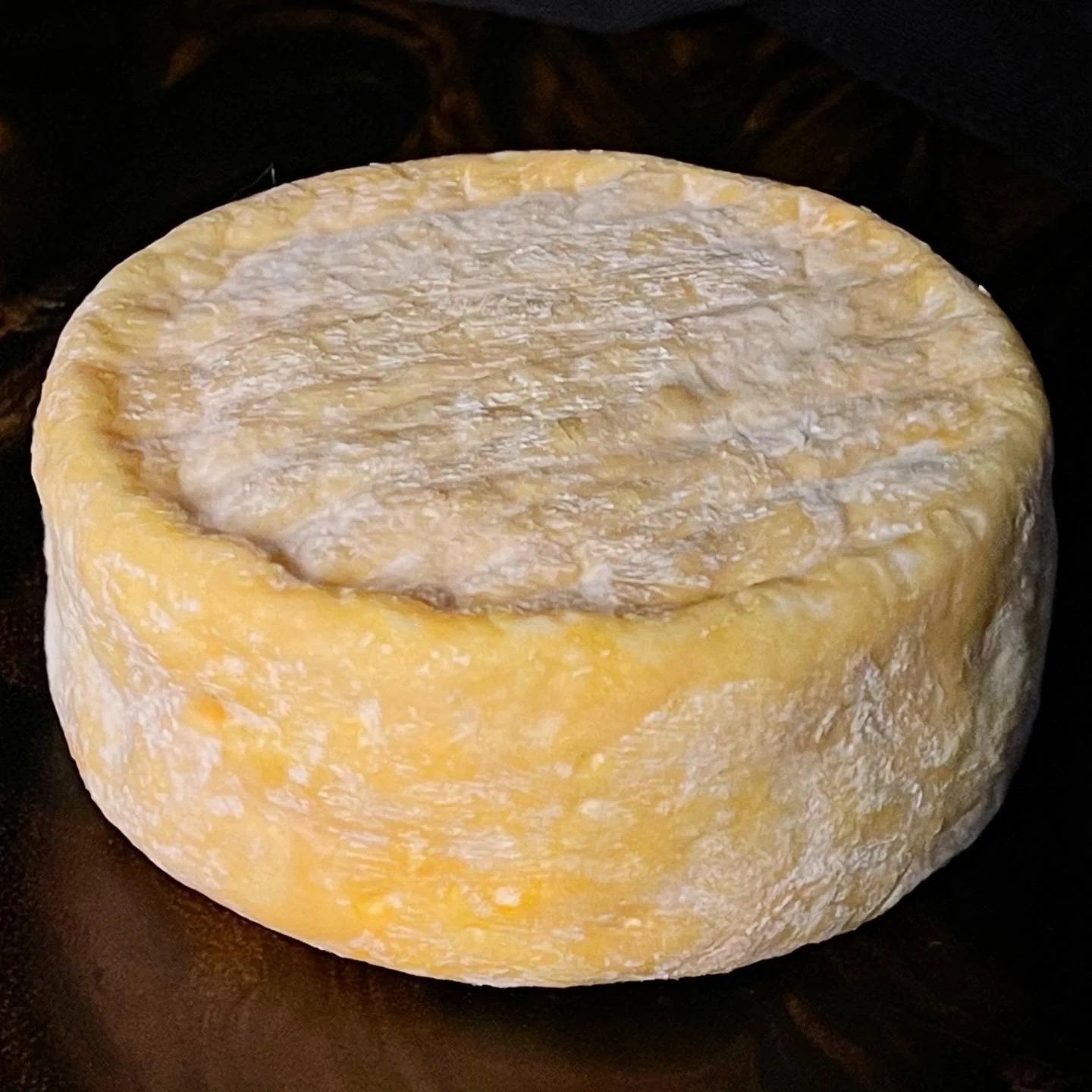
Moonrise, washed rind cheese
But for his Intergalactic, a little wrinkly, 3.5-ounce cube, Perry uses Iberian cardoon thistle with a lactic process. Cardoon thistle has been used in the Mediterranean sense Roman times he says, and for Intergalactic it helps achieve a luscious texture with olive flavor notes, as he notes on the Perrystead website. The washed-rind Moonrise is made with a combination of thistle flowers and French calf rennet. Warmedahl is quick to point out that the FPCs produce just one of the two enzymes involved in rennet coagulation, and that something is almost certainly lost when Pepsin is taken out of the equation. He notes that Perrystead, and Vermont's Parish Hill Creamery and Jasper Hill Farm, are among a small number of US artisans who continue to utilize rennet and see it as more than just a coagulant.
There are others advocating for the use of traditional animal rennet. David Asher is a cheesemaker and educator who strives to maintain the most traditional cheesemaking methods. He eschews the use of all microbial rennet for artisan cheesemaking, and in his book Milk Into Cheese, he argues that small scale cheesemakers should consider producing their own traditional rennet through humane slaughter practices. Asher and Warmedahl both mention that ritual sacrifice of animals is part of ancient human history and may have been connected to ancient cheesemaking. They are happy to engage philosophical discussions about how humans relate to animals, and how that history connects to our modern ethics.
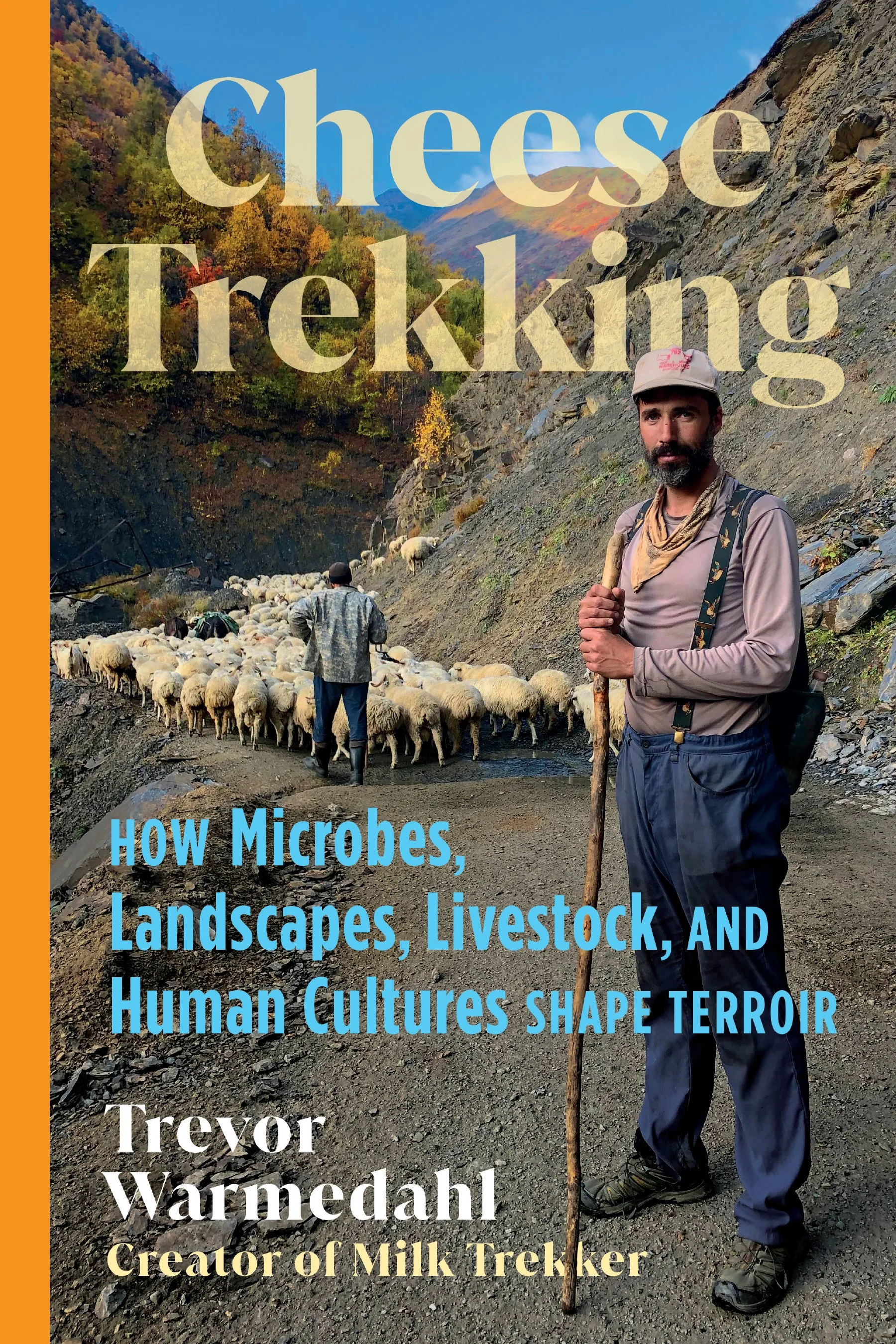
Cheese Trekking
“It seems indicative of a huge disconnect and ethical blind spot to talk about vegetarian milk or cheese, as if somehow by not using animal-based rennet, no death is involved in the making of cheese,” Warmedahl notes in Cheese Trekking. “I feel it would be healthier to look directly at the reality of this matter, to talk about ways we can return dignity and respect to how we care for dairy animals, how we come to drink their milk and eat their flesh.”
For cheesemakers looking to go beyond the expected, to create a truly original cheese, Perry says that exploring different coagulants can make the difference.
“It’s worth pursuing the alternatives: paste rennets, lamb or kid rennets, different microbial rennets, or even making your own from a calf abomasum, fig sap or other plants. There might be a genie in that rennet bottle.”