
Smoke Gets in Your Cheese: Get To Know Smoked Mozzarella
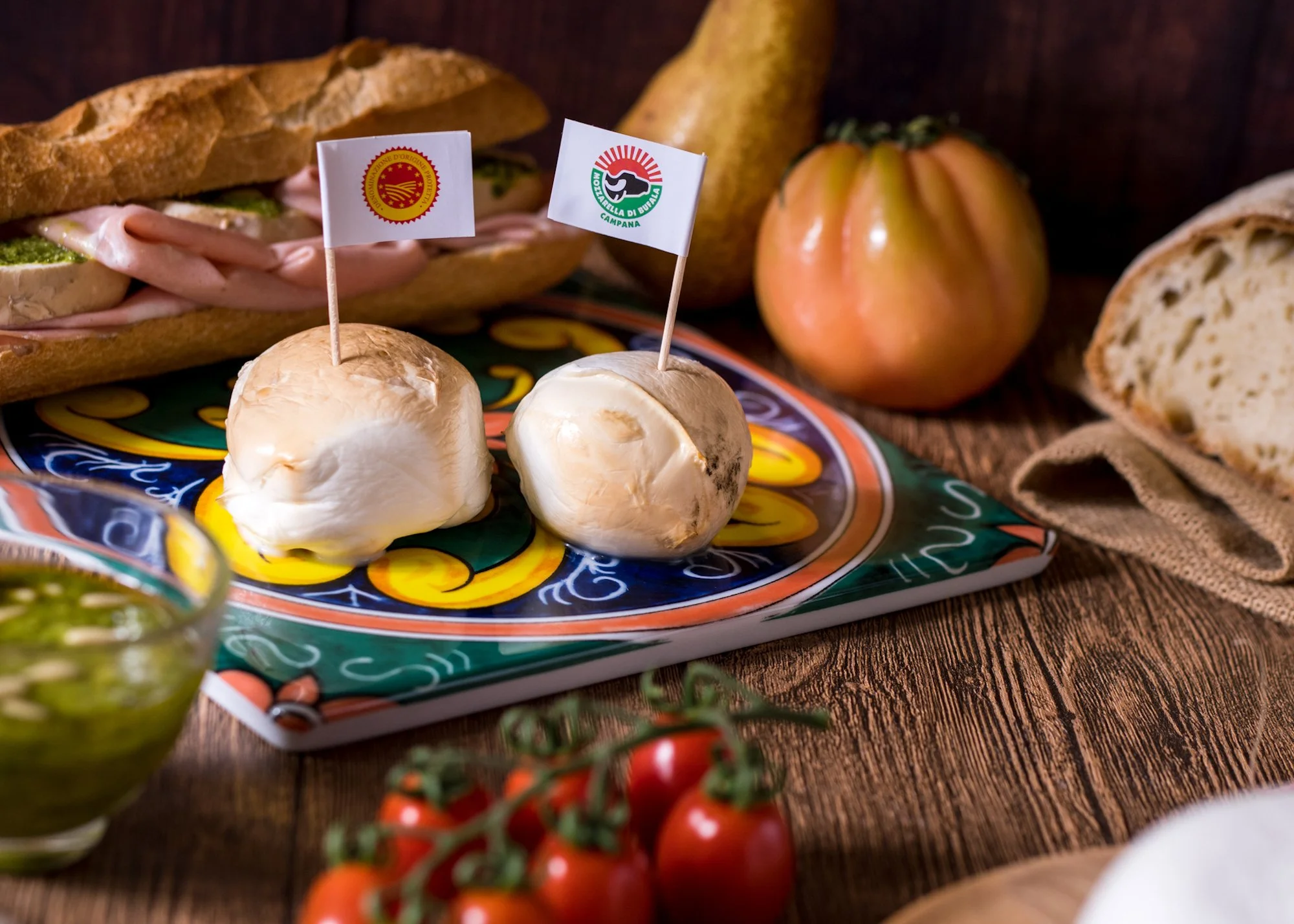
Smoked Buffalo Mozzarella PDO. Photo credit Alessandra Farinelli for the Consorzio di Tutela Mozzarella di Bufala Campana DOP
Pleasure, well-being, happiness, and even the blissful and fleeting feeling of falling (or being) in love: These are the sensations inspired by the act of eating a juicy, rich Buffalo Mozzarella Protected Designation of Origin (PDO), with its definite buffalo milk’s taste. That’s according to a recent survey conducted by the research and consultancy company Nomisma on a sample of 5,000 consumers in five European countries (Austria, Belgium, Netherlands, United Kingdom and Switzerland). But what if you add a gentle smoked scent to that taste?
If you don’t like smoked food, you might think it has just ruined the taste of your mozzarella. On the other hand, if you are an enthusiast of smoked foods, chances are you’re going to love it. The practice of smoking cheese is not an extravagant innovation on a classic, beloved product. Rather, it’s a well-established tradition, mainly confined to the regional borders of buffalo mozzarella's native area, Campania, where in Naples and its surroundings, it is an essential ingredient in many traditional recipes.
Food products in Italy are highly regionally specific, so much so that until recently, smoked buffalo mozzarella could be hard to find even in other Italian regions and cities. In particular, the use of smoked mozzarella on pizza is driving such a change, with more people now appreciating the distinctive smoky flavor that gives mozzarella a different, intriguing note.
The Pizza Makers’ Pizza
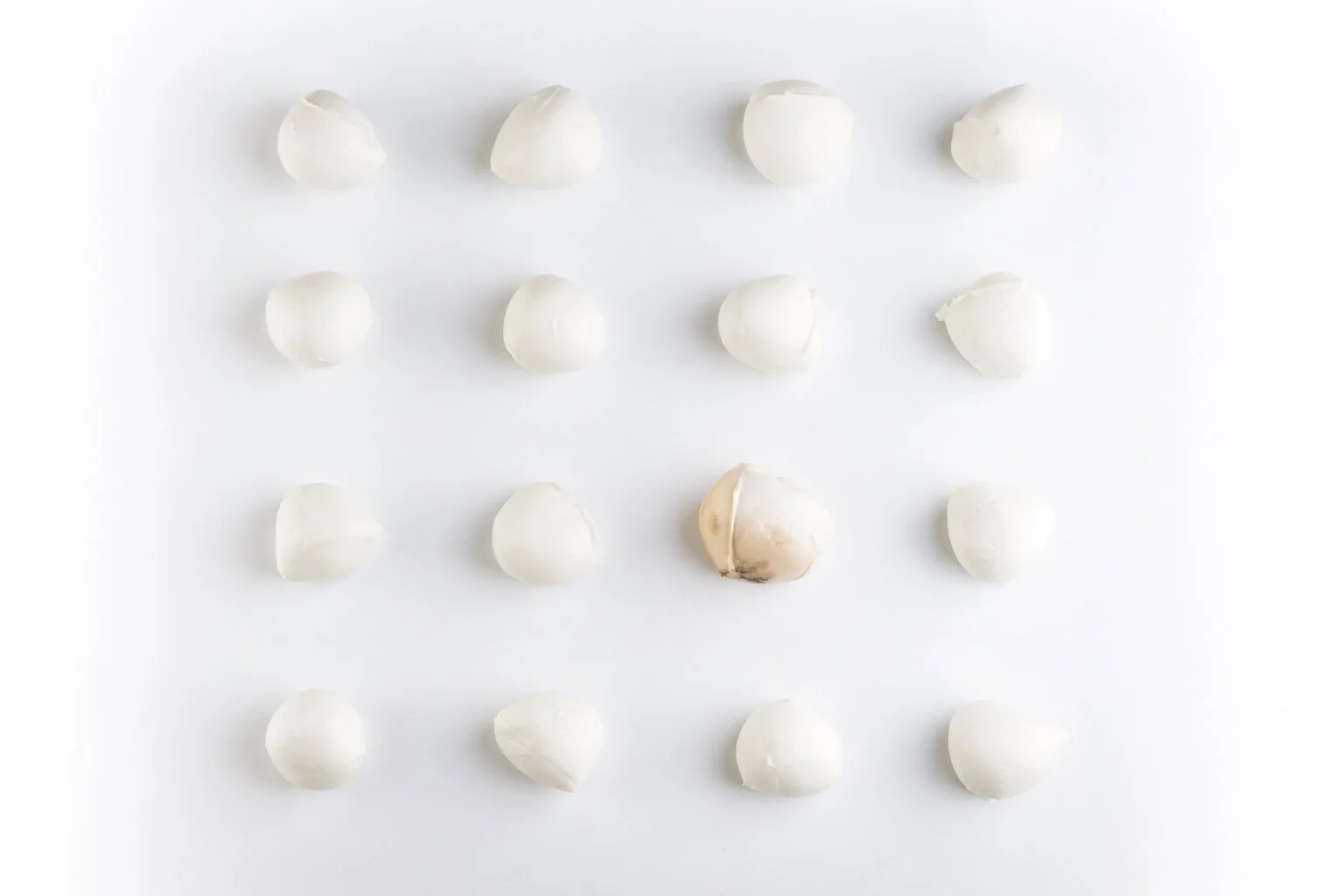
Smoked Buffalo Mozzarella PDO. Photo credit Alessandra Farinelli for the Consorzio di Tutela Mozzarella di Bufala Campana DOP
From creamy pasta to eggplant parmigiana (one of the cornerstones of the region’s cuisine), if you detect a smoked note in your Campanian food, you can be almost certain that there is smoked buffalo or cow’s mozzarella in it. Yet if you ask about the ingredients, locals will probably simply mention provola. This is the common name that is mistakenly used for any smoked fresh cheese in Naples and its surroundings. It also lends its name to one of the most loved classic pizzas after Margherita and Marinara, the provola e pepe: a twist on a Margherita where smoked mozzarella replaces the “plain” version and a generous grinding of pepper adds a strong and aromatic note. This style is also referred to on menus as la pizza dei pizzajuoli – “the pizza makers’ pizza” – as those working at the counter or the oven used to bake and eat it at the end of the service as a rewarding and invigorating bite.
Provola: What It Is, and How It’s Made
While many people use the terms provola and smoked mozzarella interchangeably, it's important to note that they are distinct products, despite their shared smoky note.
Provola is a stretched-curd cheese made from cow's milk, or fior di latte. (In neighboring regions such as Calabria, fior di latte becomes even drier and more compact, takes on a cylindrical shape, and is called Silano.) In Campania, however, Buffalo Mozzarella PDO regulations include more stipulations: it's usually produced in 250- or 500-gram pieces, kept a little drier, and left to rest for a day before being smoked with straw (or, alternatively, by immersion in liquid smoke, a natural extract derived from burning wood). Compared to actual provola, smoked buffalo mozzarella melts more easily and offers a gentler, less overbearing smokiness in recipes.
“It's a smaller production, in terms of quantity, but it's sought after and appreciated especially in Campania,” says Domenico Raimondo, President of the Consortium for the Protection of Mozzarella di Bufala Campana DOP.
The Origins of Smoked Mozzarella
According to Raimondo, the process of smoking mozzarella cheese dates back to the late 1700s or the 1800s.
“At that time, fresh mozzarella brought to Naples from the province of Caserta and left unsold was hung astride wooden sticks after a few days. It was then quickly smoked over straw in rudimentary smokehouses covered with wet jute sacks to extend its shelf life,” she explains.
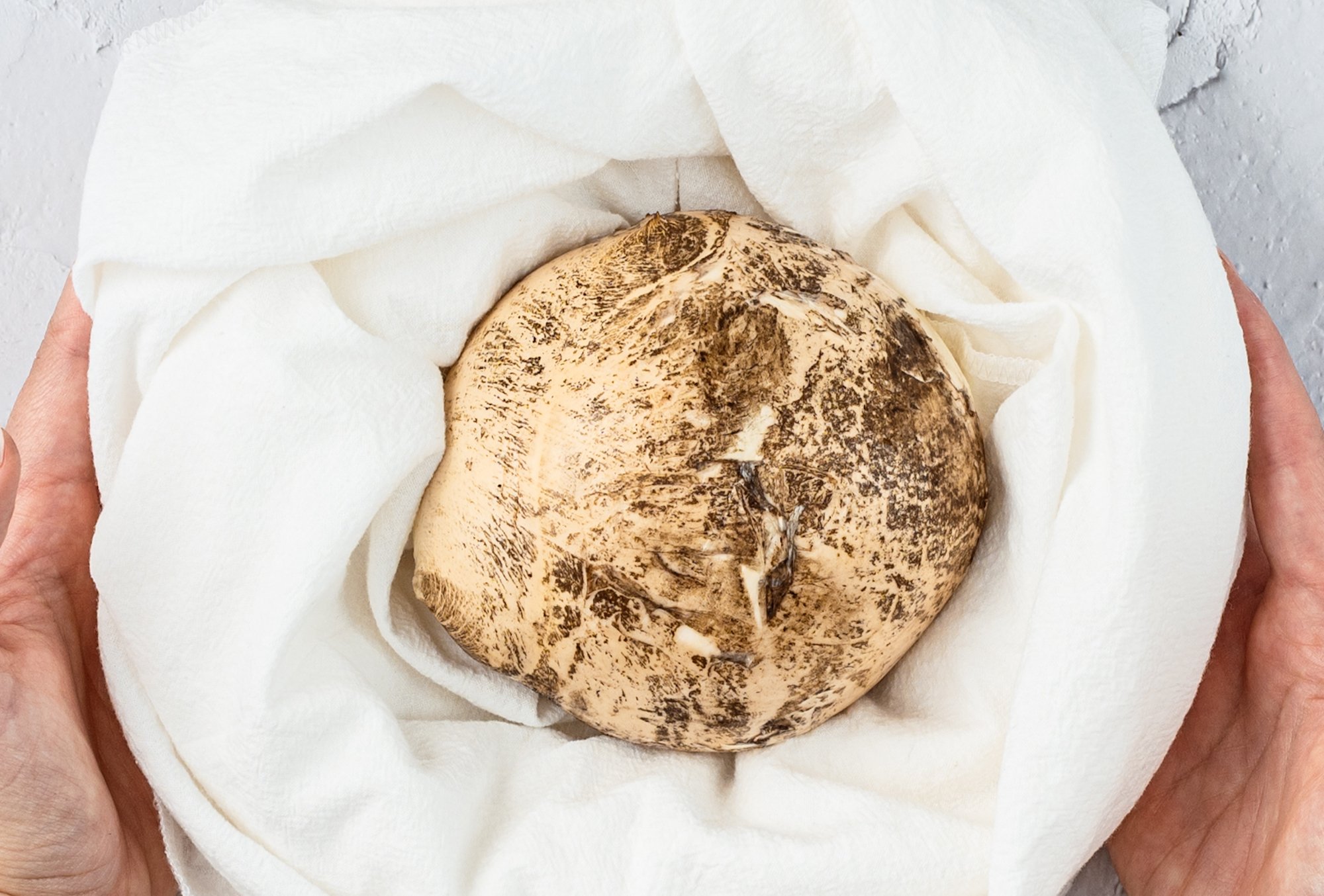
Smoked Buffalo Mozzarella PDO. Photo credit Alessandra Farinelli for the Consorzio di Tutela Mozzarella di Bufala Campana DOP
Today the process is different. The mozzarella is simply dried and hardened for 24 hours to prevent the heat from burning the wheat straw or deforming it. Machines and grilled trays help reduce smoke, creating the cheese’s uneven color and its pleasant, delicately smoky aroma (although cheese made using liquid smoke is more uniform and intense). The result is a slightly drier product with an elegant yet distinct aroma. A sort of outer "skin" forms with a more pronounced smoky flavor. Inside, it retains the freshness and juiciness typical of Buffalo Mozzarella PDO cheeses.
Ways to Enjoy Smoked Mozzarella
Delicious to eat as is, the taste and texture of smoked Buffalo Mozzarella PDO also enriches many dishes, from traditional home-cooked fare to dishes found in restaurants and pizzerias.
Besides the above-mentioned parmigiana and provola e pepe pizza, smoked mozzarella (or smoked fior di latte, too), is perfect for panini filled with sausage and bitter friarielli (also known as broccoli rabe or rapini), which is a beloved local snack. It’s also ideal for adding flavor to traditional first courses. It perfectly pairs with fall or winter flavors such as pumpkin or truffle. It also makes for a quick, satisfying midweek dinner: Cut thick slices and let them slowly melt in a pan with tomato sauce and a bit of shaved Parmigiano Reggiano PDO or a fresh basil leaf. Or take a note from restaurant chefs and add it to recipes that could use a smoky note – the cheese can even replace bacon or other smoked meat products to make a memorable vegetarian version.