
5 French Cheeses You Won't Find in America
Editor's note: Cheesemonger and contributor Patrick Ambrosio would like to thank Marie-Anne Cantin and Antoine Dias for their hospitality and a memorable cheese experience.
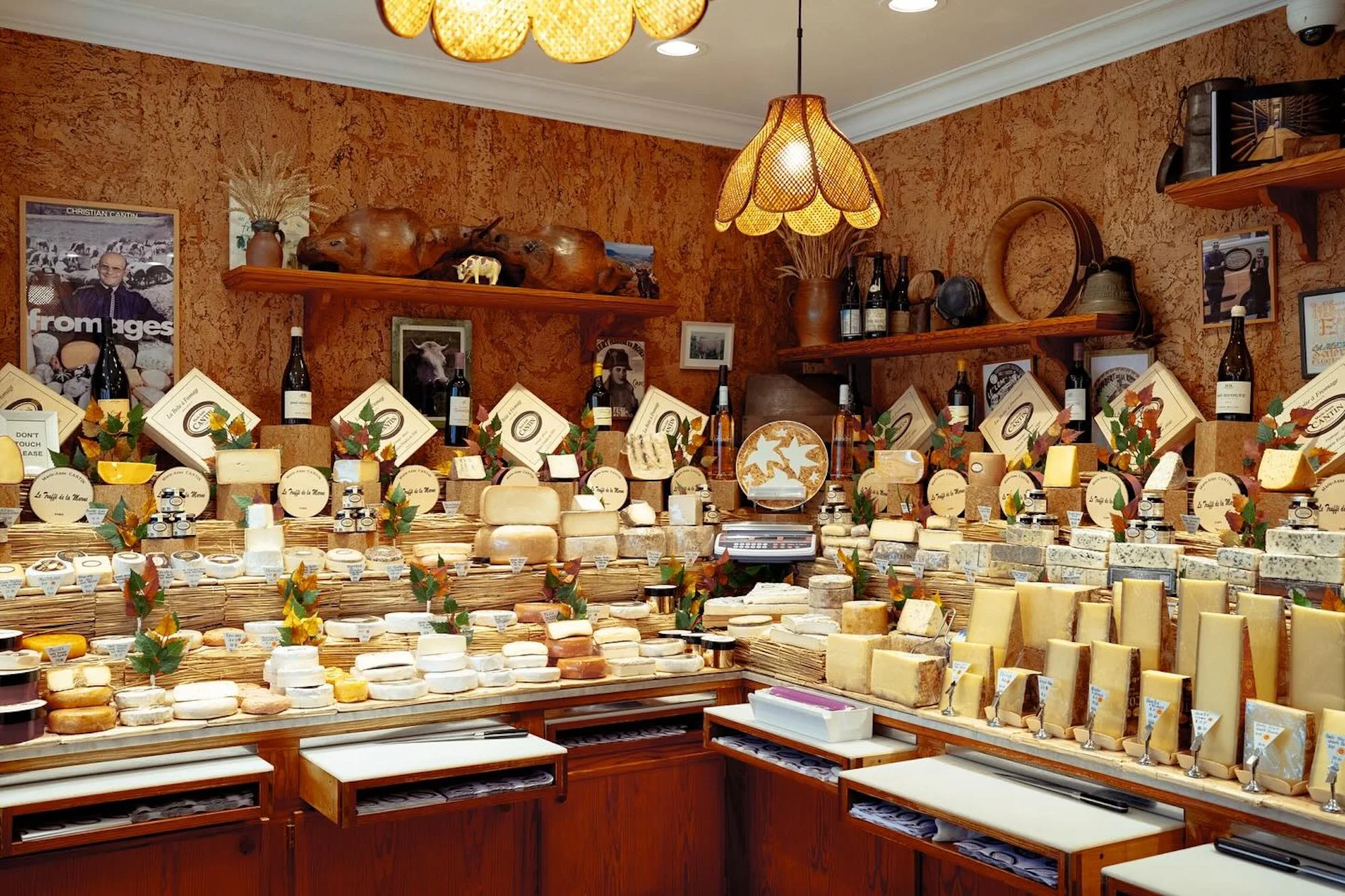
Fromagerie Marie-Anne Cantin. Photo credit Fromagerie Marie Anne Cantin Facebook page
French cheeses make up a large portion of the imported selections in most American cheese shops and specialty grocers. Sadly, many will never see our shores. This is for a host of reasons. Most small farm producers, for example, have neither the production levels nor the inclination to navigate export to America. And for larger producers who might be inclined to do so, import regulations in the United States can pose significant obstacles.
The Raw Milk Issue
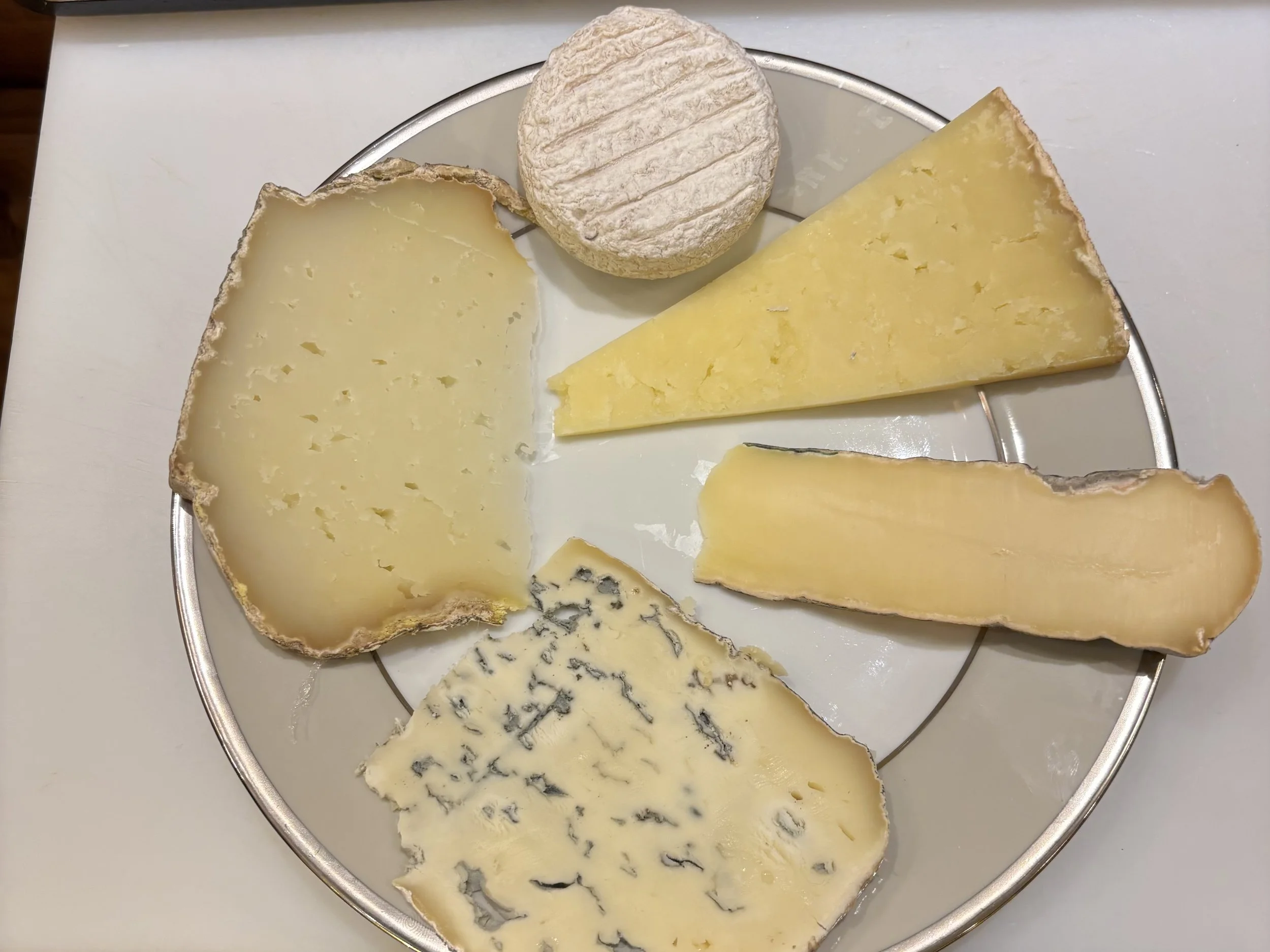
Careful consideration resulted in this stellar quintet. Photo credit Patrick Ambrosio
While the United States does routinely import many French and European raw milk cheeses, the Food and Drug Administration (FDA) has very clear and strict guidelines for cheese. Neither imported nor domestic raw milk cheeses that are aged under 60 days can be sold in the country.
This means no raw milk camembert, brie, Époisses, Valençay,, Saint-Marcellin, and countless other younger and soft-ripened cheeses from France. Even some longer-aged cheeses have fallen by the wayside, their production methods and analyses under scrutiny. Some producers do offer thermized (heat-treated at a lower temperature) or pasteurized export versions of these and other cheeses, but the experience is not the same. I wanted to offer a glimpse into a few cheeses that we rarely, if ever, see at all.
The Setting
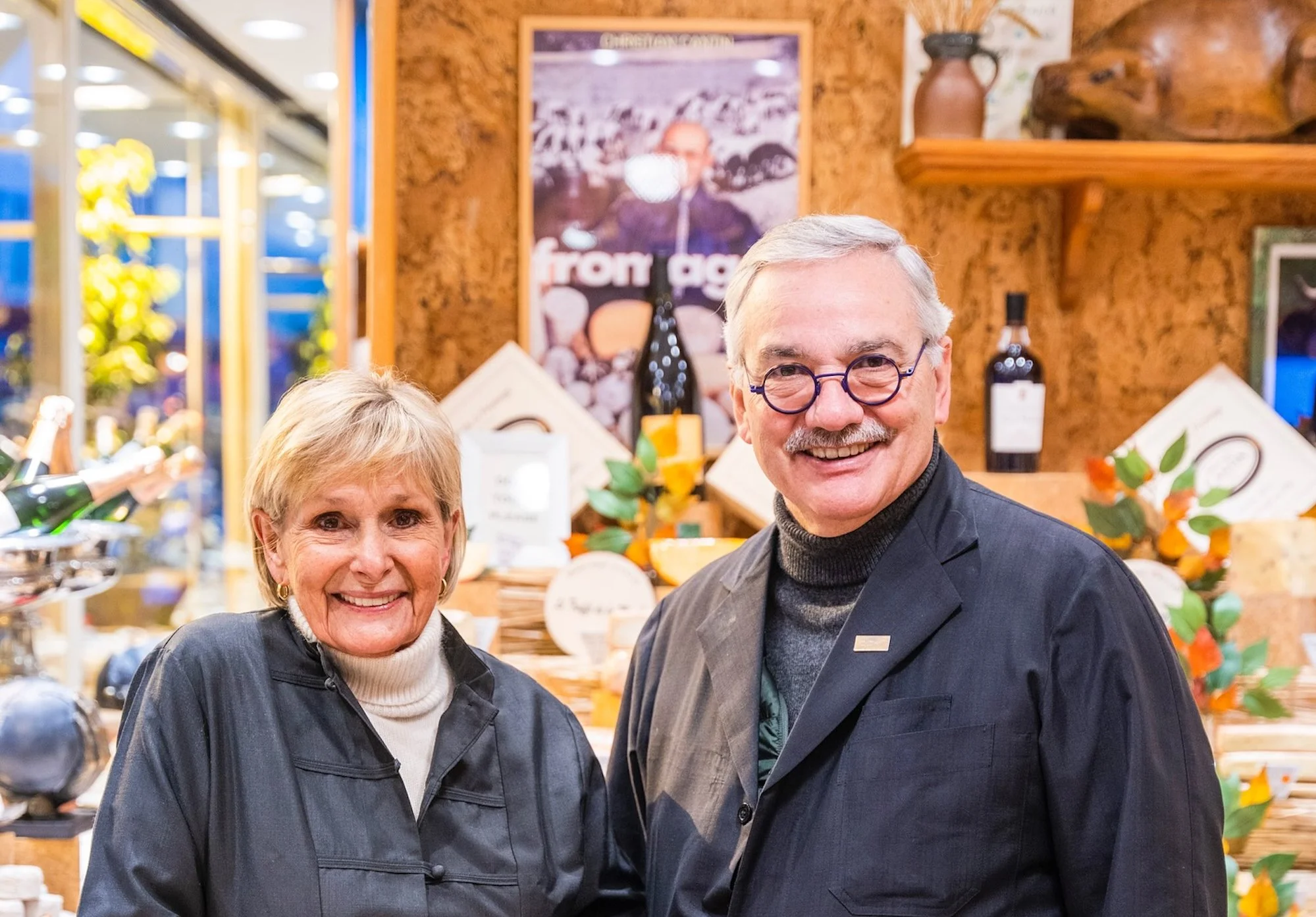
Marie-Anne Cantin and Antoine Dias. Photo credit Fromagerie Marie Anne Cantin Facebook page
While in Paris, I immediately set my sights on conducting my tasting at Fromagerie Marie-Anne Cantin. Marie-Anne Cantin and Antoine Dias preside over what I believe to be the most picture-perfect and immaculately merchandised shop in all of the city. Marie-Anne grew up in a world of cheese at her father Christian’s shop, where she started by wrapping cheeses for customers as a child. Today, the duo’s carefully curated selections are aged in cellars beneath the shop. Tommes and larger wheels arranged on straw mats, scaling the walls of this jewel box of a shop, create a proverbial mountain of cheese, while chèvres and younger small-format cheeses are lined up on pedestals in the window display to the delight of passersby.
Theirs is a shop that encompasses all of the history, traditions, and beauty of French cheese. Perhaps the only thing more delightful than the shop itself that day was the manner in which they welcomed me upon my visit. Their love of cheese seemed to be exceeded only by the convivial and gracious way in which they share it with others.
The Cheeses
After a tour of their cellars, Marie-Anne and Antoine set out a spread of cheeses at an outdoor table and poured me a chilled glass of white wine, since the early November air was surprisingly warm. The cheeses, although not tasted in this order, are listed as they appear in the photo below clockwise on the plate starting in the 12 o’clock position.
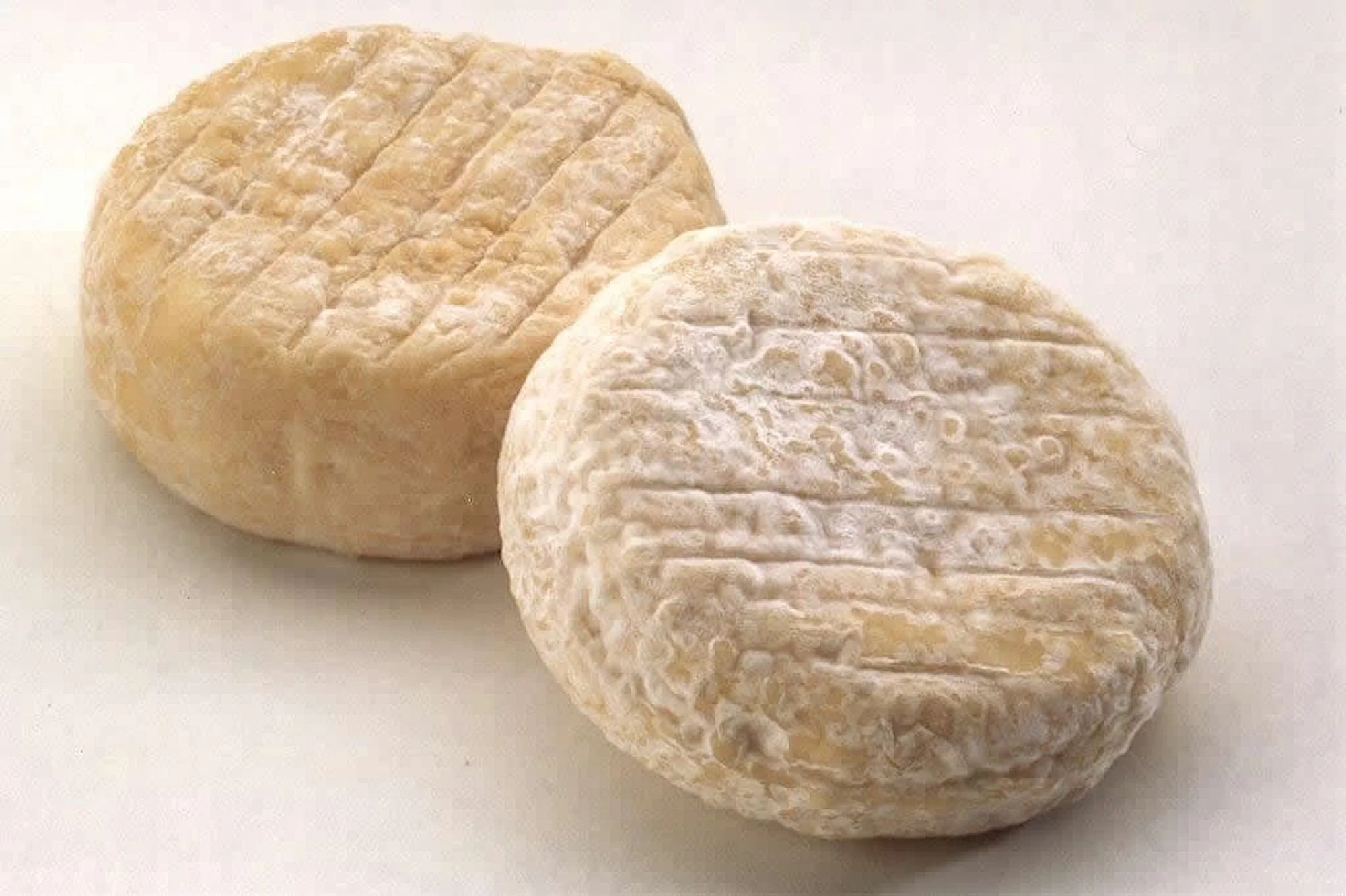
Picodon AOP. Photo credit Picodon AOP
These small disks, made from raw goat’s milk in the Ardeche and Drôme regions of France's southern Rhône Valley, are available in a variety of styles. Young versions are aged for as little as eight days and are creamy with lily-white natural rinds. I enjoyed a more aged version that was bone white in color with a full flavor and a firm, almost crumbly texture. Despite its age, it was not at all “goaty” in flavor but rather pleasant with a sweet milky finish. A single disk would make a great lunch cheese with a salad and would be welcome on any cheeseboard.
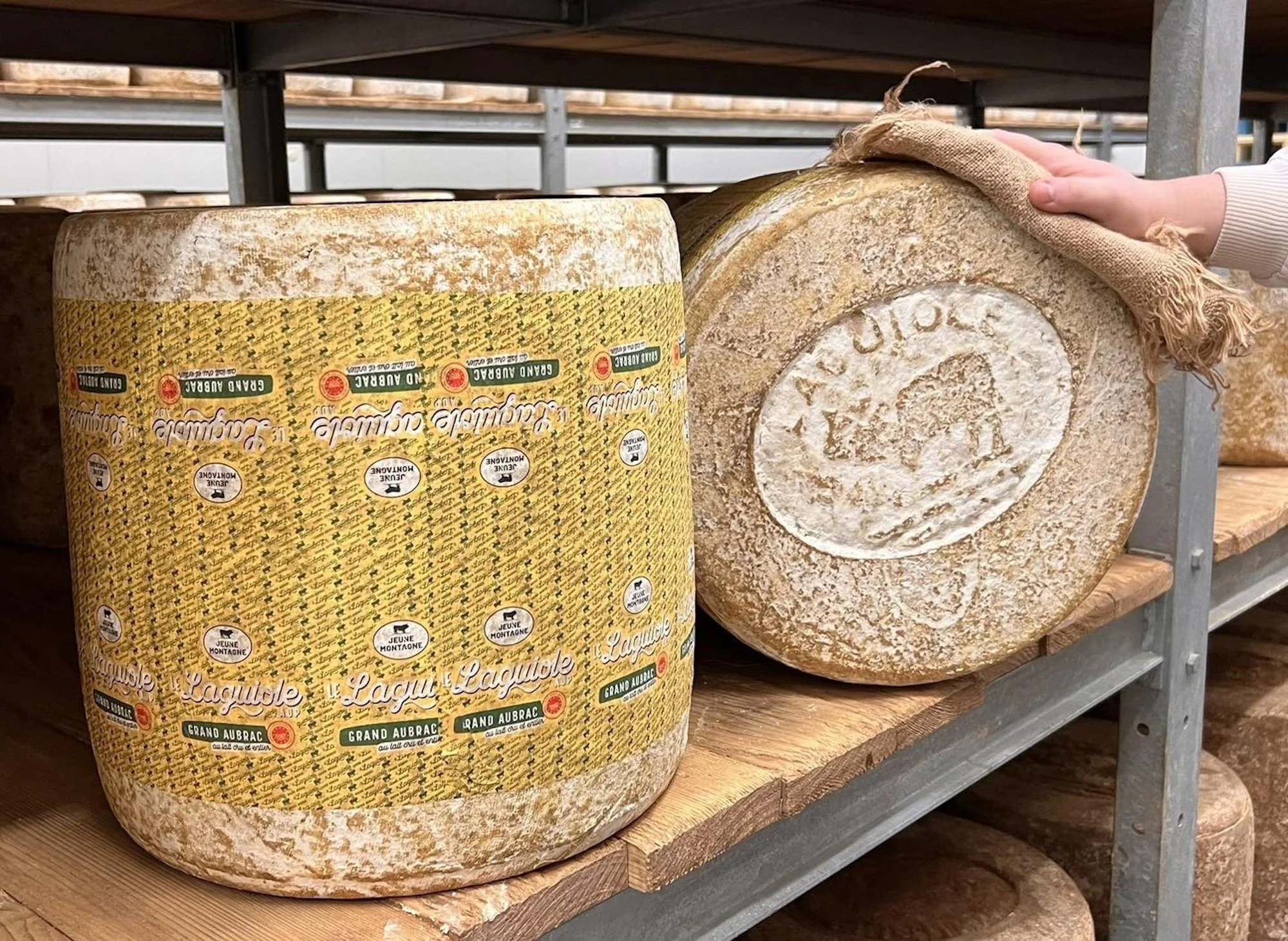
Le Laguiole AOP. Photo credit Le Laguiole AOP
While Laguiole is produced in a manner virtually identical to Cantal and Salers from the Auvergne, it is technically a product of the Aveyron department of the neighboring Occitanie region. (Milk from the nearby Aubrac plateau in the Cantal is also permitted.) This 80-to 100-plus-pound of a drum was once available in the US years ago, but these days it has more or less vanished. Made exclusively from the raw milk of local breeds, there are still a few farm producers making the cheeses. Fromagerie Marie-Anne Cantin’s is from Jeune Montagne, a cooperative that rescued the cheese from obscurity in the mid-1900s and is now responsible for most of the Laguiole on the market.
The Laguiole AOP tasted similar to a raw milk version of Cantal: very complex with a slightly funkier and spicier flavor. With a long and memorable finish, it almost had a hint of aged Parmigiano Reggiano, and it’s a sturdy cheese that could stand up to a formidable glass of red.
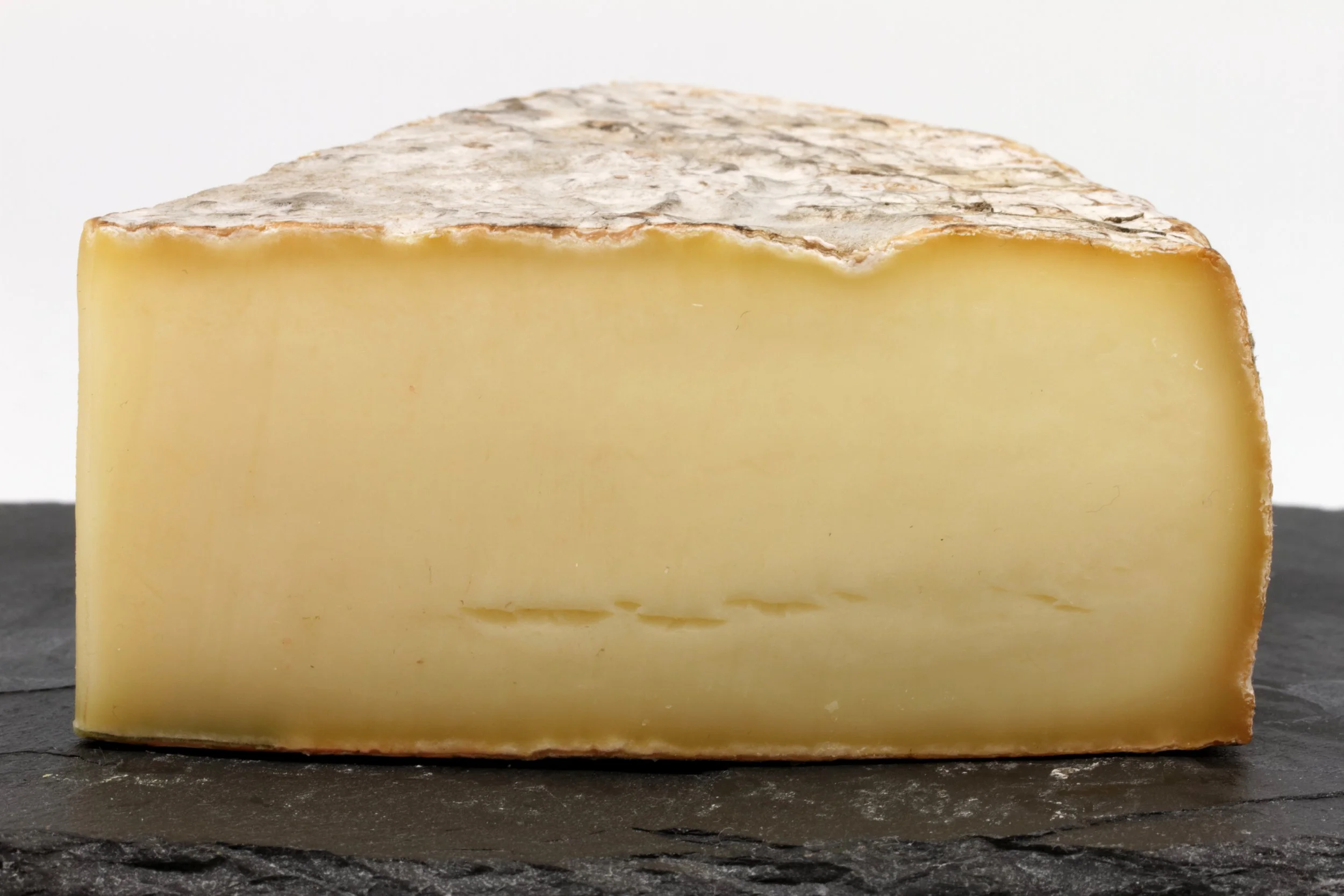
Saint-Nectaire AOP. Photo credit Homer Ectus via CC BY-SA 3.0
This is the first cheese I look for while in France, and I eat it every chance that I get. It is adored by the French and is present in every shop and on countless restaurant cheese plates. Fromagerie Marie-Anne Cantin sells its own outstanding private label version, too.
While the laitier, or pasteurized, version of Saint-Nectaire is available in America, it bears absolutely no resemblance to its fermier, or raw milk, counterpart. For one, the wheels sold in the US are primarily washed rind cheeses with thick, gritty rinds that are rather unpleasant to eat.
The rind of raw milk Saint-Nectaire fermier, on the other hand, is a thing of true beauty – brushed rinds sporting the trademark rustic-looking grey poil de chat (“cat fur") which, despite its appearance, is refined and delicious.
Raw milk Saint-Nectaire balances that fine line of subtle funkiness with a rich, smooth, buttery paste that bulges ever-so-slightly out of its rind at room temperature. Subtle yet complex in flavor, it is the perfect balance of milk, cave aging, and a certain cultured milk tanginess.
In contrast, the pasteurized version tastes much more single-note or one-dimensional. Think of the difference between a top-quality Taleggio and a mass-produced Havarti: Although they are both semi-soft cow’s milk cheeses, they’re worlds apart in flavor and texture.
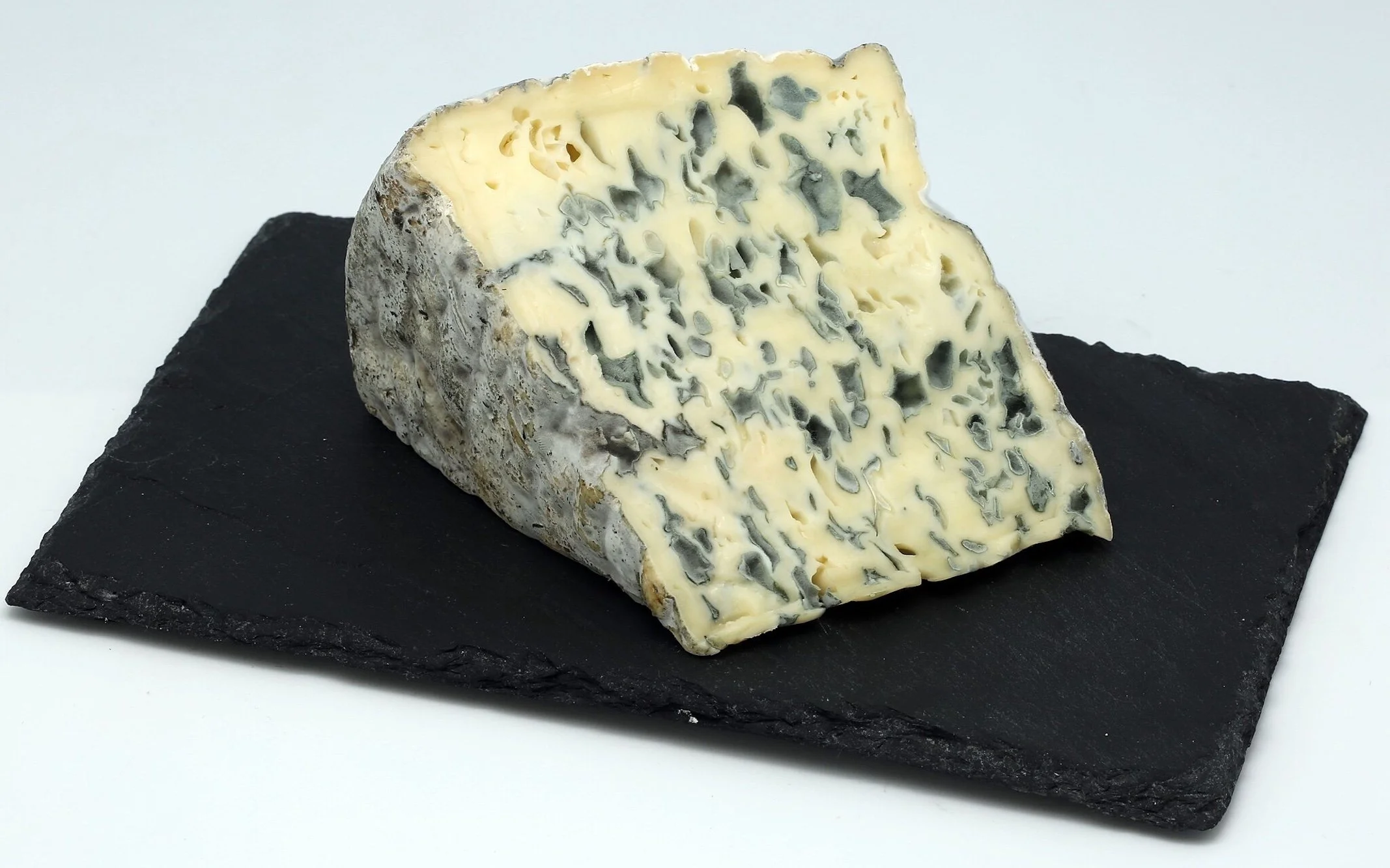
Bleu de Bonneval. Photo credit X-Javier, CC BY-SA 4.0, via Wikimedia Commons
Bleu de Bonneval was entirely new to me, and a very pleasant surprise. A blue cheese from Savoie’s Haute Maurienne region, it is made using the same quality raw milk from cooperative dairies that is used in the production of Beaufort. The blue flavor is not at all aggressive. Rather, it’s balanced perfectly by the sweet cream flavors of the cheese. Neither robust in flavor and grainy-textured like Roquefort nor crumbly and earthy like Stilton, Blue de Bonneval is so creamy, dense, and sweet that it could even win over those not typically fond of blue cheeses.
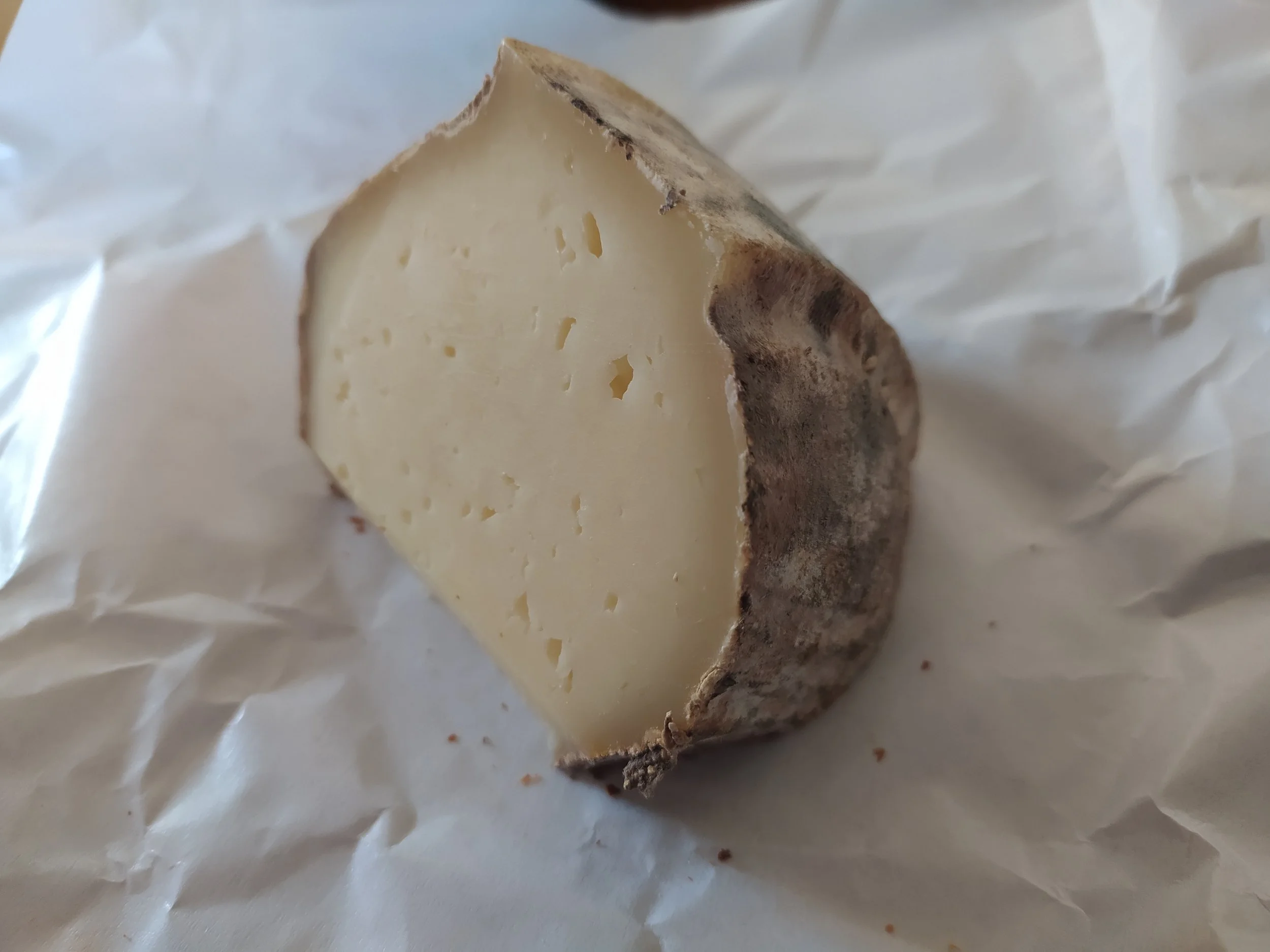
Lavort ou Tomme d’Auvgerne. Photo credit Pierre Tribhou, CC BY-SA 4.0, via Wikimedia Commons
This sheep’s milk wheel, which is also known as Medieval, was also a new discovery for me. Not much written information can be found on this one beyond a brief entry in Marie-Anne’s book Guide de L’Amateur de Fromages.
A somewhat recent innovation from the Puy-de-Dôme in Auvergne, it is similar to Lavort cheese. A flavorful and very approachable cheese with a beautiful open texture, Lavort ou Tomme d'Auvergne achieves its rich flavor and fragrance from the milk of Lacaune sheep, the same breed of sheep that provides the milk used in the production of Roquefort. This cheese’s rustic grey rind, which was flecked with spots of the same beneficial yellow mold that is also found on Saint-Nectaire and certain Savoyard cheeses, was also delicious. A great addition to any cheese plate, it would also shine shaved over a salad or eaten for breakfast with some jam and a crusty baguette.
Where to Find French Cheeses
While these cheeses represent the crème de la crème, the simple truth is that one need not look far for great cheeses in France – especially in Paris, with its concentration of remarkable cheese shops. Although specialized cheese shops will have better versions sold at peak ripeness, a number of French AOC raw milk cheeses can even be found in reasonably good order at grocers such as Monoprix and Carrefour. Wine bars and restaurants throughout the city also have excellent cheese plates; even my hotel served a farmstead Abondance from Savoie for breakfast. In a city famous for dining, I can honestly say that some of my best meal experiences there have consisted of an assortment of cheeses, wine, and bread consumed in my hotel room.