
5 Tips for Cheese Shopping Abroad
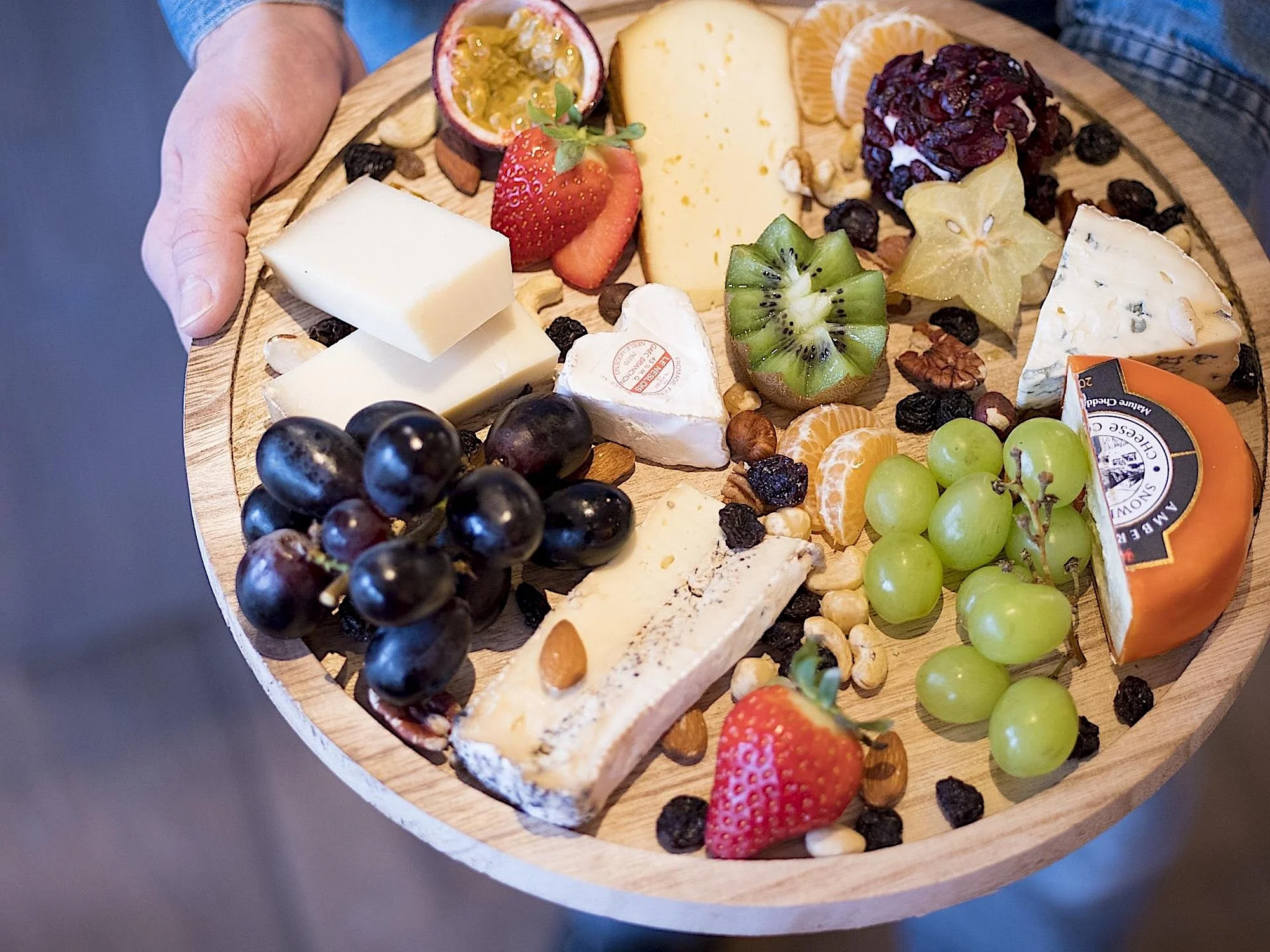
Some of the world’s finest cheeses will never make it to your table, no matter how expansive the cheese selection at your neighborhood grocery or boutique cheese shop, if you’re fortunate enough to have one of those close by.
Why? Two reasons: First, some producers have such small operations and limited resources that they can’t afford to hire distributors to carry their goods very far beyond their own regions or even their own towns.
I’d never considered this until recently when I talked to a cheesemonger in Galway, Ireland, who was unfamiliar with the cheeses from Aillwee Caves, a mere hour's drive south of the city, where they produce an array of lovely tomme-style cheeses. He explained that it’s not unusual to be unaware of cheeses made close by because those operations tend to be quite small and family-run. In fact, Bord Bia, the agency that promotes Irish food and beverage, says that 86 Irish cheesemakers, of whom 72 are artisan, create some 500 different cheeses. In the States we can find Cashel Blue and a handful of cheddars and assorted other firm cheeses from Kerrygold and Cahill's Cheese, but that’s about all.
Second, the imported cheeses we do enjoy at home, especially the younger, softer ones, quite often are made from pasteurized milk and bear only a slight resemblance to their raw milk versions. While pasteurization kills off bad bacteria, it also destroys the good bacteria that give raw milk cheeses their depth and nuance. When I find a US-available version of a cheese from abroad that I really like, I’m eager to try its home turf incarnation.
If you’re planning a vacation and interested in making cheese tasting part of your itinerary, try these tips as you prepare for the adventure.
1. Find Your Cheese Inspiration

St. Albans and Saint-Marcellin photo credit DocteurCosmos, CC BY 3.0, via Wikimedia Commons
Consider the cheeses you enjoy at home that were inspired by those from other countries. Saint Albans, a spreadable cow’s milk cheese from Vermont Creamery was inspired by Saint-Marcellin, all the way down to the tiny crock in which each is sold. Coppinger, with its ash line reminiscent of that in Morbier, comes from Sequatchie Cove Creamery in Tennessee. How does one compare to the other? Look for cheeses that were inspirations for the ones you have at home.
2. Go Raw
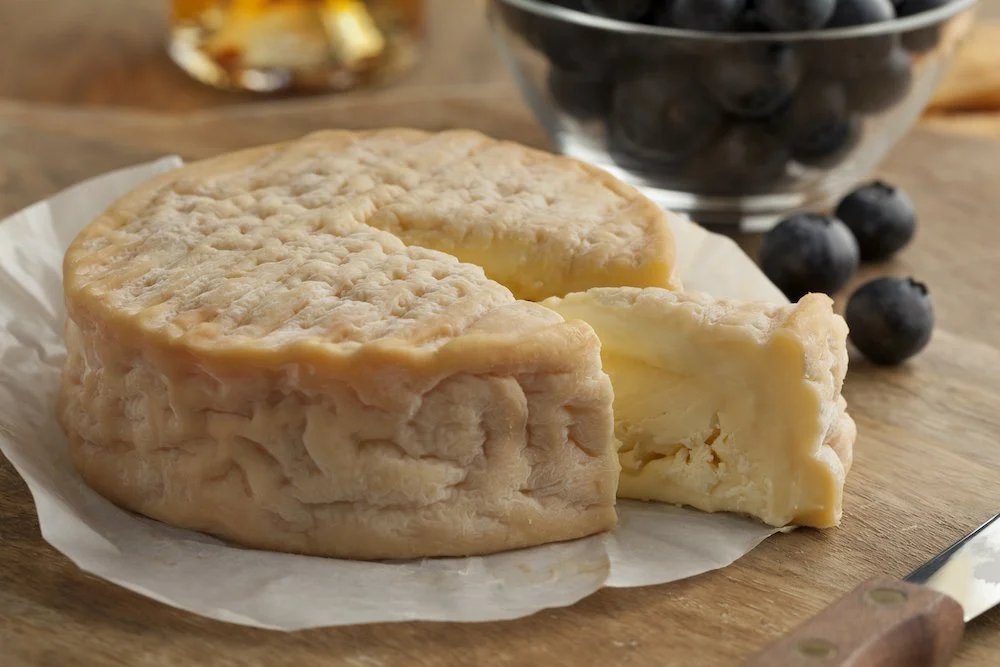
Epoisses
Make a list of those imported cheeses you’ve enjoyed at home in their pasteurized form and look for them when you visit their country of origin. You may have encountered pasteurized versions of cheeses such as Taleggio and Robiola from Italy and Soumaintrain, Epoisses and Coulommiers from France. If the locals have eaten these raw milk cheeses their entire lives, chances are you can enjoy them too without concern and marvel at the nuances they present in their original form. Just remember that you can’t bring home any cheese that hasn't been aged for more than 60 days, raw or not. Disclaimer: You may want to give these a pass if you are pregnant, immune-compromised, or your physician otherwise cautions against it.
3. Learn

Cows in the Swiss Alps
Do your internet research, but don’t stop there. Your local bookstore or library should have at least a few books on the cheeses of different countries, or perhaps a world food atlas with a section on cheese. Find out which cheeses come from your destination and what it will take to try them. Some are readily available in the shops, while others may be sampled where they’re made. If you can visit the creamery, the experience will be much more memorable. You’ll meet the people who make the cheese, see the production underway and possibly even meet the ladies, whether cows, sheep or goats, who provide the milk. You can taste, ask questions and get a real feel for what makes their cheese special.
4. Taste and Record
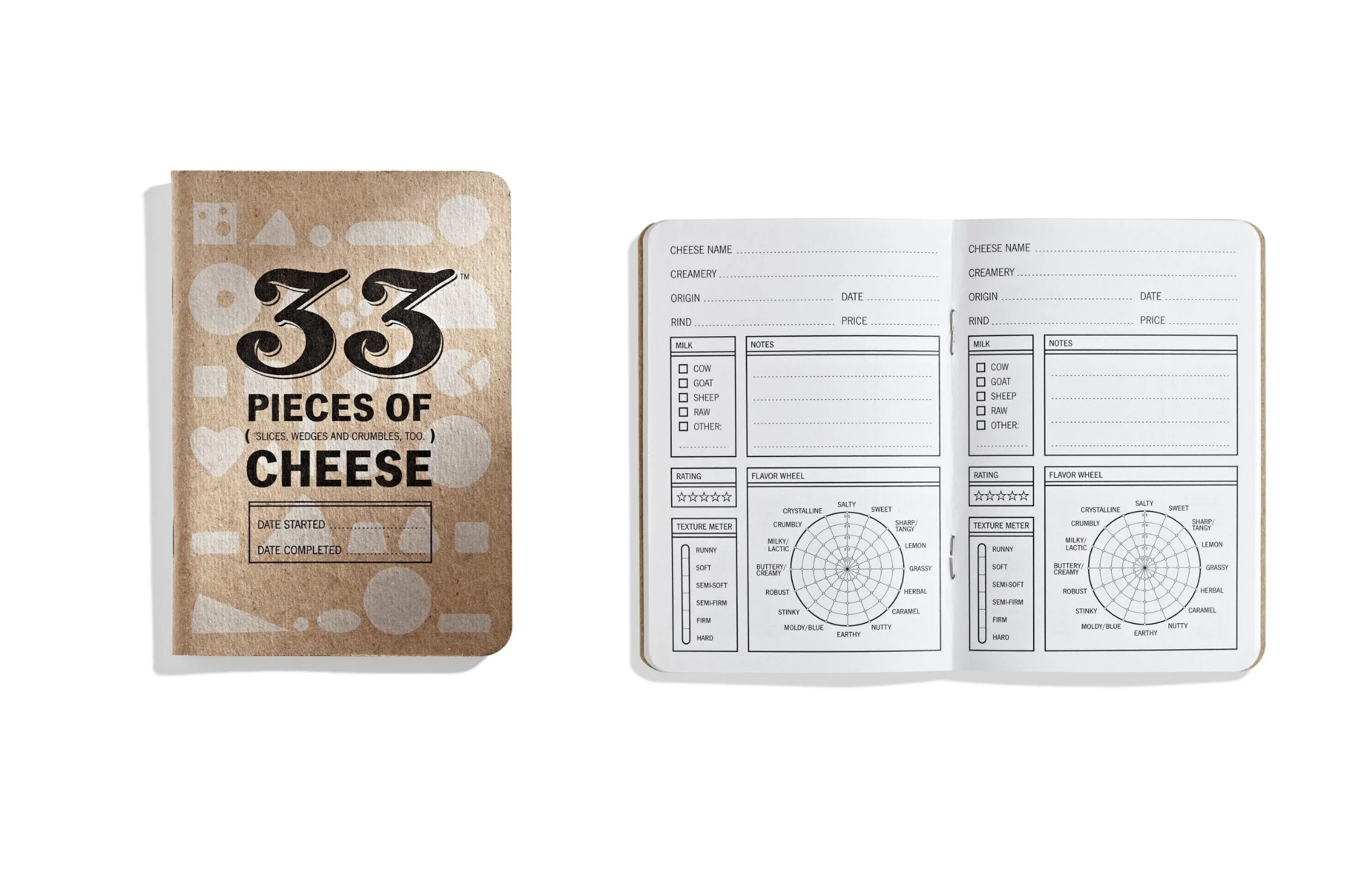
Cheese Tasting Journal from 33 Books Co.
When you learn about particular cheeses that pique your curiosity, make a note of them. In fact, dedicate a pocket-sized notebook to your cheese research. As you do your boots-on-the-ground tasting, take photos and make notes of the ones you try, describing their flavors and textures as best you can. They’re good memory joggers when you revisit your travels and the stories you want to share. You might even be able to score a cheese label to tape into your notebook if you’re at the creamery itself. They’re usually quite happy to hand these out. I personally like the tactile experience of a little notebook filled with a jumble of cheese labels and notes. They’re great reminders not only of what I ate but of the trip itself.
5. Splurge
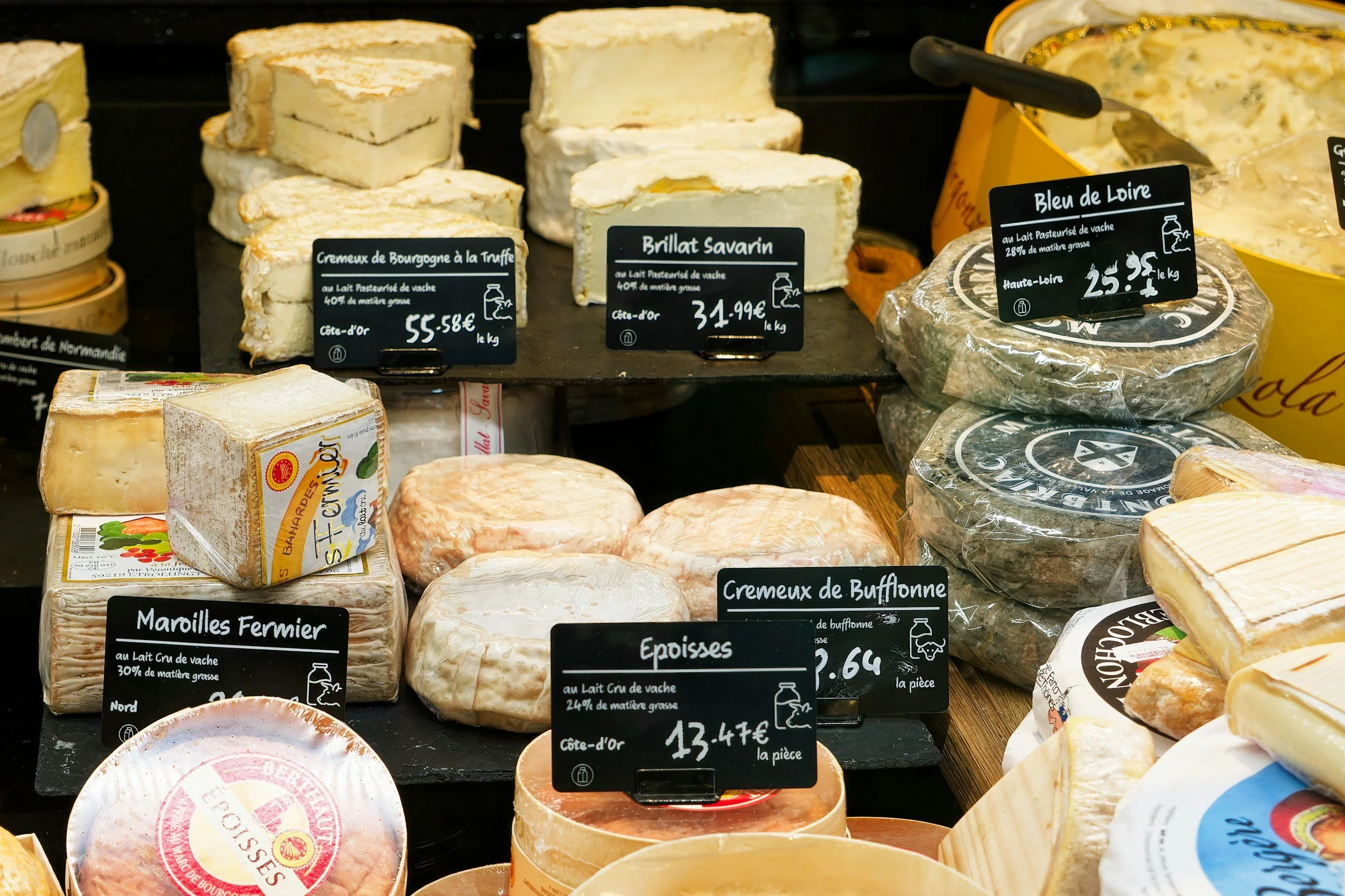
When buying artisan cheeses in Europe, you’ll notice that they’re much more affordable than they are in the States. A tremendous amount of the cost of those lovelies at home isn’t because they’re “chi-chi” or “precious.” Nope, you’re paying for international shipping and special handling, which isn't as simple as, say, shipping a container of wrenches. Cheese must be kept in a temperature- and humidity-controlled environment during the entire trip from the creamery in Europe to your neighborhood cheese counter. And then there are tariffs. No wonder your head spins when you pick up an imported wedge at home and see its price! You’ll be delighted by how reasonably priced European cheeses are when you’re shopping there. It makes cheese adventuring a surprisingly affordable part of your trip.
These tips aren’t just for international travel. The US has some fine artisan cheesemakers whose cheeses may not be on your radar owning to distance and size of operation, so include them in your research too, when your vacation plans keep you closer to home.
My hope is that you’ll do a little cheese research when you're planning a trip. It just might help you discover a real treasure that can tantalize your tastebuds and make your travels even more enjoyable. The souvenir you bring home may not be the cheese itself, but the memory will live on and be a treasured part of your travel stories.