
What Is Abendbrot? Germany’s Bread Dinner
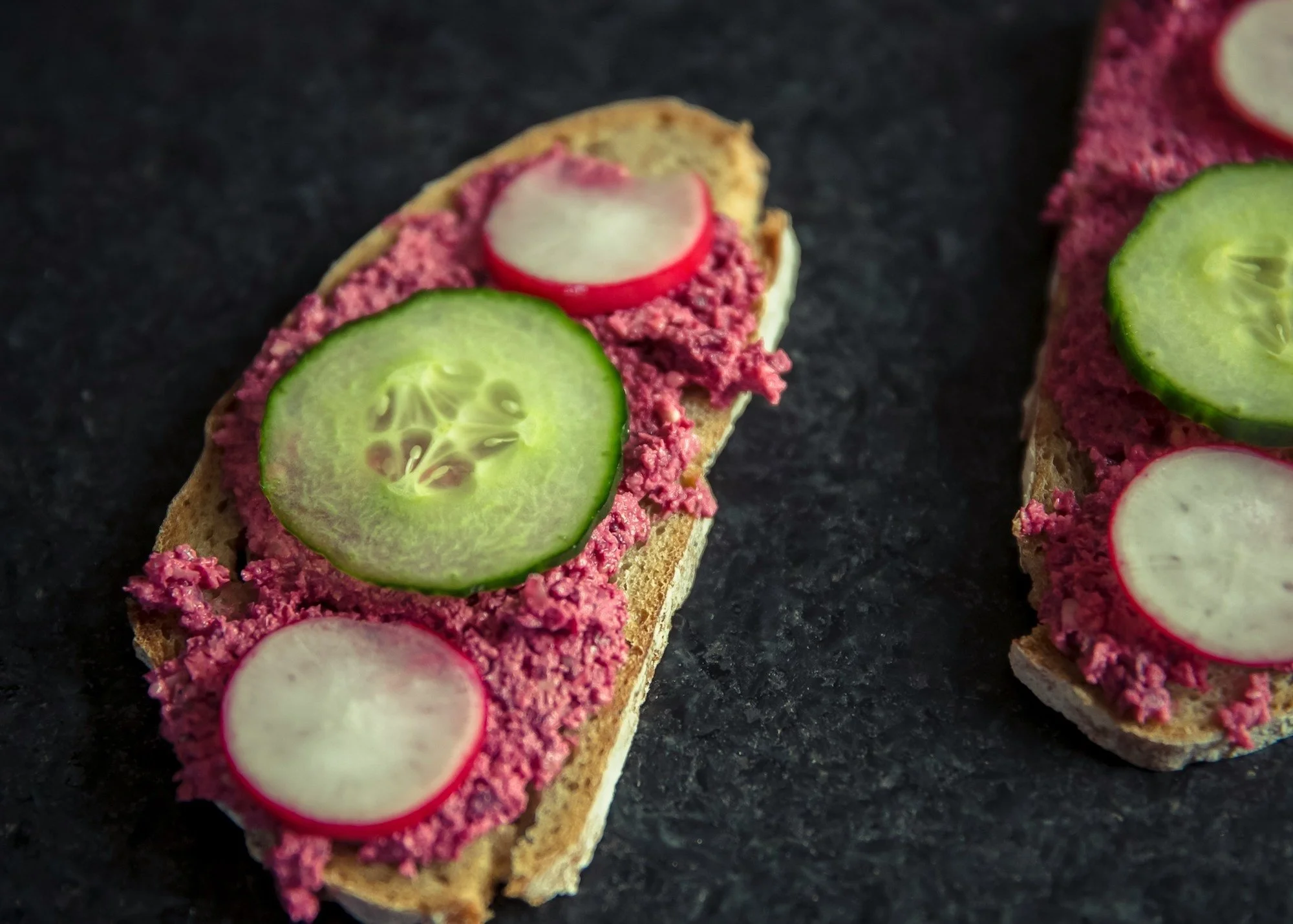
Beet spread is a popular addition to the German tradition of Abendbrot. Photo credit Markus Spiske
On any given evening, German families sit down to a dinner that no one cooked: slices of dense bread piled in a basket, a hunk of butter, cold cuts, cheeses, and a few spreads. Together, they form Abendbrot, or “evening bread,” a meal that is both understated and enduring. While it might feel minimalist — trendy, even — the meal is a pragmatic nod to Germany’s historic bread-making culture, making weeknight family dinners a study in restraint.
The German Nutrition Society recommends Abendbrot as part of a well-balanced diet, codifying what many Germans know by heart. This includes a seeded or grain-heavy bread; a spread or protein such as beef liverwurst, chicken breast, or red beet spread; butter; and cheese.
The Origins of Abendbrot
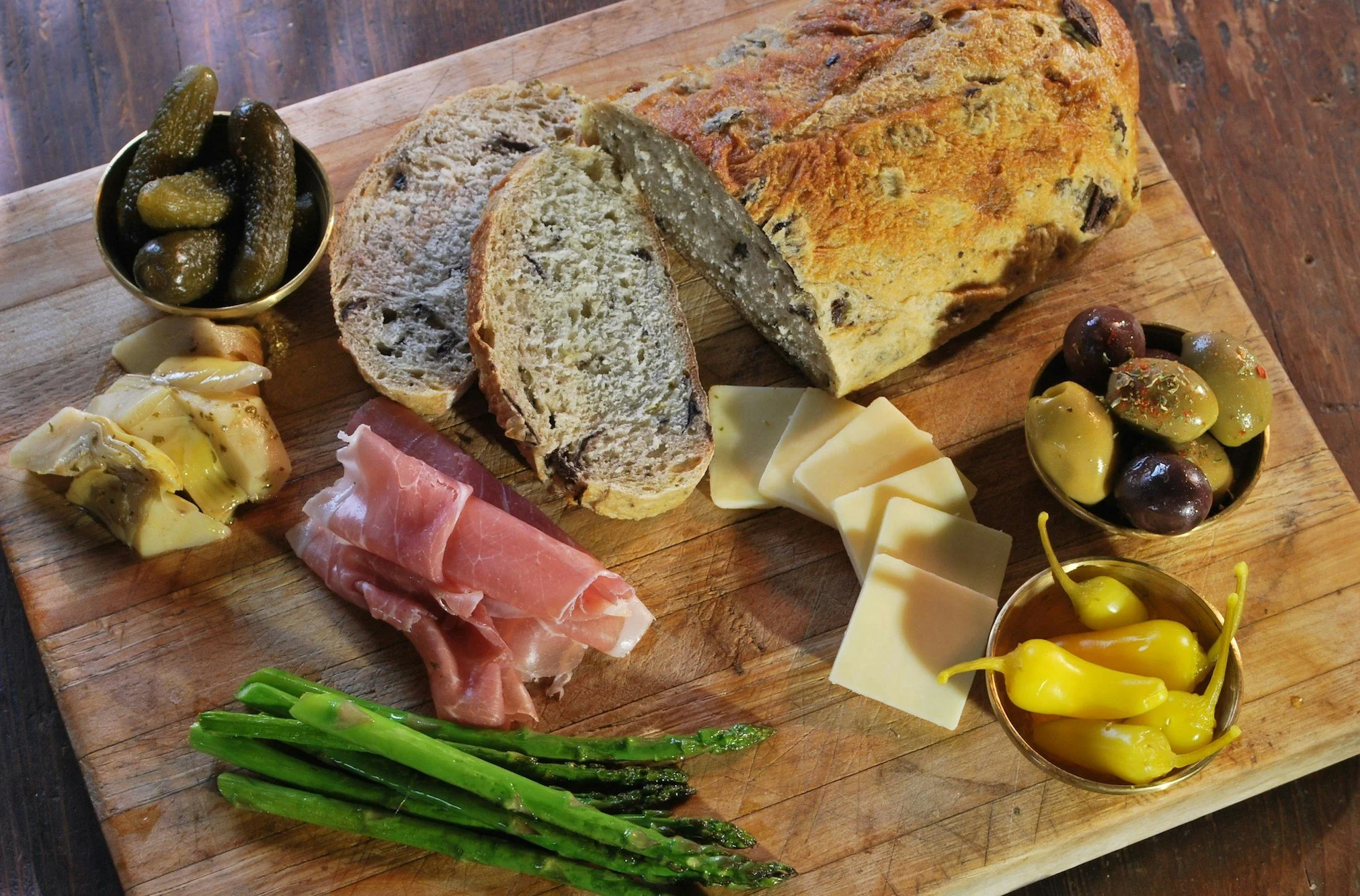
A board of meats, cheeses, and pickles. Photo credit David B Townsend
For generations, hot, heavier meals were eaten midday, and when factories began to open lunchtime canteens to keep workers energized and full, lunch persisted as the main meal. Industrial labor gave way to mechanization, and it was no longer necessary to eat such a heavy dinner. Germans streamlined their meals, and Abendbrot was the result.
Abendbrot requires little more than assembling cold, pre-made components onto a slice of sturdy bread. Think of it as a pared-down, open-faced sandwich with any combination of cold toppings — butter, cold cuts, marmalade for the sweet-inclined, pickles, and sliced veggies are all fair game. Here’s how to join in on the tradition and make your own Abendbrot.
The Bread
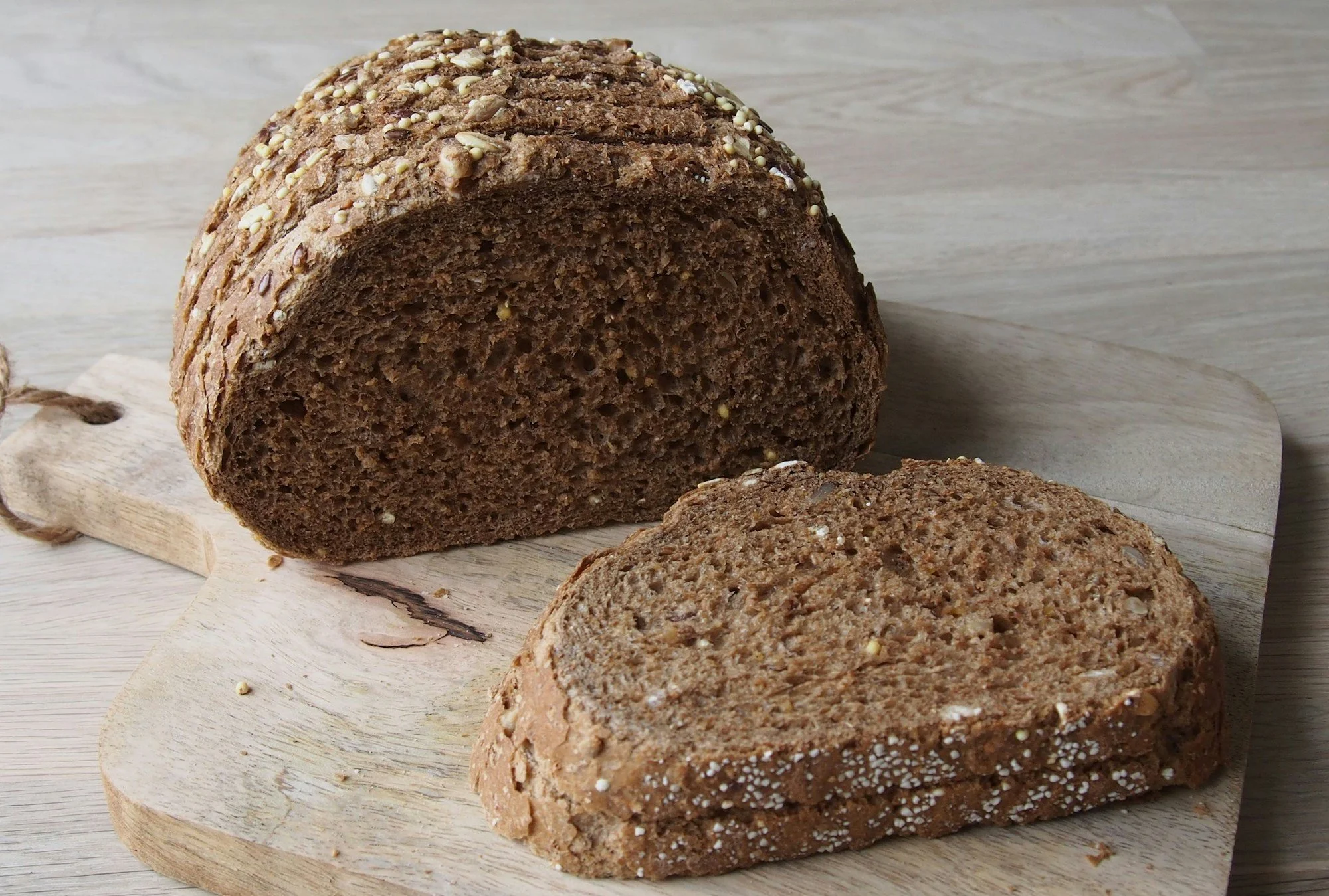
Abendbrot calls for a sturdy whole-grain bread.
If cheese is the anchor to a proper Abendbrot, bread is the foundation. It’s almost equally important and a true make-or-break component. In keeping with German tradition, a robust rye bread is a classic choice. Bread is seen as yet another vehicle to intake nutrients, so loaves are usually made with whole grains and topped with nuts and seeds. A sturdy slice of bread will also help keep you full for the evening without feeling weighed down.
The Cheese
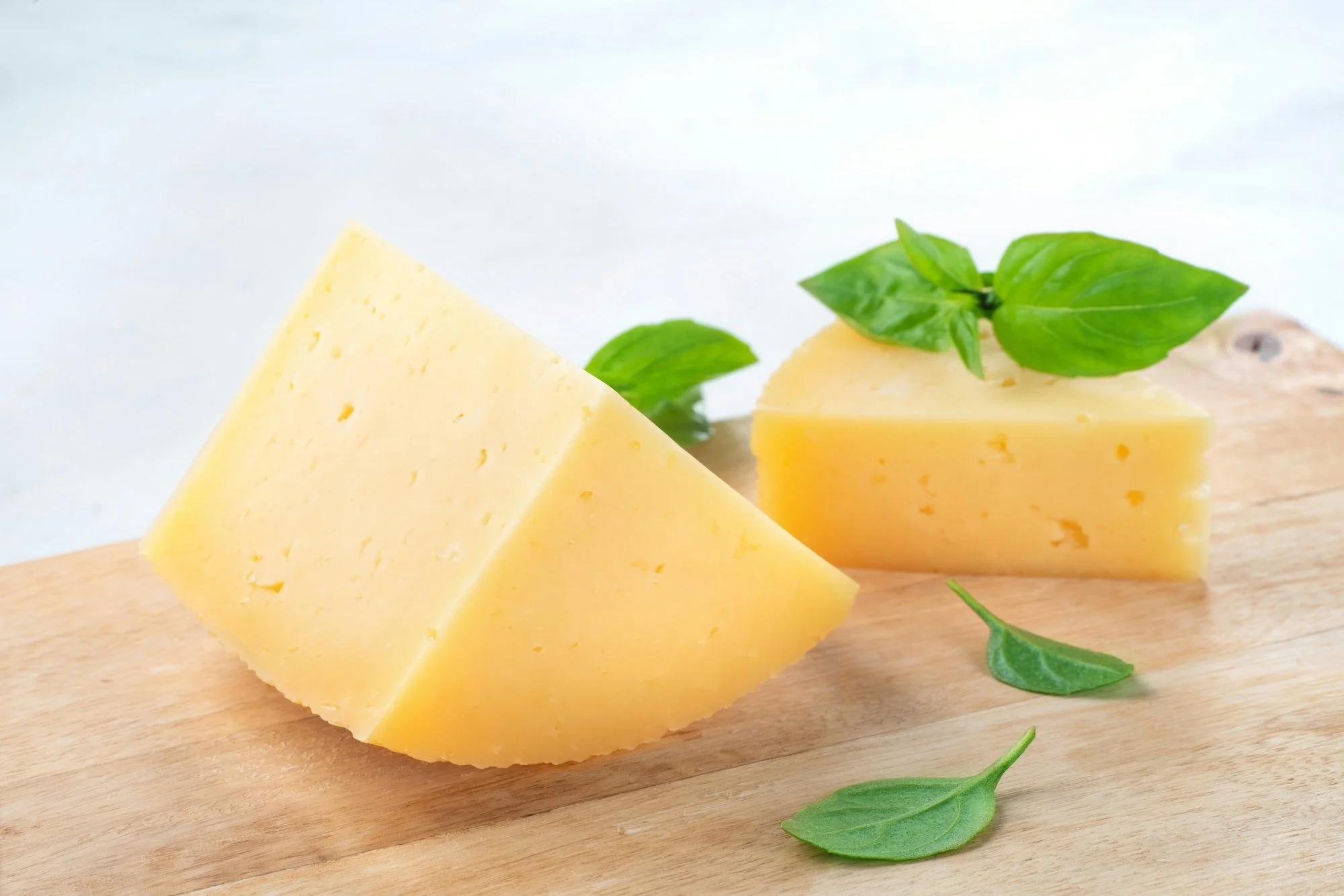
Wedges of Butterkäse
It’s the cheese, however, that really anchors the meal. The cheese is what elevates Abendbrot from a casual snack to something more sustaining. The combination of fat and protein offers real satiety and also keeps the acidity of the pickled items from completely overtaking the plate. While liberties can be taken with the type of cheese in an Abendbrot, that it should appear at all is non-negotiable.
For a classic approach to Abendbrot cheese, Butterkäse is the perfect starting point. This German cheese is mild, creamy, and often comes pre-sliced. Gouda is another staple that works well for the spread, as it’s also mild but a bit firmer, holding up to denser breads. For more character, Tilsiter offers a subtle tang and texture without overwhelming the other components.
One very important distinction: butter is usually spread onto the bread first, before it’s topped with sliced cheese. It provides a protective layer as well as moisture. In Berlin and its surrounding areas, a slice of bread with a spread, cold cuts, and vegetables is called a Stulle.
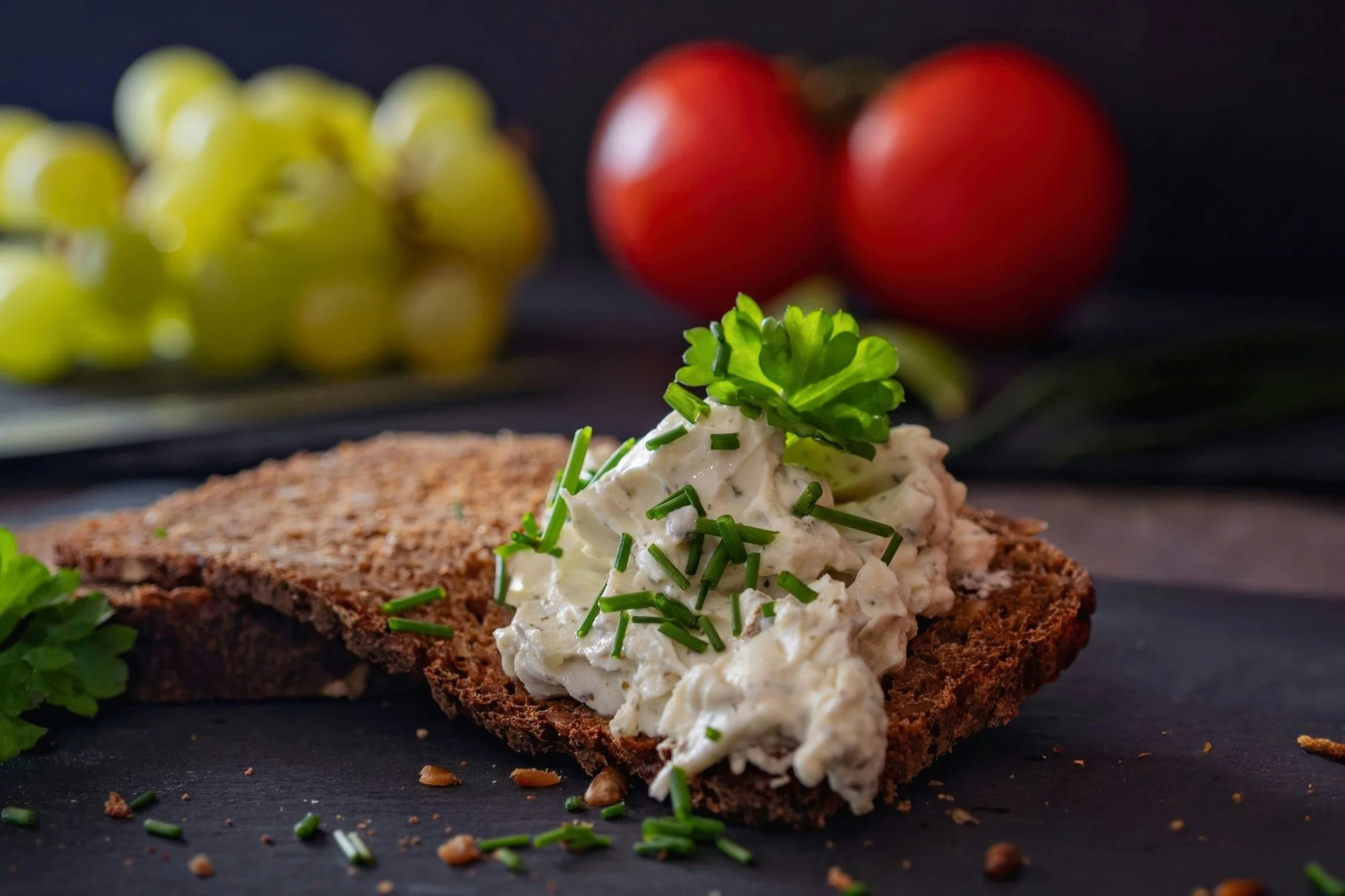
Frischkäse, or German cream cheese, on toast.
Mustard or cream cheese is often substituted as a lighter option. Frischkäse, or German cream cheese, has a lower fat content than American cream cheese, which is closer to 35 percent and much thicker. German cream cheese has a looser, more spreadable texture.
The Meats
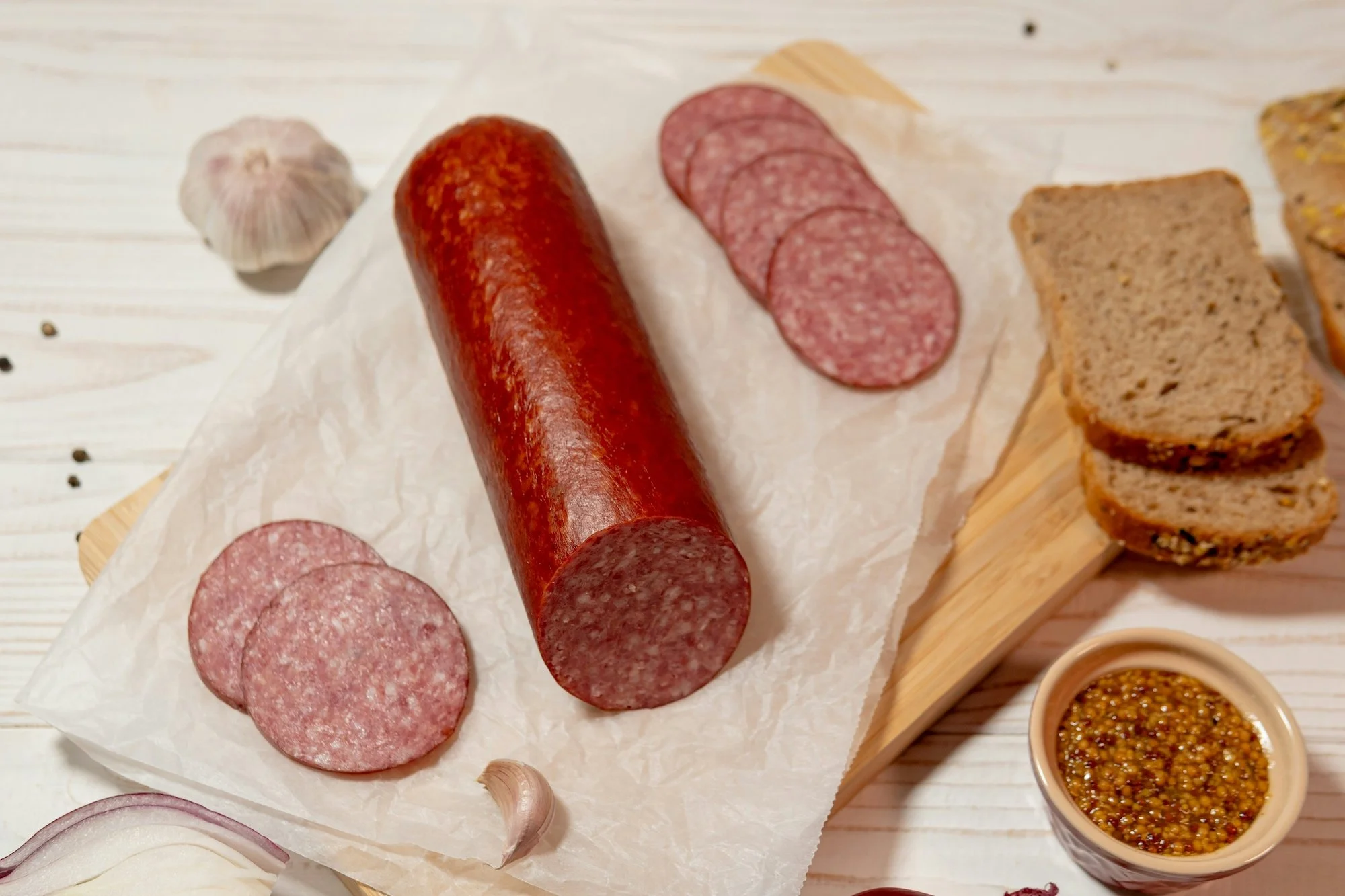
Meats are a cornerstone of Abendbrot. Photo credit Marshalok Brend
A German deli counter reveals just how seriously cold cuts are taken, and they’re a cornerstone of Abendbrot. Liverwurst (Leberwurst), quintessentially German and easy to find, is a spreadable pork sausage made primarily of pork liver. Black Forest ham, a dry-cured ham often cold-smoked over fir branches, offers smoky notes that work well with rich cheeses. If you can track it down, dry-cured, cold-smoked pork loin also comes highly recommended. Its name, Lachsschinken (salmon ham), refers to its smoked salmon-like appearance and texture. Salami, turkey slices, or mortadella are also perfect on an Abendbrot spread.
The Pickles
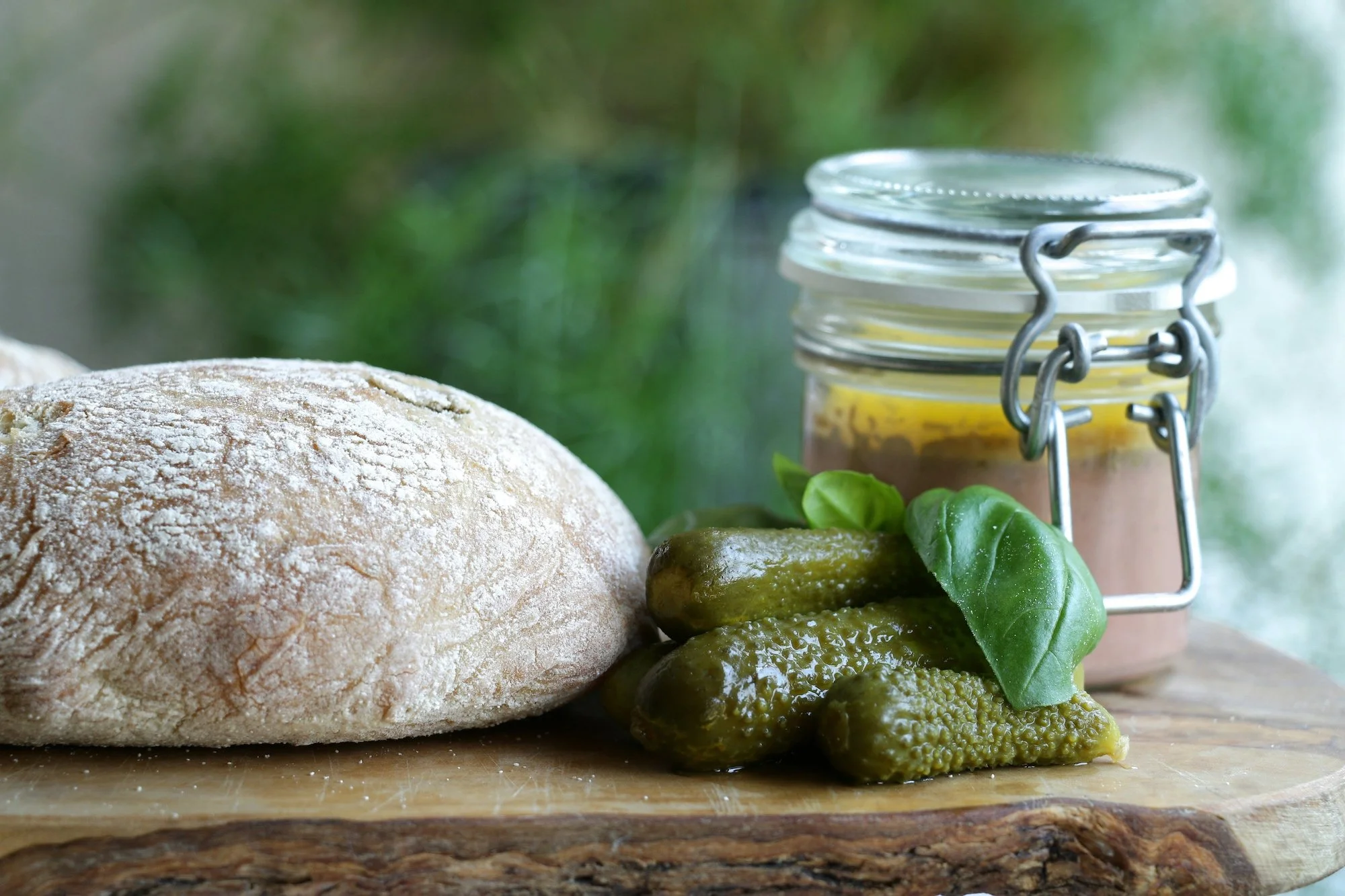
Pickles add a fresh contrast to the meal. Photo credit Pierre Bamin
Pickled cucumbers or root vegetables like radishes, carrots, and kohlrabi add texture and function to an Abendbrot assortment. As fiber-rich additions, they aid in digestion and help keep you satisfied through the night. Fresh cucumbers and red pepper slices are also common accompaniments that offer a fresh contrast.
The Enduring Appeal of Abendbrot
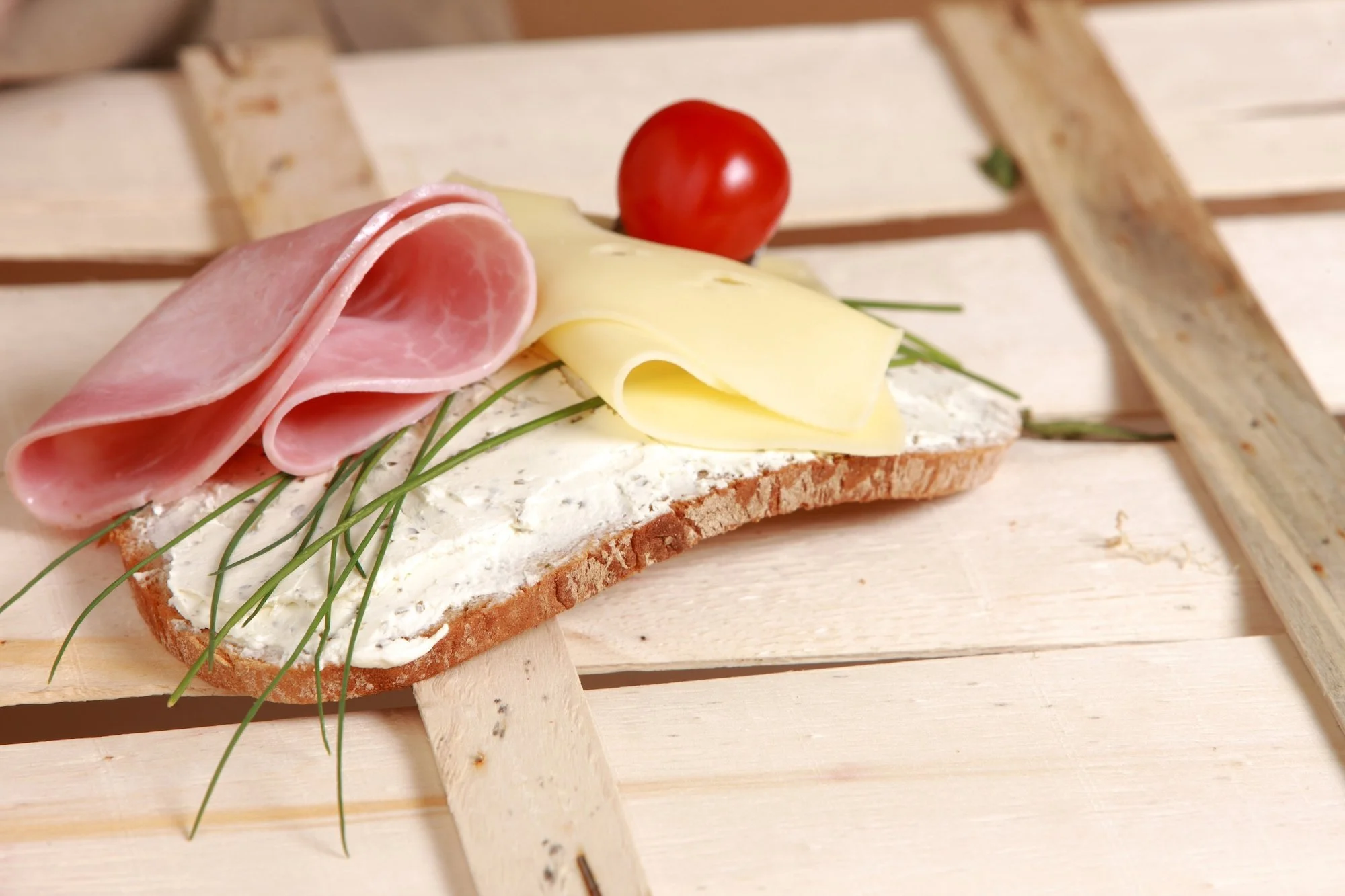
In Northern Germany, a slice of bread with a spread, cold cuts, and vegetables is called a Stulle.
The driving force of Abendbrot is simplicity. This is not the moment to whip out fancy cheeses and artisanal spreads. Abendbrot is meant to be as humble as it is filling. Buying simple, decent ingredients that will do the heavy lifting means that for dinner, you can remove the pressure to impress and just be present. Its democratic quality offers something for everyone — vegans, toddlers, and grandparents alike.
While younger generations are venturing away from strictly cold dinners, Abendbrot persists as both a meal and a ritual. As it adapts to accommodate healthier lifestyles and a wider range of dietary preferences, plant-based spreads have muscled their way onto the board. The rise of “girl dinner” and viral curated charcuterie boards echoes what Germans have long understood: when done right, a cold meal can be just as satisfying as a warm one. Even those who prefer warm dinners might still serve bread and butter to keep the ritual alive.
A loaf of bread, a few slices of cheese, and cold cuts are a reminder that dinner doesn’t have to be complicated to be complete.