
Yak Milk Cheese is Nepal’s Alpine Masterpiece
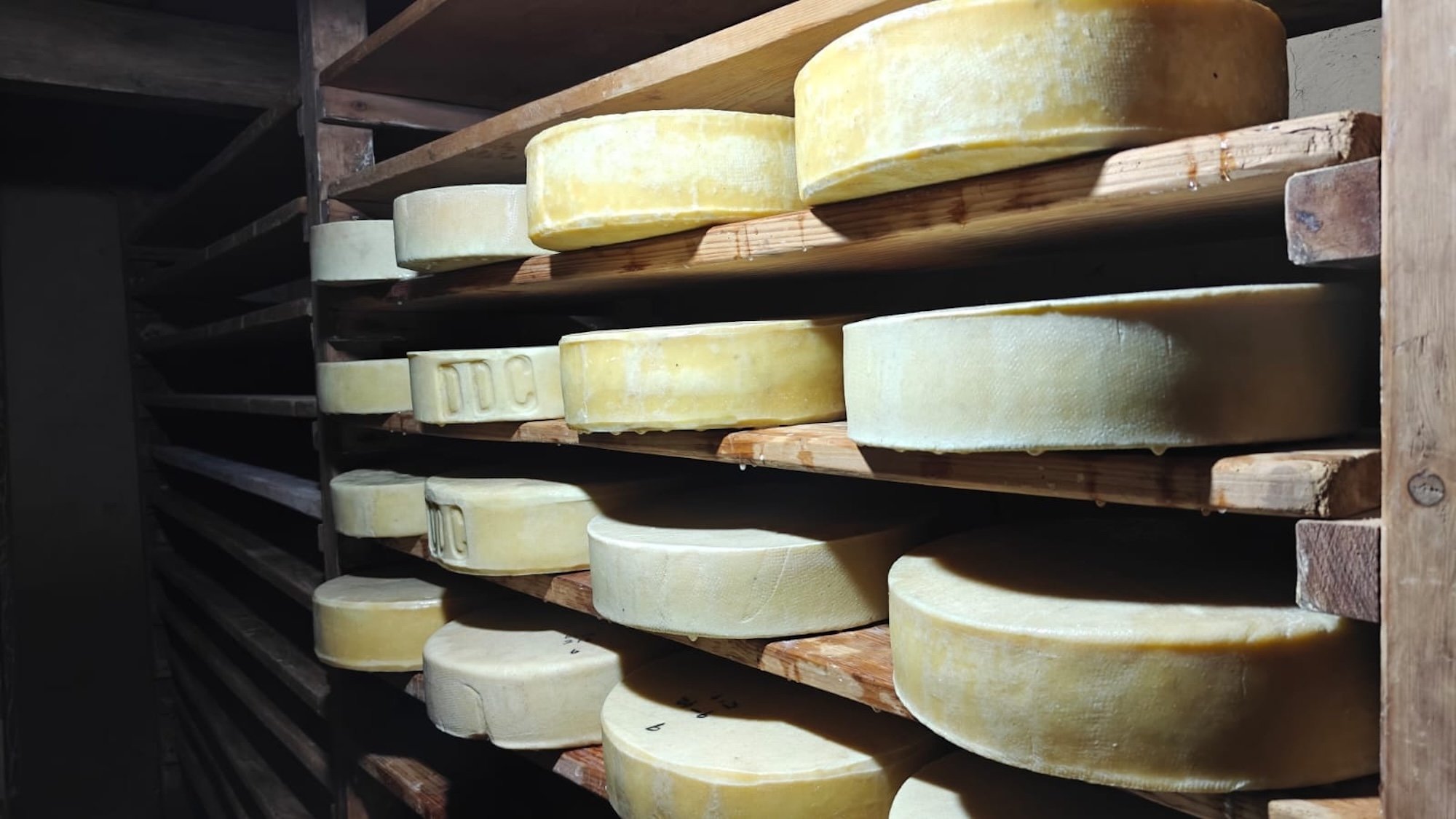
Yak milk cheese at Chandanbari
In most parts of the world, you can either walk, cycle or drive up to visit a cheese factory. But in Nepal, visiting a yak cheese factory means toiling through trails lined with pines and rhododendrons. Two such factories are located in Rasuwa district’s Langtang National Park. The Dairy Development Corporation (DDC), a state-owned enterprise established in 1969, has shaped Nepal's yak milk cheesemaking industry. Now, artisan entrepreneurs are changing the recipe.
History of European Style Yak Milk Cheese in Nepal
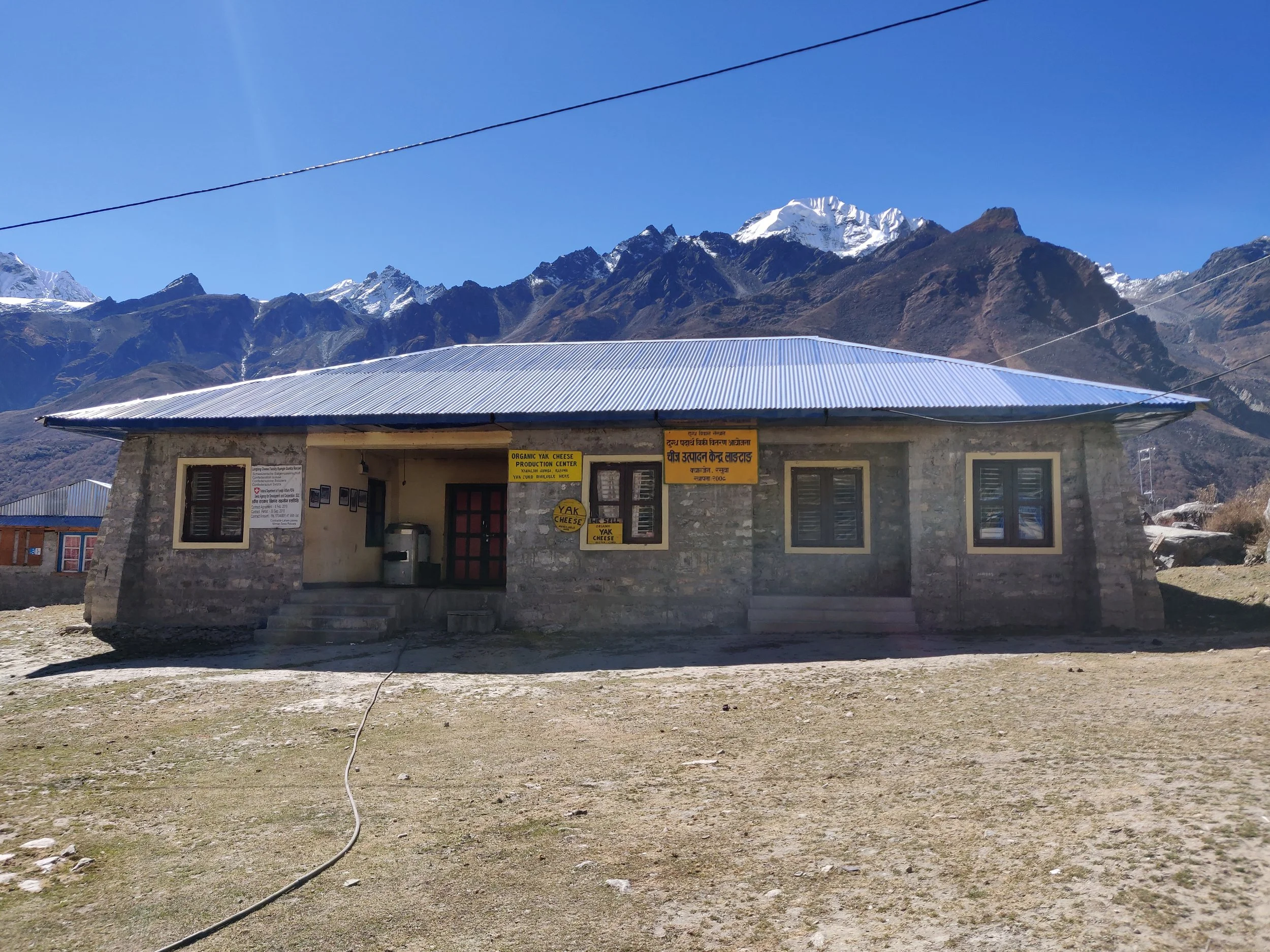
Organic Yak Cheese Production Center at Kyanjin Gumba
European style yak cheesemaking in the highlands of Nepal dates to the 1950s. Swiss experts introduced Swiss-style cheesemaking in Kyanjin Gumba (4,773 masl), in Langtang National Park.
“The setting up of the yak cheese factory in Nepal is within the relationship of Nepal and Switzerland, as part of a mountain diplomacy as these two are mountainous countries,” explains Francois Driard, a cheese entrepreneur in Kathmandu. “In the 1950s when the country opened [to international tourists], they realized that there was a dairy non-industry; there were yak herders in the mountains with no place to sell their milk.”
Traditionally in the Himalayas, yak herders make two products, Driard explains; chhurpi which is a dried, cottage-cheese-like product that’s light and doesn't melt, and yak milk cheese. Hard chhurpi is considered the hardest cheese in the world, and soft chhurpi made from either yak's milk or cow's milk.
The Chandanbari Facility
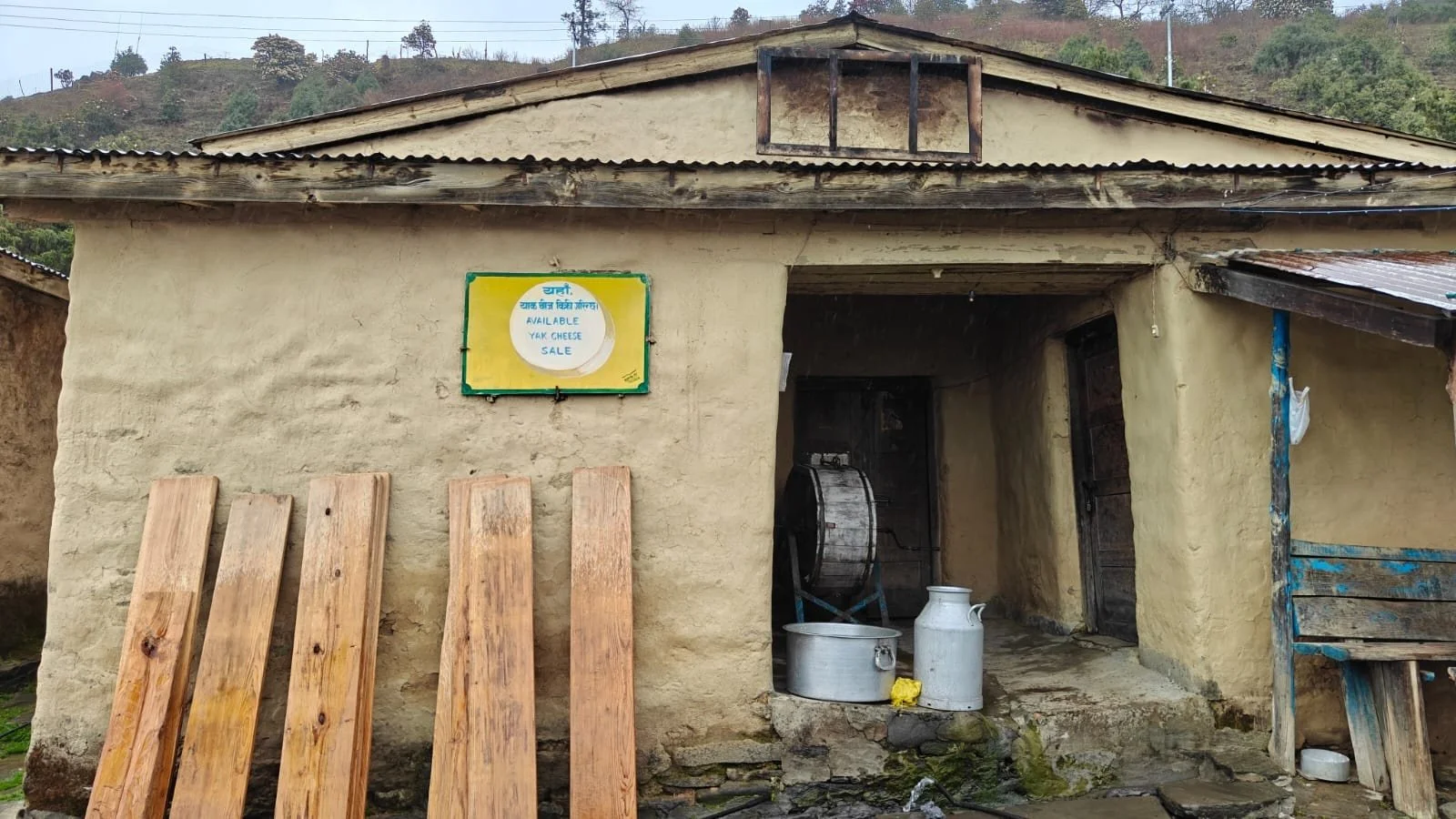
Chandanbari Yak Cheese Factory
To reach the Organic Yak Cheese Production Center at Kyanjin Gumba can take over two and a half days on foot from the nearest town. The other yak cheese factory in the region, at Chandanbari or Sing Gompa, is a shorter trek, but still over a day of walking. The DDC operates both these factories.
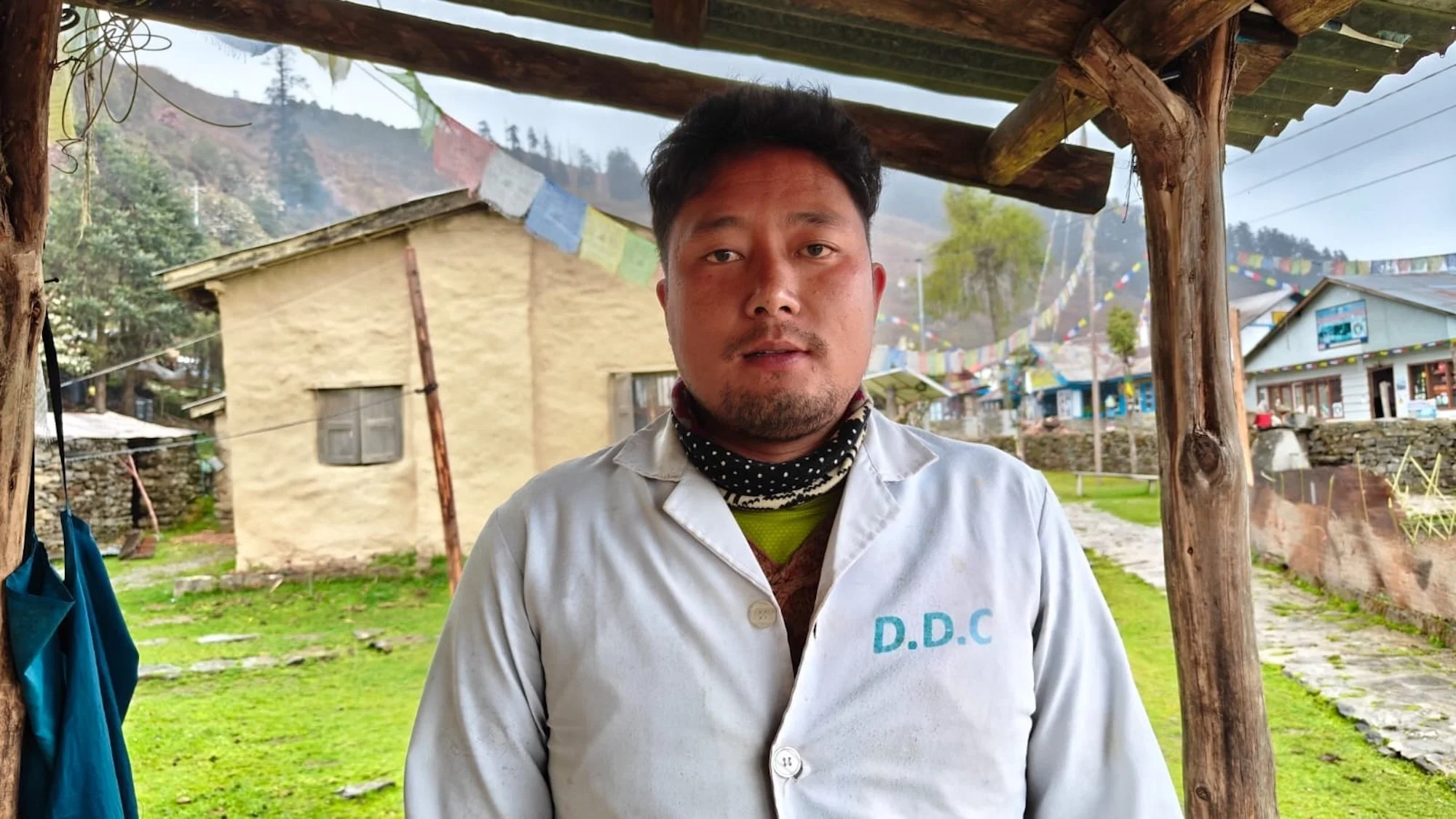
Cheesemaker Mohan Tamang
Mohan Tamang, 32, is the cheesemaker at the Chandanbari factory. He has been working there for over 12 years, having learned the ropes from his father Pemba Tamang, “who worked here for 32 years,” he tells us. “Because my father worked with this company, I also started working here.”
Arriving at the factory at 5 pm, we find rain and wind carrying a hill-cold at that altitude. In a corner shed, tens of empty milk cans lie tumbled out to dry. Tamang opens the lock to the room where water and milk are boiled. Its mud-coated walls are still warm from the daura, or wood fire.
Most months, cheesemaking happens inside the forests, following the movement of the farmers who graze chauris, a crossbreed of a male yak and a female domestic cow. “We follow the chauris, every season, wherever the grass grows,” explains Tamang.
Herders milk their chauris in the forests and deposit the milk at the closest goth, or milk collection center, locally named Dabrangunj and Mabrigyang. Cheese is made here before being carried down to Chandanbari for storage. For a few months each year (June-July, August-September), cheese is made at the factory itself.
Making Yak Milk Cheese
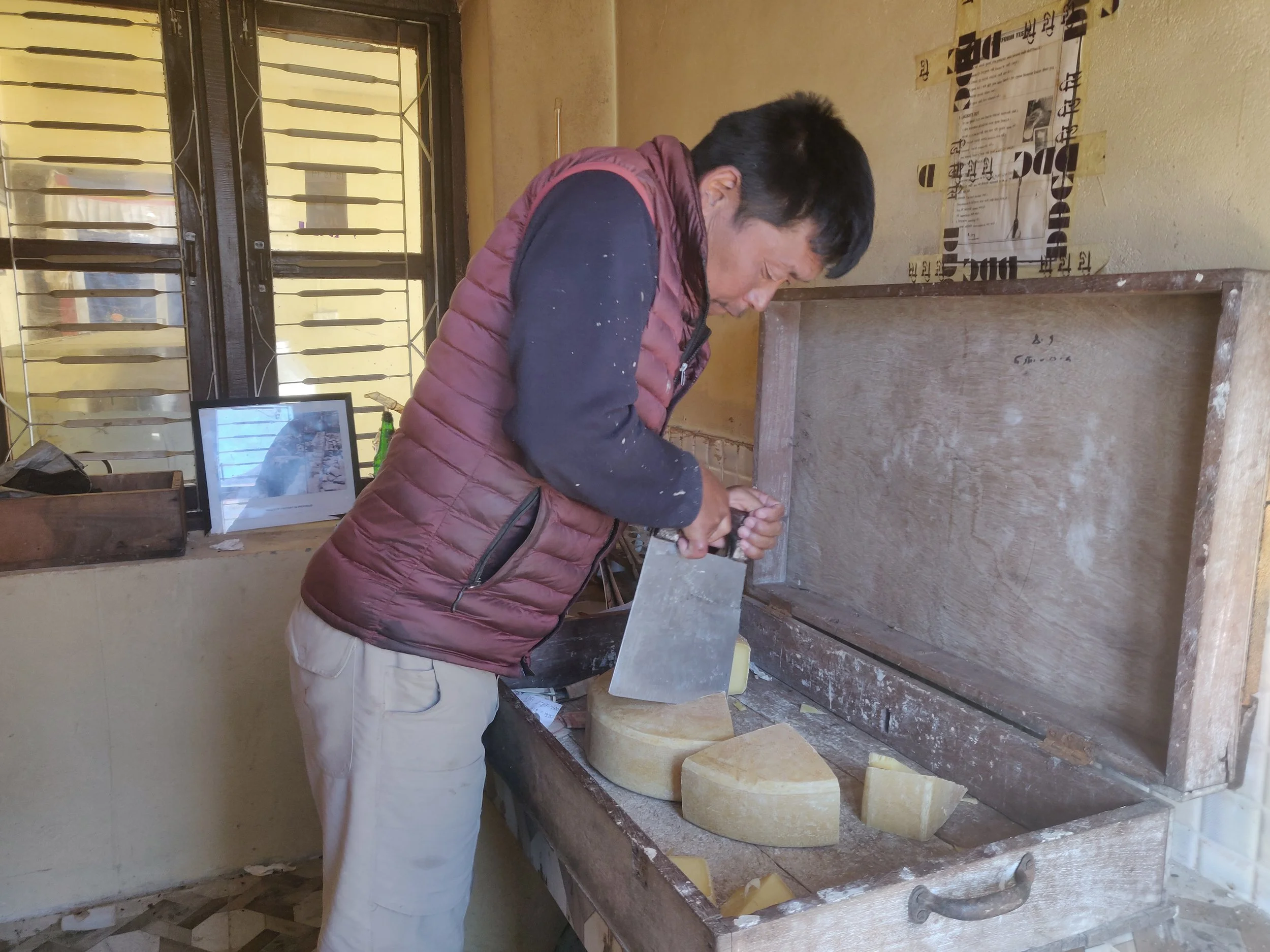
Cheesemaker at Kyanjin Gumba
At the Chandanbari factory, Tamang demonstrates how cheese is processed. Pointing at the vats, locally called jhyanga, he says, “We begin the day by boiling water in it.” Once the water reaches boiling point, milk cans are submerged into the containers, further boiling it over a wood fire until it reaches 159°F.
Next, the milk cans are cooled in a water tank, after which a fat separator removes half the fat. “For every 100 kg of milk, 50% of fat is removed, keeping 50% in cheese,” explains Tamang. Once culture or rennet is added, Tamang says, “the mixture solidifies in 15-35 minutes, and the milk curdles.”
It’s then cut into “maize-like pieces,” and stirred at intervals, with and without fire, for 1.5 hours. “If we remove the cheese too soon, whey can spoil it. If overcooked, it is difficult to mold,” explains Tamang. That expertise comes only with the “experience of being a cheesemaker for at least 2-3 years.”
Cheesemaking today is limited to two milk collection centers, down from three, as “the number of herders rearing chauris has decreased.” Today, only seven farmers around Chandanbari, who totally raise about 175–200 chauris, supply about 200–250 liters of yak milk.
In the adjacent room, the floor is wet, and the air damp and musty. Cheese is brined here for 48 hours and then placed on the shelves. It’s transported via donkeys to the nearest town Dhunche and on to Kathmandu. Each kilo of yak milk cheese is sold for Nepali rupees 1,800 ($12).
In Kathmandu, a different kind of cheese operation shows what the craft can look like when an entrepreneur shapes it.
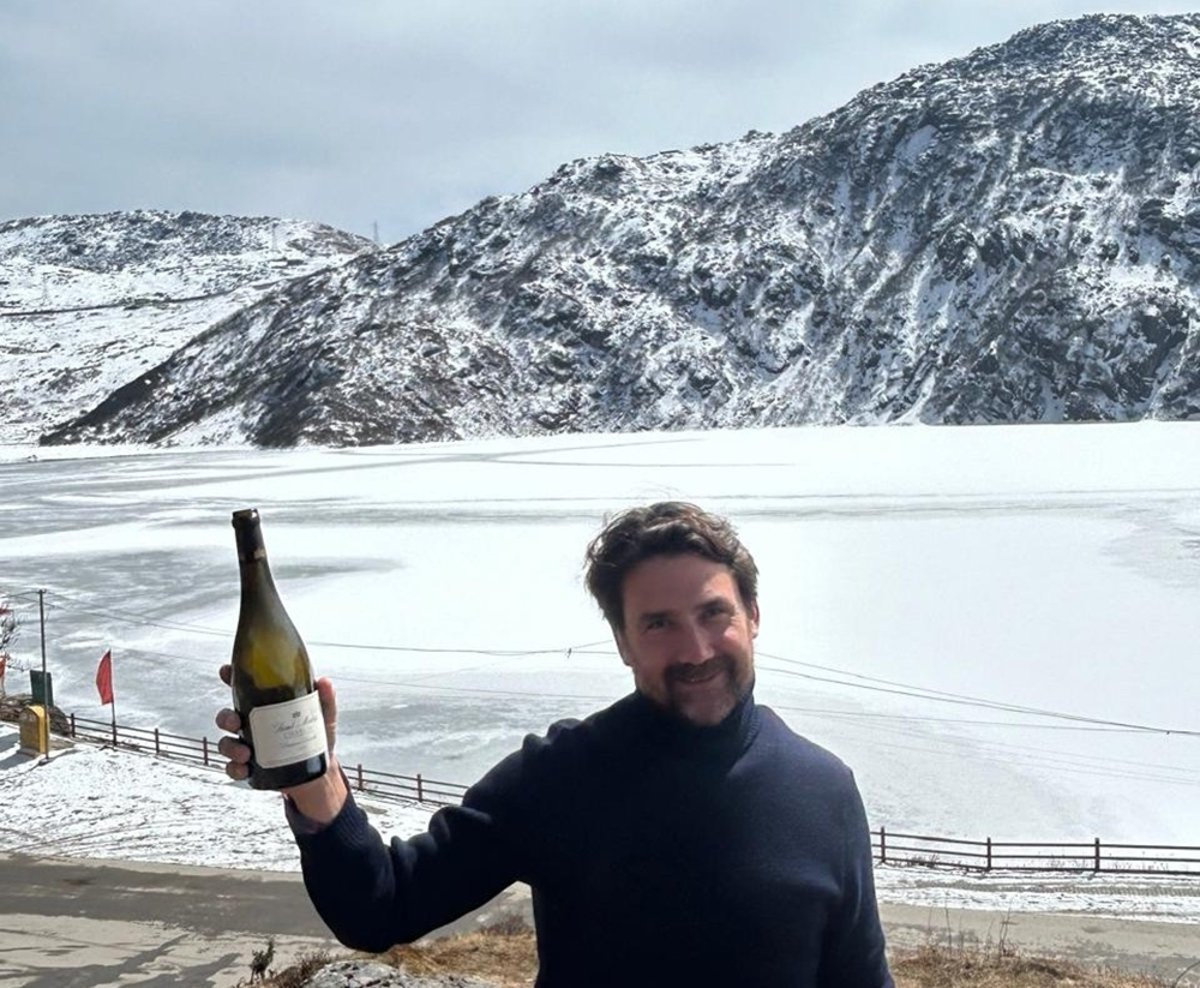
Francois Driard
Entrepreneur Francois Driard is also behind Kathmandu’s Himalayan French Cheese, an artisanal cheese shop known for its French-style recipes made with local Himalayan milk. He has a yak cheese factory in Serding (3.360 masl), in Nepal’s Ramechhap district, 140 miles from Kathmandu.
“Transportation being an issue for soft cheeses, since it takes us 10 hours to drive back to Kathmandu,” he says. Because of this distance, he specializes mainly in hard cheeses, characterized by low moisture, and a firm and dense texture.
The DDC moves cheese, not milk, down from temporary tents, “…because it makes more sense to carry the cheese than the milk,” explains Driard. Unlike the DDC, herders in Serding carry the milk in cans to Driard's factory each morning for making the cheese.
The season and altitude at which yaks graze, Driard explains, alter the flavor profile of yak milk. “We don't have the winter milk here in Nepal, like we have in Europe, where cows are fed dry fodder,” says Driard. “Here we have the spring milk, monsoon milk, and the autumn milk.”
“The higher the yaks graze, they feed on different flowers and mushrooms like yarsagumba (cordyceps). So, the cheese profile will be different. We tend to favor the cheese made in summer — the most difficult to make, because that's when the yaks are grazing above 5,000 masl.”
Ask Driard why he ended up making cheese in Nepal, and the answer starts back in France. “I'm French, so I love cheese, and that's why I came to Nepal to make cheese,” he says. Adding, “That's why I've got quite an advantage over others — I eat cheese at every meal. It's important for me. At every meal, after the main [course], we have a cheese platter served with bread and wine. And why do we have a cheese platter? Because we have hundreds of cheeses in France, and we don't want to choose, right?”
An Expanded Product Line
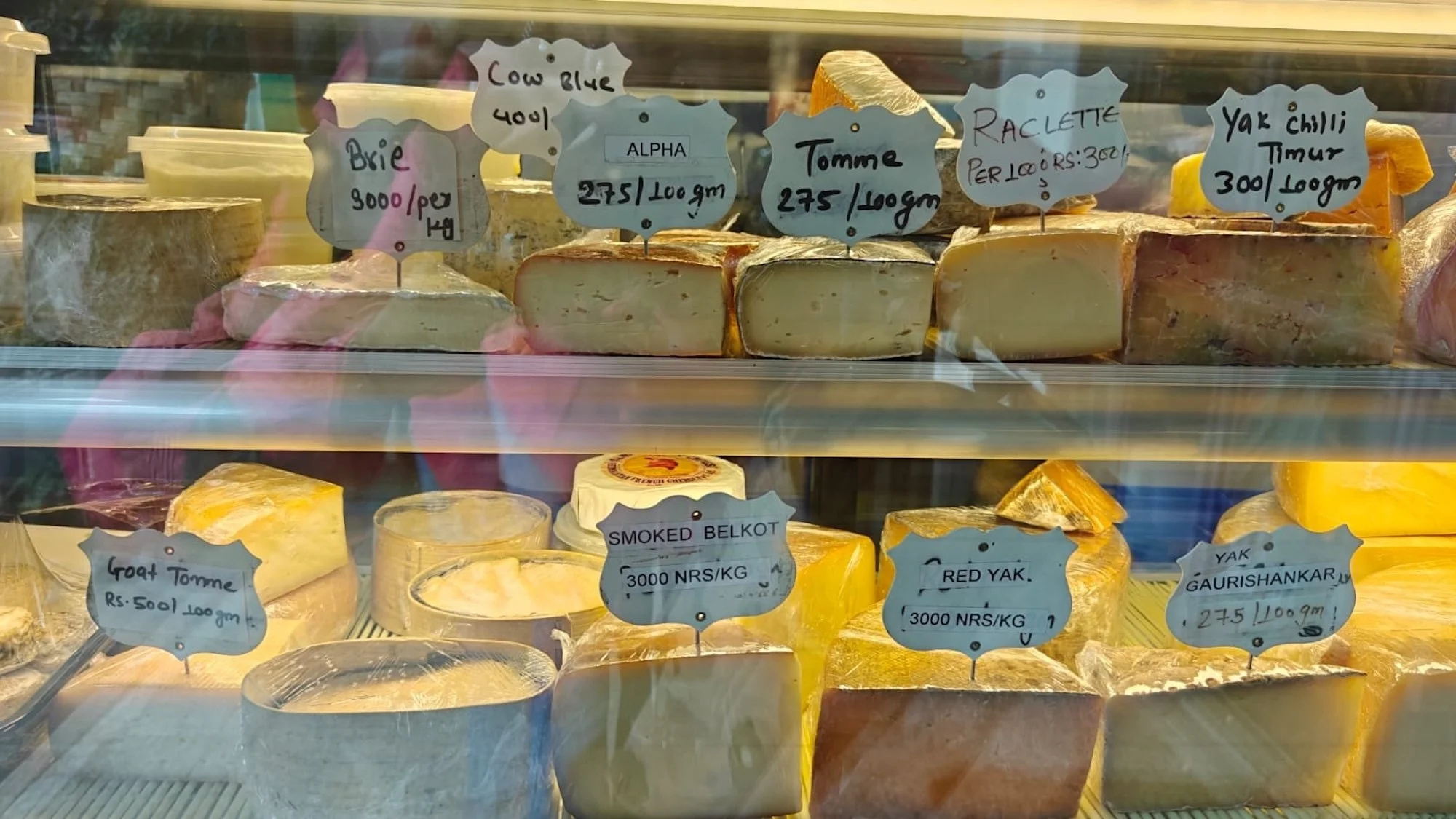
Himalayan French Cheese
That instinct for variety, for never having to choose just one cheese, shapes how Driard is growing his cheese offerings in Kathmandu.
“So here in Nepal, after so many years, I can give you a dry goat cheese, a creamy cow, a sharp yak, and a blue. I think, in Asia, that’s very rare, if it exists. And that took almost 20 years.”
Today, some of that diversity includes: Yak Cheddar, Red Yak, Chili-Timur Yak, Yak Tomme, The Old Sherpa, and Yak Blue.
The Chili-Timur in particular, has a distinct local origin story. “I designed it when I came back from Sichuan, after eating hotpot — which is basically Sichuan pepper and chili,” he explains. “I thought a combination of timur (pepper) and chili will work for the Nepali palate, because it's closer to their own perception of food.” It sells best young, when “it doesn't have too much taste of itself, as I call it, innocent — no sharpness, no smell.”
In 2019, Driard’s Yak Blue (made in Ramechhap) was awarded the Super Gold Medal at the Mondial du Fromage et des Produits Laitiers in France, drawing the world’s attention to Nepali cheese.