
Discover Jben: Moroccan Fresh Cheese
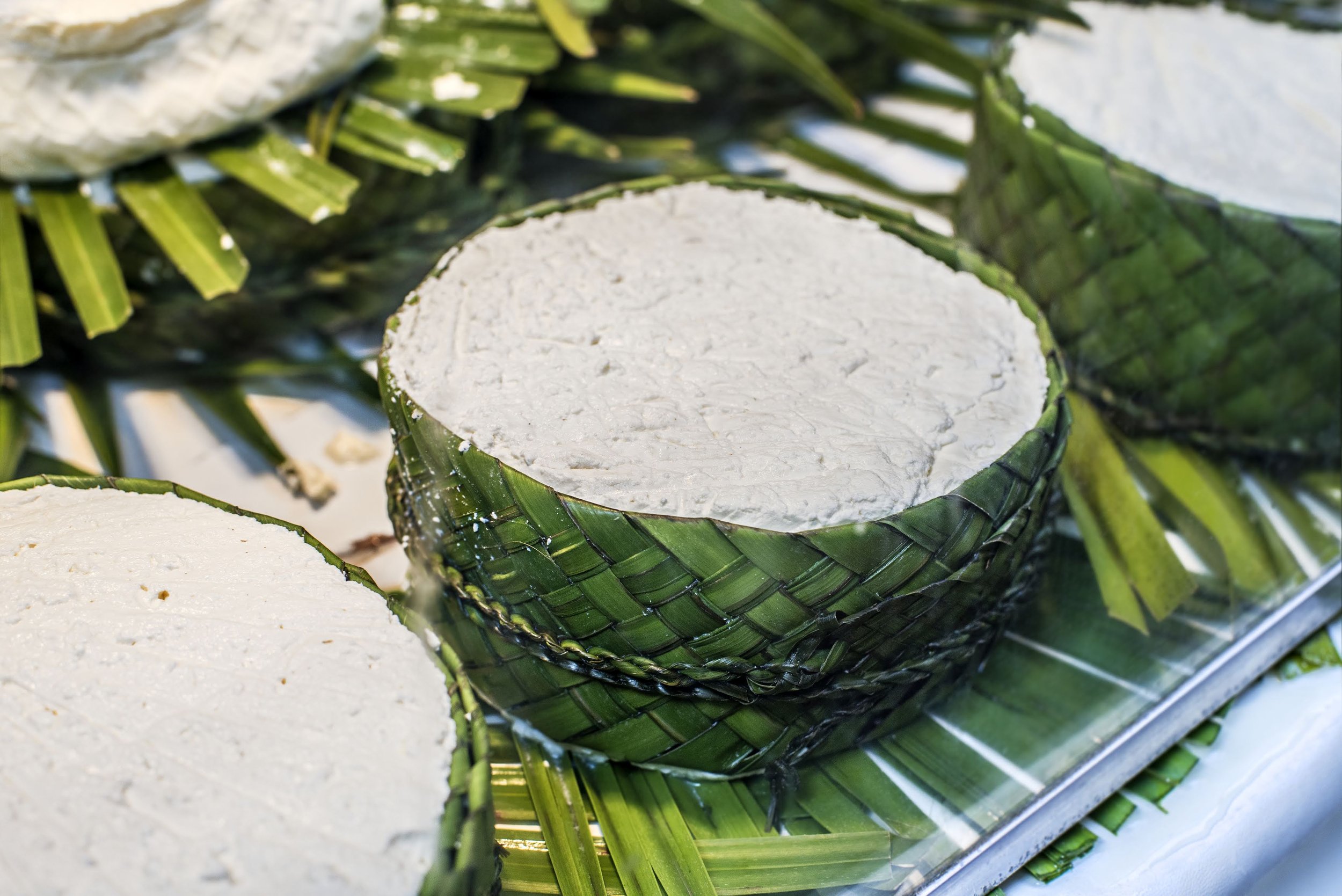
Jben, Moroccan cheese
For many Moroccans, the taste of jben is nostalgic. It brings back memories of home kitchens, early mornings, and traditional Moroccan hospitality. This simple, everyday cheese hasn’t changed much over the years, either. It’s still made with basic ingredients and ancient techniques to respect Moroccan traditions.
As you’re not likely to find it in international markets, your first taste on a trip to Morocco may introduce you not only to a tasty cheese, but an important part of the country’s culinary history.
A History of Jben

Chefchauen, the blue city
Jben originates in northern Morocco, particularly in the Rif Mountains and around Chefchaouen, the city famous for its blue walls. The hillsides and pastures in the region are perfect for grazing animals, and have long supported small-scale dairy traditions.
Historically, women in the region made jben to preserve milk and feed their families, selling any extra at local markets. These cheesemaking traditions began before modern refrigeration, and jben’s freshness is still central to how it’s made and consumed. This has always been a cheese produced in small batches intended for immediate consumption. The technique likely came from soft-cheese traditions elsewhere, but jben has developed its own identity through taste preferences and cultural uses.
Over time, jben became a market staple. Visitors to the region would see women walking through cities like Chefchaouen with their arms full of freshly pressed cheese, each round wrapped in palm leaves for protection, a practice that continues.
Today, jben is recognized for its cultural and gastronomic importance. Goat’s jben from Chefchaouen has even been added to the Ark of Taste, the Slow Food Foundation’s effort to catalog heritage foods at risk of disappearing around the world. The recognition highlights how closely the cheese is tied to the landscape. In the meantime, artisanal producers maintain traditional methods while playing with new flavors to boost jben’s accessibility and international profile.
“In Morocco, jben carries emotion inside homes,” says Azmi Anees of the Halal Foundation. Anees has conducted fieldwork in the Rif and Fès regions of Morocco to document local halal dairy preparation methods, interviewing families who continue to practice ancient methods of jben production. “It represents purity, freshness, and connection to land and faith,” he adds.
How Jben Is Made
Warm milk
Add coagulant
Drain curds
Salt and/or wrap in palm leaves
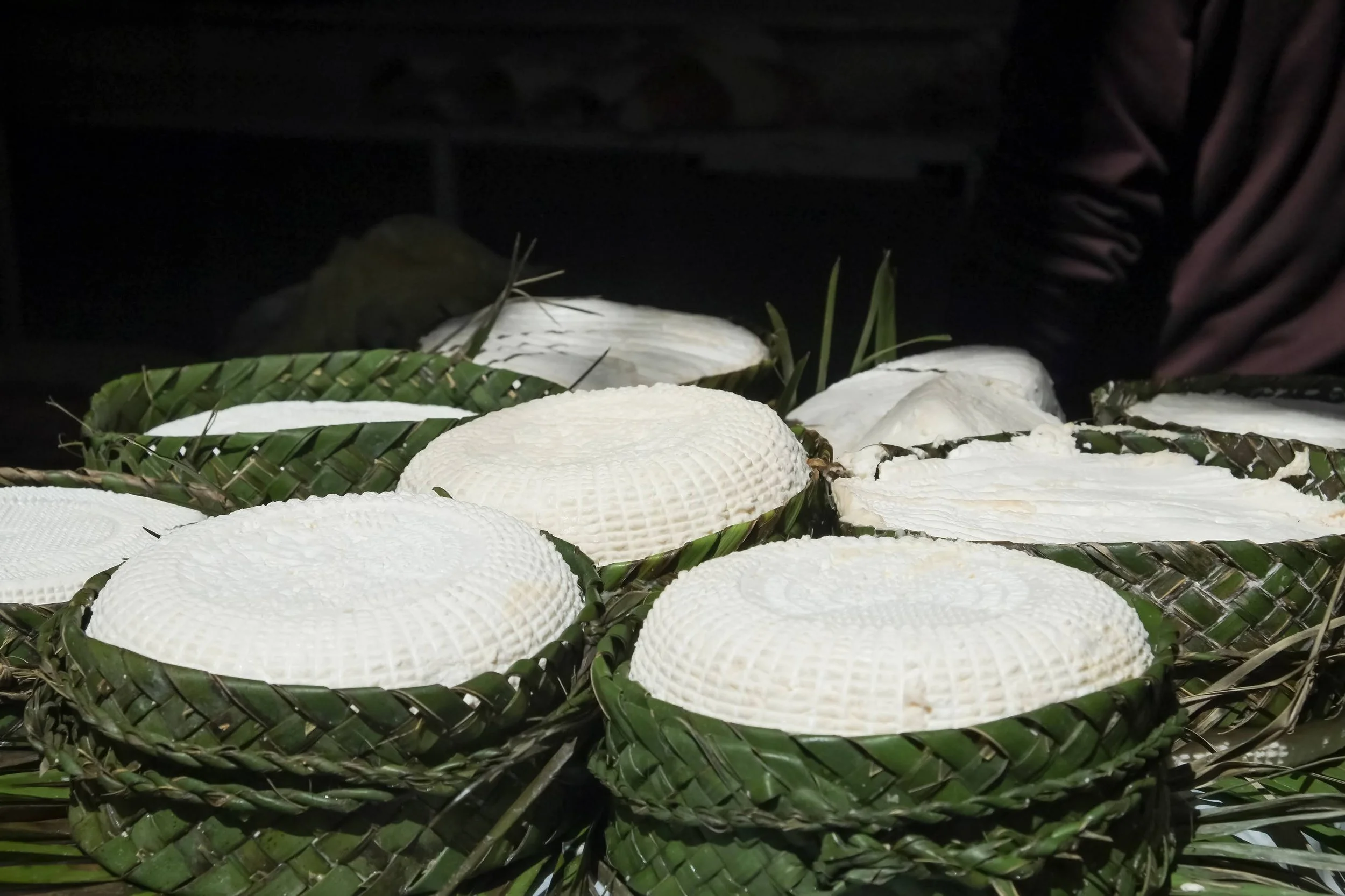
Jben wrapped in palm leaves
Traditionally, jben is made using only milk, rennet or acid, and salt. That’s all. Cow’s milk, goat’s milk, or a blend of the two may be used, depending on what’s available and the desired flavor.
Fresh milk is gently warmed, never boiled, to preserve its natural sweetness and creaminess. A coagulant is added, traditionally animal rennet, although many home recipes skip this step in favor of buttermilk. The milk separates into soft curds and whey.
Once formed, the curds are ladled into a cheesecloth or fine strainer. The whey drains slowly, often overnight. The curds are gathered and pressed lightly into smooth rounds. Depending on the producer, they may be salted at this stage. Some wrap it in palm leaves, the classic method in Chefchaouen markets, or cloth, more common in households for short-term shortage.
Depending on where it’s made and the cheesemaker’s preferences, there may be some nuance in the final product. Some cheesemakers like goat’s milk for its sharpness, while others prefer cow’s milk for a smoother product. The blend of both milks is popular, too, as it keeps the cheese creamy while adding a light tang from the goat’s milk.
Freshness remains essential, no matter how a cheesemaker tweaks their base. Jben is usually eaten within a few days of production. Refrigeration extends its life a little bit, but most Moroccans agree it tastes best the day it is made.
Taste and Uses in Moroccan Cuisine

Briouates
Jben sits somewhere between cream cheese, ricotta, and feta in terms of texture and flavor, but variations by cheesemaker influence both. Most versions tend to be quite mild. The texture depends on how long the cheese was left to drain and the ratio of milk used. Freshly made jben can be spooned, almost like a thick yogurt, but after a day or two, it firms up into a more sliceable, but still soft, cheese.
Breakfast is jben’s most important role. Anees says it’s most often served at morning meals with warm khobz bread, honey, or olive oil and shared among family and neighbors. It’s so essential in rural breakfasts that it’s also often eaten during ftour, the meal that breaks the fast during Ramadan.
Jben’s versatility means it shows up in more than breakfast, though. It can be a creamy element in salads or incorporated into traditional savory pastries, like briouates. Modern chefs may whip it into mousses as a substitute for ricotta or mascarpone or mix it in with tomato-based sauces.
Where to Find Jben
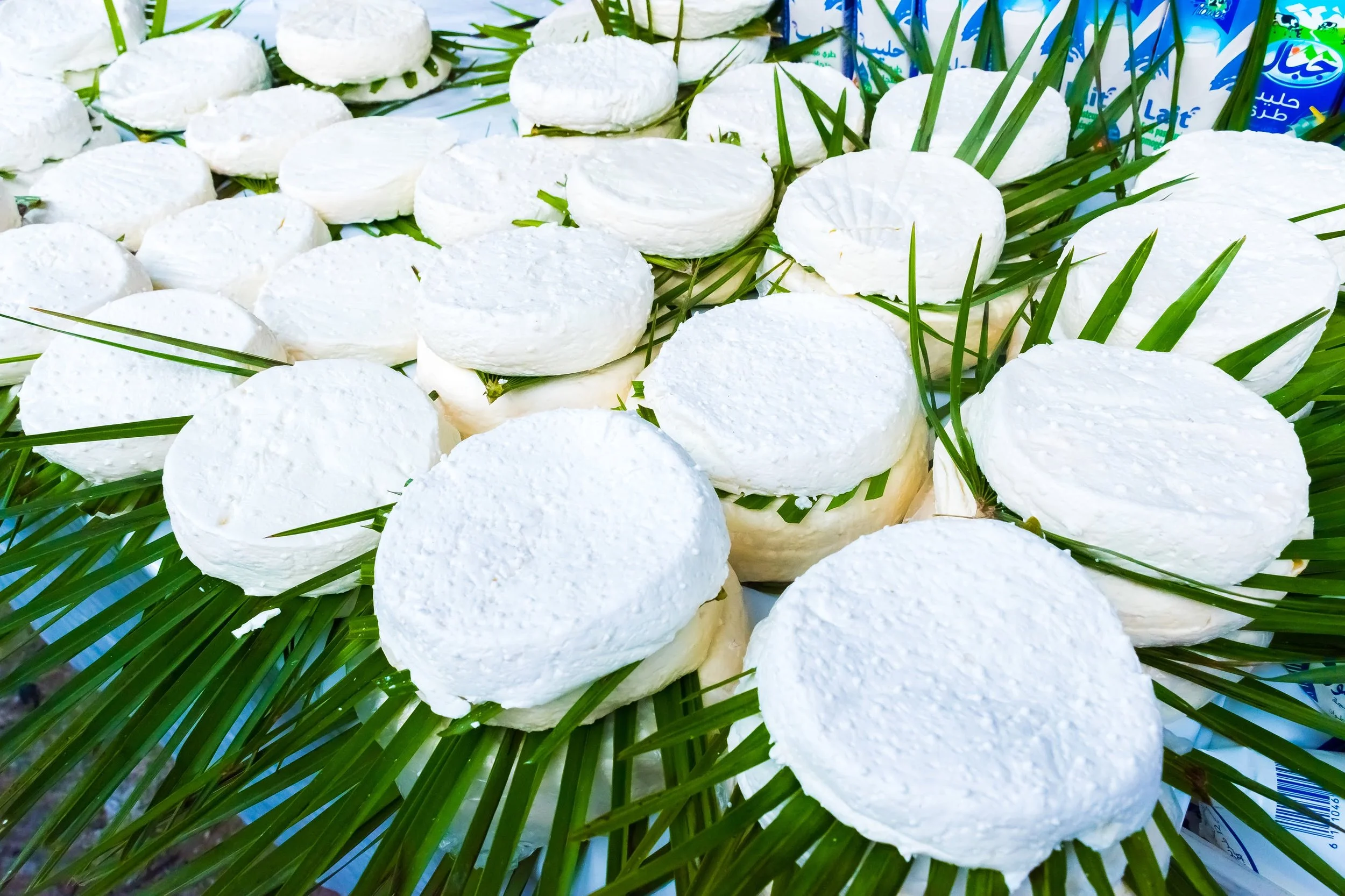
Jben at a market
The best jben is still found where it began: in the markets of northern Morocco. In Chefchaouen and the mountain villages of the Rif, the small white rounds are a common feature of morning markets. Visitors often sample the cheese alongside local honey and olives, giving the experience a unique sense of place.
Outside Morocco, jben is harder to find. Moroccan groceries and specialty shops carry it sometimes, but fresh versions are rare. That may be intentional, though. Jben carries a deep cultural meaning. In many northern households, guests are welcomed with bread, tea, and jben as a gesture of their hospitality. Seeing it for the first time in this context is a meaningful Moroccan experience.