
9 Austrian Cheeses You Should Know

Austria photo credit Tom Def
Traditional Austrian cheese is deeply tied to the country’s long-standing dairy traditions and shaped by its diverse geography. From the country’s alpine pastures to the rolling lowlands, these are cheeses that reflect artisanal practices passed down through generations.
While modern, large-scale cheese production has moved to harder varieties, smaller dairies and farms continue to specialize in robust, unique cheeses defined by regional terroir. A unique feature is that many of the best mountain cheeses are still heumilchkäse varieties, or cheeses made using hay milk. The traditional method means cows are fed only on fresh pasture grass, herbs, and hay, and never silage or fermented feed. It’s a way to preserve the natural flavors of the Alpine regions, and to allow those tastes and aromas to come through in the cheese.
This guide highlights Austria’s most notable cheeses, with insight into their production and the regional traditions that sustain them.
Alpkäse
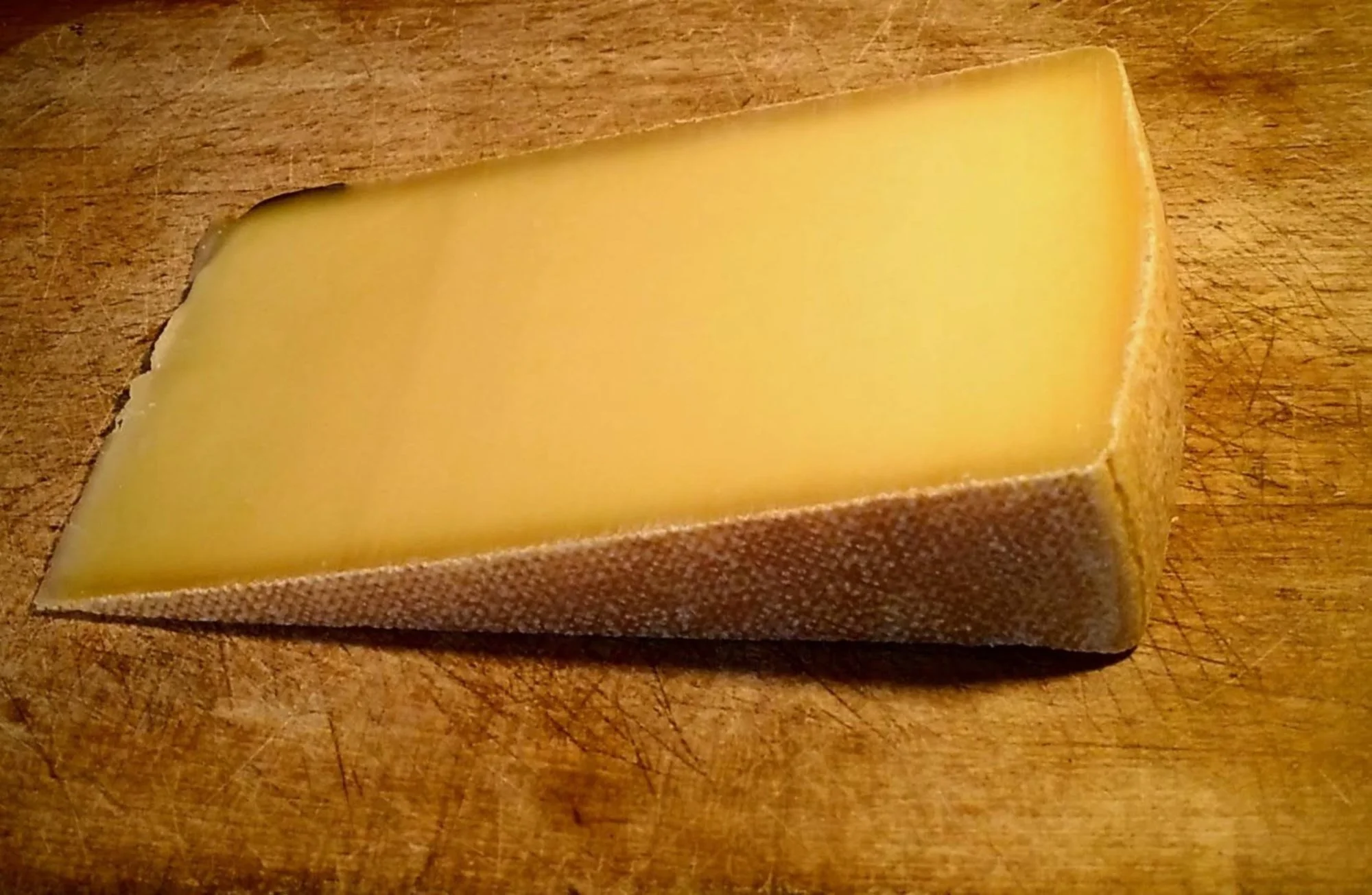
Alpkäse
Alpkäse is a seasonal hard cheese made only in the summer months when cows graze on high alpine pastures. This contributes to the unique flavor profile of the cheese, although there are some flavor similarities across the cheeses on this list.
“Austrian cheese lies somewhere between the strongly flavored high-alpine Swiss and French cheeses and the mild, rounded, spicy to milky flavor of Mediterranean Italian cheeses,” said Karl Fraißler, a council member and Austria representative with the Farmhouse and Artisan Cheese & Dairy Producers European Network (FACEnetwork). Overall, the cheese “has a distinctive, slightly spicy character and therefore pairs very well with the region's fruity wines,” he said.
Mountain dairies tend to produce their own variations of Alpkäse, with differences in taste and texture depending on altitude, local techniques, and what their cows are actually eating. For most, that means fresh alpine herbs and grasses, although plant flora differs by region.
PDO varieties include Tiroler Alpkäse, produced in the Tyrol region, and Vorarlberger Alpkäse, produced in the alpine meadows of Vorarlberg. This tangy, herbal cheese is often enjoyed sliced on a cheese board with fresh fruit, nuts, and Alpine honey, or as part of traditional gratin dishes.
Bergkäse
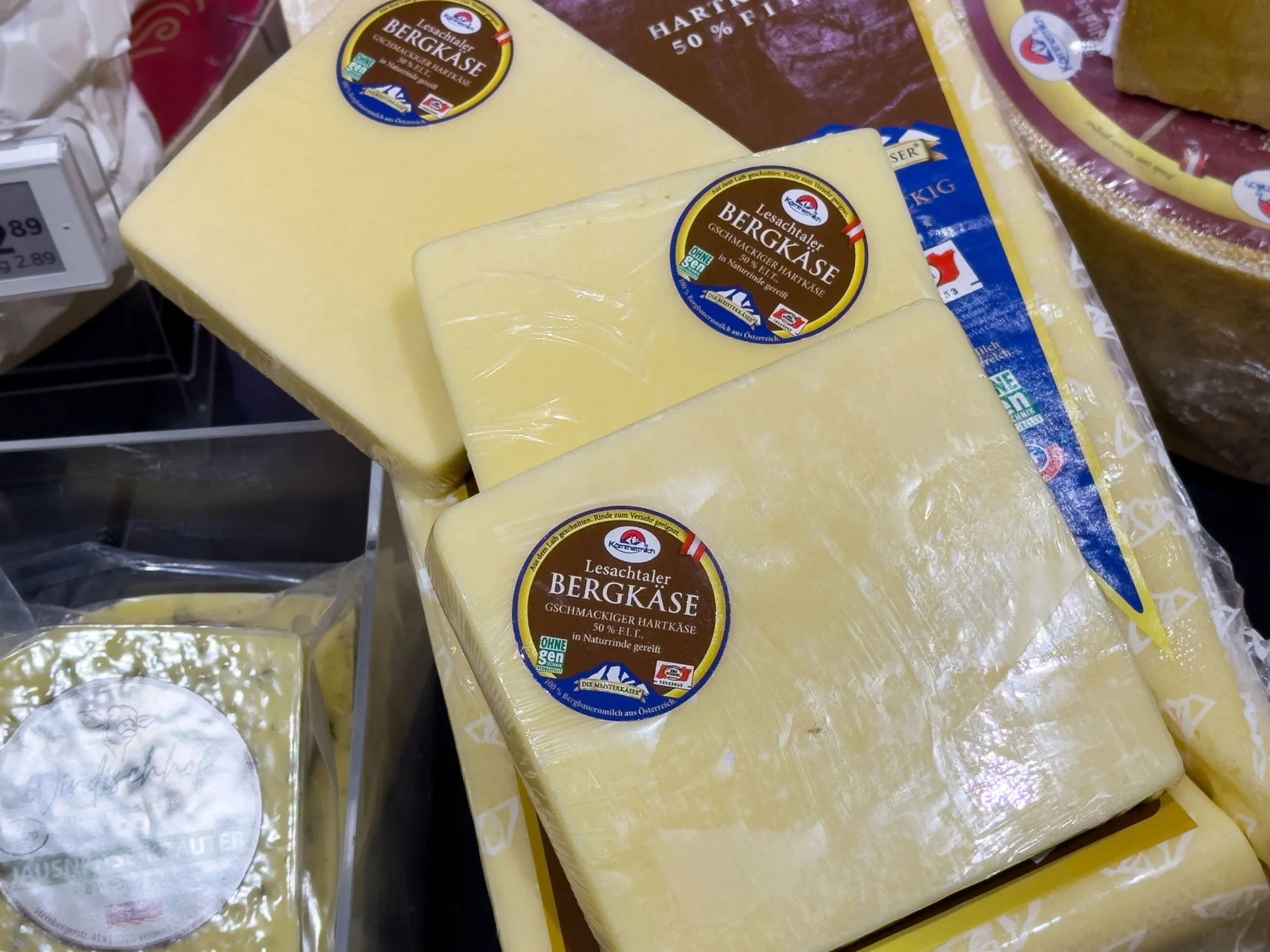
Bergkäse
Bergkäse, or “mountain cheese,” is a semi-hard cheese traditionally made from hay-fed raw cow’s milk. Unlike Alpkäse, these cheeses can be made year-round, often from milk sourced from lowland farms during the winter months. (That means all Alpkäse is Bergkäse, but not all Bergkäse is Alpkäse, as Bergkäse isn’t limited to summer alpine grazing!)
This cheese is produced in large wheels and aged to develop a firm, pale yellow paste and a robust, nutty flavor. The long alpine grazing season gives the milk notes of wild herbs and flowers, which can add complexities to the end result.
Tiroler Bergkäse is a PDO variety made exclusively in the Tyrolean Alps. Its production is more strict and regulated, including specific curd handling and aging practices that highlight the terroir of Tyrol. Vorarlberger Bergkäse is another PDO variety made in Vorarlberg, in western Austria.
While generic versions are certainly more widely available and still flavorful, the PDO versions are defined by specific methods and complex flavors. Bergkäse pairs well with rye bread, and can also be blended into traditional dumplings like käseknödel or pan-fried kaspressknödeln.
Ennstaler Steirerkas

Ennstaler Steirerkas
Ennstaler Steirerkas is a PDO-protected sour milk cheese produced in Styria, a region of Austria bordering Slovenia. Made from raw, hay-fed, skimmed cow’s milk, it’s a matured, low-fat cheese that reflects centuries-old farmhouse cheesemaking traditions.
This one is similar in production style to Graukäse, another cheese on this list. The milk is naturally acidified, curdled, and lightly pressed, then left to mature over several weeks. During that time, it develops a surface layer of green or white mold. The inside is marbled like a classic blue cheese, and the texture is crumbly. Thanks to that maturation process, the result is intensely earthy and tangy. Some producers add herbs, spices, or alpine berries into their recipes.
Ennstaler Steirerkas is traditionally served on top of fresh buttered bread, but you may also find it over pasta and salads or as a filling for savory pancakes or dumplings.
Gailtaler Almkäse

Gailtaler Almkäse
Gailtaler Almkäse is a hard raw-milk cheese produced on alpine pastures in Carinthia’s Gailtal valley. Historically, the cheese was produced by mountain farmers as a way to use milk during the summer grazing season. Its production remains closely tied to the tradition of transhumance, or moving cattle to high pastures in the summer months.
Today, this PDO-protected cheese, which is also in the Slow Food Ark of Taste continues to follow traditional production methods. Made primarily from raw cow’s milk, some artisanal producers add a small proportion of goat’s milk to enhance its flavors. The milk is gently warmed and curdled with rennet, the curds are cut and pressed into large wheels, and it’s all salted and aged in cool mountain cellars for up to a year. The result is a rich, nutty cheese with a firm, slightly crumbly texture. It’s most often served sliced as an appetizer or on cheese platters, or grated over alpine dishes and casseroles.
Mondseer
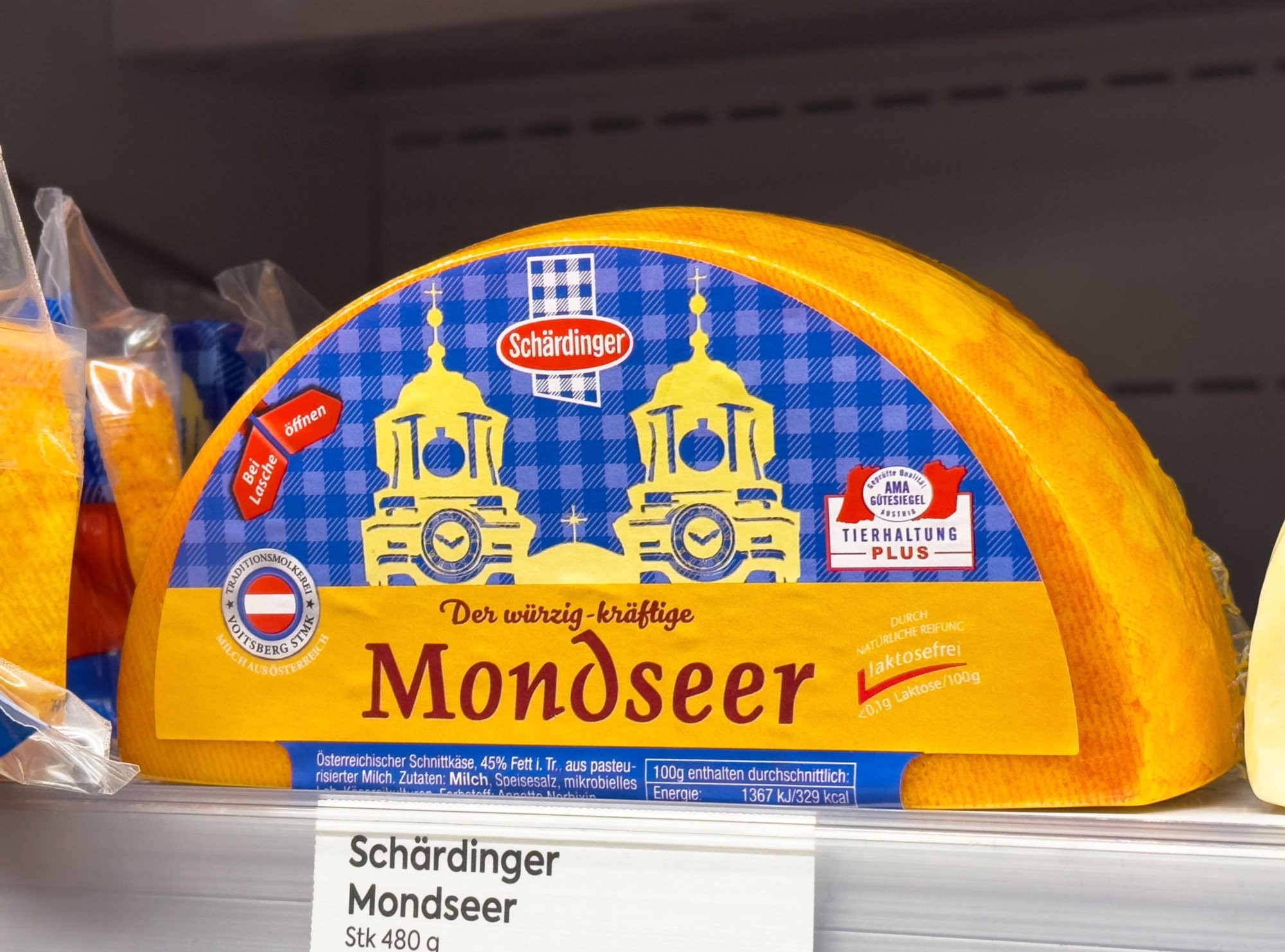
Mondseer
Mondseer is a semi-soft washed-rind cheese made from pasteurized cow’s milk. Its origins are unclear, but most claim that it comes from either Salzburg in the 1810s or the town of Mondsee around 1830. Cheese lovers tend to either love this one or hate it. Its strong aroma is often compared to a slightly more approachable Limburger, but visually and texture-wise, it’s similar to Muenster. Its flavor is tangy, creamy, and even sometimes a little spicy.
Production on this one involves brining and regular washing to grow the bacteria responsible for its orange-red rind. It’s traditionally sold in wheels or blocks. Mondseer is paired most often with crusty bread, fruit, or in cheese salads, but it also melts well, making it a good choice for sandwiches and gratins.
Österkron
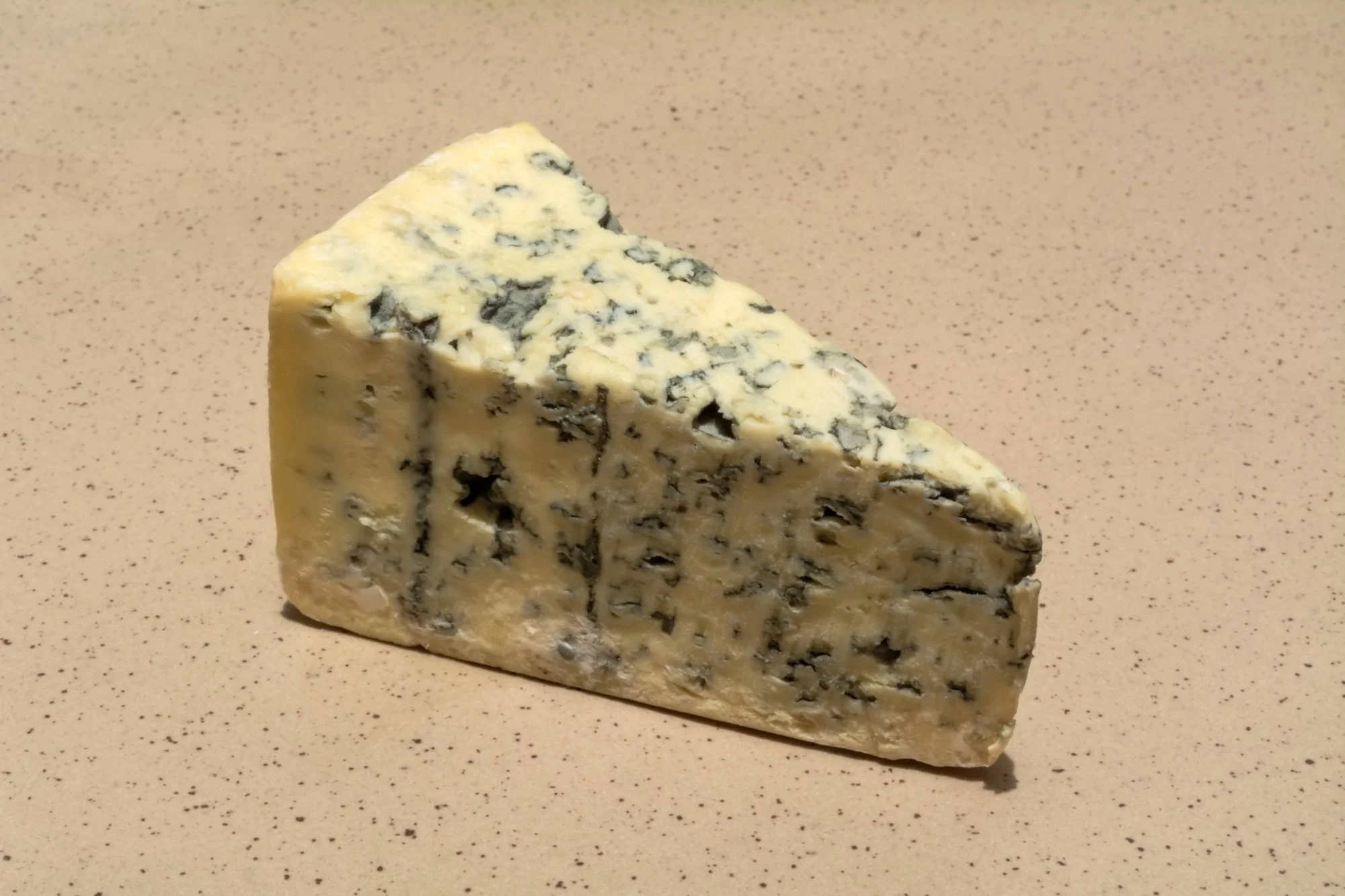
Österkron
Österkron is one of Austria’s most popular blue cheeses. Produced mainly from pasteurized cow’s milk, this mold-ripened cheese is visually distinct from the others with blue-green veins that run throughout. The production process is similar to that of other blue cheeses. The milk is first curdled using rennet and starter cultures, then cut and drained to form curds. Salt is added to enhance its flavor and preserve the cheese. The curds are inoculated with mold for those distinctive veins. Österkron is then aged for several weeks, where it develops its creamy texture.
The flavor is salty and tangy, with an aroma that is strong but usually not as overpowering as other cheeses in the blue family.
This one is quite versatile in Austrian households. It can be spread on fresh bread, crumbled on salads, or melted into sauces to add a hint of that sharp flavor.
Räßkäse (Rässkäse)
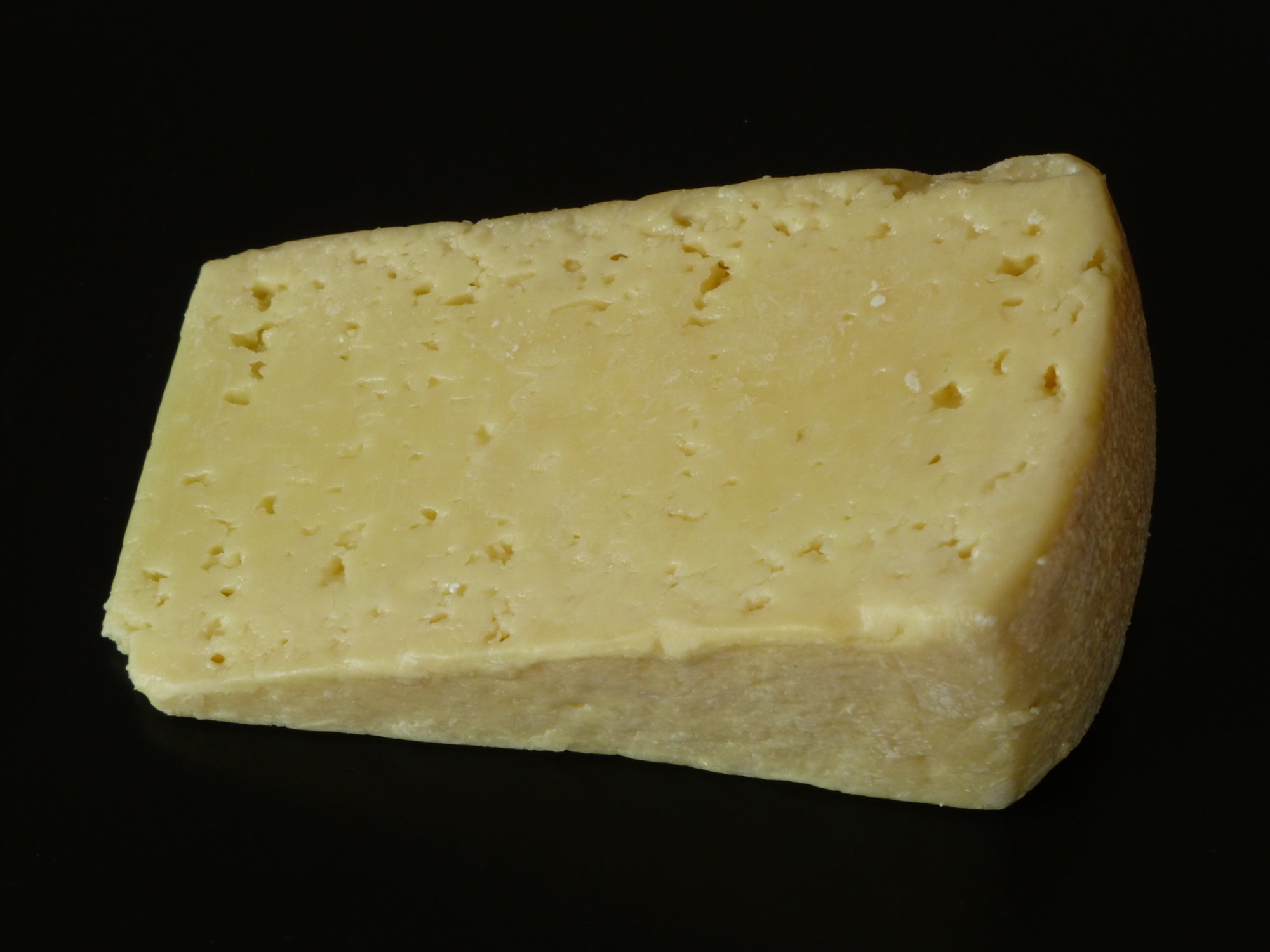
Räßkäse
Rässkäse is a traditional hard cheese most often found in Vorarlberg. Its name comes from the Alemannic German word "räß,” which means sharp, sour, or biting. That’s exactly how this one should taste. Unlike milder alpine cheeses, this one is more intense, with tangy, almost spicy characteristics courtesy of its long aging process.
Production begins with carefully heated pasteurized cow’s milk, rennet, and starter cultures that form curds. After cutting and pressing the curds, the cheese wheels are salted and left to mature for several months. During aging, natural molds develop on the rind, enhancing the cheese’s flavors. Rässkäse is firm and slightly crumbly, and can range from pale yellow to deeper golden hues.
Traditionally, it’s enjoyed sliced on fresh bread or melted in regional dishes like käsefladen, a savory flatbread topped with cheese. It's also a favorite on its own or on cheese platters.
Sura Kees

Sura Kees sliced with bread
Also known as Vorarlberger Sauerkäse or Montafoner Sauerkäse, this PDO-protected cheese is a low-fat, hard, sour-milk cheese produced in the Montafon valley of Vorarlberg. It’s been important to the region’s traditions for centuries, and is similar in texture to Tiroler Graukäse.
Sura Kees is made using skimmed cow’s milk, often as a by-product of butter products. The cheese is rennet-free, relying on natural fermentation for its characteristic sour flavor. (The name actually translates to “sour cheese.”) This one has a moist, crumbly texture and a white to light yellow appearance, sometimes with a speckled rind. How sour it gets depends on the producer’s aging process.
This one is often served sliced with vinegar, oil, and onions, spread on bread, or added to traditional dishes like käsespätzle, or Austrian cheese dumplings. It’s a popular choice to balance out heavier meals as it’s naturally low-fat with a unique flavor profile.
Tiroler Graukäse
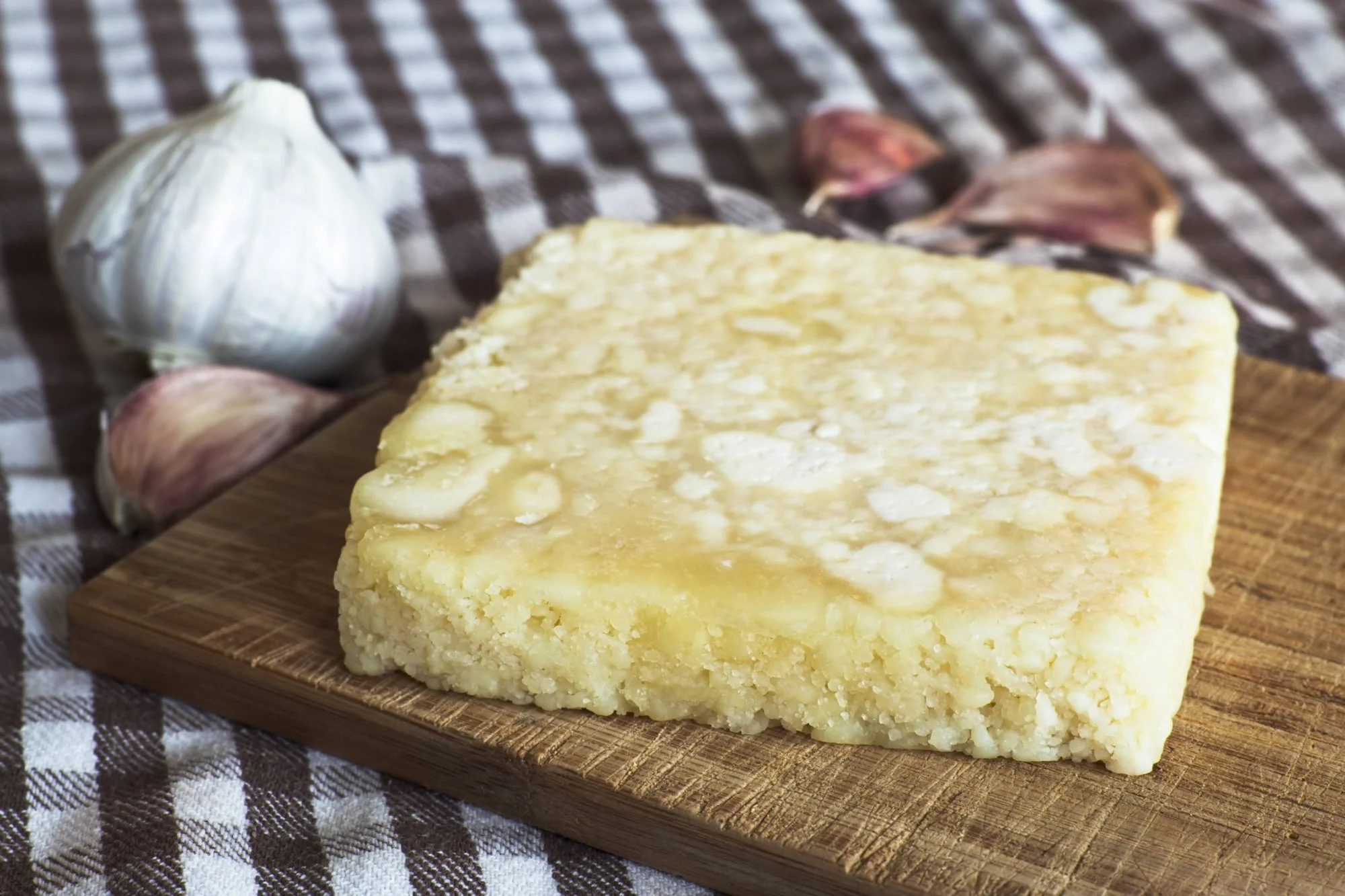
Tiroler Graukäse
This sour-milk cheese, protected under PDO, is one of Austria’s oldest. While once very common, cheeses like it are now found predominantly on small farms, Fraißler said. Graukäse is made from low-fat cow's milk and produced in Tyrolean mountain regions in the heart of the Alps. Its name, “gray cheese,” comes from the mottled gray mold that sometimes develops on its surface. It can also remain white or off-white. A lack of gray isn’t a sign of a good or bad varietal!
Strong-smelling, crumbly Graukäse is usually produced without rennet, relying instead on natural souring, or the acidification of milk. That’s what gives it a sharp, almost acidic bite that pairs with vinegar, onions, and buttered dark rye bread. It also melts well in dishes like käsespätzle. Historically, this one was a staple of alpine farmers, and rural operations have continued that legacy of regional heritage on a smaller scale.
Where to Find Austrian Cheeses
Tourists in Austria often discover the more unique Austrian cheeses through agritourism or visits to alpine huts and local markets. If you time your visit right to farmers’ markets across regions like Tyrol and Vorarlberg, you’re more likely to find seasonal Alpkäse and Graukäse. The KäseStrasse Bregenzerwald, or Cheese Road Bregenzerwald, is also popular for cheese lovers. Many alpine dairies sell directly to visitors, especially in the summer, when cows graze on their high pastures.
In larger cities like Vienna, delis and cheese shops stock a broad selection of cheeses, often even featuring PDO-protected varieties. Supermarkets carry the more common types, but you’ll need to hunt a little harder for the most distinctive cheeses. Neighboring countries like Germany and Switzerland often carry the popular Alpine varieties, and larger-scale producers export their cheeses to specialty markets around the world.