
What Is a Bloomy Rind Cheese?
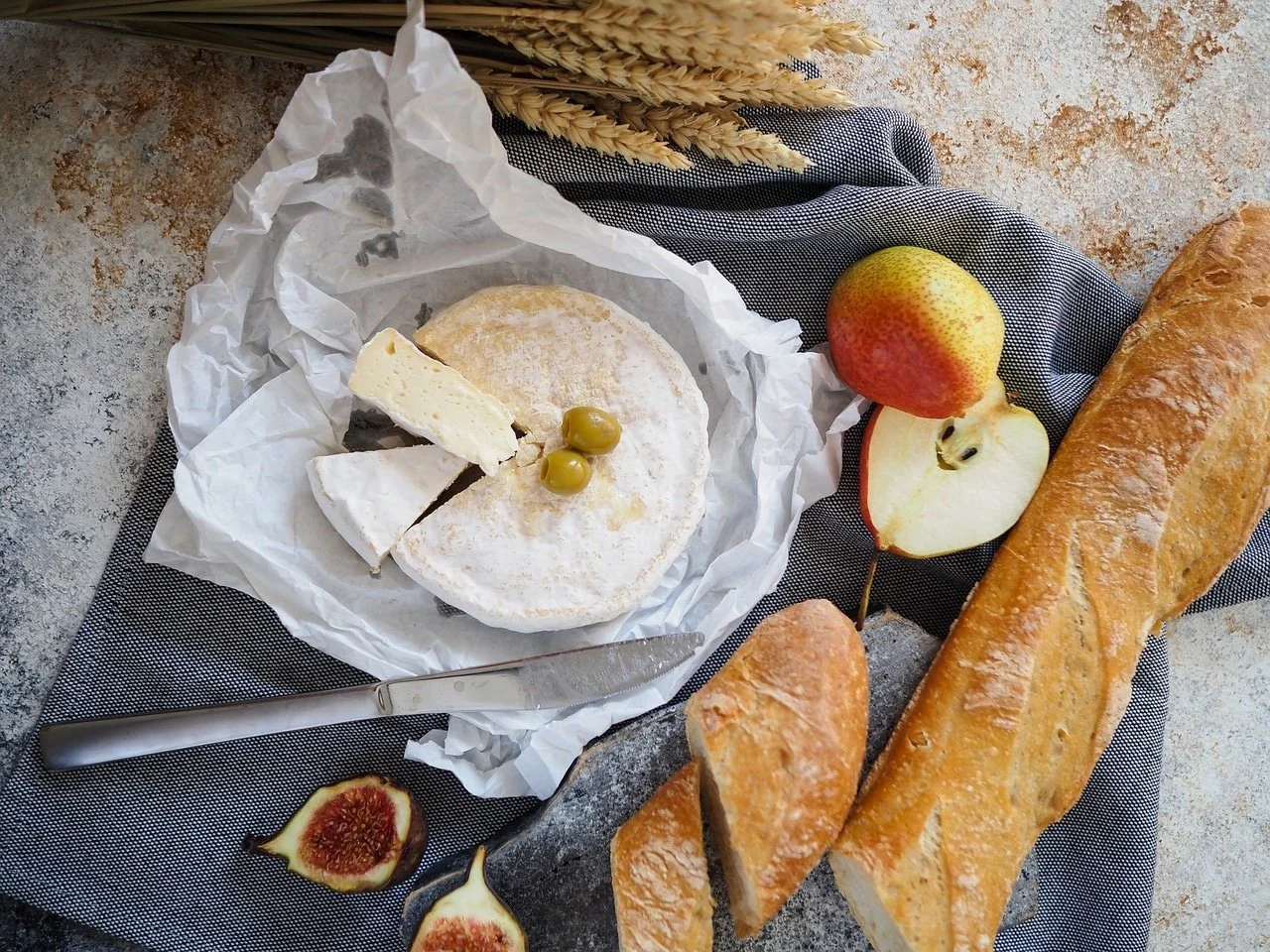
Bloomy rind cheese with bread and fruit
Brie is approaching the status of Kleenex or Xerox: a brand name we use as shorthand for anything in its category, even though others in the category might prefer to be called by their actual names. Just as Puffs might prefer to be called Puffs and not the name of their main competitor, cheeses that aren’t brie — and are arguably better than anything legitimately labeled brie — should also demand their rightful reference.
Beyond their individual proper names, the correct headline for cheeses wrapped in a thin, white blanket is “bloomy rind,” not brie.
“One thing I wish more consumers understood is that not every bloomy rind cheese is brie,” says cheesemonger Brittany Bisset, American Cheese Society Certified Cheese Professional, founder of The B’s Cheese, and host of Curd is the Word podcast, “and simply being labeled ‘brie’ isn't necessarily a mark of quality.”
I’d take it a step further: Bloomy rind cheeses in the U.S. not labeled brie are often superior in quality to anything with the word “brie” on the packaging, especially in the grocery store.
So, what is a bloomy rind cheese? Bisset offers her guidance on navigating the category formerly known as brie, henceforth to always and accurately be called bloomy rind.
Characteristics of Bloomy Rind Cheeses

Brittany Bisset
You can probably identify a bloomy rind cheese by your impulse to want to call it brie. Typically small(er) in format, “a bloomy rind cheese is a cheese with that soft, pillowy, white or sometimes grayish mold covering its exterior,” says Bisset.
As the most famous entity in the bloomy rind canon, brie (and its country cousin, camembert) is a cow’s milk cheese, but that isn’t a requirement. “Bloomy rind cheeses can be made from cow's, goat's, or sheep's milk,” says Bisset, “or — my favorite — a blend of two or more types.”
While most bloomy rind cheeses come in small or mini formats (4 to 8 ounces), the bloomy rind category includes cheeses that can get much larger. Brie de Meaux AOP, the king of actual Brie, can be made in a wheel up to around 3 kilograms (about 6.5 pounds).
What Causes the Rind to Bloom?
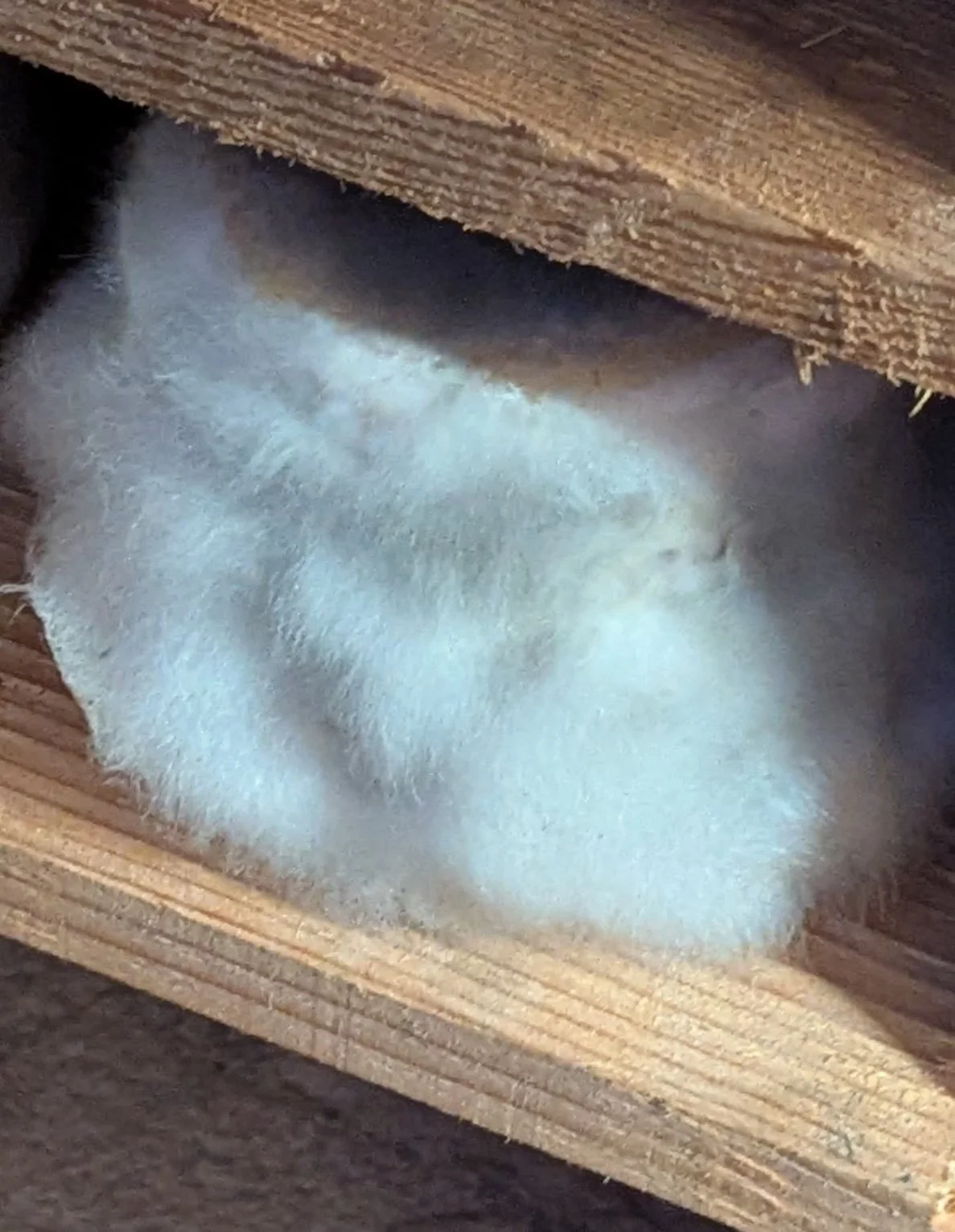
White mold blooming
The name “bloomy rind” isn’t just a whimsical touch for the delicate-looking category. During affinage, the cheeses literally bloom.
“That signature rind develops through the growth of beneficial molds, most commonly Penicillium camemberti,” says Bissett, "which helps ripen the cheese from the outside in.”
To drill the point home, this defining white mold was named for the cheese upon which it was initially discovered: camembert (not brie). Penicillium camemberti sometimes joins forces with a particular yeast or fungal strain called geotrichum candidum, which gives certain cheeses a mottled, brain-like pattern.
By the time bloomy rind cheeses arrive in your local cheese case, their rinds have taken on a mostly flat, homogeneous look, but this is a result of care spent by the affineur, who must pat down tufts of the fuzzy-looking mold during the aging process. This is the bloom that puts the bloomy in bloomy rinds.
This is also what separates high-quality bloomy rind cheeses from industrial versions, many of which are labeled brie in your local grocery store. “The best bloomy rinds have spores or cultures added to the milk before the wheels are formed, whereas industrial versions apply the mold after the cheese has effectively been made,” says Bisset.
The rinds on bloomy rind cheeses are always edible, but the naturally developing ones give the best texture and flavor.
Understanding Ripeness in Bloomy Rind Cheeses
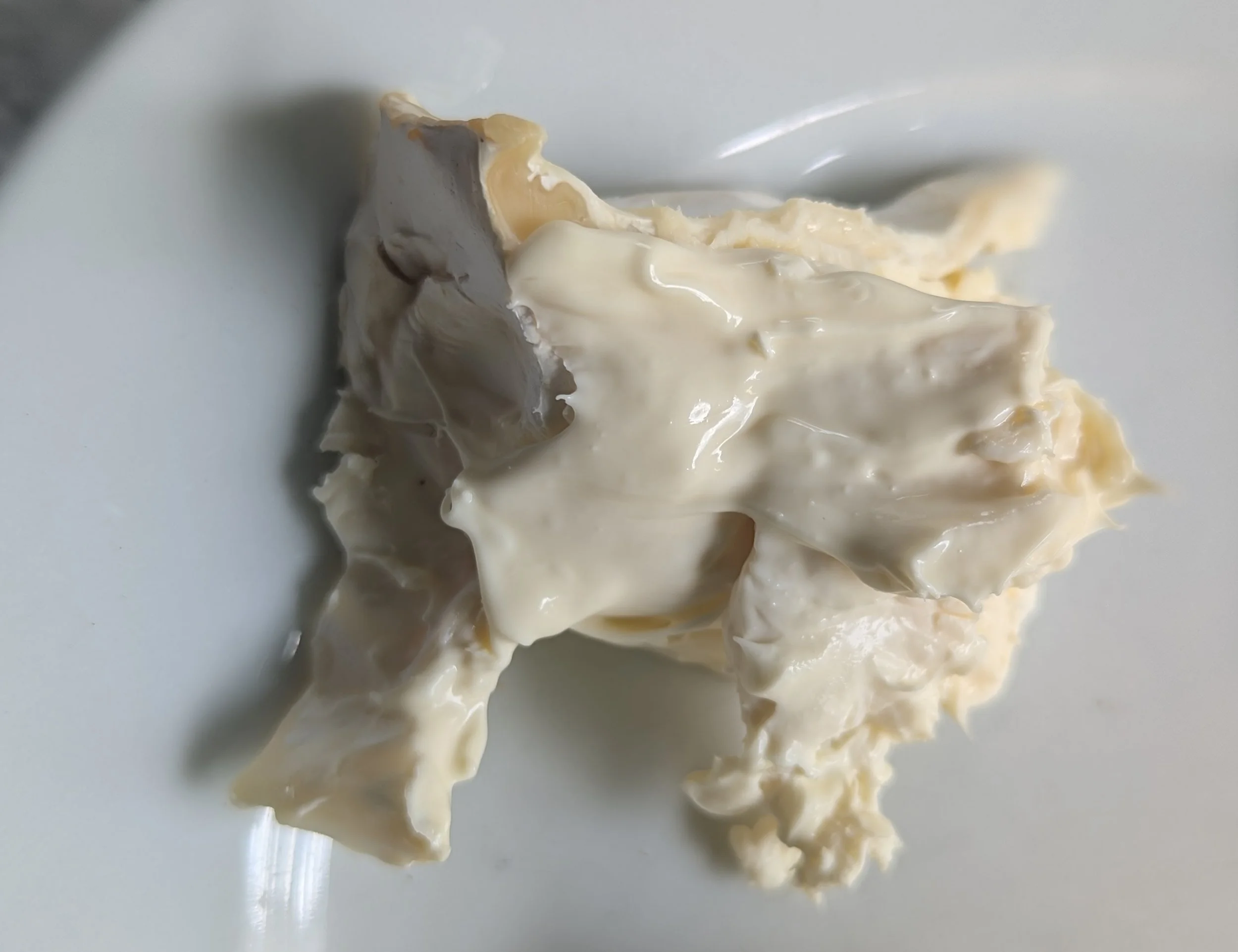
Bloomy rind cheese closeup photo credit Pamela Vachon
Bloomy rind cheeses are the teenagers of the cheese case, aging for a few days to a few weeks, and rarely more than a couple of months. During this time, the rind's work gives many bloomy rind cheeses their occasional fluidity. “As the cheese matures, the rind's activity helps break down proteins,” says Bisset, “transforming the paste beneath it and developing those wonderful flavors and textures we associate with this style.” As a surface mold, development is happening from the outside in, rather than the inside-out fashion that governs many firm cheeses with natural rinds.
While bloomy rind cheeses generally stay soft and pliable, not all of them ooze. Differing ripeness levels create different outcomes, and many industrial bloomies are built for consistency rather than for continual development. “I think one of the biggest misconceptions is that all bloomy rind cheeses should ooze or gush when you cut into them,” says Bisset. “While some absolutely do, that's not a requirement.”
With a cheese such as Valençay — a traditional French goat cheese with an ash-coated, bloomy rind — “it can have a beautifully delicate, creamy layer just beneath the rind, [known as the creamline] while maintaining a firmer, denser center,” Bisset says. Ultimately, ‘bloomy rind’ describes what's happening on the outside of the cheese, not necessarily what you'll find when you cut into it.”
What does Bloomy Rind Cheese Taste Like?
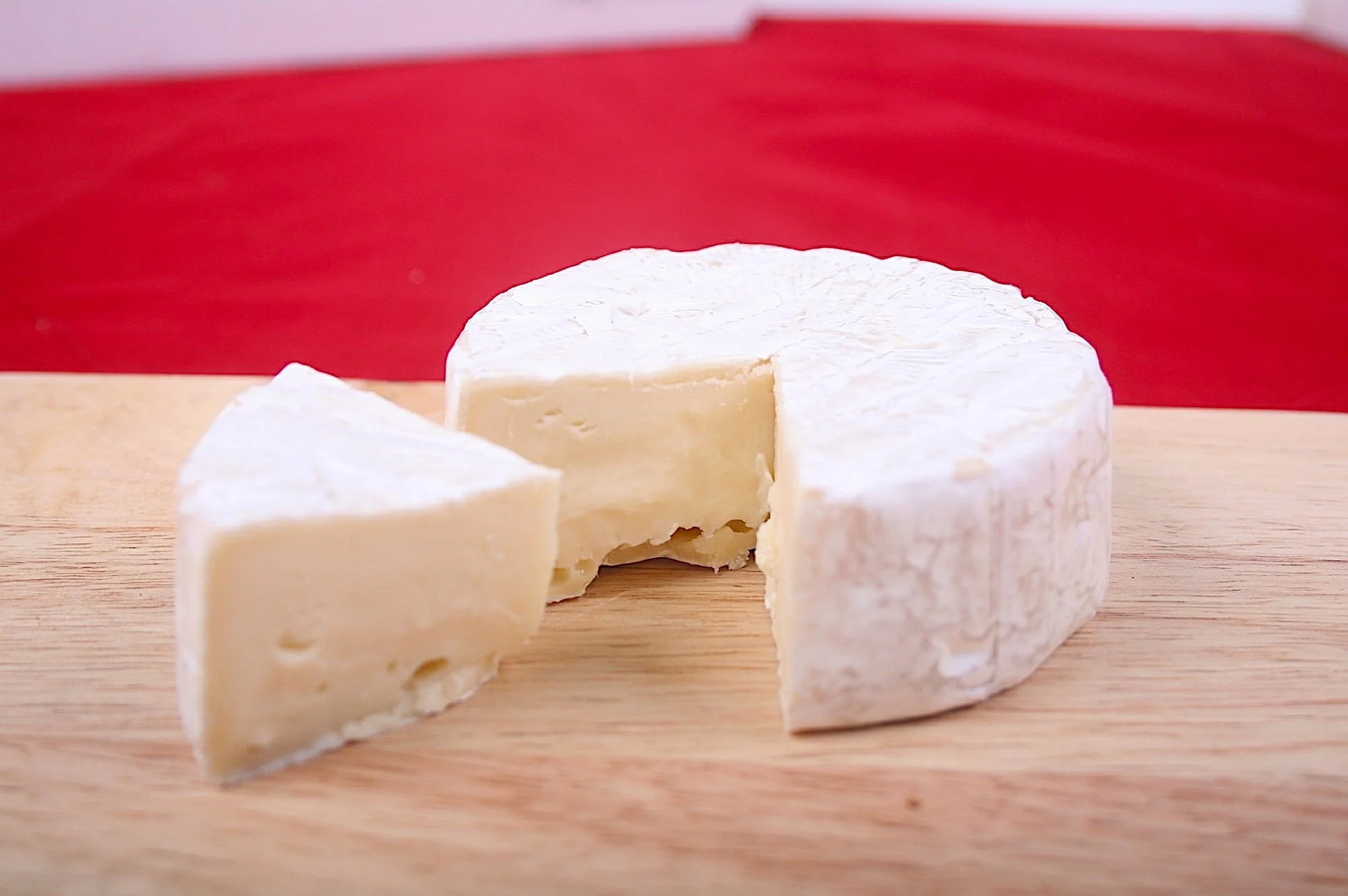
Wedge of bloomy rind cheese
Mushroomy, earthy, or vegetal qualities can mark many classic bloomy rind cheeses, but with an almost infinite set of variations in animal milk type, milk condition, additional cultures, seasonality, aging techniques, and other applications, there’s no single flavor associated with the category. “Both their textures and flavors can vary tremendously,” says Bissett.
What’s important is not limiting yourself to the most common industrial option just because it’s labeled “brie.”
Since bloomy rind cheeses are a good entry point to the craft of cheesemaking, they are a good way to support artisanal cheesemakers.
“Consumers don’t need to become cheese experts to appreciate the difference,” Bisset says. “Ask your cheesemonger for something with the qualities you already love about brie, but from a producer you've never tried. You might discover a new favorite, and in doing so, you're supporting the people who keep the art of cheesemaking alive.”
And don’t forget to use the term “bloomy rind” to win over your local seller.
5 Bloomy Rind Cheeses to Try for a Taste of the Category
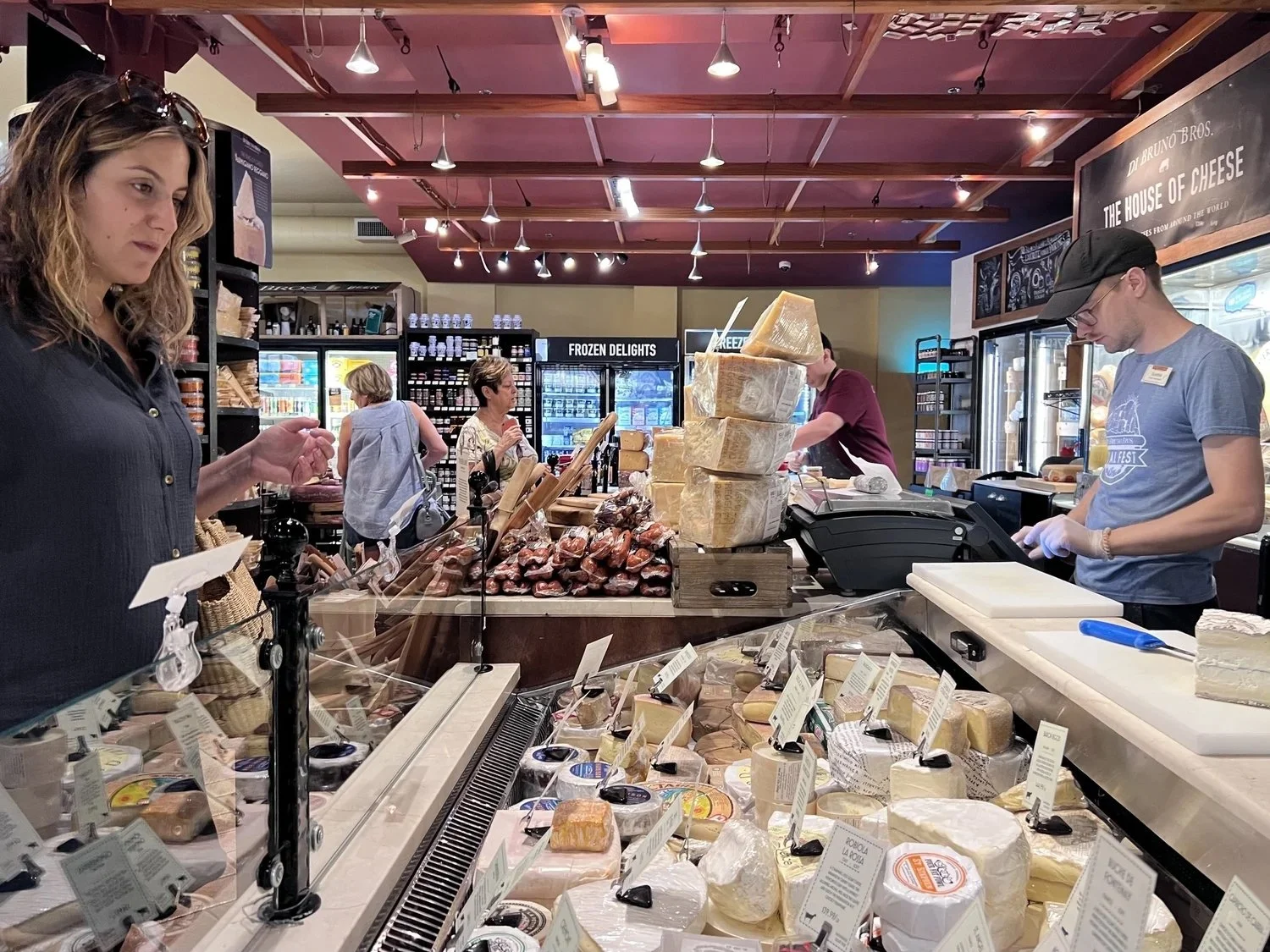
Brittany Shopping for bloomies
Bloomy rind cheeses come in an infinite number of variations, given provenance and cheesemaking decisions. Again, the best bloomy rind for you is the one made closest to home, so seek out what’s on offer from local makers. Here are five, however, that are widely available and represent a broad spectrum of what the bloomy rind category can offer.
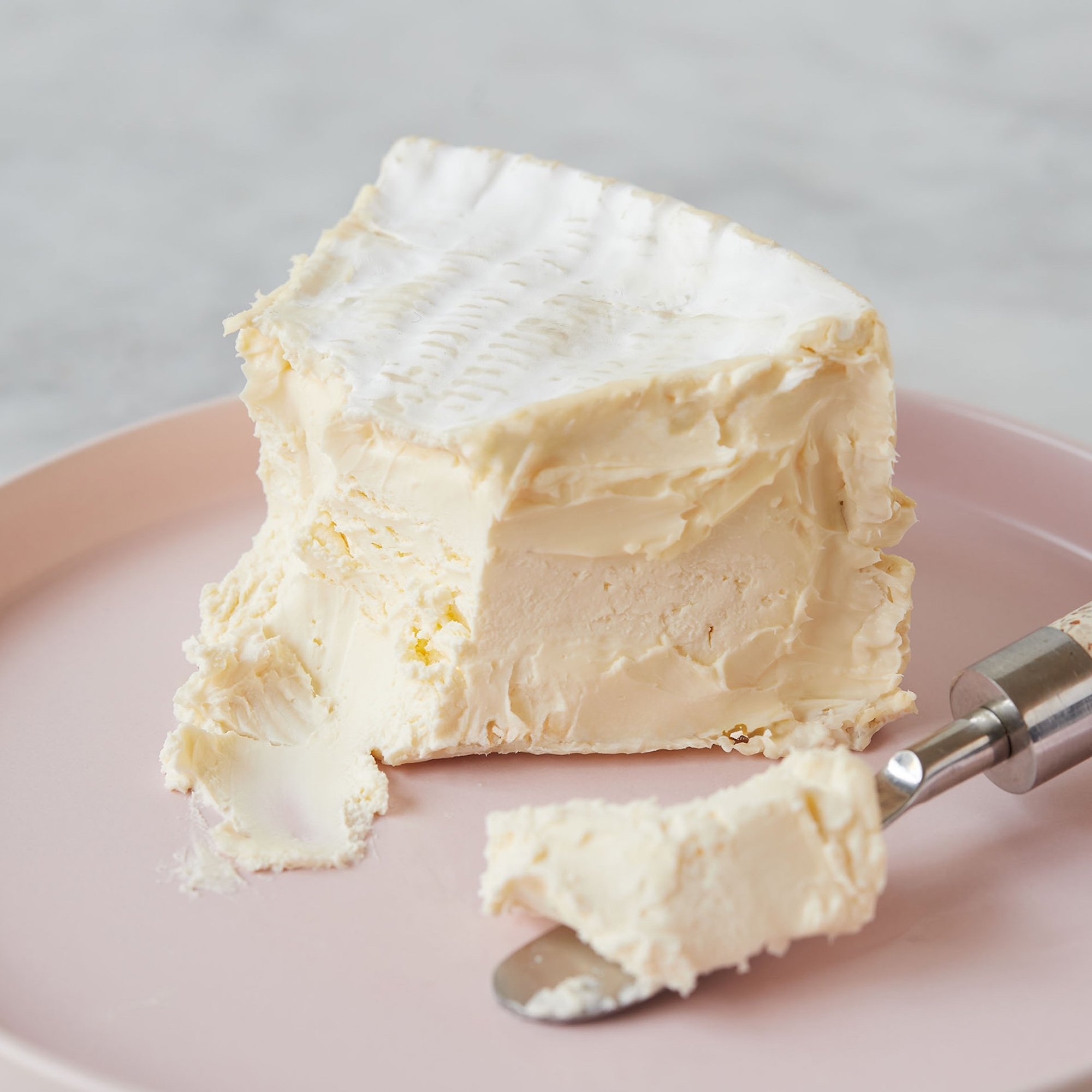
Cremeux de Bourgogne care of Murrays
If camembert is brie’s earthier, country cousin, Crémeux de Bourgogne is its richer, more sophisticated cousin. Hailing from Burgundy, Crémeux is one of the major blueprints for a triple-crème—a cheese as close to butter as cheese can get.
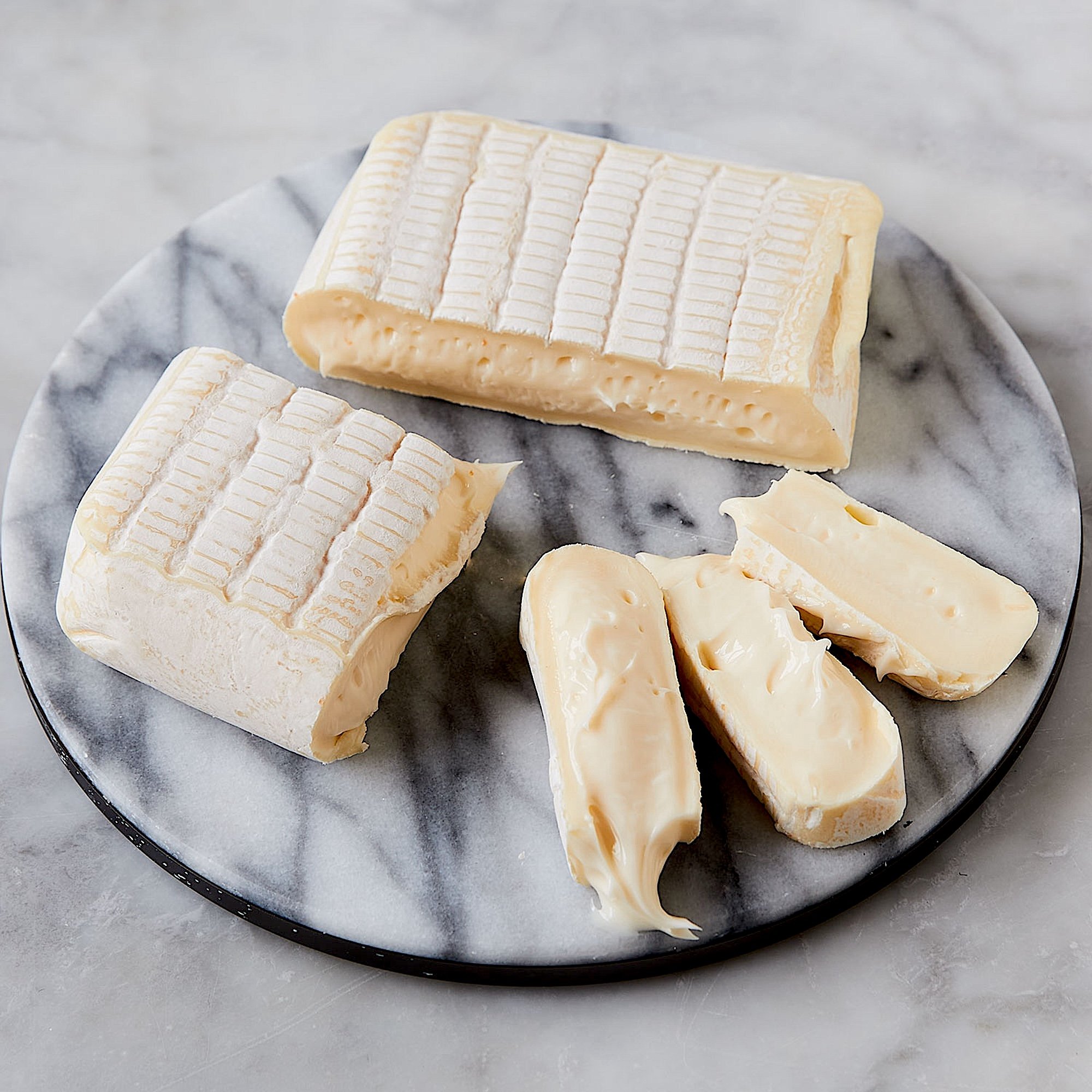
Robiola care of Murrays
Italy’s answer to brie, robiola is iconoclastically made in a square shape, and can consist of cow’s, goat’s, or sheep’s milk, or a combination of two or all three. When milks are combined, robiola may also be labeled as “due latte” or “tre latte.” La Tur, a form of robiola, includes all three milks and a geotrichum candidum assist for that brainy look.
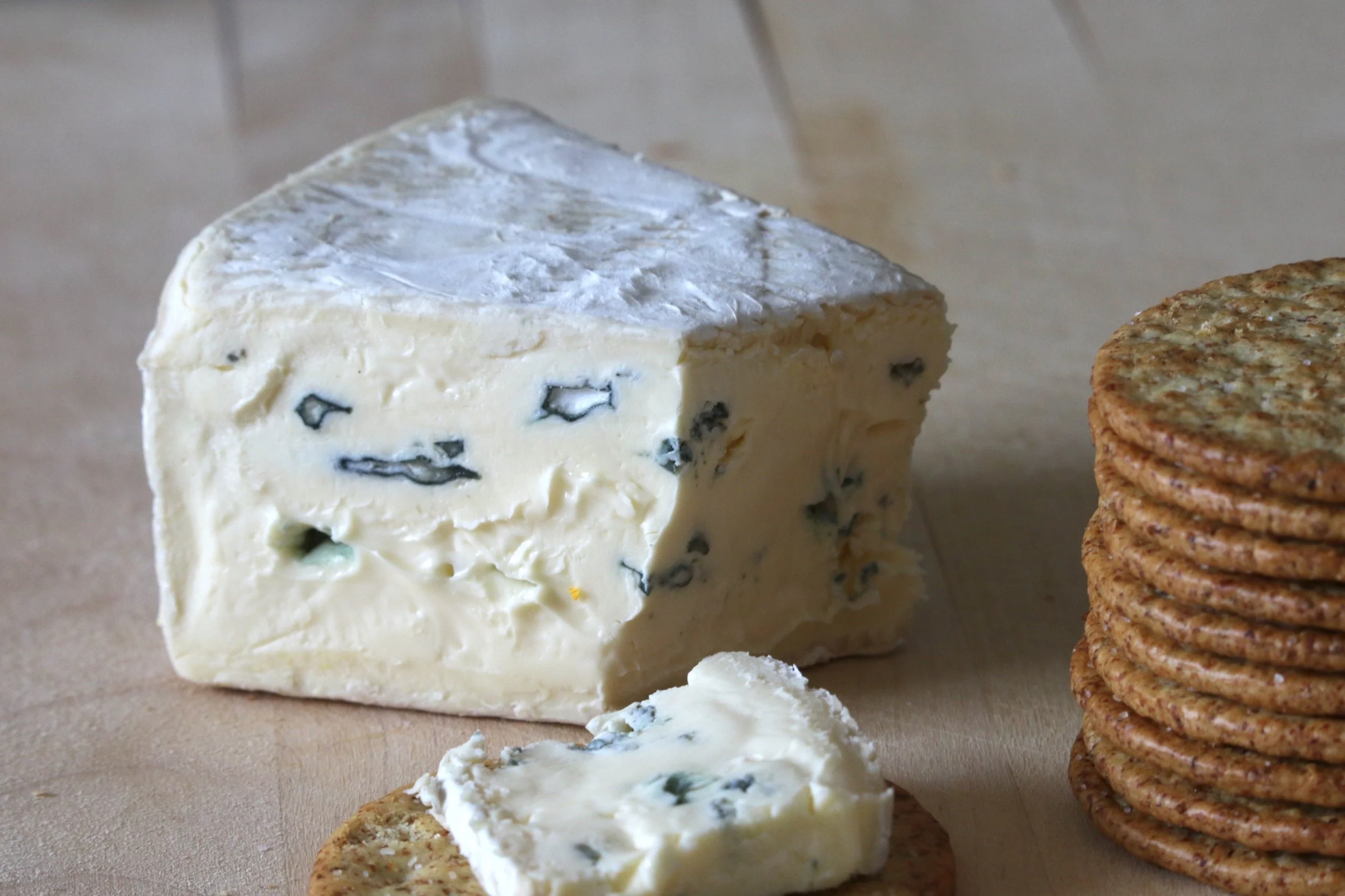
Cambozola cheese By Jorchr - Own work, CC BY-SA 3.0
Further proof that bloomy rind cheeses aren’t limited to what you might look at and say, “brie!” Cambozola is a German-made, blue bloomy. Its name is a portmanteau of camembert and gorgonzola.
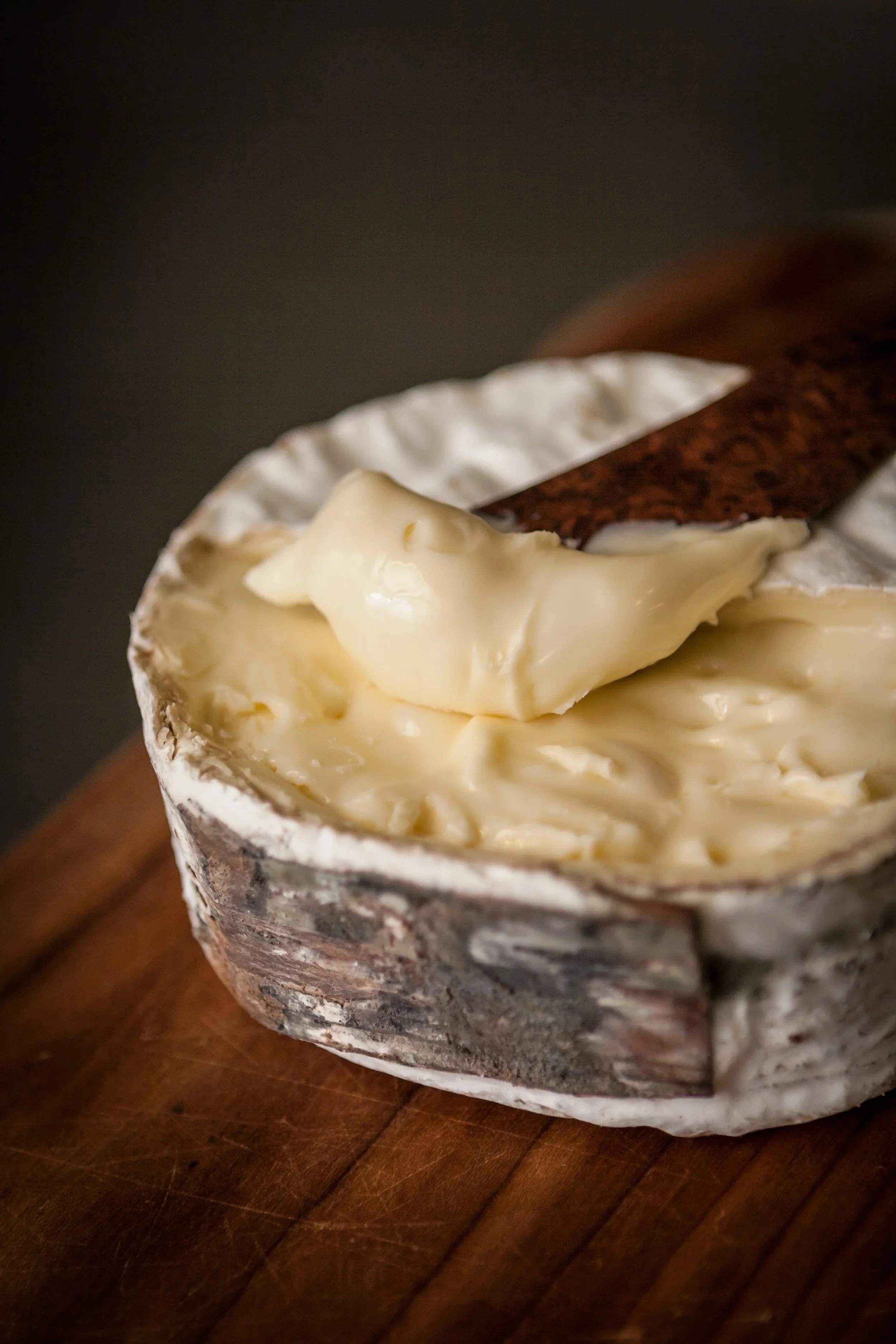
Harbison care of Jasper Hill Farm
Sometimes bloomy rind cheeses get a fashion accessory for the colder season. A spruce bark here contains the spoonable cheese, imbuing it with woodsy, earthy flavors.
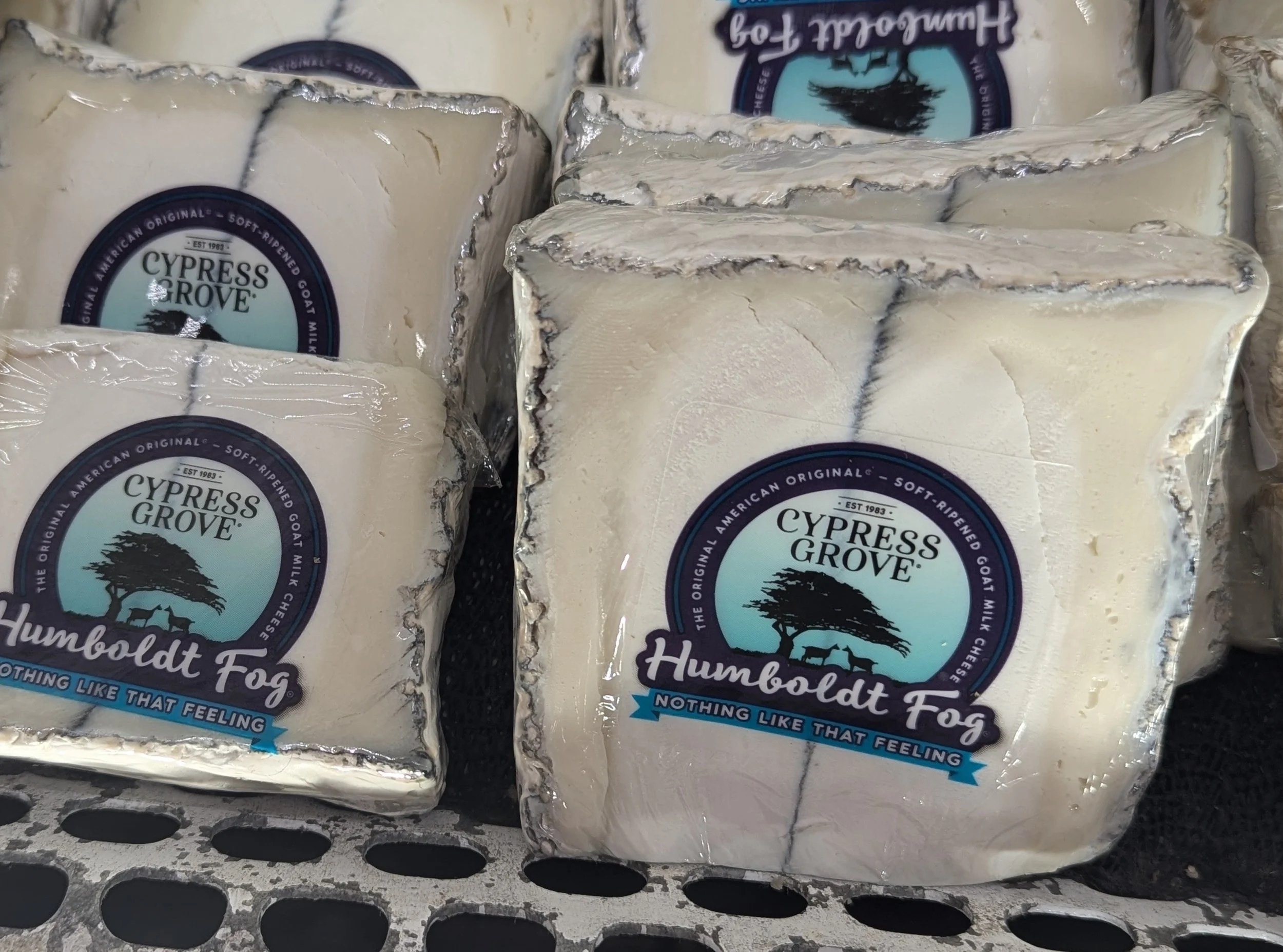
Humboldt Fog photo credit Pamela Vachon
Introduced in 1987, this bright, goat’s milk-white, ash-striped, and still bloomy, is one of America’s original bloomy rind cheeses.